Table of Contents >> Show >> Hide
- Why the First Frost Feels So Rude
- 1) Watch the Forecast Like It Owes You Money
- 2) Water the Soil Before the Temperature Drops
- 3) Cover Plants Correctly (Not Like Tiny Halloween Ghosts)
- 4) Save Containers First (They Freeze Faster Than Garden Beds)
- 5) Harvest Tender Crops Now and Let Them Finish Indoors
- A Fast First-Frost Checklist (Do This Tonight)
- Common First-Frost Mistakes to Avoid
- Experience-Based Lessons Gardeners Learn the Hard Way (and Then Never Forget)
- Conclusion
If your weather app just whispered the words “frost advisory” and your garden is still full of tomatoes, basil, and optimism, don’t panic. The first frost doesn’t have to be the season-ending villain in your gardening story. In many cases, you can buy your plants extra timesometimes a night, sometimes a week, and sometimes long enough to squeeze out one more glorious harvest basket.
The trick is moving fast and focusing on the highest-impact steps. First frost prep is less about fancy gadgets and more about smart timing: trap heat, reduce stress, protect the most vulnerable plants, and harvest what won’t make it through the night. Think of it as emergency garden triagewith blankets.
In this guide, you’ll learn five practical things you can do right now to protect your garden before temperatures dip. I’ll also break down what actually works (and what just makes us feel productive while the tomatoes quietly freeze), plus a longer experience-based section at the end so you can learn from real-world frost-night mistakes and wins.
Why the First Frost Feels So Rude
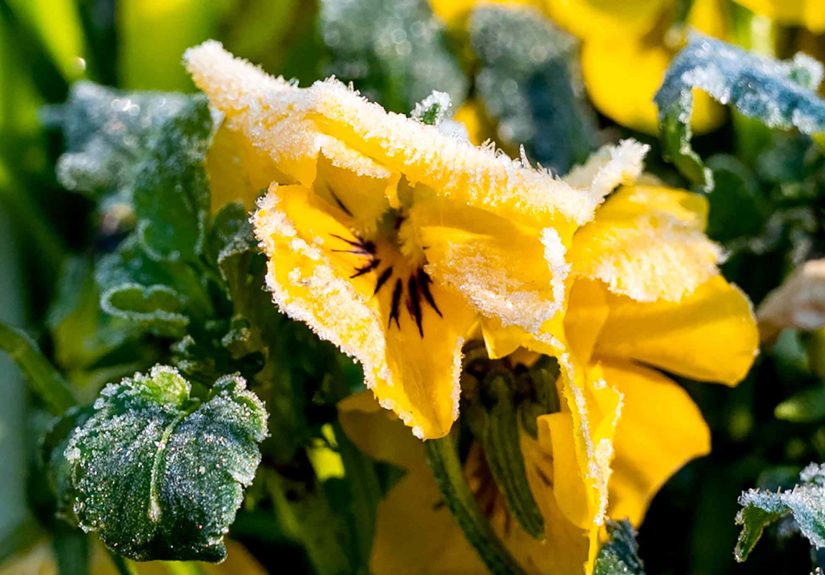
The first frost often arrives while your garden still looks very much alive. Summer crops may still be flowering, peppers may still be sizing up, and your basil may be acting like it has at least six more weeks. But one cold, clear night can change all of that.
Frost damage usually hits tender plants first: tomatoes, peppers, eggplant, cucumbers, squash, annual flowers, and tropical ornamentals. Many cool-season crops, on the other hand, can tolerate a light frost and may even taste better afterward (looking at you, kale and Brussels sprouts). That means your goal is not to “save everything.” Your goal is to protect the right plants, in the right way, at the right time.
And yes, timing matters a lot. Throwing a cover on at midnight after everything is already frosty is a little like opening an umbrella after getting into the shower. Helpful? Not really.
1) Watch the Forecast Like It Owes You Money
Know whether you’re dealing with frost or a freeze
Before you drag every bedsheet in the house into the yard, check what kind of cold event is coming. A light frost and a hard freeze are not the same thing, and your response should be different.
For home gardeners, the key move is to start watching local forecasts and alerts a few days before your expected first frost dateand especially on clear, calm nights when heat escapes quickly. If your area is under a frost advisory or freeze warning, that’s your cue to act before sunset, not after dinner.
Also, don’t rely only on an “average first frost date” from a chart. Those dates are useful for planning, but real weather doesn’t care about averages. Some years are early, some are late, and some are chaotic enough to make your zucchini question your leadership.
Make a quick save list before you do anything else
Walk your garden and split plants into three buckets:
- Must protect: tomatoes, peppers, basil, eggplant, cucumbers, tender flowers, tropicals, warm-season herbs.
- Can usually tolerate light frost: kale, chard, spinach, carrots, beets, many brassicas.
- No need to baby tonight: established woody shrubs, hardy perennials, and trees that are entering dormancy.
This one step saves time and prevents “blanket inflation,” where you use all your covers on plants that were going to be fine anyway.
2) Water the Soil Before the Temperature Drops
Yes, watering before a frost can help
This advice surprises a lot of people, but it’s one of the most useful first-frost moves for home gardens: water before the cold hits (as long as your soil drains well).
Moist soil holds heat better than dry soil. During the day, that soil absorbs warmth; overnight, it releases some of that heat back into the air around your plants. It’s not magic, and it won’t protect your tomatoes during an Arctic-style freeze, but it can make a meaningful difference during a typical early frost event.
The other benefit is plant health. Drought-stressed plants are more vulnerable to cold injury. A well-hydrated plant has a better chance of getting through a chilly night with less damage than one already struggling.
How to do it without causing new problems
- Water the root zone earlier in the day or late afternoonnot at midnight.
- Aim for evenly moist soil, not soggy soil.
- Avoid creating standing water or waterlogged beds.
- If your soil already drains poorly, go easy. Frost protection is great, but root rot is not a fun offseason project.
For container plants, watering helps too, but remember: pots lose heat faster than in-ground beds. So water is only part of the plan for containersyou’ll still want to move or insulate them (we’ll get to that in Thing #4).
Add mulch where it helps most
If you have time, add a layer of mulch around the root zone of vulnerable plants or around cool-season crops you plan to keep harvesting. Mulch helps reduce temperature swings and slows heat loss from the soil. Straw, shredded leaves, and other organic mulches work well.
Mulch is especially useful for root protection and for plants that may lose top growth but can bounce back from healthy roots. It’s not a replacement for covering tender cropsbut it’s a great supporting move.
3) Cover Plants Correctly (Not Like Tiny Halloween Ghosts)
The goal is to trap heat from the soil
When you cover plants before a frost, you’re not trying to “warm the leaves” directly. You’re trying to trap heat radiating up from the soil and keep the air around the plant a few degrees warmer than the surrounding air.
That’s why the way you cover matters so much. A good cover reaches all the way to the ground and is anchored so heat doesn’t escape. A bad cover is wrapped around the top like a scarf, leaving the ground exposed and all the warmth free to leave. Cute? Maybe. Effective? Not really.
Best materials you probably already have
If frost is coming tonight, use what you have:
- Frost cloth or row cover fabric
- Old sheets
- Light blankets
- Towels (for smaller plants or container groupings)
- Cardboard boxes (temporary cloche-style protection for individual plants)
For garden beds, lightweight row covers or frost blankets are especially effective because they’re designed to trap warmth while still allowing airflow and light. Some row covers can provide a few degrees of frost protection, and heavier materials can offer more.
Important: Keep plastic off the leaves
Plastic can be part of your system, but it should not touch plant foliage directly. When plastic rests on leaves, it can increase cold injury where it makes contact. If you use plastic, place it over a fabric layer or support it with hoops, stakes, tomato cages, or a simple frame.
Think “tent,” not “shrink wrap.”
Cover timing and morning removal
Put covers on before temperatures plungeideally in late afternoon or early evening while the soil still holds daytime warmth. Anchor the edges with bricks, rocks, boards, or landscape pins.
Then remove or vent the covers the next day once temperatures rise above freezing (and definitely before the midday sun turns your plant tent into a steam room). Frost protection works best when you use it like a temporary overnight shield, not a 24-hour plant cave.
4) Save Containers First (They Freeze Faster Than Garden Beds)
Container plants are the first to complain
If you only have time to do a few things, start with potted plants. Containers lose heat quickly, and roots in pots are far more exposed than roots in the ground. Even if the foliage looks okay after a frost, root damage may show up later.
Move small and medium containers into a garage, shed, enclosed porch, or other sheltered area overnight. They don’t always need a heated room for one night of frost protection; they just need less exposure.
If you can’t move them, cluster and insulate
For heavy planters, do what you can:
- Push containers together to reduce exposed surface area.
- Place them near a wall (especially a south- or west-facing one) for a bit of extra warmth.
- Mulch the top of the soil.
- Wrap pots with burlap, blankets, or other insulating material.
- Cover the plant tops overnight with cloth or frost fabric.
This combination is much more effective than covering the top alone because it helps protect both the foliage and the root zone.
Use quick cloches and mini-tunnels for high-value plants
For a few especially valuable plants (late peppers, baby lettuce, a favorite flower, that one tomato plant you’ve emotionally attached yourself to), use simple season extenders:
- Cloches: cover individual plants with a temporary dome (like a large container, box, or purpose-made cloche).
- Row-cover tunnels: use hoops and fabric to create a low tunnel over a bed.
- Cold frames: if you already have one, this is their moment to shine.
These structures trap heat more effectively than a loose drape and are especially handy when frost nights start happening more often.
5) Harvest Tender Crops Now and Let Them Finish Indoors
Don’t lose food while protecting leaves
One of the biggest first-frost mistakes is spending all your time covering plants and forgetting to pick the produce that’s readyor almost ready. A quick harvest pass can save more of your season than any blanket.
Before frost hits, harvest warm-season crops that are vulnerable to cold injury:
- Tomatoes
- Peppers
- Eggplant
- Cucumbers
- Summer squash
- Basil and other tender herbs
Tomatoes are the classic example. If you have mature green tomatoes, pick them and ripen them indoors. They may not all taste exactly like peak August tomatoes, but they’ll beat frozen tomato mush every time.
Know what can stay in the garden
Not everything needs to come out. Many cool-season crops tolerate light frost well and can continue producing. In fact, some gardeners intentionally leave crops like kale, Brussels sprouts, and certain root vegetables in the garden longer because cool weather improves flavor and sweetness.
So if your garden still has both tomatoes and kale, your frost-night plan should be unequaland proudly so. Save the divas, let the tough ones do their thing.
A Fast First-Frost Checklist (Do This Tonight)
- Check the overnight forecast and alerts for frost vs. freeze conditions.
- Make a “must-save” list of tender plants and containers.
- Water the soil (if dry) in late afternoon or early evening.
- Harvest ripe and nearly ripe tender crops, especially tomatoes and peppers.
- Cover plants with cloth/frost fabric that reaches the ground and is anchored.
- Move or cluster containers and insulate pots if needed.
- Set a reminder to remove/vent covers the next morning.
Common First-Frost Mistakes to Avoid
- Waiting too long: Covers work best when they trap heat before temperatures crash.
- Using plastic directly on leaves: This can increase damage where plastic touches foliage.
- Leaving edges loose: If cold air flows underneath, you lose the benefit.
- Forgetting containers: Potted plants are often damaged first.
- Leaving covers on all day: Plants can overheat quickly in sun, even when the air feels cool.
- Protecting everything equally: Focus on tender, high-value plants first.
Experience-Based Lessons Gardeners Learn the Hard Way (and Then Never Forget)
Here’s the part no one tells you in your first gardening season: the first frost is rarely a neat little event where you calmly implement a perfectly laminated plan. It’s usually more like, “Why is it 4:45 p.m. already?” followed by a sprint through the house collecting sheets, clothespins, and emotional resilience.
One of the most common experiences gardeners describe is underestimating how fast temperatures fall in low spots. A garden bed near a fence or at the bottom of a slight slope can frost over while another bed 20 feet away stays fine. That’s why many people eventually start treating the coldest part of their yard as the “warning zone.” If those plants look frosty first, the whole garden plan gets upgraded.
Another real-world lesson: the plants you care about most are often not the plants you should save first. Gardeners tend to protect the biggest, prettiest tomato plant and forget the pepper containers on the patio. Then the tomato limps through, but the peppers crash because pots cool so quickly. After one season of that, most people develop a smarter habit: containers first, then tender in-ground crops, then anything ornamental.
There’s also the “I used the wrong cover” experience. A lot of gardeners start with plastic because it seems waterproof and warm. Then they discover that plastic touching leaves can cause damage, and that a loosely draped tarp flapping in the wind doesn’t trap much heat at all. The upgrade usually happens fast: old sheets, frost cloth, or row cover fabric + clips + a couple of bricks. Not glamorous, but very effective.
Timing is another huge lesson. People often wait until it’s dark to cover plants, especially if the forecast says the low won’t happen until dawn. But experienced gardeners know the earlier move is better: cover while the soil is still warm from the day, and you trap that heat under the fabric overnight. The difference can be small on paperjust a few degreesbut in the garden, a few degrees is the difference between “still harvesting” and “compost update.”
Then there’s the harvest regret. Gardeners who have lost a whole cluster of nearly ripe tomatoes to one surprise frost almost always tell the same story the next year: they pick earlier, and they pick more. They stop waiting for every fruit to be perfect on the vine. They bring in mature green tomatoes, half-ripe peppers, and basil stems for the kitchen. That mindset shiftprotect what you can, harvest what you shouldis what turns first frost from a disaster into just another seasonal transition.
Finally, one of the best experience-based habits is keeping a small “frost kit” ready all season. It doesn’t have to be fancy: a roll of frost cloth, a stack of old sheets, a few clips, some stakes or hoops, and two or three bricks near the beds. Gardeners who do this look oddly calm when the first frost warning pops up. Everyone else is out there bargaining with fitted sheets.
The good news? Frost prep gets easier fast. After one or two cold snaps, you’ll know which parts of your garden are most vulnerable, which covers work best, and which crops are worth the effort. And once you’ve rescued a late-season pepper harvest or stretched your tomato season by even a week, you’ll never look at a random old bedsheet the same way again.
Conclusion
The first frost doesn’t mean your garden is finishedit means your garden needs a smarter evening routine. By watching the forecast, watering dry soil, covering plants correctly, prioritizing containers, and harvesting tender crops before the cold hits, you can protect both your plants and your hard-earned harvest.
Most frost protection strategies are simple, low-cost, and fast. You don’t need a greenhouse to win this round. You just need a plan, a little timing, and the willingness to use household linens for horticultural heroics.
If frost is in the forecast tonight, start with the tender plants and the pots, get your covers anchored before dark, and set your alarm to uncover in the morning. Your future selfholding a basket of tomatoes that would have otherwise turned to mushwill be very impressed.