Table of Contents >> Show >> Hide
- What “Gel Eye Drops” Actually Means (And Why It Matters)
- How to Choose the Best Gel Eye Drops for You
- Quick Comparison: The 5 Picks
- 1) Refresh Celluvisc Preservative-Free Lubricant Eye Gel Drops
- 2) Systane Gel Drops
- 3) Refresh Optive Gel Drops
- 4) TheraTears Liquid Gel Nighttime Dry Eye Therapy (Single-Use Vials)
- 5) GenTeal Tears Severe Dry Eye Lubricant Gel (Tube)
- How to Use Gel Eye Drops Correctly (So They Actually Help)
- When Gel Drops Aren’t Enough: Signs You Should See an Eye Doctor
- Experiences: What Using Gel Eye Drops Feels Like (And What People Commonly Learn)
- Conclusion
Dry eyes are rude. They show up when you’re trying to read, drive, game, study, or pretend you’re listening in a meeting. Regular artificial tears can help,
but sometimes your eyes need something with more “staying power” and that’s where gel eye drops come in.
Gel drops are thicker than standard watery drops, so they can coat the eye longer and feel more protective especially for moderate to severe dry eye,
nighttime dryness, heated/air-conditioned rooms, long screen sessions, or windy days. The trade-off? Because they’re thicker, they can cause
temporary blurry vision right after you put them in (your eyeball is basically wearing a cozy sweater for a minute).
Below are five widely used, well-known OTC gel eye drop options in the United States, plus a practical guide for choosing the right one for your symptoms and routine.
(As always: this is educational, not personal medical advice. If your eyes hurt, your vision changes, or symptoms stick around, see an eye doctor.)
What “Gel Eye Drops” Actually Means (And Why It Matters)
“Gel” can mean a few things on the dry-eye shelf:
- Gel drops / liquid gels: thicker than standard artificial tears, designed to last longer on the eye.
- Gel-like preservative-free vials: often thicker and soothing, great for frequent use or sensitive eyes.
- True eye gels (tube): very thick; often best at night because they can blur vision longer.
- Ointments: thickest (not our focus today), usually a bedtime-only situation.
If your dry eye is mild and occasional, a basic artificial tear might be enough. But if you’re reapplying constantly or waking up with scratchy, gritty eyes,
gel drops can be the “upgrade” that makes your eyeballs feel less like sandpaper and more like… normal eyeballs.
How to Choose the Best Gel Eye Drops for You
1) Decide when you need relief: daytime, nighttime, or both
If you need something for daytime work or school, choose a gel drop that’s still “drop-like” and less likely to blur too long.
If your biggest problem is nighttime dryness or morning irritation, a thicker gel (or gel-like vial) can be a game changer.
2) Check preservative style if you use drops frequently
Many eye care sources recommend preservative-free options if you use artificial tears often (commonly, more than about four times per day).
Preservative-free products usually come in single-use vials or special multi-dose bottles designed to stay sterile.
3) Match the formula to your symptoms
- Fast comfort + long coating: gel drops with lubricants like polyethylene glycol and propylene glycol.
- Heavier hydration feel: gel-like drops with carboxymethylcellulose (CMC).
- Extra “cushion” sensation: gels that feel protective (often better for severe dryness).
- Sensitive eyes: preservative-free is often the safest bet for frequent use.
4) Be honest about your tolerance for blur
If you plan to drive immediately or stare at tiny spreadsheet cells, choose a lighter gel drop.
If you’re home for the night, blur is less annoying and the thicker protection can be worth it.
Quick Comparison: The 5 Picks
| Product | Texture | Best for | Not-so-great for |
|---|---|---|---|
| Refresh Celluvisc (Preservative-Free) | Gel-like drops (single-use vials) | Frequent use, sensitive eyes, stronger hydration feel | People who hate any blur |
| Systane Gel Drops | Liquid gel drops | Day-or-night comfort, longer coating than basic drops | Ultra-sensitive users who need strictly preservative-free (check label) |
| Refresh Optive Gel Drops | Gel drops | All-around dryness relief, protective “gel” feel | Anyone who wants a super-thin drop only |
| TheraTears Liquid Gel Nighttime (Preservative-Free vials) | Liquid gel (single-use) | Nighttime dryness, morning scratchiness, sensitive eyes | On-the-go users who dislike vials |
| GenTeal Tears Severe Dry Eye Gel | Very thick gel (tube) | Severe dryness, bedtime protection | Daytime use (more blur, heavier feel) |
1) Refresh Celluvisc Preservative-Free Lubricant Eye Gel Drops
If your eyes are dry enough that you’ve considered carrying a tiny personal humidifier, Refresh Celluvisc is a strong contender.
It’s a preservative-free, single-use gel-like drop that many people pick when they need longer-lasting comfort than standard artificial tears.
Why it makes the list
- Preservative-free single-use vials are a big plus for frequent users or sensitive eyes.
- CMC-based lubrication tends to feel more “hydrating” and coating than super-thin drops.
- Good for wind, dry indoor air, extended screen time, and general “my eyes feel offended” dryness.
What to expect
You may notice a brief blur right after instillation. That’s normal for gel-like drops they’re thicker on purpose.
Many people use these at home, during long work sessions, or in the evening when they want longer comfort.
2) Systane Gel Drops
Systane Gel Drops are popular because they aim for the sweet spot: thicker than standard drops, but still usable day or night.
They’re designed to provide a longer-lasting protective layer for dryness, burning, and irritation.
Why it makes the list
- Often chosen for moderate dry eye when watery drops don’t last long enough.
- Good “hybrid” option if you want gel benefits without jumping straight to a heavy bedtime gel.
- Works well for people who get dryness from HVAC air, long reading sessions, and screen-heavy days.
What to watch for
Some versions may include preservatives (or “soft preservatives”), depending on the packaging and product line.
If you’re dosing frequently every day, consider a preservative-free option or ask an eye care professional what’s best for you.
3) Refresh Optive Gel Drops
Refresh Optive Gel Drops are a gel-style artificial tear designed for longer relief and protection.
This one is often described as feeling like a drop going in, but behaving more like a gel afterward meaning it sticks around longer.
Why it makes the list
- Uses dual lubricants (commonly CMC + glycerin) for a cushioned, moisturizing feel.
- Solid for day-or-night use when you want more than “blink and it’s gone” hydration.
- Helpful for dryness linked to screen time, contact lens discomfort (when compatible), and environmental triggers.
Best-use example
If your eyes feel fine in the morning but turn into raisins by 3 p.m., this type of gel drop is often used as a “midday reset.”
Put it in, blink a few times, let the blur settle, and suddenly your eyeballs stop filing complaints.
4) TheraTears Liquid Gel Nighttime Dry Eye Therapy (Single-Use Vials)
If your dryness is worst at night or you wake up with irritated eyes, TheraTears Liquid Gel Nighttime is made for that routine.
It’s typically sold in preservative-free, single-use vials and designed for soothing overnight comfort.
Why it makes the list
- Nighttime focus: great when your eyes dry out while you sleep.
- Preservative-free vials: helpful for sensitive eyes and frequent use.
- Often chosen for morning grittiness or dryness that feels worse upon waking.
Pro tip
Put them in a consistent spot (nightstand, bathroom counter, or next to your phone charger). Dry eye relief works best when it’s a habit,
not a “panic move” after your eyes start acting up.
5) GenTeal Tears Severe Dry Eye Lubricant Gel (Tube)
For people who need the heavy-duty option, GenTeal Tears Severe is a true gel (often thicker than gel drops), usually best for bedtime.
It’s commonly used when dryness is significant and you want maximum coating and comfort.
Why it makes the list
- Very protective texture that can provide longer relief when lighter products fail.
- Often used for severe dry eye symptoms and overnight protection.
- A good “step up” before moving into ointments, depending on what your clinician recommends.
Reality check
This is not the “pop in a drop and sprint out the door” product. Expect more blur and a heavier feel.
Many users treat it like a nighttime mask for their eyes comforting, but not exactly camera-ready.
How to Use Gel Eye Drops Correctly (So They Actually Help)
- Wash your hands first.
- Don’t touch the tip to your eye, lashes, fingers, or any surface (contamination is not a fun hobby).
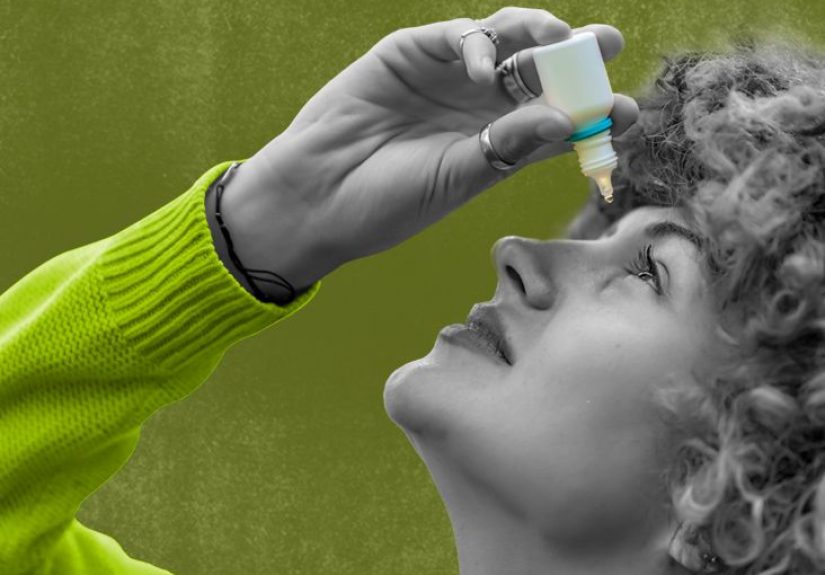
- Pull down the lower lid, look up, and place 1–2 drops (or a small amount of gel) into the pocket.
- Close your eyes gently for 30–60 seconds so the gel can spread.
- If you use multiple eye products, wait a few minutes between them.
- For single-use vials, discard after opening (even if there’s some left).
When Gel Drops Aren’t Enough: Signs You Should See an Eye Doctor
Over-the-counter gels can be very helpful, but they don’t fix every cause of dry eye. Consider professional care if you have:
- Persistent symptoms that don’t improve after trying multiple products
- Eye pain, significant redness, discharge, or swelling
- Vision changes that don’t quickly clear after drops
- Dry eye plus conditions like blepharitis, eyelid inflammation, or suspected meibomian gland issues
- Dryness related to medications or health conditions that may need targeted treatment
Dry eye can be more than “annoying.” It can affect the ocular surface and quality of vision, so if you’re stuck in a cycle of constant discomfort,
it’s worth getting evaluated.
Experiences: What Using Gel Eye Drops Feels Like (And What People Commonly Learn)
Gel eye drops can feel surprisingly different from regular artificial tears, and the first-time experience often comes with two reactions:
“Ahhh, relief” and “Why is my vision mildly foggy like I just walked into a sauna?” That temporary blur is one of the most common surprises.
Many people learn quickly to time gel drops around their day for example, using thinner drops during working hours and saving gel drops for
evenings, reading time, or bedtime.
Another common experience: gel drops can make you realize how dry your environment is. People often report their symptoms are worse in
air-conditioned rooms, heated homes, airplanes, or during long car rides with the vent blasting. Gel drops tend to feel more “protective” in those situations,
because they don’t evaporate as quickly as watery drops. A lot of users end up creating small routines: gel drops before a movie, before a flight,
or before a long gaming session like a pre-workout, but for your corneas.
Many frequent users also notice that packaging changes how convenient the habit feels. Single-use vials are great for sensitive eyes,
but some people find them fiddly, especially when they’re tired. On the other hand, people who use drops often may end up liking vials because they’re
easy to stash in a bag, desk drawer, or bedside basket and they avoid the worry of a bottle tip getting contaminated.
A common “aha” moment is realizing that the best product isn’t just the best formula it’s the one you’ll actually use consistently.
There’s also a learning curve with how much to use. With gels, more is not always better. Overdoing it can make your eyes feel goopy
or blurrier than necessary. Many people do better with one drop, blinking gently, and giving it a minute. If you need a second drop, add it later.
Users often describe gel drops as “longer lasting,” but not magical they still work best when paired with smart habits like taking screen breaks,
blinking intentionally during intense focus, adjusting vents away from your face, and staying hydrated.
Finally, people with recurring dry eye often discover that gel drops are part of a bigger strategy, not a solo hero.
Some find they need different products for different moments: a lighter drop for daytime, a gel for evenings, and something thicker only when symptoms flare.
And if gel drops aren’t cutting it or if dryness is paired with burning, gritty sensation, or eyelid irritation many people eventually benefit from
an eye exam to look for underlying causes and more targeted treatments. In other words: gel drops are excellent tools, but they’re not mind readers.
(If your eyes are mad because your eyelids aren’t producing good oils, gel drops help… but an eye doctor can help you solve the “why.”)
Conclusion
The best gel eye drops are the ones that match your lifestyle and symptoms: a preservative-free vial for frequent use, a liquid gel for day-or-night comfort,
or a thicker nighttime gel for serious dryness. If you’re constantly reapplying watery drops, waking up with scratchy eyes, or feeling irritated after screen time,
a gel formula can provide longer-lasting dry eye relief with the small trade-off of brief blur.
Start with one pick that fits your routine, give it a few days of consistent use, and adjust from there. And if symptoms persist, get evaluated
because your eyes deserve better than living life in “crispy mode.”