Table of Contents >> Show >> Hide
- Why Stink Bugs Keep Invading Homes
- 1. Seal Entry Points Before Stink Bugs Move In
- 2. Use Soapy Water for a Simple, Natural Knockdown
- 3. Vacuum Stink Bugs the Smart Way
- 4. Set a Light Trap for Bugs Already Indoors
- 5. Make the Outside of Your Home Less Attractive
- Common Mistakes That Make a Stink Bug Problem Worse
- A Simple Seasonal Plan That Actually Works
- Do Natural Stink Bug Solutions Really Work?
- Experience: What a Real Stink Bug Season Feels Like in an Actual Home
- Conclusion
- SEO Tags
If stink bugs have turned your windows into a weird little bug convention, you are not alone. Every year, homeowners across the U.S. discover that these shield-shaped party crashers have a special talent for finding the tiniest gap in a wall, screen, vent, or door frame and treating it like an engraved invitation. The good news is that you do not need to turn your home into a chemical fog bank to deal with them. In fact, the most effective long-term stink bug control is usually the least dramatic: block their entry, remove the ones that sneak in, and make your house less inviting in the first place.
This guide breaks down five natural solutions to keep stink bugs away from your home for good, with practical, realistic steps you can actually use. You will also learn why stink bugs show up in the first place, what mistakes make an infestation worse, and how to build a simple prevention routine that works year after year. Think of it as home defense, minus the overkill and plus a little common sense.
Why Stink Bugs Keep Invading Homes
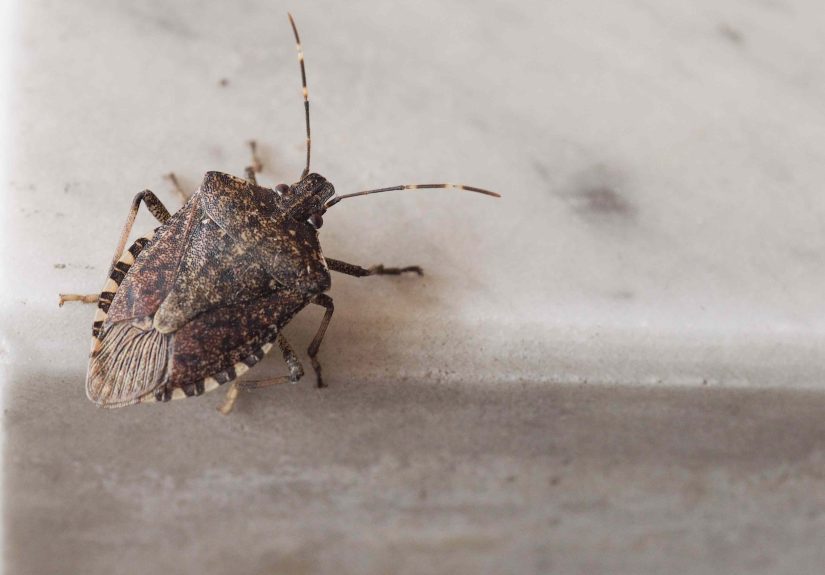
Most homeowners are dealing with the brown marmorated stink bug, an invasive species that becomes a major nuisance in late summer and fall. These bugs are not moving indoors because they are deeply interested in your throw pillows. They are looking for protected places to spend the winter. Warm walls, sunny siding, attic gaps, loose trim, torn screens, and poorly sealed utility openings all look like premium real estate to them.
Here is the part that surprises many people: stink bugs are annoying, but they are not tiny demolition crews. They do not chew wood, they do not nest like termites, and they generally do not reproduce inside the home during winter. Their biggest crime is being everywhere at once and smelling awful when crushed. That means your best strategy is not panic. It is prevention, removal, and consistency.
1. Seal Entry Points Before Stink Bugs Move In
Why this works
Stink bugs usually get inside by crawling through cracks and gaps around windows, doors, siding, rooflines, chimneys, vents, pipe openings, and foundations. If they cannot get in, they cannot become your seasonal roommates. This is the single most important long-term solution and the one pest experts repeat over and over for a reason.
How to do it
Walk around the outside of your home during daylight and inspect it like a suspicious detective in a true-crime series. Look for gaps around window frames, loose weather stripping, worn door sweeps, openings where utility lines enter, tears in screens, and spaces near soffits or fascia. Use silicone or silicone-latex caulk for narrow cracks, weather stripping for drafty windows and doors, and fresh door sweeps where light shows through at the bottom.
Do not forget the sneaky spots. Window-mounted air conditioners, attic vents, chimney caps, and gaps behind siding can be major entry points. Repair damaged screens so they fit tightly, and make sure doors latch fully instead of leaving that tiny little gap stink bugs somehow interpret as a welcome mat.
Best tip: Do this in late summer or early fall, before stink bugs begin searching for overwintering shelter. Once they are already inside the walls, the job gets much more annoying.
2. Use Soapy Water for a Simple, Natural Knockdown
Why this works
When stink bugs are already inside, you want a method that is quick, low-mess, and does not leave behind a chemical residue. A container of soapy water is one of the simplest natural stink bug remedies because it kills the bugs without requiring you to crush them. And crushing them is exactly what you want to avoid unless you are trying to make your room smell like a cilantro-onion argument.
How to do it
Fill a jar, bucket, or straight-sided container with water and a small amount of dish soap. Then gently sweep or knock the bugs into the water using a piece of stiff paper, a whisk broom, or even the edge of the container itself. The soap breaks the surface tension so the bugs sink and drown instead of floating around like they own the place.
This method works especially well for a handful of stink bugs hanging around windows, drapes, lamps, or trim. It is also a good option if you want to avoid the lingering odor that can happen when bugs are smashed by hand.
Best tip: Keep one soapy-water container near problem windows during stink bug season. Convenience matters. If you have to go searching for supplies every time you spot one, the bugs are already winning.
3. Vacuum Stink Bugs the Smart Way
Why this works
When you have more than a couple of bugs, vacuuming is often the fastest way to get control back. It is especially useful for stink bugs clustered on ceilings, walls, attics, blinds, or corners where hand-picking turns into a comedy sketch you did not ask to perform.
How to do it
Use a vacuum with a hose attachment and suck them up gently. For easier cleanup, dedicate a small shop vac or use a disposable bag if your machine has one. Some homeowners also place a knee-high stocking inside the vacuum tube or attachment to catch the bugs before they reach the bag or canister. Once you are done, tie it off and dispose of the bugs outside.
The main downside is odor. Stink bugs can leave a smell inside the vacuum, so do not use your favorite fancy vacuum unless you are emotionally prepared for consequences. A basic utility vacuum is the safer choice during peak season.
Best tip: Vacuuming is best for numbers. Soapy water is best for precision. Use both depending on whether you are dealing with three bugs on a curtain or thirty in the attic.
4. Set a Light Trap for Bugs Already Indoors
Why this works
Stink bugs are attracted to light, which means you can use that habit against them. A homemade light trap is one of the easiest natural pest control tricks for rooms where bugs keep appearing after sunset. It is inexpensive, chemical-free, and surprisingly effective when used the right way.
How to do it
Place a shallow pan, roasting tray, or bowl in a dark room. Add water and a few drops of dish soap. Position a lamp so the light shines into or just above the pan. At night, stink bugs are drawn to the light, drop into the water, and drown.
This method works best in rooms where bugs are already active indoors. It is not magic, and it is not a substitute for sealing entry points, but it can significantly cut down on the number of wandering bugs you find on walls and ceilings.
Be smart about setup. Keep electrical cords away from spills and avoid unstable lamp positions. Practical pest control should not end with an emergency room story.
Best tip: Use light traps in darkened rooms during late winter and early spring too, when hidden stink bugs start waking up and moving toward windows.
5. Make the Outside of Your Home Less Attractive
Why this works
Even a well-sealed house can get pressure from large numbers of stink bugs gathering outside. The goal here is to reduce the conditions that encourage them to cluster on your home in the first place. You are not trying to turn your property into a sterile moon base. You are just trying to stop advertising it as a luxury winter resort.
How to do it
Keep outdoor lighting to a minimum during stink bug season, especially near doors and windows. If you need exterior lighting, use less attractive insect lighting where appropriate and avoid leaving bright porch lights on all night. Stink bugs are also drawn to warm, sunny walls, especially south- and west-facing sides of buildings, so pay close attention to sealing and screening on those exposures.
If you see groups of stink bugs on exterior walls, remove them with a vacuum, sweep them into soapy water, or knock them off with a strong spray of water before they work their way indoors. Also check the exterior for gaps behind trim, loose siding sections, and unprotected vents. Prevention outside reduces surprise appearances inside.
Best tip: Think of your outdoor maintenance as pressure reduction. Fewer bugs gathering outside means fewer opportunities for indoor escape-room success.
Common Mistakes That Make a Stink Bug Problem Worse
- Crushing them on sight: It releases odor and can stain surfaces. Very satisfying in theory, much less satisfying in practice.
- Waiting until winter to seal the house: By then, many bugs are already inside walls, attics, or hidden crevices.
- Relying only on indoor sprays or bug bombs: These rarely solve the root problem and do little to stop new bugs from emerging later.
- Ignoring screens and door sweeps: Tiny openings are all stink bugs need.
- Assuming one treatment fixes everything: Long-term control comes from layered prevention, not a one-time heroic gesture.
A Simple Seasonal Plan That Actually Works
Late Summer
Inspect the exterior of the home. Repair screens, replace worn weather stripping, add door sweeps, and caulk cracks around windows, doors, siding, vents, and utility lines.
Early Fall
Reduce outdoor lighting where possible. Watch sunny exterior walls for clustering bugs. Remove them before they settle in and start finding openings.
Winter
Use soapy water, vacuuming, or light traps for any bugs that emerge indoors on warm days. Do not panic if you keep seeing a few. They may be coming out of hidden overwintering spots inside the structure.
Spring
Keep removing stragglers and note where they seem to appear most often. Those locations usually point to the gaps you need to fix before next fall.
Do Natural Stink Bug Solutions Really Work?
Yes, but only when you use them as a system. Natural solutions work best when they focus on exclusion and physical removal rather than miracle claims. That is why sealing cracks, fixing screens, using soapy water, vacuuming, and setting simple light traps consistently outperform trendy shortcuts. There is no secret potion that makes a badly sealed house invisible to stink bugs. The real answer is much less glamorous and much more effective.
If your stink bug issue is severe every single year, the likely reason is not that the bugs are unusually determined. It is that your home has repeat access points or strong exterior pressure. Find those weak spots, and your results improve dramatically.
Experience: What a Real Stink Bug Season Feels Like in an Actual Home
One of the most useful things homeowners learn about stink bugs is that the experience tends to follow a pattern. At first, it seems random. You spot one on a curtain in September. Then a second one appears near the lamp. A few days later, there is one lazily marching across the ceiling like it pays rent. That is usually the moment people realize this is not a one-bug issue. It is a home-maintenance issue wearing a tiny brown shield.
The next lesson usually comes fast: squishing stink bugs is a terrible plan. Almost everyone tries it once. Almost everyone regrets it immediately. The smell is memorable in the way bad karaoke is memorable. It lingers just long enough to make you rethink every life choice that led to the tissue-and-thumb maneuver. After that, most people quickly become fans of jars, vacuums, and soapy water.
Another common experience is discovering where the bugs really like to appear. For some homes, it is the upstairs south-facing bedroom where afternoon sun warms the siding. In others, it is the attic hatch, the laundry room vent area, or the windows around a garage. That pattern matters. Homeowners who pay attention to those hotspots usually solve the problem faster the next season because they know exactly where to inspect, seal, and reinforce.
Many people also notice that stink bugs seem to show up on warm winter days, which feels confusing at first. You assume the invasion should be over because it is cold outside, but the bugs hidden in walls or attic spaces respond to indoor heat and sunlight. Suddenly, a sunny January afternoon produces a bug parade near the windows. It is annoying, but it does not mean your control plan failed. It usually means some of the fall invaders are finally waking up and heading toward light.
The most encouraging experience, though, is what happens after a homeowner gets serious about prevention. The first year may involve reactive cleanup. The second year, after sealing gaps, replacing screens, and adding door sweeps, the difference can be dramatic. Instead of dozens of bugs, maybe you see a handful. Instead of vacuuming every weekend, you dump a few into soapy water and move on with your life. That is the real win. Not total perfection, but a huge drop in hassle.
And that is probably the most honest takeaway from living through stink bug season: the goal is not to prove you are tougher than an invasive insect. The goal is to make your home inconvenient enough that the bugs look elsewhere. Once homeowners shift from “How do I kill every bug?” to “How do I stop this house from being easy access?” the problem becomes much more manageable. Less drama, fewer odors, and a lot fewer unwelcome guests hanging out on your lampshade like they are judging your decorating choices.
Conclusion
If you want to keep stink bugs away from your home for good, think simple, layered, and consistent. Seal the entry points. Repair screens and door sweeps. Use soapy water or a vacuum for the bugs that get inside. Set a light trap when necessary. Reduce outdoor attraction and exterior bug pressure before peak invasion season. That combination is natural, practical, and far more effective than hoping the problem disappears on its own.
In other words, the best stink bug control plan is not flashy. It is just smart home care with a pest-control bonus. And honestly, that is a lot better than spending another winter sharing your windows with a bug that smells offended by your existence.