Table of Contents >> Show >> Hide
- Why Thicken Sauce Without Flour?
- 1. Reduce the Sauce by Simmering
- 2. Use a Cornstarch, Arrowroot, Tapioca, or Potato Starch Slurry
- 3. Blend in Vegetables, Beans, or Potatoes
- 4. Add Richness with Butter, Cream, Cheese, Coconut Milk, or Egg Yolk
- How to Choose the Best Flour-Free Thickener
- Common Mistakes When Thickening Sauce Without Flour
- Practical Experiences: What I’ve Learned from Thickening Sauces Without Flour
- Conclusion
- SEO Tags
A thin sauce is not a tragedy, but it can feel dramatic when dinner is ready, the pasta is waiting, and your beautiful gravy is acting like soup with ambition. The good news? You do not need flour to rescue it. Whether you are avoiding gluten, ran out of all-purpose flour, or simply want a cleaner, glossier, more flavorful finish, there are several easy ways to thicken sauce without flour.
In this guide, we will cover four simple, practical methods: reducing the sauce, using a starch slurry, blending in vegetables or beans, and finishing with fat or dairy. Each method works a little differently, and the “best” choice depends on what kind of sauce you are making. Tomato sauce loves reduction. Gravy behaves beautifully with cornstarch. Cream sauces enjoy a little cheese, butter, or egg yolk. Soups and stews can become velvety with blended vegetables. In other words, your sauce has options. It is not doomed to live life as flavored puddle water.
Why Thicken Sauce Without Flour?
Flour is a classic thickener, especially in roux-based sauces like béchamel, gumbo, gravy, and cheese sauce. It works because starch granules absorb liquid and swell when heated. But flour is not always the right tool. It can make sauces cloudy, slightly heavy, or pasty if not cooked properly. It also contains gluten, which makes it unsuitable for people who need gluten-free meals.
Flour-free thickening methods can produce different textures. Cornstarch gives a glossy finish. Arrowroot creates shine and works well in acidic sauces. Reduction deepens flavor without adding another ingredient. Pureed vegetables add body, nutrients, and natural sweetness. Butter, cream, cheese, and egg yolks create richness without turning your sauce into edible wallpaper paste.
The secret is choosing the method that matches the sauce. A pan sauce needs speed. A marinara needs patience. A curry may need coconut milk or blended vegetables. A stir-fry sauce wants a quick slurry. Once you understand these four techniques, you can fix nearly any thin sauce with confidenceand maybe a little smug stirring.
1. Reduce the Sauce by Simmering
Best for: tomato sauce, wine sauce, pan sauce, gravy, curry, soups, and stews
Reduction is the simplest way to thicken sauce without flour because it requires no extra thickener at all. You simmer the sauce uncovered so excess water evaporates. As the liquid reduces, the sauce becomes thicker, richer, and more concentrated in flavor.
This method is perfect when your sauce tastes good but feels too loose. For example, if your tomato sauce slides off spaghetti like it is late for a bus, simmer it uncovered for 10 to 20 minutes. Stir occasionally so the bottom does not burn. As moisture evaporates, the sauce will cling better to pasta.
Reduction also works well for wine-based pan sauces. After searing chicken, steak, or mushrooms, you can deglaze the pan with wine, broth, or stock, then simmer until the liquid reduces by about half. The result is a more intense sauce with a silky texture, especially if you finish it with a small knob of butter.
How to reduce sauce properly
Use a wide pan when possible. A wider surface area helps water evaporate faster. Keep the sauce at a steady simmer, not a violent boil. A gentle simmer gives you more control and prevents splattering. Stir often, especially with tomato, cream, or sugar-based sauces, because these can scorch.
Taste as you go. Reduction concentrates everything: salt, spice, sweetness, acidity, and bitterness. A sauce that tastes perfectly seasoned at the beginning may taste too salty after reducing. If you plan to reduce a sauce, season lightly at first and adjust near the end.
Common reduction mistakes
The biggest mistake is cranking up the heat and walking away. High heat may thicken the sauce faster, but it can also burn delicate ingredients or cause dairy-based sauces to separate. Another mistake is covering the pan. A lid traps steam, which slows evaporation. If your goal is thickness, leave the lid off and let the sauce breathe like it is doing hot yoga.
2. Use a Cornstarch, Arrowroot, Tapioca, or Potato Starch Slurry
Best for: gravy, stir-fry sauce, fruit sauce, glossy glazes, soups, and quick pan sauces
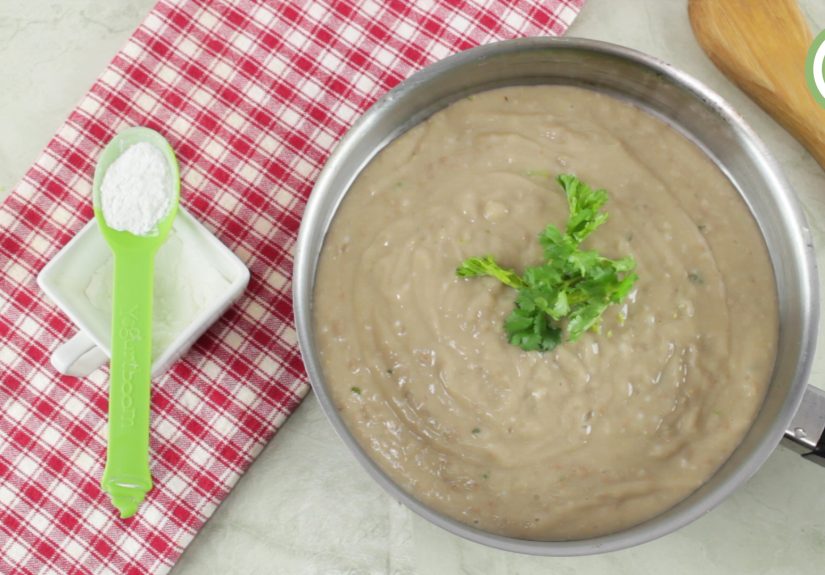
A starch slurry is one of the fastest ways to thicken sauce without flour. A slurry is simply starch mixed with cold liquid before being added to hot sauce. The cold liquid prevents lumps. If you dump dry starch directly into a hot sauce, it may clump instantly, forming tiny dumplings of regret.
Cornstarch is the most common option. It is gluten-free, neutral in flavor, and powerful. A little goes a long way. For a medium-thick sauce, start with 1 tablespoon cornstarch mixed with 1 to 2 tablespoons cold water for every cup of liquid. Whisk until smooth, then stir it into the simmering sauce. Let the sauce bubble gently for about one minute so the starch activates.
How to make a starch slurry
- Add the starch to a small bowl.
- Whisk in cold water, broth, or another cool liquid.
- Stir until completely smooth.
- Pour slowly into the hot sauce while whisking.
- Simmer briefly until the sauce thickens.
Always add slurry gradually. You can thicken a thin sauce, but fixing a sauce that has become too thick is more annoying. Add half the slurry first, stir, wait, and check the texture. If the sauce still looks watery, add more.
Choosing the right starch
Cornstarch is ideal for stir-fries, gravies, and glossy sauces. Arrowroot is excellent for clear, shiny sauces and acidic ingredients such as fruit sauce or lemon-based sauces. Tapioca starch gives a slightly stretchy, glossy texture and works well in fruit fillings and some Asian-style sauces. Potato starch thickens quickly and is useful in soups, stews, and savory sauces, though it can become gummy if overused.
Starches are not identical. Cornstarch can lose strength if cooked too long. Arrowroot is better added near the end and is not always ideal for dairy-heavy sauces. Tapioca can create a slightly elastic texture, which is great in some dishes and weird in others. Potato starch is powerful, so start small unless you want your gravy to stand up and introduce itself.
Quick example: gluten-free gravy
To thicken 2 cups of turkey or chicken gravy without flour, mix 2 tablespoons cornstarch with 3 tablespoons cold broth or water. Bring the gravy to a simmer, whisk in half the slurry, and cook for one minute. Add more slurry only if needed. Finish with black pepper, herbs, or a small pat of butter for extra flavor.
3. Blend in Vegetables, Beans, or Potatoes
Best for: soups, stews, tomato sauce, curry, chili, pasta sauce, and creamy sauces
Pureed vegetables are a smart, flavorful way to thicken sauce without flour. Instead of adding a powdered thickener, you use ingredients that already belong in the dish. This method adds body, improves texture, and often makes the sauce taste more complete.
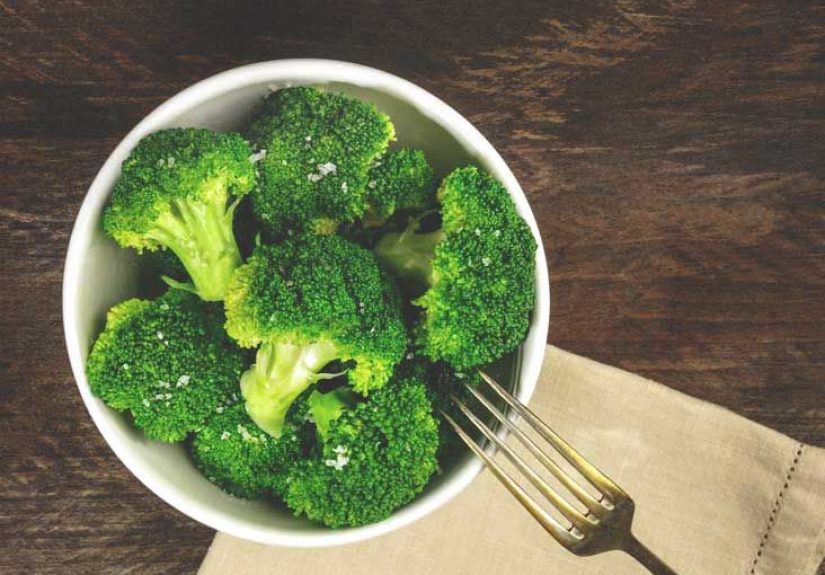
Cooked potatoes, carrots, onions, cauliflower, squash, sweet potatoes, and beans can all help thicken sauce. White beans are especially useful in creamy soups and pasta sauces because they blend smoothly and have a mild flavor. Potatoes add starch and body. Roasted squash gives a velvety texture and natural sweetness. Cauliflower can create a creamy feel without heavy cream.
How to thicken sauce with vegetables
There are two easy approaches. First, remove a cup or two of the sauce, blend it until smooth, and stir it back in. This works beautifully for soups, chili, lentils, and vegetable-heavy sauces. Second, cook a separate vegetable until soft, blend it with a little liquid, and add it to the sauce.
For example, if your tomato sauce is too thin, simmer it with grated carrot, finely chopped onion, or roasted red pepper, then blend part of the sauce. If your curry is watery, blend cooked potato, lentils, or squash into the base. If your creamy soup lacks body, blend in white beans or cauliflower.
Flavor pairings that work
For marinara, try tomato paste, roasted red peppers, onions, carrots, or zucchini. For creamy soups, use white beans, potatoes, cauliflower, or cannellini beans. For curry, use lentils, chickpeas, squash, sweet potato, or coconut cream. For chili, mash some of the beans directly in the pot.
This method is forgiving because it does more than thicken. It also builds flavor. A flour slurry thickens, but it does not make a sauce taste like it spent the afternoon becoming its best self. Blended vegetables can.
Watch the texture
The key is balance. Too much puree can turn a sauce into baby food with confidence issues. Add a little at a time, stir well, and check the texture. If the sauce becomes too thick, loosen it with broth, pasta water, milk, cream, or tomato juice, depending on the recipe.
4. Add Richness with Butter, Cream, Cheese, Coconut Milk, or Egg Yolk
Best for: cream sauce, pan sauce, cheese sauce, pasta sauce, curry, and silky finishing sauces
Sometimes a sauce does not need starch. It needs richness. Fat and protein can make sauces feel thicker by creating body and a smoother mouthfeel. Butter, cream, cheese, coconut milk, and egg yolks can all help turn a thin sauce into something luxurious.
Butter is excellent for finishing pan sauces. Once the sauce has reduced slightly, turn the heat to low and whisk in cold butter one small piece at a time. This creates a glossy, silky texture. The French have been doing this for ages, which is why their sauces often taste like they know secrets.
Using cream or coconut milk
Heavy cream thickens as it simmers and adds a rich texture to pasta sauces, soups, and pan sauces. Coconut milk works similarly in curries, dairy-free cream sauces, and tropical-style dishes. Use full-fat coconut milk when you want body. Light coconut milk can help with flavor, but it will not thicken as dramatically.
Add cream or coconut milk slowly and simmer gently. Avoid hard boiling, especially with dairy, because high heat can cause separation. If the sauce is acidic, add dairy near the end and keep the heat moderate.
Using cheese
Cheese can thicken sauces while adding flavor. Parmesan, cheddar, cream cheese, goat cheese, and mascarpone all work in different dishes. Add cheese off the heat or over low heat, and stir until melted. Pre-shredded cheese may contain anti-caking agents, so freshly grated cheese often melts more smoothly.
For pasta sauce, reserve a little pasta water before draining the noodles. The starch in pasta water helps cheese and fat emulsify, creating a sauce that clings beautifully. Toss the pasta with sauce, cheese, and a splash of pasta water until glossy.
Using egg yolk safely and smoothly
Egg yolks can thicken sauces such as custards, carbonara-style sauces, and some creamy soups. The trick is tempering. Whisk the yolk in a bowl, slowly add a little hot sauce while whisking, then stir the warmed yolk mixture back into the pan over low heat. Do not boil it, or the yolk may scramble. Delicious? Maybe. Smooth sauce? Absolutely not.
How to Choose the Best Flour-Free Thickener
The best method depends on your sauce, your timeline, and the flavor you want. If you have time and want stronger flavor, reduce the sauce. If you need a fast fix, use a slurry. If you want more nutrition and natural body, blend vegetables or beans. If the sauce tastes thin as well as watery, add richness with butter, cream, cheese, coconut milk, or egg yolk.
| Method | Best For | Main Benefit | Watch Out For |
|---|---|---|---|
| Reduction | Tomato sauce, pan sauce, gravy | Concentrates flavor | Can make sauce too salty |
| Starch slurry | Gravy, stir-fry, glaze | Fast and reliable | Can clump if not mixed cold first |
| Vegetable or bean puree | Soups, curry, chili, pasta sauce | Adds body and flavor | Can become too thick if overused |
| Fat, dairy, or egg yolk | Cream sauce, pan sauce, pasta sauce | Creates richness and silkiness | Can separate over high heat |
Common Mistakes When Thickening Sauce Without Flour
Adding too much thickener at once
Thickening sauce is easier when you sneak up on the texture. Add a little, stir, simmer, and check. Sauces often continue to thicken as they cool, so stop slightly before they look perfect on the stove.
Forgetting to season at the end
Thickening changes flavor. Reduction intensifies salt. Cream softens acidity. Beans can mellow spices. Always taste after thickening and adjust with salt, pepper, herbs, acid, or a tiny pinch of sugar if needed.
Boiling delicate sauces
Cream, cheese, butter, and egg yolk prefer gentle heat. High heat can split the sauce, leaving it oily or grainy. If your sauce contains dairy or eggs, keep the heat low and stir patiently.
Using the wrong thickener for the dish
Cornstarch is great in stir-fry sauce, but it may not be the best choice for a rustic tomato sauce. Butter makes a pan sauce shine, but it will not fix a gallon of watery soup by itself. Match the method to the meal.
Practical Experiences: What I’ve Learned from Thickening Sauces Without Flour
After enough kitchen experiments, one lesson becomes obvious: sauce has moods. Some sauces thicken politely. Others behave like toddlers near bedtime. The trick is not forcing one technique onto every recipe. A watery tomato sauce usually needs time, not panic. A thin stir-fry sauce needs a quick slurry, not 25 minutes of simmering that turns the vegetables sad. A cream sauce needs gentle heat, not a bubbling volcano.
My favorite no-flour rescue is reduction because it improves flavor while fixing texture. I have saved many tomato sauces by simply removing the lid and letting the pot simmer while I clean the kitchen. Ten minutes later, the sauce looks darker, tastes sweeter, and clings to pasta instead of sliding into the bottom of the bowl. The only catch is seasoning. If the sauce is already salty, reduction can push it over the edge. Now I season lightly before reducing and finish with salt only at the end.
Cornstarch slurry is the emergency button. It is not glamorous, but it works fast. I use it for gravy, stir-fry sauces, and quick glazes. The important habit is mixing the starch with cold liquid first. I once added cornstarch directly to hot sauce and created tiny white lumps that looked like confused rice. Never again. A smooth slurry is the difference between “nice glossy sauce” and “what happened in this pan?”
Blended vegetables are the method I use when I want a sauce to feel homemade and hearty. In chili, I mash a scoop of beans against the side of the pot and stir them back in. In soup, I blend a portion and return it to the pot. For pasta sauce, roasted peppers or carrots can add body without making the dish taste heavy. This method is especially useful when cooking for people who claim they “do not like vegetables” while happily eating vegetables disguised as sauce. Culinary camouflage is real.
Butter and cheese are my finishing tools. A small amount of cold butter whisked into a reduced pan sauce can make it look restaurant-level in under a minute. Parmesan with pasta water can turn a simple sauce into something glossy and clingy. The key is restraint. Too much cheese can make a sauce salty or stringy, and too much butter can make it greasy. Add slowly, stir well, and stop when the sauce looks smooth and tastes balanced.
The biggest experience-based tip is this: do not judge sauce too early. Hot sauce often looks thinner than it will be on the plate. Let it simmer, stir, and rest for a minute before deciding it needs more thickener. Many sauces tighten slightly as they cool. If you keep adding starch or puree too quickly, you may end up with something closer to dip than sauce. Not always bad, but definitely not what you planned.
Another useful habit is keeping backup ingredients nearby. Cornstarch, arrowroot, tomato paste, canned beans, potatoes, coconut milk, Parmesan, and butter can solve most sauce problems. With these in the kitchen, flour becomes optional. You can thicken gluten-free gravy, rescue watery curry, improve soup texture, and make glossy stir-fry sauce without breaking a sweat.
In the end, thickening sauce without flour is not a compromise. Sometimes it is actually better. You get brighter flavor from reduction, shine from starches, body from vegetables, and richness from fats or dairy. Flour has its place, but it is not the only hero in the pantry. Sometimes the best sauce fix is already simmering, waiting, or hiding in a can of white beans.
Conclusion
Learning how to thicken sauce without flour gives you more control in the kitchen. Instead of relying on one ingredient, you can choose the right technique for the dish. Reduce sauces when you want deeper flavor. Use a starch slurry when you need fast thickening. Blend vegetables or beans when you want body and nutrition. Finish with butter, cream, cheese, coconut milk, or egg yolk when the sauce needs richness and a silky texture.
The next time your sauce looks too thin, do not panic. It is not ruined. It is simply asking for a little attention, a little heat, and maybe a spoonful of slurry. With these four simple methods, you can turn watery sauce into something smooth, glossy, flavorful, and ready to cling proudly to pasta, meat, vegetables, rice, or whatever lucky food is waiting on the plate.
SEO Tags
Note: This article is written for general home-cooking guidance and is based on widely used sauce-thickening techniques from reputable U.S. culinary and food education sources.