Table of Contents >> Show >> Hide
- What Great Curb Appeal Actually Is (Hint: It’s Not “More Stuff”)
- 37 Curb Appeal Ideas That Make Your Front Yard Pop
- Quick Wins (1–12): Big Impact, Low Drama
- 1) Power-wash the “grime filter” off everything
- 2) Paint (or refresh) the front door
- 3) Upgrade house numbers so people can actually find you
- 4) Swap the doormat for one that isn’t… tired
- 5) Add two matching planters at the entry
- 6) Replace the porch light with something architectural
- 7) Update the mailbox (and its post)
- 8) Edge the lawn like you mean it
- 9) Refresh mulch for an instant “finished” look
- 10) Prune shrubs so your house can breathe
- 11) Fix the tiny “broken” things buyers notice
- 12) Hide or organize the visual clutter
- Weekend Upgrades (13–24): Noticeably Nicer, Still DIY-Friendly
- 13) Add path lighting that guides the eye
- 14) Plant in layers: tall + medium + low
- 15) Use “thrill, fill, spill” in containers
- 16) Add window boxes for instant charm
- 17) Introduce “structure plants” like boxwood or ornamental grasses
- 18) Choose a few reliable, crowd-pleasing plants
- 19) Create a defined border with stone or metal edging
- 20) Refresh or paint the porch floor
- 21) Replace dated hardware: knocker, handle, kick plate
- 22) Paint trim for crisp contrast
- 23) Give the garage door a glow-up
- 24) Upgrade your walkway’s “arrival moment”
- Bigger Moves (25–37): When You Want the Neighborhood to Whisper “Wow”
- 25) Add a small tree for scale and shade
- 26) Build a “landing zone” near the front door
- 27) Create a focal path with pavers or stepping stones
- 28) Install landscape lighting that highlights key features
- 29) Add a simple arbor or trellis to frame the entry
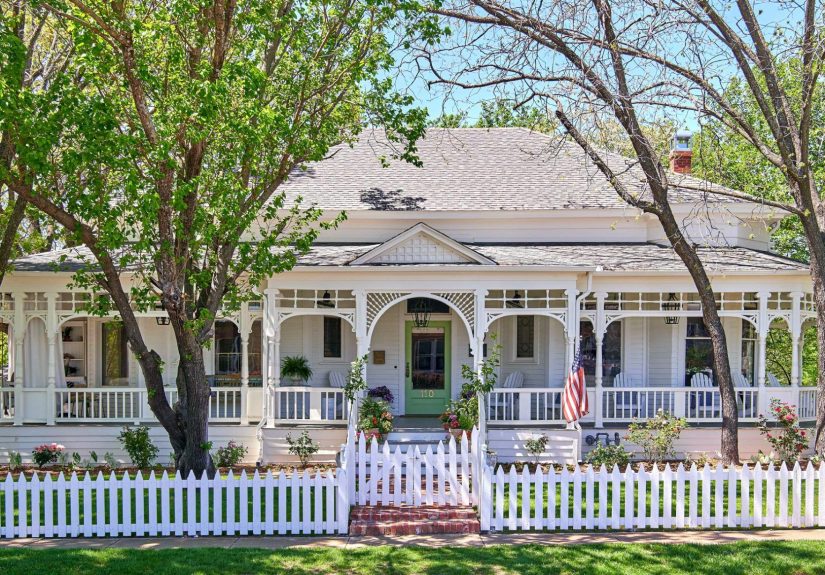
- 30) Upgrade fencing or add a small gate
- 31) Rework beds so they match the house’s scale
- 32) Consider a native-plant refresh for lower maintenance
- 33) Add a defined driveway edge (or widen the visual boundary)
- 34) Install an irrigation system (or at least improve watering)
- 35) Commit to regular tree care
- 36) Add a patio or small sitting area in view of the entry
- 37) Maintain the lawn like it’s your home’s red carpet
- Front-Yard “Don’ts” That Quietly Wreck Curb Appeal
- Real-World Experiences: What Homeowners Learn During a Front-Yard Glow-Up (About )
- Wrap-Up: Your “Best Yard on the Block” Game Plan
Your front yard is basically your home’s handshake. It’s the first thing friends notice, the first thing delivery drivers judge
(silently, but intensely), and the first thing potential buyers remember. The good news: curb appeal isn’t one giant makeover.
It’s a series of smart, visible tweakssome you can knock out in an afternoon, others worth a weekend, and a few that feel like
a “save-up-and-do-it-right” kind of flex.
And yes, it really matters. Real estate pros consistently push sellers to polish the exterior before listing, because buyers form
opinions fastoften before they ever step inside.[1] So let’s turn your front yard into the neighborhood’s
main character… without turning your wallet into a victim.
What Great Curb Appeal Actually Is (Hint: It’s Not “More Stuff”)
The best-looking front yards usually share three traits: clean lines (nothing looks accidental),
healthy plants (even if they’re low-maintenance), and clear focal points (a door, a path,
a porch moment). Think “welcoming” and “cared for,” not “outdoor flea market.”
37 Curb Appeal Ideas That Make Your Front Yard Pop
Quick Wins (1–12): Big Impact, Low Drama
1) Power-wash the “grime filter” off everything
Siding, steps, driveway, walkwayyears of dirt dull your home like a bad Instagram filter. A good wash instantly sharpens the
whole scene and makes every other upgrade look more expensive.[7]
2) Paint (or refresh) the front door
A freshly painted door is curb appeal’s cheat code: quick, noticeable, and surprisingly mood-lifting. Pick a color that fits
your home’s styleclassic if you want timeless, bold if you want “hello, I have personality.”[3]
3) Upgrade house numbers so people can actually find you
Crisp, high-contrast numbers read as “modern and maintained.” Bonus: emergency services and DoorDash both approve.
Mount them where lighting hits, not where shrubs eat them.[7]
4) Swap the doormat for one that isn’t… tired
If your mat looks like it fought a bear and lost, replace it. A simple, clean mat signals “welcome” instead of
“abandon hope, all ye who enter.”[11]
5) Add two matching planters at the entry
Symmetry makes a home feel intentional. Use two substantial pots (not tiny ones that look lost), and plant something with
structurelike a compact evergreenplus seasonal color for easy rotation.[3]
6) Replace the porch light with something architectural
Lighting is jewelry for your house. A fixture that matches your home’s style (farmhouse, modern, traditional) adds polish
day and nightand makes the entry feel safer, too.[0]
7) Update the mailbox (and its post)
A wobbly, faded mailbox screams “we’ll get to it someday.” A clean, sturdy mailbox and post is a small change that reads
instantly from the street.[7]
8) Edge the lawn like you mean it
Crisp edging is the haircut of landscaping: suddenly everything looks cleaner. Define the border between lawn and beds, and
keep the curve simplegentle lines look more upscale than zigzags.[0]
9) Refresh mulch for an instant “finished” look
Fresh mulch makes plants look healthier and beds look intentional. Keep color consistent across the yard (one mulch tone,
not a patchwork quilt).[2]
10) Prune shrubs so your house can breathe
Overgrown bushes hiding windows make your home feel smaller and darker. Trim for shape and visibilitythink “framed,” not
“swallowed.”[5]
11) Fix the tiny “broken” things buyers notice
Loose railings, cracked steps, chipped trim, missing fence picketsthese are curb appeal villains. Even if they’re minor,
they whisper “what else was neglected?”[5]
12) Hide or organize the visual clutter
Hoses, toys, random pots, and mystery buckets should not star in your front-yard storyline. Use a storage bench, a screened
area, or a simple shedclean sightlines read as calm and cared-for.[5]
Weekend Upgrades (13–24): Noticeably Nicer, Still DIY-Friendly
13) Add path lighting that guides the eye
Soft lights along a walkway improve safety and make the entry feel welcoming. Solar is easy; low-voltage looks more
polished. Either way, aim for a consistent rhythmnot landing-strip brightness.[1]
14) Plant in layers: tall + medium + low
Great beds aren’t a row of identical shrubs. Add height (small tree or tall grass), mid-level (flowering shrubs),
and low edging plants to create depth.[10]
15) Use “thrill, fill, spill” in containers
One tall focal plant (thrill), a mounding filler, and something that trails (spill). It’s a simple formula that makes
planters look designerno art degree required.[14]
16) Add window boxes for instant charm
Window boxes are the exterior equivalent of mascara: small, fast, dramatic. Keep them proportional, and plant with
trailing greenery for softness.[3]
17) Introduce “structure plants” like boxwood or ornamental grasses
Structure plants provide year-round shape. Boxwoods add tidy formality; ornamental grasses add texture and movement
both are curb-appeal MVPs when used consistently.[4]
18) Choose a few reliable, crowd-pleasing plants
Hydrangeas, lavender, daylilies, hostas, and lilacs are popular for a reason: strong presence, recognizable beauty,
and (often) manageable upkeep in many climates.[4]
19) Create a defined border with stone or metal edging
Edging separates lawn from beds and stops mulch from wandering. Stone feels classic; metal feels modern. Either way,
it creates that “professional install” vibe.[9]
20) Refresh or paint the porch floor
If your porch is scuffed, a coat of porch paint (or stain) can make it look new. Choose a color that complements the door,
and add a durable outdoor rug for softness.[11]
21) Replace dated hardware: knocker, handle, kick plate
Matching metals look intentional. A modern handle set, a simple knocker, or an upgraded doorbell can update the entry
without changing the whole door.[15]
22) Paint trim for crisp contrast
Fresh trim paint makes windows and rooflines look sharper. It’s also a sneaky way to make older homes feel “restored,”
not “old.” Keep sheen consistent (often satin works well outside).[0]
23) Give the garage door a glow-up
If the garage faces the street, it’s a major visual. Paint it to blend (so the front door stays the star), or add
decorative hardware for charactersubtle is usually best.[11]
24) Upgrade your walkway’s “arrival moment”
A clean, defined path helps visitors feel guided and welcome. If replacement isn’t in the budget, repair cracks,
re-level pavers, and add edging plus lighting for a finished look.[12]
Bigger Moves (25–37): When You Want the Neighborhood to Whisper “Wow”
25) Add a small tree for scale and shade
A well-placed tree softens the house, adds depth, and can make the whole yard feel established. Choose a variety that fits
your region and won’t bully your foundation later.[13]
26) Build a “landing zone” near the front door
Think of it as an outdoor foyer: a small terrace, widened stoop, or seating nook that feels intentionally welcoming.
Even a pair of chairs and a side table can create that vibe.[16]
27) Create a focal path with pavers or stepping stones
A paver path looks upgraded and keeps feet out of the lawn. Keep the route direct and comfortableno one wants to
“solve a maze” just to ring the bell.[11]
28) Install landscape lighting that highlights key features
Uplight a tree, wash a textured wall, or spotlight an entry plant. The goal is gentle drama, not stadium glare.
Smart lighting can add convenience and security, too.[8]
29) Add a simple arbor or trellis to frame the entry
A vertical structure instantly adds architecture to a flat facade. Pair it with climbing plants (or trained vines) for a
classic “storybook” touchwithout going full fairytale overload.[12]
30) Upgrade fencing or add a small gate
A clean fence line makes a yard feel intentional and private. If a full fence is too much, a short decorative section
near the entry can still define space and add charm.[11]
31) Rework beds so they match the house’s scale
Tiny beds against a large facade look like afterthoughts. Slightly deeper beds with layered planting make the home feel
anchored. You don’t need more plantsjust better proportion.[13]
32) Consider a native-plant refresh for lower maintenance
Native plants can look lush while using less water and supporting local pollinators. Designers increasingly lean into
natural materials and native-forward landscaping for a timeless exterior.[6]
33) Add a defined driveway edge (or widen the visual boundary)
Gravel strips, paver borders, or clean edging makes a driveway look finished. Pair with low plantings to soften hardscape,
and keep weeds out for instant “managed” energy.[11]
34) Install an irrigation system (or at least improve watering)
Healthy landscaping requires consistent water. If you’re serious about keeping plants thriving, drip irrigation can be a
game-changerespecially in hot or dry regions.[2]
35) Commit to regular tree care
Healthy trees boost beauty and safety; neglected trees scare people (and roofs). Prune thoughtfully, remove dead limbs, and
keep canopies balanced so the home stays visible and bright.[2]
36) Add a patio or small sitting area in view of the entry
Even a modest front seating space can feel friendly and “lived in.” Keep it simple: a bench, two chairs, and a side table.
Bonus points for a shaded corner that looks intentional year-round.[16]
37) Maintain the lawn like it’s your home’s red carpet
You don’t need golf-course perfectionbut you do need consistent mowing, trimmed edges, and fewer bare spots.
Basic lawn care and maintenance are among the most commonly recommended outdoor pre-sale improvements.[2]
Front-Yard “Don’ts” That Quietly Wreck Curb Appeal
- Don’t let clutter live out front: storage belongs behind a screen or in a shed.[5]
- Don’t go too polarizing: ultra-weird decor can distract from the home (and not in a good way).[5]
- Don’t ignore maintenance: chipped paint and broken steps read as bigger problems.[5]
- Don’t plant “randomly”: repetition (same plant in a few places) looks designer, not chaotic.[13]
Real-World Experiences: What Homeowners Learn During a Front-Yard Glow-Up (About )
If you’ve ever watched someone tackle curb appeal, there’s a predictable emotional arc: excitement, a brief flirtation with
over-buying plants, a moment of “why is mulch heavier than my future,” and finally, the satisfying realization that the house
looks newer even though it’s the same house. Based on patterns that show up again and again in homeowner case studies and
real estate prep advice, here are the lessons people tend to learn the fun way (aka after doing it once).
Lesson #1: The yard doesn’t need more featuresit needs a clearer plan. Many front yards look “meh” because
the elements don’t relate to each other: one lonely shrub here, three different mulch colors there, and a walkway that
disappears into the lawn like it’s shy. The moment you repeat materials (one mulch type, one edging style, one metal finish),
the yard stops feeling accidental and starts feeling designed. Homeowners are often shocked at how far “consistency” goes,
especially when the budget is tight.
Lesson #2: The entry should win the attention contest. In front-yard makeovers, the biggest mistake is
letting the garage door or a busy garden steal the spotlight. People who get the best results treat the front door like the
headline: they paint it, upgrade the light fixture, add readable house numbers, and flank it with planters. Then, everything
else supports that momentpath lighting guides you there, beds frame it, and clutter gets moved out of sight. When the entry
looks welcoming, the whole home feels friendlier.
Lesson #3: A “little maintenance” beats a “big project” more often than you’d think. The most dramatic before-and-after
photos often start with unglamorous fixes: pruning, weeding, pressure washing, and repairing small damage. Once the basics are handled,
even inexpensive upgrades look high-end. In fact, real estate guidance repeatedly emphasizes repairs and cleaning first because they remove
doubtbuyers (and neighbors) stop looking for what’s wrong and start noticing what’s right.
Lesson #4: Plants behave like toddlerschoose the ones that fit your lifestyle. A front yard can’t be “high curb appeal”
if it’s also “high regret.” People who win the long game pick a few reliable plants that suit their climate, then add seasonal color in
containers so the yard can change without constant replanting. They also learn to love structure plants: evergreens, tidy shrubs, and
ornamental grasses create a baseline that looks good even when flowers take a day off.
Lesson #5: Lighting is the glow-up nobody expects. Homeowners often focus on daytime photos, then realize their house
disappears at night. A few well-placed lightsporch fixture, path lights, a gentle uplight on a treeadds warmth and safety and makes the
home feel “open” after sunset. The best part? Lighting makes every other upgrade look better, like the yard is being politely highlighted
for its efforts.
Wrap-Up: Your “Best Yard on the Block” Game Plan
Start with cleaning and repairs. Then upgrade the entry (door, light, numbers, planters). After that, sharpen the landscaping with edging,
mulch, and layered planting. Finally, add lighting and one “wow” elementan arbor, a seating nook, a refreshed walkway. Do it in phases,
and you’ll get curb appeal momentum without burnout.