Table of Contents >> Show >> Hide
- The Designer Formula: Make It Useful, Then Make It Beautiful
- Start With the Table: Size and Placement Matter More Than People Admit
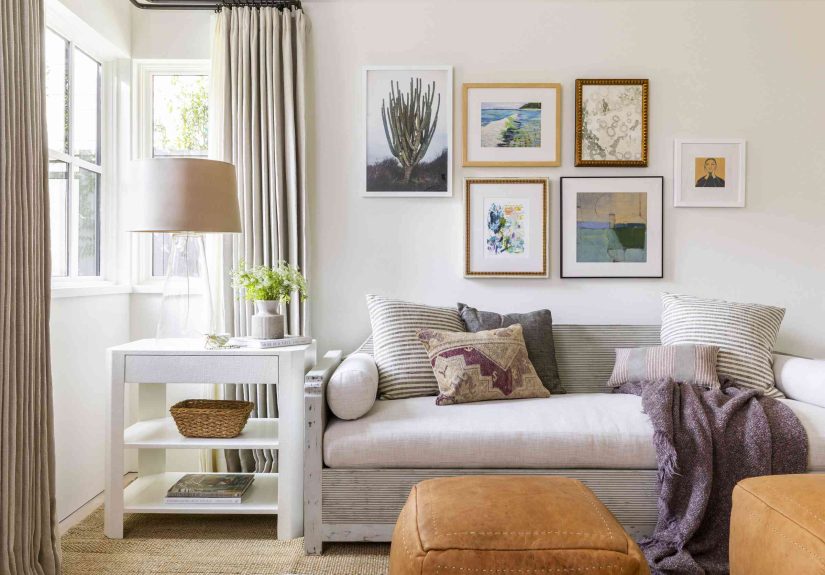
- 35 Ideas to Decorate a Side Table Like an Interior Designer
- Designer “Do Not Do This” Mistakes (That Everyone Does Once)
- Room-by-Room Side Table Styling Recipes
- Field Notes: of Side Table Styling Experiences (What Actually Works)
Side tables are the overachievers of home decor: small footprint, big responsibility. They hold your coffee, hide your
remotes (in theory), and quietly tell guests whether you live in a “cozy, curated home” or a “modern archaeology site”
made entirely of receipts and charging cables.
The good news: decorating a side table like an interior designer isn’t about buying 17 tiny sculptures and a candle
named after a Scandinavian vowel. It’s about smart scale, simple layers, and a few
functional pieces that look intentional. Below, you’ll get a designer-style framework (so your decor doesn’t feel random),
plus 35 side table decor ideas you can mix-and-match for the living room, bedroom, entry, office, and beyond.
The Designer Formula: Make It Useful, Then Make It Beautiful
Interior designers style side tables with a plan. They’re not just placing “cute objects.” They’re solving for
function (what you actually need within arm’s reach) and composition (how it looks from across the room).
Use this simple formula as your shortcut:
- One anchor (tall): lamp, vase with branches, or a sculptural object.
- One support (medium): a stack of books, a tray, or a bowl.
- One “life/personal” piece (small): greenery, a framed photo, a candle, or a meaningful object.
- One functional item: coasters, catchall dish, tissues, or a lidded box for “stuff.”
- Negative space: yes, empty space counts as decor. It makes everything look more expensive.
If you take nothing else from this article, take this: vary the heights, mix textures,
and leave room to set down a drink. That’s the difference between “styled” and “why is this table yelling at me?”
Start With the Table: Size and Placement Matter More Than People Admit
Before you decorate, make sure your side table is actually helping. A gorgeous vignette won’t save a table that’s awkwardly
tall, too deep, or placed where you have to do a yoga twist to reach it.
Quick measuring guidelines (designer-approved vibes)
- Height: aim for the tabletop to be roughly level with the sofa/chair arm (give or take a couple inches).
- Depth: don’t let the table stick out farther than the seating next to itespecially in tight walkways.
- Surface area: small table = fewer, larger pieces. Big table = more room for layers (but still not clutter).
Once the table is sized right, decorating it becomes easybecause you’re styling a helpful little landing zone, not
trying to accessorize a mistake.
35 Ideas to Decorate a Side Table Like an Interior Designer
Use these ideas as building blocks. You don’t need all 35 at once (unless you’re styling a side table for a museum exhibit
called “Objects I Panic-Bought at Home Stores”). Pick 3–6 ideas that fit your room and your real life.
- Corral small items with a tray. A tray instantly makes loose pieces feel intentionallike the table has a plan.
- Stack two or three books (then top them). Books add height and a flat platform for a candle, bead strand, or small vase.
- Use a lamp as your “anchor.” A lamp adds height, polish, and warm lightthree wins, one object.
- Choose a lamp shade that flatters the room. A lighter shade softens the look; a darker shade can add drama (and hide dustrespect).
- Add a coaster set that doesn’t look like an afterthought. Stone, wood, leather, or woven coasters keep the table guest-ready.
- Place a catchall dish for tiny essentials. Rings, earbuds, spare key, random buttongive them a home.
- Bring in a small vase with fresh flowers. Even a single stem looks designer when the vase is the right scale.
- Try greenery instead of flowers. A small plant, clipped eucalyptus, or a leafy stem reads fresh and low-maintenance.
- Use a sculptural object as “art in 3D.” Think stone, ceramic, metal, or woodsomething with shape and presence.
- Layer textures on purpose. Combine glass + ceramic + woven + metal so the table looks collected, not matchy-matchy.
- Go monochrome for a calm, high-end look. Keep most objects within the same color family and vary texture instead.
- Add one punchy color accent. One bold piece (a lacquer box, a bright vase) keeps the vignette from feeling sleepy.
- Use a candle for instant atmosphere. Bonus points if it’s on a small plate or coaster so wax doesn’t become “permanent decor.”
- Include matches in a chic container. Functional styling is the secret saucepretty, but also useful.
- Try a reed diffuser when candles aren’t practical. Great for homes with pets, kids, or “I forgot the candle was lit” energy.
- Display a framed photoone, not twelve. Keep it simple so it feels curated, not like a family reunion RSVP table.
- Use a small clock for bedside or office tables. It reads intentional and keeps you from checking your phone 900 times.
- Add a lidded box to hide clutter. Remote controls, chargers, lip balmstore the chaos, keep the style.
- Hide charging with a handsome solution. A compact charging station or cord box prevents the “octopus cable situation.”
- Introduce an organic element (wood, stone, shell, rattan). Natural materials warm up modern rooms fast.
- Use a bowl as a “soft tray.” A shallow bowl can hold keys, candies, or spare change without looking fussy.
- Create a mini “reading moment.” One great book, a bookmark, and a warm lamp says: “I relax here.”
- Style with odd numbers (especially three). It’s a simple composition trick that makes displays feel effortless.
- Mix heights on purpose. Aim for tall/medium/low so the eye moves around and nothing feels flat.
- Leave breathing room. Empty space is what makes the “styled” pieces look important.
- Repeat a shape from the room. Curvy sofa? Add a rounded bowl. Lots of angles? Use a geometric tray. Cohesion, unlocked.
- Repeat a finish from nearby furniture. Echo brass, black, or wood tones so the table looks like it belongs.
- Use a small sculpture instead of “generic decor.” Even a quirky object works if it’s intentional and balanced.
- Try a seasonal swap that’s subtle. Spring: tulips. Fall: a small branch. Winter: evergreen. Keep it minimal, not theme-park.
- Go symmetrical when you want calm. Matching lamps or similar shapes on two side tables creates a polished, hotel-like feel.
- Go mismatched when you want character. Different tables can still feel balanced if the heights and visual weight relate.
- Use nesting tables for flexibility. Pull one out for drinks when guests arrive; tuck it back when life returns to normal.
- Turn the lower shelf into functional storage (if you have one). Baskets for throws, a couple books, or a decorative box keeps it tidy.
- Style a side table as a tiny bar moment. A tray + a rocks glass + a pretty bottle (or two) can look grown-up and fun.
- Place a side table somewhere unexpected. Bathroom corner, entry landing zone, or beside a reading chairsmall tables shine everywhere.
Designer “Do Not Do This” Mistakes (That Everyone Does Once)
- Too many tiny items: lots of small pieces read clutter. Swap in fewer, bigger items.
- Everything the same height: flat styling feels accidental. Add height variation (lamp, vase, stacked books).
- No function at all: if you can’t set down a drink, the table becomes a fragile museum display.
- Cords everywhere: visible cables break the illusion. Use cord clips, a basket, or a lidded box.
- Ignoring the room’s palette: if the side table is a random color party, it will look “added,” not “designed.”
- Over-accessorizing both side tables the same way: match the vibe, not the exact items, unless you want full symmetry.
Room-by-Room Side Table Styling Recipes
Living room end table (daily life friendly)
Try: lamp (anchor) + tray (structure) + coasters (function) + small plant (life) + one book (personality).
Leave a clear spot for drinks, snacks, and the occasional dramatic sigh.
Bedroom nightstand (sleep-first, pretty-second)
Try: lamp + small catchall + book + lidded box for “un-glamorous” items. Keep the surface calmer than the group chat.
Entryway side table (landing zone energy)
Try: bowl or tray for keys + small lamp + a vase with stems + a basket underneath for hats and gloves.
It’s like giving your future self a gift every time you come home.
Home office side table (work mode, but make it cute)
Try: small lamp + a tray for sticky notes and pens + a plant + one inspiring object. Keep it tidy so your brain can pretend it’s organized, too.
Bathroom side table (spa vibes on a budget)
Try: tray with a candle or diffuser + rolled hand towels + a small plant. Use a lidded jar for cotton pads so it doesn’t feel like a pharmacy shelf.
Field Notes: of Side Table Styling Experiences (What Actually Works)
The most useful thing I’ve learned about side table decor is that the “perfect” setup depends on what kind of human lives there.
In a tiny apartment, a side table has to do triple duty: it’s a drink stand, a charging station, a snack runway, and sometimes a desk when the couch
becomes your office. In that situation, the best styling trick isn’t adding more decorit’s choosing a tray that can move. When you need the
surface, you lift the tray (with candle, matches, coasters, and all) and set it somewhere else. Instant reset, zero drama.
In homes with kids or pets, the “designer” move is to style safer, not sparklier. Skip wobbly stacks and fragile tiny objects. Use one heavier lamp,
a low bowl, and a lidded box that can swallow small messes fast. One family I’ve seen nail this kept a gorgeous box on the end table that held remotes,
game controllers, and chargers. The table always looked clean, and the box made the chaos feel… curated. (It was still chaos. It just had a lid.)
Another real-world win: styling for how you move through the room. If you’re always sitting in one specific seat, that’s where the
functional pieces should livecoasters, tissues, a reading light. Meanwhile, the other side table can be more decorative, because it isn’t getting used
every five minutes. Designers do this all the time: one table carries the workload, the other carries the vibe.
I also see people overbuy decor because they think “more stuff” equals “more style.” Usually, the opposite is true. When someone swaps five little
knickknacks for one sculptural vase and a single candle, the whole room looks calmer and more expensive. It’s not magic. It’s visual hierarchy:
give the eye one or two heroes, then let everything else support them.
Finally, the most designer-looking side tables are the ones that feel personal. A small travel memento, a weird-but-loved object, a book you’re
actually readingthose pieces are what make the setup feel like a home, not a showroom. If your side table can handle real life and
look intentional, you’ve done it. That’s the goal: a little beauty, a little function, and enough open space to put down your coffee without negotiating
with a candle.