Table of Contents >> Show >> Hide
- Why These Healthy Food Tricks Actually Work
- 30 Ingenious Ways Parents Got Kids to Eat Healthier
- 1. Blend Veggies Into Smoothies
- 2. Rename Foods Something Ridiculous
- 3. Hide Cauliflower in Mac and Cheese
- 4. Make Muffins With Zucchini or Carrots
- 5. Use Dips Like They Are a Diplomatic Tool
- 6. Turn Meals Into Finger Food
- 7. Let Kids Choose Between Two Healthy Options
- 8. Add Fruit to Breakfast Without Making a Big Deal About It
- 9. Build “Snack Boards” Instead of Serving a Plate
- 10. Add Grated Vegetables to Pasta Sauce
- 11. Freeze Yogurt and Fruit Into Popsicles
- 12. Use Cookie Cutters on Sandwiches and Fruit
- 13. Mix Beans Into Familiar Foods
- 14. Let Kids Help Make the Food
- 15. Put Veggies First When Kids Are Hungry
- 16. Add Sweet Potato to Baked Goods
- 17. Use “Build Your Own” Meals
- 18. Make Soup Less Obviously Soupy
- 19. Pair New Foods With Favorites
- 20. Add Chopped Veggies to Eggs
- 21. Use Smooth Nut or Seed Butters With Fruit
- 22. Roast Vegetables Until They Taste Better
- 23. Sneak Extra Nutrition Into Mashed Potatoes
- 24. Use Whole-Grain Swaps Quietly
- 25. Make “Dessert” Chia Pudding or Yogurt Parfaits
- 26. Turn Healthy Eating Into a Story
- 27. Keep Healthy Foods Visible
- 28. Offer Tiny Portions of New Foods
- 29. Make Healthy Sauces and Spreads
- 30. Stay Calm and Play the Long Game
- How to Use These Tricks Without Making Mealtime Weird
- Mistakes Parents Should Avoid
- Final Thoughts on Helping Kids Eat Healthy Foods
- Extra Experiences Parents Commonly Share About This Topic
Getting kids to eat healthy foods can feel less like dinner and more like hostage negotiation with broccoli. One minute you are serving lovingly roasted carrots, and the next minute a tiny food critic in dinosaur pajamas is asking whether green things are “legally required.” Still, parents everywhere keep finding clever, funny, and surprisingly effective ways to help children eat better.
The good news is that getting kids to eat healthy does not always require lectures, dramatic speeches about vitamins, or a spreadsheet labeled Vegetable Compliance Tracker. Often, the winning strategy is a little creativity, a little patience, and a lot of consistency. From sneaky smoothie moves to turning peas into “dinosaur eggs,” parents have developed smart ways to make nutritious foods feel familiar, fun, and far less suspicious.
In this guide, we are diving into 30 ingenious ways parents tricked their kids into eating healthy foods. Some are playful, some are practical, and some are borderline wizardry. But together, they reveal a simple truth: healthy eating habits for kids are easier to build when food feels enjoyable instead of stressful.
Why These Healthy Food Tricks Actually Work
Before we get into the list, it helps to know why these strategies can be so effective. Children are often more willing to try healthy foods when they see them repeatedly, help prepare them, or experience them in a low-pressure setting. That means the goal is not to “win” one dinner battle. The goal is to make fruits, vegetables, whole grains, lean proteins, and other healthy foods feel normal over time.
In other words, the best healthy eating hacks for kids are not really about deception. They are about presentation, environment, and timing. Yes, “spinach brownies” sounds sneaky. But it is also a way to help kids become familiar with nutritious ingredients without turning the table into a courtroom drama.
30 Ingenious Ways Parents Got Kids to Eat Healthier
1. Blend Veggies Into Smoothies
Spinach in a berry smoothie is the classic move for a reason. The fruit flavor does most of the heavy lifting, while the greens slip in quietly like nutritional ninjas. Parents often pair spinach with banana, mango, strawberries, or peanut butter to keep the taste sweet and creamy.
2. Rename Foods Something Ridiculous
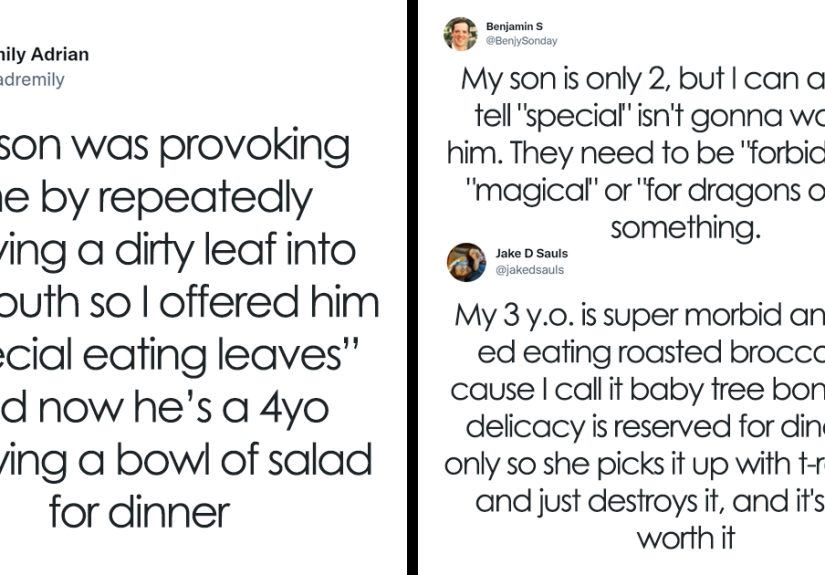
“Broccoli” may be rejected on principle. “Tiny trees,” “monster bushes,” and “dinosaur forests” somehow have a fighting chance. A silly name can lower resistance because the food feels playful instead of serious.
3. Hide Cauliflower in Mac and Cheese
Pureed cauliflower blends smoothly into cheese sauce and adds body without waving a giant vegetable flag. This works especially well for children who love creamy textures and refuse to acknowledge that vegetables can exist in comfort food.
4. Make Muffins With Zucchini or Carrots
Zucchini muffins and carrot muffins are longtime parent favorites. Kids see a baked treat, while parents know they have quietly upgraded snack time with fiber and nutrients.
5. Use Dips Like They Are a Diplomatic Tool
Hummus, yogurt dip, guacamole, and nut butter can turn raw vegetables and fruit into something much more interesting. A child who rejects bell peppers might happily eat them if dunking is involved. Apparently, dipping makes vegetables feel like an event.
6. Turn Meals Into Finger Food
Children often prefer foods they can pick up, poke, stack, or drag through sauce. Sliced cucumbers, roasted sweet potato cubes, snap peas, turkey roll-ups, and fruit skewers all feel more approachable in bite-size form.
7. Let Kids Choose Between Two Healthy Options
This is not exactly trickery, but it is sneaky-smart. Asking, “Do you want carrots or cucumbers?” works better than “Do you want vegetables?” The child feels in control, and you still end up with a healthy win either way.
8. Add Fruit to Breakfast Without Making a Big Deal About It
Blueberries in oatmeal, bananas on whole-grain toast, sliced strawberries in yogurt, or apples stirred into pancakes can make breakfast naturally more nutritious. The key is to make it seem ordinary, not like a produce intervention before 8 a.m.
9. Build “Snack Boards” Instead of Serving a Plate
Parents have learned that healthy foods can look more exciting when arranged like a mini party platter. A board with cheese cubes, grapes, cucumber coins, crackers, berries, and turkey slices feels fun and abundant. The exact same foods on a plain plate may be met with theatrical sighing.
10. Add Grated Vegetables to Pasta Sauce
Finely grated carrots, zucchini, mushrooms, and even spinach can disappear into tomato sauce. Once simmered with garlic and herbs, the flavor becomes richer while the vegetables become much harder for junior detectives to identify.
11. Freeze Yogurt and Fruit Into Popsicles
Homemade popsicles made with yogurt, berries, bananas, or mango feel like dessert but can double as a wholesome snack. This is especially useful in warm weather when children suddenly become willing to eat anything served on a stick.
12. Use Cookie Cutters on Sandwiches and Fruit
Stars, hearts, dinosaurs, and weird little moons can make healthy foods more inviting. Watermelon stars and cucumber flowers are not nutritionally different from regular slices, but they are dramatically more charming.
13. Mix Beans Into Familiar Foods
Black beans in quesadillas, mashed beans in tacos, or white beans blended into soup can add protein and fiber without changing the entire personality of the meal. Familiar flavors keep the food from feeling too “different.”
14. Let Kids Help Make the Food
Children are more curious about foods they washed, stirred, sprinkled, or assembled. A child who refuses salad may suddenly eat lettuce they tore by hand and topped with their own carefully chaotic cheese distribution.
15. Put Veggies First When Kids Are Hungry
Some parents serve sliced vegetables while dinner is finishing or set out a fruit-and-veggie tray right after school. Hunger is powerful. A child who says “I hate peppers” may mysteriously eat five of them while waiting for pasta.
16. Add Sweet Potato to Baked Goods
Mashed sweet potato can make pancakes, waffles, muffins, and quick breads moist and naturally sweet. It also brings color and a mild flavor that blends easily into kid-friendly recipes.
17. Use “Build Your Own” Meals
Taco bowls, yogurt parfaits, grain bowls, wraps, and mini pizzas give kids ownership. When children can choose toppings from a set of healthy ingredients, they often eat more willingly because the meal feels like their idea.
18. Make Soup Less Obviously Soupy
For kids who distrust visible vegetables floating around like tiny life rafts, pureed soups can help. Tomato soup with carrots, butternut squash soup, or creamy vegetable soup can deliver nutrients in a smoother, friendlier format.
19. Pair New Foods With Favorites
A new vegetable beside a beloved food feels less threatening. Serve roasted green beans with chicken nuggets, or cucumber slices next to grilled cheese. The familiar item acts like emotional support food.
20. Add Chopped Veggies to Eggs
Scrambled eggs, egg muffins, and omelets are excellent camouflage for spinach, tomatoes, mushrooms, and peppers. Cheese helps, naturally. Cheese is the intern who gets no credit but saves the whole project.
21. Use Smooth Nut or Seed Butters With Fruit
Apple slices with peanut butter, banana with almond butter, or celery with sunflower seed butter can make nutritious snacks feel hearty and satisfying. Texture and flavor matter, especially for picky eaters.
22. Roast Vegetables Until They Taste Better
Steamed vegetables can be perfectly fine, but roasted vegetables develop sweeter, richer flavors and better texture. Crispy edges can turn Brussels sprouts or carrots from “absolutely not” into “maybe I will have one more.”
23. Sneak Extra Nutrition Into Mashed Potatoes
Parents often blend in cauliflower, parsnips, or sweet potatoes. The result still feels soft, buttery, and comforting, but with a broader nutrient profile and more flavor.
24. Use Whole-Grain Swaps Quietly
Whole-grain pasta, higher-fiber waffles, whole-wheat pancakes, and brown rice mixed with white rice can make meals healthier without rewriting the family menu. Subtle changes are often easier to accept than dramatic ones.
25. Make “Dessert” Chia Pudding or Yogurt Parfaits
When layered with berries and a little granola, yogurt parfaits can feel special enough to pass for dessert. Chia pudding with cocoa, vanilla, or fruit can also work for kids who like creamy textures.
26. Turn Healthy Eating Into a Story
Some parents invent tales about foods giving “superhero energy,” “rocket power,” or “night vision.” It sounds goofy, and it is, but imagination works. Kids are much more open when the meal feels like part of a game.
27. Keep Healthy Foods Visible
Children tend to eat what they see first. A bowl of washed fruit on the counter or cut vegetables at eye level in the fridge can increase the odds that healthy choices happen naturally.
28. Offer Tiny Portions of New Foods
A mountain of unfamiliar food can overwhelm a child. One bite-size piece feels manageable. Repeated, low-pressure exposure often works better than big portions and dramatic speeches about “just try it.”
29. Make Healthy Sauces and Spreads
Parents often blend avocado into chocolate pudding, white beans into dips, or Greek yogurt into creamy dressings. These little upgrades improve nutrition while keeping flavors mild and kid-friendly.
30. Stay Calm and Play the Long Game
Perhaps the most ingenious trick is not a recipe at all. It is consistency. Kids may reject a healthy food ten times and then suddenly eat it on the eleventh try as though it was their idea all along. Annoying? Absolutely. Effective? Also yes.
How to Use These Tricks Without Making Mealtime Weird
The best healthy food tricks for kids are not about fooling children forever. They are about helping them become more comfortable with nutritious foods. Over time, many kids move from hidden spinach to visible spinach, from pureed cauliflower to roasted florets, and from “absolutely not” to “fine, but only if it has dip.” That still counts as progress.
If you want these strategies to work, keep the mood light. Avoid pressure, bargaining, or turning dessert into a prize for eating vegetables. Focus on making healthy foods more available, more fun, and more familiar. A child who feels relaxed is more likely to experiment than one who feels cornered by a forkful of squash.
Mistakes Parents Should Avoid
Do Not Force It
Pressure can backfire. Kids may dig in harder when they feel controlled. Gentle exposure usually works better than a mealtime standoff.
Do Not Overpromise
If you call kale chips “better than fries,” you are setting yourself up for a trust issue. Let healthy foods be good on their own terms without making wild claims that no crispy leaf can support.
Do Not Expect Overnight Success
Healthy eating habits develop slowly. Sometimes the win is not “my child loved broccoli.” Sometimes the win is “my child touched broccoli without acting personally betrayed.”
Final Thoughts on Helping Kids Eat Healthy Foods
Parents who get creative with healthy foods are not just surviving dinner. They are building habits that can last for years. Whether it is blending spinach into smoothies, serving vegetables with fun names, or letting kids assemble their own taco bowls, the real magic is repetition without pressure.
So yes, go ahead and make the banana-oat muffins with secret zucchini. Serve “x-ray vision carrots.” Cut fruit into stars. Let your child sprinkle cheese over egg muffins like a tiny celebrity chef. Healthy eating for kids does not need to be perfect. It just needs to be steady, playful, and realistic enough to survive a Tuesday.
And if all else fails, remember this timeless parenting truth: sometimes a cucumber is not a cucumber. Sometimes it is a green crunchy coin from a treasure hunt, and that is somehow enough.
Extra Experiences Parents Commonly Share About This Topic
Parents who talk about getting kids to eat healthy foods usually describe the experience as equal parts strategy, comedy, and patience training. One common story is the “smoothie victory.” A child who swears they hate anything green will happily drink spinach blended with frozen berries and banana, then ask for a second glass like they just discovered the fountain of youth. The parent stands there silently, trying not to ruin the moment by looking too pleased.
Another frequent experience involves presentation. Plenty of parents say their child refuses sliced peppers on a dinner plate but devours the exact same peppers when they are served in a lunchbox with hummus, arranged in a rainbow, or called “crunch sticks.” The food did not change. The branding department did.
Many families also discover that children become much more open to healthy foods when they help prepare them. Kids who would never voluntarily eat tomatoes may snack on them while washing them for salad. Children who claim mushrooms are suspicious suddenly become curious when they are allowed to stir them into pasta sauce. Parents often say the kitchen becomes less of a battlefield when children have a job to do. It may not be a perfectly clean job, and yes, flour may end up in places flour has no business being, but the buy-in is real.
There are also stories about timing. Some parents notice that vegetables disappear much faster when served before the main meal, especially after school or right before dinner. A tray of cucumbers, carrots, cherry tomatoes, and fruit left on the table while everyone is hungry can be shockingly effective. At that point, the child is not “being served vegetables.” They are simply snacking because dinner is not ready yet. Loopholes count.
Then there is the famous “hidden ingredient” phase. Parents blend cauliflower into mashed potatoes, stir lentils into taco meat, add shredded zucchini to muffins, or fold finely chopped spinach into lasagna. These experiences tend to be described with a mix of pride and guilt-free mischief. Most parents are not trying to deceive their children forever. They are just trying to widen the menu while everyone is still learning. Over time, many say hidden ingredients become a bridge toward more visible ones.
Some parents report that repeated exposure is the slow, frustrating hero of the story. A child rejects roasted carrots twelve times, ignores them for three months, then suddenly announces that carrots are “actually pretty good.” No grand breakthrough, no violin music, just an ordinary Tuesday plot twist. Experiences like this remind parents that healthy eating habits are often built in tiny increments rather than dramatic transformations.
Family meals also come up again and again. Parents often say kids are more willing to try healthy foods when they see adults and siblings eating the same thing without making a production out of it. Children notice what the people around them do. If everyone else is crunching apples, spooning yogurt, or eating roasted vegetables as though this is just normal life, that message lands over time.
Perhaps the most honest experience parents share is that progress rarely looks perfect. One child loves fruit but refuses vegetables. Another accepts vegetables only when roasted. Another will eat black beans in quesadillas but not in any form that resembles an actual bean. Families adapt. They try again. They celebrate weirdly specific wins. And in many homes, that is exactly how healthier eating begins: not with flawless meals, but with consistent, funny, determined effort.