Table of Contents >> Show >> Hide
- Way #1: Read the “Ear Map” (Position + Angle + Symmetry)
- 1) Ears up and forward: “I’m interested… and collecting data.”
- 2) Ears relaxed to the side or at a comfortable angle: “I’m good.”
- 3) Ears laid back: “Two meaningsresting or resisting.”
- 4) One ear forward, one ear back: “I’m multitasking.”
- 5) Ears swiveling or twitching: “My radar is scanning.”
- What about lop-eared rabbits?
- Way #2: Read Ears as Part of a Full Sentence (Ears + Eyes + Posture + Movement)
- Way #3: Track Patterns Over Time (Baseline + Triggers + Health Clues)
- Real-Life Experiences: What Bunny Ear Signals Look Like at Home
- Conclusion
Rabbits don’t come with subtitles. They come with earstwo ultra-sensitive, highly expressive little satellite dishes that can swivel, pin, relax, and “broadcast” their mood faster than you can say, “Who moved my hay?” If you’ve ever looked at your bunny’s ears and thought, “Is that curiosity… or am I about to get the cold shoulder?” you’re in the right place.
Here’s the catch: bunny ear signals are real, but they’re not a standalone language. One ear position can mean “I’m chilling,” “I’m judging you,” or “I heard a suspicious bag crinkle three rooms away.” The secret is learning to read ears like you’d read a good storycontext matters.
This guide breaks it down into three practical methods so you can interpret rabbit ear positions with fewer misunderstandings and more “aww, you trust me” moments. Along the way, you’ll get examples, common misreads, and a few gentle reminders that your bunny is basically a tiny prey-animal ninja with big opinions.
Way #1: Read the “Ear Map” (Position + Angle + Symmetry)
Start with the basics: where are the ears pointing, how high are they, and are they doing the same thing? Think of this as your bunny’s default dashboard.
1) Ears up and forward: “I’m interested… and collecting data.”
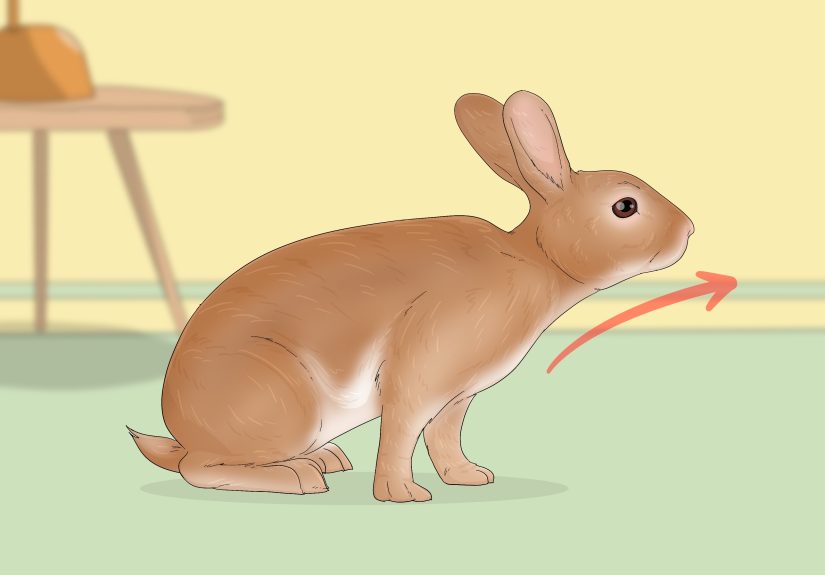
Upright, forward-facing ears usually mean your rabbit is alert, curious, or investigating. You’ll often see a faster nose twitch and a cautious lean forwardlike your bunny is running a full FBI background check on that new cardboard box.
- Common scenario: You open a cabinet, a new sound happens, a treat bag whispers its name.
- Owner translation: “I’m paying attention. Keep going (carefully).”
2) Ears relaxed to the side or at a comfortable angle: “I’m good.”
Many rabbits hold their ears at a neutral, comfortable angle when they’re contentneither locked forward nor pressed back. It’s the bunny version of taking your shoes off after a long day.
- Common scenario: Loafing, lounging, grooming, or hanging out in a favorite spot.
- Owner translation: “Nothing is on fire. I approve of this moment.”
3) Ears laid back: “Two meaningsresting or resisting.”
Ears pulled back are the classic “read the room” signal. Some rabbits rest their ears back when they’re relaxed. But ears back can also show annoyance, discomfort, anxiety, or defensive readinessespecially if the rest of the body is tense. Same ear position. Totally different story.
- Relaxed version: body loose, eyes soft or half-closed, loaf posture or calm sprawl.
- Defensive version: stiff body, tail lifted, growling/grunting, lunging, boxing, or a “don’t touch me” vibe.
If you only remember one thing from this section, make it this: ears back + relaxed body = resting; ears back + tense body = warning.
4) One ear forward, one ear back: “I’m multitasking.”
The “one ear on you, one ear on the spooky sound behind me” position is common. It’s a sign your rabbit is monitoring more than one thing and hasn’t decided what deserves full attention yet.
- Common scenario: You’re talking, the dishwasher clicks, your rabbit is doing bunny calculus.
- Owner translation: “I hear you. I’m also hearing… everything.”
5) Ears swiveling or twitching: “My radar is scanning.”
Quick swivels, micro-adjustments, and ear twitches often mean your bunny is listening carefully or unsure about a sound. Rabbits are built to detect danger early, so a little ear movement can be normalespecially in a busy household.
What about lop-eared rabbits?
Lop ears can’t always “broadcast” as dramatically as upright ears. Some lops still shift and angle their ears, but the signals may be subtler. With lops, you often rely more on the base of the ear, head position, eyes, and whole-body posture. Translation: lops can absolutely communicatejust with a slightly different accent.
Way #2: Read Ears as Part of a Full Sentence (Ears + Eyes + Posture + Movement)
If Way #1 is learning vocabulary, Way #2 is learning grammar. A rabbit’s ears are powerful, but they’re rarely speaking alone. Pair ear signals with eyes, posture, tail position, and behavior to get the real meaning.
The “Relaxed Bunny” sentence
When your rabbit is comfortable, you’ll often see a combination like: ears neutral or gently back, soft eyes, and a loaf, sprawl, or flop. Some rabbits lightly grind their teeth in contentment (often called “tooth purring”).
- Example: Your bunny flops dramatically like they just paid rent and deserve a nap. Ears are relaxed, body is loose.
- Meaning: “I feel safe here.”
The “Curious but cautious” sentence
Rabbits can be curious and wary at the same timebecause they’re rabbits, and being alive is suspicious. Look for: ears forward, nose twitching faster, slow tiptoeing, and a body that’s ready to bolt if the object turns out to be a villain.
- Example: New vacuum enters the room. Your rabbit approaches like a spy in a movie.
- Meaning: “I want to know what it is… from a safe distance.”
The “Back off” sentence (defensive warning)
This is the combination you take seriously. Many resources describe a defensive rabbit as showing ears pinned back plus tensionsometimes with tail up, a forward-leaning posture, growling, or a quick lunge/swat/boxing stance. If you see this, don’t push the interaction. Give space and figure out the trigger.
- Example: You reach into the enclosure unexpectedly. Ears go back, body stiffens, tail lifts.
- Meaning: “Nope. Not today. Respectfully, leave.”
The “I’m scared” sentence (freeze + flatten)
Fear can look like stillness. A frightened rabbit may flatten low to the ground, hold ears tight against the body/head, and look wide-eyed. Some rabbits thump as an alarm signal. If this happens, reduce noise, remove stressors, and let your bunny recover at their pace.
Don’t ignore the “pain/discomfort” sentence
Ear signals can overlap with discomfort. A rabbit that is hunched, tense, less social, not eating normally, or showing repeated ear shaking/scratching may be dealing with something medical (not just “attitude”). Persistent changes warrant a call to a rabbit-savvy veterinarian.
Bottom line: ear position tells you what direction the feeling is leaning. The rest of the body tells you how intense it isand what to do next.
Way #3: Track Patterns Over Time (Baseline + Triggers + Health Clues)
Rabbits are individuals. Two bunnies can show the same ear position for different reasons based on personality, past experiences, environment, and breed. The fastest way to get good at reading bunny ear signals is to become a respectful little scientist: observe patterns.
Step 1: Learn your rabbit’s “normal ears”
Some rabbits naturally rest with ears slightly back. Others keep them more upright. Your job is to learn what “neutral” looks like for your rabbit in calm moments (resting, grooming, post-meal lounging). That becomes your baseline.
- Tip: Spend a few minutes daily watching during calm time. No touching. Just observe.
- Bonus: You’ll also learn what “happy ears” look like when treats appear. Science!
Step 2: Identify the usual triggers
If your rabbit’s ears pin back every time hands come from above, that’s not “being dramatic”that’s prey-animal logic. Sudden movement, loud noises, unfamiliar pets, schedule changes, or a too-small space can trigger stress. When you notice a consistent ear reaction, look for what changed in the environment.
- Common trigger: fast reaching, especially toward the face.
- Common trigger: barking dogs, vacuum cleaners, or “surprise visitors.”
- Common trigger: being cornered without an escape route.
Step 3: Respect the “prey instinct” rule
A lot of ear misunderstandings happen because humans want rabbits to behave like dogs or cats. Rabbits are prey animals; many dislike being lifted and restrained, and they value predictable, gentle interactions. Trust builds when you move slowly, give choice, and let your rabbit approach you.
Step 4: Watch for “this might be medical” ear changes
Ears aren’t just communication toolsthey’re also body parts that can get irritated or infected. Repeated ear shaking, persistent scratching, visible crust/debris, head tilt, lethargy, or a sudden drop in appetite can be clues that something’s wrong.
Lop-eared rabbits can be more prone to ear issues because of ear canal shape, and ear mites can cause head shaking, scratching, crusting, and sores. If ear behavior changes abruptly or persists, treat it as a health questionnot a personality quirk.
Step 5: Use the “Do/Don’t” response plan
- Do pause when ears pin back and the body goes tense.
- Do give space and let your rabbit reset.
- Do reward calm curiosity with gentle praise or a tiny treat.
- Don’t chase, corner, or force cuddles to “prove” love.
- Don’t pick up or restrain by the ears (ever).
- Don’t ignore persistent ear shaking/scratchingconsider a vet check.
When you track patterns, you stop guessing and start understanding. And your rabbit notices. Respect is basically the universal love languageespecially for animals with excellent hearing and strong opinions.
Real-Life Experiences: What Bunny Ear Signals Look Like at Home
To make all this feel less like a textbook and more like real life, here are common “yep, that happened” experiences many rabbit owners run intoplus what the ears are usually saying in those moments. If you’ve ever felt personally judged by a 4-pound fluffball, congratulations: you’re part of the club.
1) The Treat-Bag Telepathy. You barely touch a pantry door and suddenly your rabbit’s ears shoot forward like two perfect antennas. Sometimes one ear stays aimed at the kitchen while the other tracks you, as if your bunny is triangulating snack coordinates. This is often alert curiosity mixed with expectation: “I heard that. I know what that means. Proceed.” Owners who respond calmlyno sudden grabbing, just gentle invitationtend to see the ears stay forward without the body tensing up. Over time, rabbits learn that “human movement” doesn’t automatically equal “unwanted handling.”
2) The Nail-Trim Grudge (a classic). After a nail trim, some rabbits hop away, flick their feet, and pin their ears back when you approachas if you just committed a personal betrayal. In many homes, you’ll see the ears-back signal paired with a rigid posture or a “butt-to-face” pose (the dramatic cold shoulder). The ear message here is usually: “I didn’t enjoy that. I need space.” The fastest repair strategy people report is short, low-pressure interactions: sit on the floor, offer a small treat, and let the rabbit decide when to re-engage. The ears often return to neutral sooner when the rabbit feels in control.
3) The Vacuum Cleaner Horror Movie. A vacuum enters the room and your bunny’s ears may pin back while the body flattens or freezes. Some rabbits thump. Others bolt for a hidey house. What surprises new owners is how long the ears may stay tense even after the vacuum leaves. In many households, the best “experience-based” fix is proactive: provide a predictable safe zone (covered hide, quiet room, or pen area), reduce exposure, and add a positive association afterward (calm voice, favorite herb, a short play session). Over time, some rabbits go from “panic ears” to “annoyed ears,” which is… honestly progress.
4) The Mystery Object Investigation. Put a new cardboard tunnel on the floor and you’ll often see ears forward, nose working overtime, and slow, careful stepsespecially if the rabbit has had a previous scare with something noisy. Many owners notice the rabbit will approach, retreat, approach againears constantly adjusting as if the tunnel might suddenly apply for a job. If you remain still and let the rabbit explore, the ears frequently soften into a more relaxed position, and the investigation becomes play. This is a great moment to remember that “cautious” isn’t “unhappy”it’s smart.
5) The “Pet Me Now” Head-Down Request. A surprisingly common experience: your rabbit nudges your hand, lowers their head, and holds still often with ears relaxed and eyes soft. People sometimes misread this and start petting too intensely or too long, and then the ears shift back with a tense body: “That’s enough.” Learning to stop before your bunny has to complain is a real-life superpower. Short petting sessions with pauses (“Do you want more?”) often keep the ears neutral and the mood friendly.
The consistent theme in these everyday scenarios is simple: ears tell you where the emotion is leaning, and your response teaches your rabbit whether communication works. When rabbits see that their signals are respected, they usually don’t need to escalate. That’s how you get fewer lunges, fewer misunderstandings, and more peaceful “we speak the same language now” moments.
Conclusion
Reading bunny ear signals isn’t about memorizing one perfect chart. It’s about learning your rabbit’s patterns and responding with respect. Use the three methods together: (1) read the ear map, (2) read the full-body sentence, and (3) track patterns over time. Soon you’ll know when your rabbit is curious, relaxed, annoyed, scared, or simply running their internal security system.
And if you ever feel unsure, choose the safest interpretation: slow down, give space, and let your bunny decide the next step. The goal isn’t to “win” the interactionit’s to build trust. Your rabbit will tell you, loud and clear, when you’re doing it right. (Usually with relaxed ears, soft eyes, and a flop that looks like an Oscar-worthy performance.)