Table of Contents >> Show >> Hide
- Before You Start: A 60-Second Carpet Reality Check
- Way #1: The Ice Cube Method (Best for Furniture Dents)
- Way #2: Steam Lift (Iron + Towel or a Garment Steamer)
- Way #3: Grooming + Vacuum Agitation (Best for Matted Traffic Lanes)
- Why Carpet Pile Flattens (And When It Might Not Fully Recover)
- How to Keep Your Carpet From Flattening Again
- Closing Thoughts
- Experiences: Real-Life Carpet Comebacks (About )
You move the couch. You admire your freshly “new” layout. Then your carpet hits you with the ghost of furniture past:
four sad little craters where the legs used to live. If your pile carpet looks like it lost a pillow fight, don’t panic
you usually don’t need to replace it, hide it under a bigger rug, or declare the room “industrial chic.”
Flattened pile happens when carpet fibers get compressed by weight (furniture dents) or constantly pressed down by
foot traffic (matted pathways). The good news: most fibers can be coaxed upright again with the right combo of
moisture, gentle heat, and a little “come on, stand up” encouragement.
Before You Start: A 60-Second Carpet Reality Check
1) Identify what you’re fixing
- Furniture dents (divots): Small, deep impressions where legs sat for weeks/months.
- Matted traffic lanes: Wider areas that look dull and crushed from daily walking.
- <strong“}Fuzz + flattening: Fibers are bent and tangled because dirt and grit are acting like tiny sandpaper.
2) Know your pile type (so you don’t make it worse)
- Cut pile (plush, Saxony, frieze): Usually responds well to these methods.
- Loop pile / Berber: Be extra gentle. Don’t aggressively rakeloops can snag or fuzz.
- Shag / high pile: Grooming tools help a lot, but avoid soaking the backing.
3) Gather your “carpet CPR kit”
- Ice cubes
- Clean white towel or washcloth
- Spoon or coin (yes, really)
- Spray bottle (plain water)
- Vacuum (with adjustable height if possible)
- Soft brush or carpet rake/groomer (optional but handy)
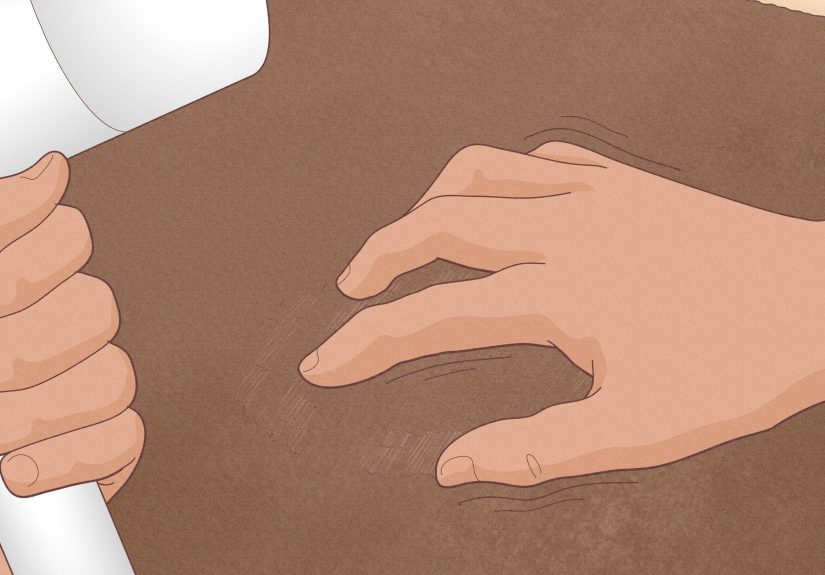
- Hair dryer (optional)
Quick safety note: Always test heat and moisture on a hidden spot first. The goal is “plump and perky,”
not “melted and mysterious.” If the area gets wet, let it dry fully to avoid odors or mold.
Way #1: The Ice Cube Method (Best for Furniture Dents)
Think of this as slow, controlled hydration. Ice melts gradually, giving carpet fibers time to absorb moisture and
expand back toward their original shapewithout you dumping a cup of water into the padding like a well-meaning
but chaotic waterfall.
Best for
- Chair legs, sofa feet, table legs
- Small to medium dents in cut pile carpet
- When you’re not in a hurry (this is the “set it and forget it” method)
Step-by-step
- Place ice cubes in the dent. One cube per dent is fine; use more for larger impressions.
- Let them melt completely. This can take a few hours. Deeper dents may take longer.
- Blot, don’t rub. Press a towel onto the spot to soak up excess moisture.
-
Lift the fibers. Use a spoon edge, a coin, or your fingers to gently tease fibers upright. Work in
multiple directions so you match the surrounding nap. - Finish with a vacuum. Vacuum slowly over the area to “set” the pile and blend it in.
Make it work like a pro
- Go gentle on loop pile. For Berber-style loops, fluff with your fingers and vacuumskip the spoon scraping.
- Don’t oversoak. If the dent needs a second round, wait until the area is fully dry before repeating.
- Match the nap direction. Carpets often have a “grain.” When in doubt, brush the surrounding area and mimic it.
Example: You moved a recliner that sat in the same spot all winter. The dent looks like a thumbprint in cookie dough.
Ice cubes melt in, you blot, then gently lift the fibers with a spoon edge. A slow vacuum pass later, the crater becomes
a minor memoryand your carpet stops looking personally offended.
Way #2: Steam Lift (Iron + Towel or a Garment Steamer)
If the ice method is “hydrate and coax,” steam is “relax and reset.” Heat plus moisture helps fibers loosen up so they
can spring back. This is especially helpful for deeper dents or stubborn areas that refuse to bounce.
Best for
- Deep furniture dents
- Flattened spots on thicker cut pile carpets
- When you want faster results than the ice method
Option A: Steam iron + damp towel (classic method)
- Lightly dampen a white towel. Wring it out so it’s moist, not dripping.
- Lay the towel over the dent. This protects the fibers from direct heat.
-
Steam in short bursts. Set the iron to medium (or steam setting). Glide over the towel for
20–60 seconds. Don’t park the iron in one spot. - Lift the pile. Remove the towel and gently fluff with fingers or a soft brush.
- Vacuum to blend. Once dry (or nearly dry), vacuum slowly to even out the texture.
Option B: Garment steamer (lower risk, great for cautious people)
- Hold the steamer a few inches above the dent. You’re fogging the fibers, not pressure-washing them.
- Steam briefly. 10–20 seconds at a time.
- Fluff immediately. Fingers, spoon edge (cut pile), or a soft brush.
- Let it dry fully. Keep airflow moving in the room.
Steam safety rules (aka “How not to create a melted spot that looks like modern art”)
- No direct iron-to-carpet contact. Always use a towel barrier.
- Watch synthetic carpets. Nylon and polyester can melt if overheated. Keep heat moderate and time short.
- Less is more. You can repeat short passes. You can’t un-toast a carpet.
Example: Under a bedpost, the dent is deep enough to store secrets. Ice helped, but it still looks a little crushed.
A damp towel + short steam pass relaxes the fibers. You fluff, vacuum, and suddenly the carpet looks like it’s been
sleeping eight hours again.
Way #3: Grooming + Vacuum Agitation (Best for Matted Traffic Lanes)
Furniture dents are dramatic but localized. Traffic matting is the slow-burn villaindaily footsteps compress fibers and
grind in fine grit. The fix is part lifting and part “let’s get your fibers untangled.”
Best for
- Hallways, stairs, and “walk here every day” paths
- Carpet that looks flat even after vacuuming
- High pile or frieze that benefits from grooming
Step-by-step
-
Vacuum slowlyseriously. Fast vacuuming is like brushing your teeth for three seconds and calling it self-care.
Slow passes help the brush roll/suction lift the pile and remove abrasive dirt. - Change directions. Vacuum north-south, then east-west. This helps lift fibers from multiple angles.
-
Groom the pile. Use a carpet rake or a soft-bristle brush to lift and align fibers. Work with light pressure.
On loop pile, use a gentler brush and avoid snagging. - Vacuum again. Grooming loosens debris; the second vacuum pass removes what you just freed.
- Spot-fluff stubborn areas. If a section still looks crushed, lightly mist with water and fluff by hand, then dry fully.
Small upgrades that make a big difference
- Adjust vacuum height (if you can). Too low can bog down; too high won’t agitate fibers well.
- Use the right attachment on stairs. A hose + brush tool can lift pile without the awkward full-vacuum balancing act.
- Don’t confuse grooming with scrubbing. You’re lifting fibers, not sanding the carpet into submission.
Example: The path from the couch to the kitchen has turned into a flat, grayish “carpet highway.”
A slow vacuum in two directions, then a quick grooming pass, then another vacuumsuddenly the lane looks fluffier and
even a little brighter because you removed the grit that was dulling the fibers.
Why Carpet Pile Flattens (And When It Might Not Fully Recover)
Carpet fibers are designed to bend and rebound, but they have limits. The biggest reasons pile stays flattened are:
- Compression time: The longer furniture sits, the more “trained” the fibers become.
- Padding crush: Sometimes it’s not just the fibersyour carpet pad is compressed too.
- Dirt abrasion: Fine grit cuts and frays fibers, making them less springy and more prone to matting.
- Fiber type: Some fibers rebound better than others, and older carpet may have more permanent wear.
If you’ve tried moisture + gentle lifting and the area still looks permanently crushed after a few days, it may be true
wear (especially in heavy-traffic zones). That doesn’t mean your whole carpet is doomedbut it might be time to consider
professional cleaning, targeted repair, or strategic rug placement (also known as “decorating with purpose”).
How to Keep Your Carpet From Flattening Again
Prevent dents
- Use furniture coasters or wider leg protectors. More surface area = less pressure per inch.
- Shift heavy furniture slightly once in a while. Even an inch or two changes the stress point.
- Vacuum under furniture occasionally. Yes, it’s annoying. Yes, it helps.
Prevent matting
- Vacuum on a schedule (more in high-traffic areas). Dirt removal is pile protection.
- Use entry mats and consider a no-shoes rule. Fewer abrasive particles make fibers last longer.
- Groom periodically. A quick rake/brush now and then can keep pile from “learning” the flat position.
Closing Thoughts
Raising flattened pile carpet isn’t complicatedit’s just oddly satisfying. Start with ice for dents, step up to gentle steam
for stubborn spots, and use grooming plus slow vacuuming for whole-room “tired carpet” syndrome. Go slow, use light moisture,
protect the fibers from direct heat, and let everything dry fully. Your carpet can absolutely bounce backsometimes it just
needs a little encouragement (and possibly an ice cube spa day).
Experiences: Real-Life Carpet Comebacks (About )
1) The “We Finally Moved the Sofa” Moment. In a lot of homes, the first time people notice flattened pile
is right after rearranging furniture. The room looks freshuntil the carpet reveals a set of dents that perfectly outline
where the couch has been for years, like a chalk drawing at a crime scene. The most common experience here is impatience:
people want to fix the dents immediately because the new layout looks great… except for those four little craters stealing
the spotlight. The ice cube method is usually the crowd-pleaser. You drop ice cubes into the dents, walk away, and come back
later to a carpet that’s noticeably less depressed. The “aha” moment is the fluffing stepgently lifting the fibers with a spoon
edge and then vacuuming to blend. That’s when it stops looking like a dent and starts looking like normal carpet again.
2) The High-Traffic “Carpet Highway” Problem. Another super common experience is realizing the carpet didn’t just
flatten in one spotit flattened everywhere people walk. Hallways, the path from bed to bathroom, stairs, that one corner everyone
cuts when they’re carrying laundry… all of it becomes a dull, matted lane. People often say, “But I vacuum!”and they dojust quickly.
What typically changes the game is slowing down and changing directions. A slow pass one way, then another pass across the grain, lifts more
than a hurried once-over. Add a grooming pass (even a basic carpet rake or soft brush) and it’s like the pile remembers it has a job again.
The carpet may not look brand-new, but it usually looks fresher, fluffier, and less shiny from compression.
3) The “I Tried Steam and Got Nervous” Phase. Steam methods come with a little drama because nobody wants to scorch their
carpet. A typical experience is someone hovering with an iron like they’re defusing a bomb: towel down, heat lowered, short bursts, lots of
checking. That caution is actually perfect. The people who get the best results tend to treat steam like seasoningyou can add more, but you can’t
take it back. They steam briefly, lift fibers with fingers, and let the spot cool and dry. When done gently, the dent often softens and rises in a way
ice couldn’t manage on its own.
4) The “Oh… It Was Dirt” Realization. Sometimes the carpet isn’t just flattenedit’s flattened and grimy. People are surprised
how much better the pile lifts once the grit is removed. That’s why grooming plus vacuuming is so effective: grooming loosens what’s tangled down at the base,
and vacuuming pulls it out. The carpet doesn’t just stand upit often looks a touch brighter because the fibers aren’t coated with dulling dust.
5) The Prevention Epiphany. After someone fixes dents once, they usually become a believer in furniture coasters or wider leg protectors.
The experience is simple: the next time furniture moves, the dents are smalleror not there at all. It feels like cheating, in the best way. The same goes
for small habit changes like putting a mat by the door or vacuuming high-traffic areas a little more often. It’s not glamorous, but it’s the difference between
carpet that stays plush and carpet that slowly turns into a flattened memory foam topper.