Table of Contents >> Show >> Hide
- Why Measuring Flour Correctly Matters
- Quick Flour Conversion Guide
- Method 1: Use a Kitchen Scale
- Method 2: Measure Flour with Tablespoons and Teaspoons
- Method 3: Use a Regular Mug or Bowl as a Practical Approximation
- Common Mistakes When Measuring Flour Without Cups
- How to Adjust Flour by Texture
- Which Method Should You Choose?
- Real Kitchen Experience: What Actually Works When Measuring Flour Without Measuring Cups
- Conclusion
Measuring flour without measuring cups sounds like the kind of kitchen problem that appears five minutes after you have already softened the butter, cracked the eggs, and emotionally committed to cookies. The good news? You do not need to abandon your baking dreams or start eyeballing flour like a cowboy tossing feed into a barn trough. With a scale, a spoon system, or a smart approximation method, you can measure flour accurately enough for pancakes, cakes, muffins, bread, and most everyday baking.
Flour is sneaky. It looks innocent, soft, and harmless, but it can quietly ruin a recipe if you use too much. A packed scoop of flour can make cookies dry, muffins dense, cakes tough, and bread dough stubborn enough to need its own motivational podcast. That is why learning how to measure flour without measuring cups is not just a backup skill. It is a small baking superpower.
Why Measuring Flour Correctly Matters
Baking is different from cooking because flour does not simply “season” a recipe. It builds structure. In cookies, it controls spread. In cakes, it affects tenderness. In bread, it helps create gluten. Add too little and your batter may collapse, spread, or stay gummy. Add too much and the finished result can turn dry, crumbly, or heavy.
The biggest issue is that flour changes volume depending on how it is handled. If flour is scooped straight from the bag, it compresses. If it is stirred, sifted, or spooned gently, it becomes lighter and airier. That means the same “cup” of flour can weigh very different amounts. This is why professional bakers often prefer grams or ounces instead of cups. Weight does not care whether your flour had a stressful day in the pantry.
Most American home recipes use cups, but many trusted baking sources now include gram measurements because they make results more consistent. As a practical rule, one cup of all-purpose flour is commonly treated as about 120 grams when lightly spooned and leveled. Some recipe developers use slightly different standards, so when a recipe provides grams, follow those grams first.
Quick Flour Conversion Guide
Before we get into the three methods, keep this simple conversion guide nearby. It is especially helpful when a recipe says “1 cup flour” and your measuring cups are missing, dirty, borrowed by a neighbor, or mysteriously hiding in the same dimension as single socks.
| Recipe Amount | Approximate Weight for All-Purpose Flour | Tablespoon Equivalent |
|---|---|---|
| 1 cup | 120 grams / 4.25 ounces | 16 tablespoons |
| 3/4 cup | 90 grams / 3.2 ounces | 12 tablespoons |
| 1/2 cup | 60 grams / 2.1 ounces | 8 tablespoons |
| 1/3 cup | 40 grams / 1.4 ounces | 5 tablespoons + 1 teaspoon |
| 1/4 cup | 30 grams / 1 ounce | 4 tablespoons |
| 1 tablespoon | About 7.5 grams | 1 tablespoon |
These numbers are best for all-purpose flour. Bread flour, cake flour, whole wheat flour, almond flour, coconut flour, and gluten-free flour blends may weigh differently. When possible, check the recipe’s own weight measurements.
Method 1: Use a Kitchen Scale
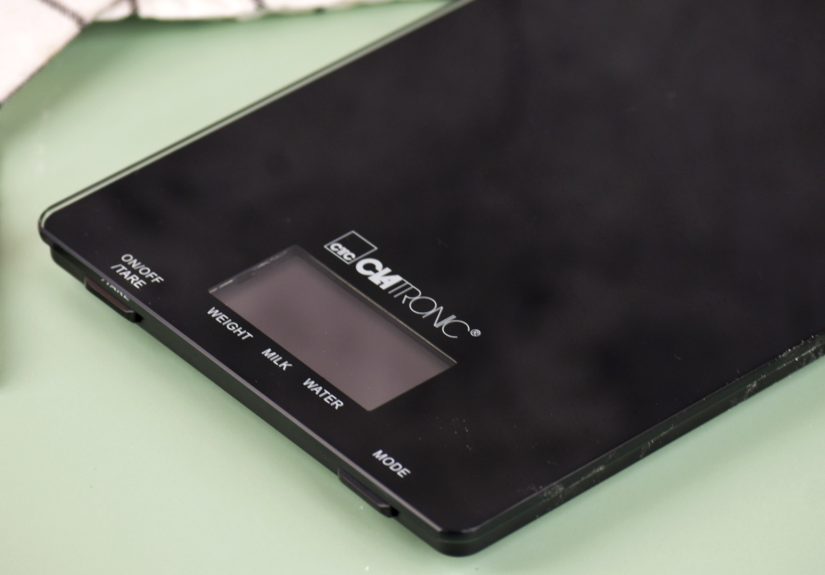
The easiest and most accurate way to measure flour without measuring cups is to use a kitchen scale. This is the method bakers love because it removes guessing. One hundred twenty grams of flour is always 120 grams. It does not matter whether the flour is fluffy, packed, sifted, or feeling dramatic.
How to Measure Flour with a Scale
- Place a mixing bowl on the kitchen scale.
- Press the tare or zero button so the scale ignores the bowl’s weight.
- Add flour slowly until you reach the amount needed.
- If you add too much, spoon a little out until the number is correct.
For example, if your recipe calls for 2 cups of all-purpose flour and does not list grams, use about 240 grams. If it calls for 1 1/2 cups, use about 180 grams. For 3 cups, use about 360 grams. This makes recipe math wonderfully boring, which is exactly what you want when baking.
Why This Method Works Best
A scale gives consistent results because it measures weight instead of volume. Flour is a powder, and powders settle. A bag that has been sitting in your pantry for weeks may be compacted. A freshly stirred container may be much lighter. A scale skips all that uncertainty.
This method is especially useful for recipes where precision matters: cakes, macarons, bread, pizza dough, pie crust, biscuits, and pastries. These recipes rely on the balance between flour, fat, liquid, and leavening. A little extra flour can turn a soft dough into a brick wearing an apron.
Best Example
Suppose you are making chocolate chip cookies and the recipe calls for 2 1/4 cups of flour. Multiply 2.25 by 120 grams. The result is 270 grams. Set your bowl on the scale, tare it, and add flour until the display reads 270 grams. That is it. No cup. No leveling. No flour dust cloud that makes your counter look like a tiny winter storm.
Method 2: Measure Flour with Tablespoons and Teaspoons
If you do not have measuring cups but you do have measuring spoons, you can measure flour by tablespoons. This method is slower than using a scale, but it works surprisingly well for small and medium amounts. Since 1 cup equals 16 tablespoons, you can build the amount you need one level spoonful at a time.
How to Use the Tablespoon Method
- Stir the flour in its bag or container with a spoon to loosen it.
- Spoon flour into a tablespoon gently. Do not scoop hard or pack it down.
- Level the top with the flat edge of a knife.
- Repeat until you reach the amount needed.
For 1 cup of flour, use 16 level tablespoons. For 1/2 cup, use 8 level tablespoons. For 1/4 cup, use 4 level tablespoons. For 1/3 cup, use 5 tablespoons plus 1 teaspoon. Is this glamorous? No. Is it effective? Yes. It is the measuring equivalent of taking the stairs: a little more effort, but you arrive.
When This Method Is Most Useful
The tablespoon method is great when you need smaller amounts of flour. It works well for sauces, gravies, pancakes, mug cakes, small batches of cookies, and recipes that need only a few tablespoons for thickening or dusting. It is also handy when your measuring cups are in the dishwasher and you refuse to open it because the steam feels like a dragon’s breath.
Important Tips for Accuracy
Use actual measuring spoons if possible. A regular dinner spoon is not the same as a tablespoon, even if it looks confident. Also, level each spoonful. A heaping tablespoon can contain much more flour than a level one, and those little extras add up quickly.
If you need a large amount, such as 4 cups of flour for bread, the tablespoon method becomes tedious. Sixty-four tablespoons later, you may begin questioning your life choices. In that case, a scale is a better option.
Method 3: Use a Regular Mug or Bowl as a Practical Approximation
Sometimes you have no measuring cups and no scale. You just have a recipe, flour, and optimism. In that situation, you can use a regular mug, small bowl, or glass as an approximate measuring tool. This method is not ideal for delicate baking, but it can work for forgiving recipes like pancakes, flatbreads, rustic muffins, simple quick breads, dumplings, and some doughs where texture matters more than exact math.
How to Make a Household Cup Substitute
Choose a mug or glass that seems close to a standard cup. In the United States, 1 cup equals 8 fluid ounces, or about 240 milliliters. Many small coffee mugs hold about this amount, but not all. Some mugs are secretly soup bowls with handles, so be careful.
If you have a bottle of water with volume markings, a food storage container with milliliter lines, or a liquid measuring jug, you can test your mug. Fill the mug with water, then pour that water into the marked container. If it lands close to 240 milliliters, you can treat the mug as roughly 1 cup. Dry it completely before adding flour.
How to Fill the Mug with Flour
- Stir the flour first to loosen it.
- Spoon flour gently into the mug instead of scooping directly.
- Fill it to the same level each time.
- Level the top with a knife, spatula, or clean straight edge.
This method works because you are creating a consistent temporary measuring vessel. It will not be as accurate as a scale, but consistency is still better than random scooping. If your batter looks too thick, add liquid gradually. If it looks too thin, add flour one tablespoon at a time.
Best Recipes for This Method
Use this method for flexible recipes, not fussy ones. Pancakes, crepes, tortillas, simple pizza dough, banana bread, and rustic biscuits can usually handle small adjustments. Avoid this method for macarons, angel food cake, laminated pastry, and recipes where the flour ratio must be exact. Those recipes are not here to play games.
Common Mistakes When Measuring Flour Without Cups
Mistake 1: Scooping Directly from the Bag
Scooping flour straight from the bag compresses it. That means you may accidentally add more flour than the recipe needs. The result can be dry cookies, tough cakes, or dough that feels like it is training for a weightlifting contest.
Mistake 2: Shaking the Container to Level It
Shaking flour settles it and packs more into the same space. Instead, level flour by scraping across the top with a straight edge. Gentle is the keyword. Treat flour like a nervous cat: do not slam, shake, or aggressively compact it.
Mistake 3: Ignoring the Type of Flour
All-purpose flour is not the same as cake flour, bread flour, whole wheat flour, or gluten-free flour. They absorb moisture differently and may weigh differently by volume. If your recipe uses a special flour, look for the recipe’s own weight measurement when possible.
Mistake 4: Adding All the Flour at Once
When using an approximation method, hold back a little flour at first. Mix, check the texture, then add more if needed. This is especially useful for bread dough, where humidity, flour brand, and room temperature can affect how much flour the dough actually wants.
How to Adjust Flour by Texture
Measuring flour without measuring cups becomes easier when you know what the mixture should look and feel like. Recipes are written with numbers, but dough and batter also communicate through texture. You just have to listen, preferably before the smoke alarm joins the conversation.
Cookie Dough
Cookie dough should usually be soft, scoopable, and slightly sticky, not dry or crumbly. If it crumbles when pressed, you may have too much flour. Add a teaspoon of milk or water at a time until it holds together.
Pancake Batter
Pancake batter should pour slowly from a spoon. It should not be watery, but it should not stand up like mashed potatoes either. If it is too thick, add a splash of milk. If it is too thin, add flour one tablespoon at a time.
Bread Dough
Bread dough should feel tacky but not gluey. It may stick slightly to your hands, but it should not coat your fingers like paste. Add flour gradually during kneading only until the dough becomes smooth and elastic.
Cake Batter
Cake batter should usually be smooth and pourable or softly spoonable, depending on the cake. Too much flour can make cake dense and dry. If you are approximating, be conservative and avoid packing flour.
Which Method Should You Choose?
If you have a kitchen scale, use it. It is the most accurate, fastest, and cleanest method. If you do not have a scale but you have measuring spoons, use the tablespoon method. It is reliable for small batches and easy conversions. If you have no measuring tools at all, use a mug or bowl as a temporary measure and rely on texture adjustments.
Here is the simple decision guide:
- For precision baking: Use a kitchen scale.
- For small amounts: Use tablespoons and teaspoons.
- For casual recipes: Use a calibrated mug or bowl and adjust by texture.
Real Kitchen Experience: What Actually Works When Measuring Flour Without Measuring Cups
In real kitchens, flour measurement is rarely as perfect as recipe books make it sound. People bake in tiny apartments, shared kitchens, dorm rooms, vacation rentals, and houses where the measuring cups have somehow migrated to the garage with the holiday decorations. The best method depends on what you are making and how much precision the recipe demands.
From experience, the kitchen scale method is the one that changes everything. The first time you weigh flour, you may feel like you have joined a secret baking society. Suddenly, recipes become more predictable. Cookies spread the same way twice. Pizza dough stops acting like wet cement one day and dry clay the next. Bread dough becomes easier to troubleshoot because you know the flour amount was correct from the start.
The tablespoon method is less elegant, but it is incredibly useful. It shines when you are making a small recipe and do not want to drag out extra tools. Need 1/4 cup of flour to thicken a sauce? Four level tablespoons. Need 1/2 cup for a small batch of pancakes? Eight level tablespoons. It is simple, repeatable, and far better than waving a spoon over the bowl and hoping the baking spirits approve.
The mug method is the most “home cook” approach, and it works best when you respect its limits. A mug can help you make pancakes on a Sunday morning or flatbread when dinner needs rescuing. But it is not the right choice for a delicate sponge cake or a pastry recipe that depends on exact hydration. The trick is to make the mug consistent: use the same mug, fill it the same way, and do not pack the flour.
Another practical habit is to add flour in stages. Even when a recipe gives a number, flour can behave differently depending on humidity and brand. In humid weather, flour may clump and absorb moisture from the air. In dry weather, dough may need slightly less flour than expected. If you are working without measuring cups, start with a little less flour than you think you need, mix, then add more slowly. You can always add flour. Removing flour from wet dough, unfortunately, is not a skill humans have mastered.
For beginners, pancakes are a great practice recipe because they are forgiving. If the batter is too thick, add milk. If it is too thin, add a spoonful of flour. Cookies are a little less forgiving, but still manageable if you weigh flour or use level tablespoons. Bread teaches the most because it forces you to pay attention to feel: sticky, tacky, elastic, smooth, shaggy, dry. Once you learn those textures, you become less dependent on perfect tools.
The biggest lesson is this: measuring flour without measuring cups is not about guessing wildly. It is about choosing the best available method and staying consistent. Use grams when you can. Use level tablespoons when you cannot. Use a mug only when the recipe can handle a little flexibility. Do that, and your baked goods will stop acting like mystery experiments and start behaving like food you meant to make.
Conclusion
Learning how to measure flour without measuring cups is a practical skill every home baker should know. The best method is using a kitchen scale because it gives the most consistent results. The tablespoon method is a reliable backup for smaller amounts, while a calibrated mug or bowl can work for casual recipes when no proper tools are available.
The real secret is not just the tool. It is the technique. Loosen the flour, avoid packing it, level it gently, and pay attention to the texture of your dough or batter. Baking may be science, but it is also a conversation with ingredients. Flour speaks softly, usually in crumbs, but once you understand it, your cookies, cakes, pancakes, and breads will thank you.