Table of Contents >> Show >> Hide
- Quick Table of Contents
- The 3-Step “Swap, Don’t Start Over” Formula
- A 60-Second Safety Check (Worth It)
- 25 Easy Decorations That Transition from Fall to Christmas
- 1) The “Base Wreath” with Swappable Accents
- 2) Porch Planters That Graduate from Mums to Evergreens
- 3) Lantern Fillers You Can Change in 30 Seconds
- 4) A Basket of Cozy That Lives by the Sofa
- 5) The “Evergreen in a Vase” Centerpiece
- 6) Dried Orange Slices That Work for Both Seasons
- 7) A Mantel “Gallery” That Swaps the Front Row
- 8) A Bowl of Nature Finds (Pinecones, Acorns, Chestnuts)
- 9) Copper and Brass as the “Bridge Metals”
- 10) A “Seasonal Scent Shelf” (Without Going Overboard)
- 11) Paper Leaf-to-Snowflake Garland
- 12) The “One-Sentence” Chalkboard or Letter Board
- 13) A Mirror Garland That Starts Subtle
- 14) Plaid Now, Velvet Later
- 15) A Three-Tier Tray That Evolves
- 16) The “Harvest-to-Holiday” Table Runner Layer
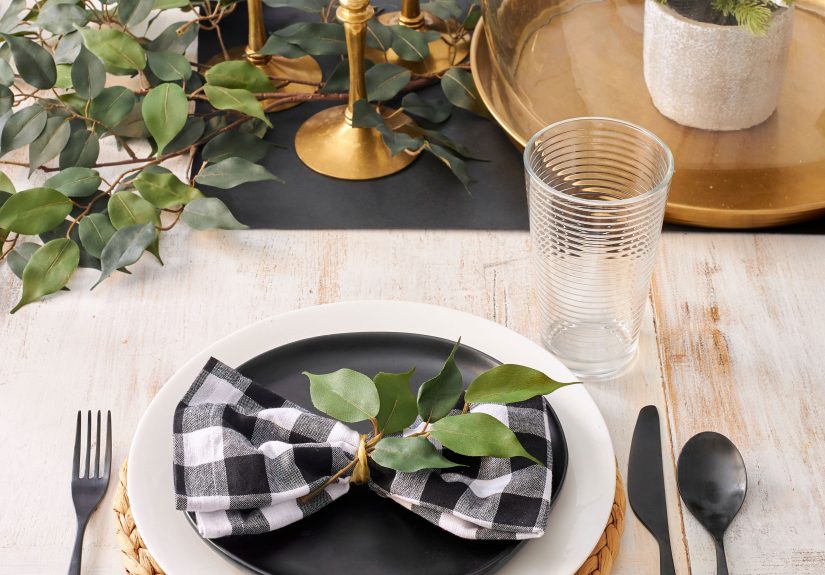
- 17) Napkin Rings That Go from Twine to Ribbon
- 18) A Fruit Bowl That Keeps It Real (Literally)
- 19) Mini Trees That Start in November
- 20) Window Glow Without the Fire Risk
- 21) A Garland on the Range Hood (Yes, Really)
- 22) Ornaments in a Cloche (Or Glass Jar) as a December Swap
- 23) The Velvet Bow Upgrade (A Tiny Trend with Big Payoff)
- 24) Stair Rail Greenery That Starts Neutral
- 25) Outdoor String Lights That Carry the Whole Season
- How to Make It Look Intentional (Not Like Two Holidays Got in a Fistfight)
- Conclusion
- Real-Life Decorating Experiences (The Stuff No One Warns You About)
- Experience #1: The “Where Do I Put This Later?” Problem
- Experience #2: Decorating Fatigue Is Real (and It’s Not a Personality Flaw)
- Experience #3: Real Greenery Is Gorgeous… and Occasionally Dramatic
- Experience #4: Kids and Pets Will Participate, Whether You Invited Them or Not
- Experience #5: Hosting Changes What Matters
- Experience #6: The Best Decor Is the Kind You Actually Use
Fall decorating is basically the official sport of “cozy.” Christmas decorating is the grand finale. And the awkward space between them? That’s where people either (a) keep a sad pumpkin on the porch until January or (b) redecorate five times and lose feeling in their hot-glue hand. Let’s choose option (c): a season-long festive feel that evolves smoothlyfrom harvest vibes to holiday sparklewithout turning your home into a storage unit for decorative gourds.
The trick is simple: build a flexible foundation (neutral textures, natural elements, warm lighting), then swap in smaller “signal pieces” as the calendar flips. Think: mums to evergreens. Pumpkins to ornaments. Wheat to ribbon. Same base, different mood. Your house stays festive, and you stay sane.
Quick Table of Contents
The 3-Step “Swap, Don’t Start Over” Formula
1) Pick a calm base that works for both seasons
Neutrals, wood, baskets, glass, metal, evergreen tones, and warm white lights are your MVPs. They read “autumn” with pumpkins and amber, and they read “holiday” the second you add ribbon, ornaments, or berries.
2) Choose two accent colors that can travel
Instead of chasing every trend, choose two accents you genuinely like. Great “bridge” combos: deep green + brass, burgundy + cream, navy + gold, or chocolate brown + copper. They feel fall-friendly now and holiday-ready later.
3) Swap small, high-impact pieces every 2–3 weeks
Your “signal pieces” are what visitors notice: wreath, mantel focal point, coffee table centerpiece, entryway vignette, and porch planters. If those evolve, the whole home feels updatedeven if the throw blanket hasn’t moved since September.
A 60-Second Safety Check (Worth It)
- Go flameless where possible: LED candles look great and reduce worryespecially around kids, pets, and drapery.
- Check your lights: Inspect cords for fraying, cracked sockets, or loose bulbs. If it looks sketchy, it is sketchy.
- Don’t overload outlets: Use power strips safely and follow the manufacturer’s guidance for connecting strands.
- Fresh greenery + heat = faster drying: Keep greens away from fireplaces, direct sun, and heating vents. Mist or hydrate if appropriate.
25 Easy Decorations That Transition from Fall to Christmas
Each idea below is designed to last through multiple weeksso you can decorate once, then “level up” with quick swaps when Thanksgiving ends and December begins.
1) The “Base Wreath” with Swappable Accents
Start with a grapevine, eucalyptus, magnolia, or faux evergreen wreath. For fall, tuck in mini pumpkins, dried leaves, or wheat picks. For Christmas, remove those and add a velvet bow, ornaments, or berry stems. One wreath form, two seasonsno storage drama.
2) Porch Planters That Graduate from Mums to Evergreens
Use one pair of sturdy planters at your front door all season. In fall: mums, ornamental kale, and small pumpkins. In winter: swap plants for pine/fir branches, red twig stems, and pinecones. The containers stay; the insert changes.
3) Lantern Fillers You Can Change in 30 Seconds
Tall lanterns are basically “decor containers” with ambition. Fill them with mini pumpkins and faux leaves in October and November. In December, replace with ornaments, sprigs of greenery, and a big flameless pillar candle.
4) A Basket of Cozy That Lives by the Sofa
Place a lidded basket or open tote next to your couch. Load it with a chunky throw and two pillow covers for fall (plaid or cable knit). In December, swap pillow covers for velvet or winter white, and add a holiday-themed book or twinkle lights tucked along the rim.
5) The “Evergreen in a Vase” Centerpiece
Fill a low bowl or vase with evergreen fronds (fresh or faux). In November, nestle in pinecones and small pumpkins. In December, trade pumpkins for ornaments and a few berry stems. It’s the same arrangement, just wearing different shoes.
6) Dried Orange Slices That Work for Both Seasons
Dried oranges are fall-ish (warm, harvesty) and also classic holiday (citrus, spice, nostalgic). String them as a garland, pile them in a bowl, or layer them in lanterns with walnuts and greenery. Bonus: they store flat.
7) A Mantel “Gallery” That Swaps the Front Row
Keep your mantel’s tall pieces consistentmirror, framed art, or candlesticks. For fall, add small pumpkins and amber glass in the front row. For Christmas, replace with ornaments, mini trees, or a ribbon garland. The back row stays put; the front row does the seasonal talking.
8) A Bowl of Nature Finds (Pinecones, Acorns, Chestnuts)
Fill a wooden or ceramic bowl with pinecones and acorns. In fall, add dried leaves or mini gourds. In winter, tuck in greenery and a strand of warm white fairy lights. It’s low effort and looks like you have your life together.
9) Copper and Brass as the “Bridge Metals”
Metallics are the cheat code of seasonal decor. Copper feels autumnal; brass feels holiday-elevated. Use one metal tone in trays, candlesticks, or a vase. Then you only need to swap the soft accents around it.
10) A “Seasonal Scent Shelf” (Without Going Overboard)
Keep a small tray in the entry or kitchen with one candle (or flameless candle), one diffuser, and one natural element. Fall: apple/cinnamon notes with dried botanicals. Winter: pine/citrus notes with evergreen sprigs. Keep it subtleyour guests want festive, not “soap aisle.”
11) Paper Leaf-to-Snowflake Garland
Hang a garland line (twine or ribbon) once. Clip on paper leaves for fall. In December, swap leaves for paper snowflakes or small ornaments. Same line, new shapes, instant seasonal refresh.
12) The “One-Sentence” Chalkboard or Letter Board
Put a small sign in the kitchen or entryway and change the message as the season progresses. Fall: “Hello, Cozy.” Thanksgiving: “Grateful.” December: “Hot cocoa crew.” It’s tiny, cheap, and weirdly powerful.
13) A Mirror Garland That Starts Subtle
Drape a simple faux greenery garland around a mirror. In fall, keep it minimal and add one velvet ribbon tail. In Christmas season, weave in lights and tuck a few ornaments into the greenery. Your mirror just became a main character.
14) Plaid Now, Velvet Later
Use fall-friendly plaid in throws or pillow covers, then swap to velvet or winter-white textures in December. Keep the base pillows and inserts; change the covers only. Your storage bin will thank you.
15) A Three-Tier Tray That Evolves
Tiered trays shine in kitchens and dining areas. Fall: mini pumpkins, cinnamon sticks, tiny frames, and a mug of faux leaves. Winter: swap pumpkins for ornaments, add a small bottle-brush tree, and tie a ribbon around the tray’s handle.
16) The “Harvest-to-Holiday” Table Runner Layer
Start with a neutral runner (linen, burlap, or cotton). Add a fall layer on top: leaf sprigs or small gourds. Then swap to holiday accents: ornament clusters, berries, or mini trees. The runner stays; the toppings change.
17) Napkin Rings That Go from Twine to Ribbon
Fall napkin rings: twine with a tucked-in rosemary sprig or a tiny leaf. Holiday napkin rings: satin or velvet ribbon with a mini bell or evergreen tip. Same plates, totally different vibe.
18) A Fruit Bowl That Keeps It Real (Literally)
In fall, use apples and pears with a few mini pumpkins nearby. In winter, switch to oranges, pomegranates, and cranberries in a glass bowl. It decorates and snacks at the same time. Efficient and delicious.
19) Mini Trees That Start in November
Bottle-brush trees or small faux evergreens can appear early without screaming “Santa’s on the way.” In fall, keep them in neutral pots. In December, add tiny ornaments or a bow. It’s festive without being a jump scare.
20) Window Glow Without the Fire Risk
Add warm, soft light to windows with flameless candles or window silhouette lights. It feels cozy in November and magical in December. The vibe: “welcoming cottage,” not “interrogation room.”
21) A Garland on the Range Hood (Yes, Really)
Kitchens deserve seasonal decor too. A small wreath or garland on the range hood works for Thanksgiving hosting and Christmas baking. Keep it simple early (greenery only), then add ribbon or ornaments in December.
22) Ornaments in a Cloche (Or Glass Jar) as a December Swap
In fall, fill a glass cloche or jar with pinecones, acorns, or mini pumpkins. In December, pour in ornaments and tuck a bit of greenery at the base. It’s the easiest “designer look” you can make with one hand.
23) The Velvet Bow Upgrade (A Tiny Trend with Big Payoff)
Add velvet bows to wreaths, garlands, stockings, dining chairs, or even a vase. For fall, pick a deep tone like burgundy or forest green. For Christmas, go classic red, champagne, or plaid. Bows are basically decor’s version of mascara: quick, dramatic, and oddly confidence-boosting.
24) Stair Rail Greenery That Starts Neutral
Wrap a banister with faux greenery and secure it well (adhesive hooks can help). For fall, weave in leaf stems or small pinecones. For Christmas, swap to ribbon and a few ornaments. Same rail, new season.
25) Outdoor String Lights That Carry the Whole Season
Warm white string lights work from early fall gatherings through New Year’s. Pair them with pumpkins and mums in fall, then add wreaths or bows in December. Lights are the one decoration that improves nearly everything (including your mood).
How to Make It Look Intentional (Not Like Two Holidays Got in a Fistfight)
- Limit your “loud” items: One statement wreath + one statement mantel is enough.
- Repeat materials: If you use wood + glass on the mantel, echo wood + glass in the centerpiece.
- Use the rule of threes: Group decor in threes (or fives) for a balanced look.
- Keep one neutral “rest zone”: Let at least one surface stay mostly clear so your eyes can breathe.
Conclusion
A season-long festive home doesn’t require a complete re-do every time the calendar changes. Build a flexible base, choose a simple color plan, and swap a few high-impact accents as you move from fall to Christmas. You’ll get the cozy harvest mood, the holiday sparkle, and the rarest seasonal gift of all: a living room that doesn’t look like it lost a battle with a craft store.
Real-Life Decorating Experiences (The Stuff No One Warns You About)
Here’s what tends to happen in actual homes (not just in perfectly staged photos): you start with the best intentions, then life shows up with muddy shoes, surprise guests, pets who think pinecones are chew toys, and a schedule that doesn’t care about your “mantel vision board.” The good news is that the season-long approach is built for realitybecause it expects interruptions.
Experience #1: The “Where Do I Put This Later?” Problem
People often buy decor based on a moment of inspiration and only later realize it comes with a second job: storage. Oversized seasonal signs, bulky figurines, and oddly shaped wreaths take up space fast. In practice, the most-loved items are usually the flat or stackable ones: pillow covers, ribbon, garlands, string lights, and a few sturdy containers (lanterns, bowls, baskets). If an item can’t nest, fold, or fit in a bin, it tends to become the first thing you “accidentally” donate next spring.
Experience #2: Decorating Fatigue Is Real (and It’s Not a Personality Flaw)
The stretch from October through December is busy: school events, work deadlines, travel, and hosting. Many people discover that constantly redecorating feels fun for about a week, then becomes a background stressor (“I still haven’t changed the porch!”). That’s why the base-and-swap method works so well: you get a finished look early, and later you only adjust small pieceslike switching pumpkins for ornaments in the same bowl.
Experience #3: Real Greenery Is Gorgeous… and Occasionally Dramatic
Fresh greens smell amazing and look expensive, but they can shed, dry out, or droop if placed near heat. In real homes, the happiest compromise is mixing: use faux garland as your structure, then tuck small bunches of fresh greenery into spots you can easily refresh (like a centerpiece bowl or a porch planter). That way you get the scent and texture without the “why is the fireplace eating my garland?” moment.
Experience #4: Kids and Pets Will Participate, Whether You Invited Them or Not
In households with kids or pets, “low and breakable” decorations become a contact sport. People often end up moving delicate items higher (mantels, shelves) and leaning into soft decor (bows, textiles, unbreakable ornaments, flameless candles). This is not “giving up.” This is wisdom. You can still have a festive homejust one that doesn’t require daily negotiations with a curious cat.
Experience #5: Hosting Changes What Matters
When guests come over, they notice your entryway, your dining table, and anywhere food appears. That’s why the most effective seasonal updates are usually: a wreath (front door), a porch glow (lights/lanterns), and a table moment (runner + centerpiece). People rarely remember whether your guest bedroom had a perfect vignette, but they will remember feeling welcomed when they walked in.
Experience #6: The Best Decor Is the Kind You Actually Use
A fruit bowl that gets refilled, a cozy throw that gets grabbed, a lantern that moves from porch to dining tablethese pieces earn their keep. Over time, many decorators drift toward practical beauty: fewer single-purpose knickknacks, more versatile items that can be restyled. That’s exactly what a season-long festive plan is: reusable foundations plus a small set of seasonal “signals.” It looks curated because it is curatedby your real life.