Table of Contents >> Show >> Hide
- How to Shop Flea Markets Like You Have a Styling Degree
- The 23 Vintage-Aesthetic Moves
- 1) Choose one “anchor” vintage piece per room
- 2) Build a gallery wall with mismatched frames
- 3) Use a vintage mirror to make a room feel brighter (and older in the best way)
- 4) Swap modern hardware for vintage knobs and pulls
- 5) Layer old textiles for softness and authenticity
- 6) Stack vintage books like a stylist
- 7) Bring in patina metals: brass, pewter, copper, and iron
- 8) Make ceramics do double duty: useful + decorative
- 9) Turn a vintage tray into an instant “moment”
- 10) Style with the rule of odd numbers
- 11) Use vintage art to add soul (and skip generic prints)
- 12) Upgrade lighting with a flea market lamp (then make it safe)
- 13) Add wicker or rattan for an easy “lived-in” layer
- 14) Repurpose a vintage ladder as storage
- 15) Use vintage suitcases as side tables or under-bed storage
- 16) Turn old crates and baskets into organized storage
- 17) Create a “collected” tablescape with mismatched dishware
- 18) Make a vintage bar or coffee station
- 19) Display old kitchenware as decor you actually use
- 20) Lean into patternespecially florals, gingham, and chintz
- 21) Use apothecary jars and small bottles for bathroom charm
- 22) Add a “found” moment with architectural salvage
- 23) Curate seasonal vignettes with flea market treasures
- Quick Cleanup and Safety Checklist (Because Vintage Shouldn’t Be “Mysterious”)
- of Flea Market Experience (So You Don’t Learn the Hard Way)
- Conclusion
Flea markets are basically time travel with price tags. One booth is all “French country farmhouse,” the next is
“1970s lake cabin,” and somewhere in the middle you’ll spot a brass candlestick that whispers,
“Take me home, I’ll make your bookshelf look expensive.”
If you love a vintage aestheticwarm, collected, a little imperfect in the best wayflea market finds are your
secret weapon. Unlike big-box decor, secondhand pieces come with patina, quirks, and a history you can feel.
The trick is styling them so your home looks curated (charming!) rather than like you’re storing your aunt’s
attic (confusing!).
Below are 23 practical, design-forward ways to create vintage home decor using thrift store and flea market
findsplus a longer “been there, thrifted that” experience section at the end to help you shop smarter and
style with confidence.
How to Shop Flea Markets Like You Have a Styling Degree
Before we get into the fun stuff (turning $8 “junk” into “statement”), set yourself up for success. Flea markets
reward preparationbut they also reward the ability to laugh at yourself when you buy something that
absolutely does not fit in your car.
Go in with a loose plan, not a rigid script
A short wish list keeps you focusedthink: “a lamp,” “frames,” “something brass,” “a small side table.” If you
only hunt for one exact unicorn item, you’ll miss all the great almost-unicorns that make a home feel layered.
Bring the “three Ms”: Measurements, Money, and Mindset
- Measurements: jot down key sizes (sofa length, console width, nightstand height).
- Money: cash helps, but many vendors take cards; keep small bills for easy bargaining.
- Mindset: inspect items calmlyexcitement is how people buy wobbly chairs on purpose.
Inspect like a detective, not a critic
Scratches? Often fine. Loose joints? Fixable sometimes. Active wood damage, musty smells that won’t quit,
or upholstery that looks like it has had a long, complicated relationship with moisture? Leave it.
Vintage style is romantic. Mold is not.
Remember the “mix” is the magic
The most believable vintage aesthetic usually blends old and new. Too many old pieces can feel heavy; too many
new pieces can feel staged. A balanced mix lets your flea market decor shine without turning your living room
into a museum gift shop.
The 23 Vintage-Aesthetic Moves
1) Choose one “anchor” vintage piece per room
Start with a single flea market hero: a dresser, a sideboard, a trunk, a mirror, or a set of dining chairs.
One anchor sets the tone; everything else can support it. This prevents the “I bought 17 cute things and now
my room has no plot” problem.
2) Build a gallery wall with mismatched frames
Vintage frames are instant character. Mix sizes and finishesgilt, wood, black lacquerthen unify the look with
either a consistent mat color or a cohesive theme (botanicals, family photos, vintage maps, or line drawings).
Pro tip: even “bad” art looks better in a great frame.
3) Use a vintage mirror to make a room feel brighter (and older in the best way)
A slightly aged mirror adds depth and sparkle. Lean a large one on a mantel or hang it opposite a window to
bounce light. Bonus: vintage mirrors often have unique shapes you can’t easily replicate with new decor.
4) Swap modern hardware for vintage knobs and pulls
This is one of the fastest upgrades per dollar. Put glass knobs on a basic dresser, brass bin pulls on a
pantry cabinet, or porcelain knobs on a nightstand. Small change, big “collected over time” energy.
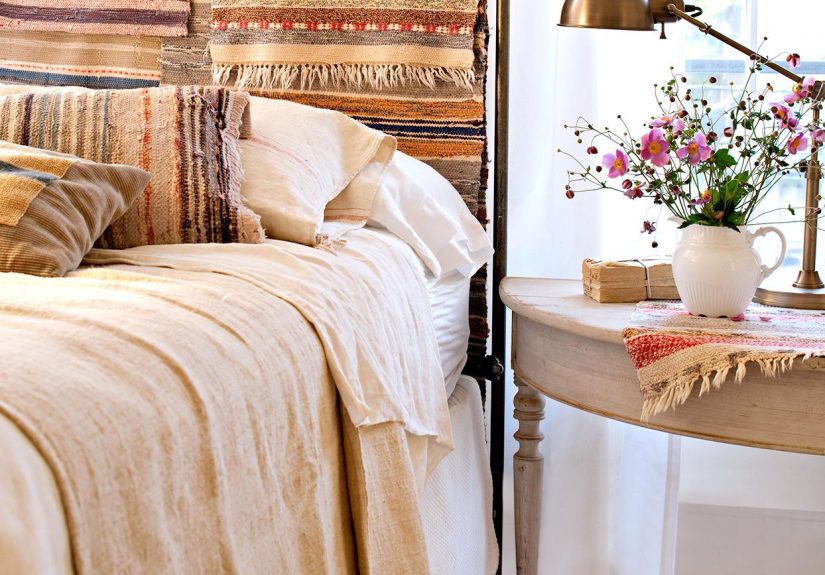
5) Layer old textiles for softness and authenticity
Quilts, crocheted throws, embroidered linens, and lace-edged pillowcases bring warmth without trying too hard.
Drape a quilt at the foot of the bed, toss a faded throw on a chair, or use vintage napkins as cocktail
napkins (your guests will feel fancy; you will feel smug).
6) Stack vintage books like a stylist
Old books add height and texture on coffee tables, consoles, and shelves. Use them as risers for a small vase
or candle, or stack by color family for a calmer look. Aim for “library charm,” not “textbook avalanche.”
7) Bring in patina metals: brass, pewter, copper, and iron
Patinated metal is vintage aesthetic gold. Look for candleholders, trays, bowls, or small picture frames.
Aged brass reads warm and elevated; iron reads rustic; copper reads cozy. Mix finishes, but repeat each finish
at least twice in a space so it feels intentional.
8) Make ceramics do double duty: useful + decorative
Hunt for vases, pitchers, crocks, and bowls. Use a ceramic pitcher for utensils, a crock for wooden spoons, or
a pretty bowl to corral keys. Even mismatched pieces can look cohesive when grouped by shape or color tone.
9) Turn a vintage tray into an instant “moment”
A tray is basically permission to style. On a nightstand: tray + hand cream + book + small dish. On a coffee
table: tray + candle + matches + small vase. On a bar cart: tray + glassware + bottle opener. It looks curated
and keeps clutter from wandering off like it pays rent.
10) Style with the rule of odd numbers
Group objects in threes (or fives) for a relaxed, designer-y look. For example: a small vase, a candleholder,
and a stack of books. Vary heights and textures so the grouping feels layered rather than lined up like
obedient children at picture day.
11) Use vintage art to add soul (and skip generic prints)
Flea markets are incredible for original art, sketches, etchings, and old prints. If you find something you
don’t love but the frame is perfect, buy it anywaythen swap in art you do love later. Vintage art adds a
sense of history no “motivational quote canvas” can compete with.
12) Upgrade lighting with a flea market lamp (then make it safe)
Vintage lamps instantly warm up a room. Look for interesting basesceramic, brass, carved woodthen plan to
replace the shade for a cleaner finish. If wiring looks questionable, get it rewired. Vintage charm is great;
sparky surprises are not.
13) Add wicker or rattan for an easy “lived-in” layer
Wicker and rattan can lean coastal, boho, cottage, or grandmillennial depending on what you pair it with.
Try a rattan basket under a console, a small wicker stool, or a vintage magazine rack. It softens hard edges
and makes a room feel human.
14) Repurpose a vintage ladder as storage
Lean a small ladder in a bathroom for towels, in a bedroom for blankets, or in a living room for throws.
It’s practical, sculptural, and gives “I have a story behind this” vibes without you saying a word.
15) Use vintage suitcases as side tables or under-bed storage
Stack two sturdy suitcases beside a chair, top with a small lamp, and you’ve got a functional end table with
secret storage. Under a bed, they’re perfect for off-season clothes or extra linens.
16) Turn old crates and baskets into organized storage
Vintage crates, wooden boxes, and woven baskets can hold blankets, toys, magazines, or pantry items. Use them
openly for texture, or tuck them into shelving for a tidy look. Labeling helps if your household includes
“where did I put the thing” enthusiasts.
17) Create a “collected” tablescape with mismatched dishware
Mismatched plates and glassware look intentional when you unify them by color palette (all blue-and-white,
all clear glass, or all warm neutrals). Mix in vintage flatware and linen napkins. It’s the easiest way to
make everyday dining feel specialwithout buying an entire matching set like a registry robot.
18) Make a vintage bar or coffee station
Use a small thrifted cart, a vintage cabinet, or a sideboard. Add a tray, glassware, and a couple of
statement bottles (or coffee canisters). A dedicated station creates that “grown-up home” feeland gives your
mugs a purpose besides living in a chaotic cabinet pile.
19) Display old kitchenware as decor you actually use
Wooden rolling pins, enamelware bowls, vintage cutting boards, and old canisters add charm in kitchens.
Hang a few on hooks, lean cutting boards against the backsplash, or store fruit in an enamel bowl.
Functional vintage is the sweet spot: pretty + practical.
20) Lean into patternespecially florals, gingham, and chintz
Vintage style loves pattern, but balance is key. If you find a floral tablecloth or patterned pillow covers,
pair them with calmer solids so the room doesn’t look like it’s wearing three shirts at once. Pattern works
best when it repeats subtly across a space.
21) Use apothecary jars and small bottles for bathroom charm
Vintage glass jars (with lids!) can hold cotton balls, bath salts, or hair ties. Add a small tray and a brass
soap dish, and suddenly your bathroom feels like a boutique hotelif that hotel also sells excellent face
moisturizer and questionable gossip.
22) Add a “found” moment with architectural salvage
Look for old corbels, carved wood panels, window frames, shutters, or small pieces of trim. Mount a pair of
corbels under a shelf, hang a weathered window frame as wall decor, or use shutters as a backdrop for hooks.
Salvage adds depth because it literally came from somewhere.
23) Curate seasonal vignettes with flea market treasures
Vintage pieces make seasonal decor feel timeless instead of disposable. Use a thrifted cake stand for winter
ornaments, a cloche for spring blooms, or old tins for fall branches. Rotate small moments rather than
redecorating the whole houseyour future self will thank you.
Quick Cleanup and Safety Checklist (Because Vintage Shouldn’t Be “Mysterious”)
Flea market finds are fun, but cleaning and safety are what make them livable. A few smart habits can keep your
vintage home decor looking beautifuland keep your house from smelling like “old library meets damp basement.”
- Hard surfaces: start with mild soap and warm water; dry thoroughly.
- Glass and mirrors: gentle cleaner; avoid soaking old frames.
- Wood: dust first; use a wood-safe cleaner; avoid over-oiling (sticky is not a finish).
- Textiles: wash if possible; consider sunning items outdoors to freshen.
- Upholstery: inspect seams and crevices; consider professional cleaning for larger pieces.
- Electrical: if cords are brittle or plugs look sketchy, rewire before use.
- Paint: very old painted items may contain lead; avoid sanding unless you know what you’re doing.
of Flea Market Experience (So You Don’t Learn the Hard Way)
Let’s talk about what flea market shopping actually feels likebecause the internet makes it look like you
casually stroll in, pick up a perfect antique mirror for $12, and glide home in golden-hour lighting while
French music plays. In real life, it’s more like: you arrive too late, you’re carrying a measuring tape like a
tiny lasso, and someone is aggressively negotiating over a chair that looks like it survived three college
apartments and a minor flood.
The first “experience lesson” most people learn is the measurement lesson. It usually goes like this:
you find a gorgeous vintage console with curved legs and a dreamy worn finish. You’re in love. Your brain is
singing. You buy it. Then you get home and discover it’s either (A) eight inches too wide for the space,
(B) eight inches too tall for the outlet you need to access, or (C) somehow both, like it’s auditioning to be
inconvenient. The solution is simple: write down your key measurements, keep them in your phone, and actually
look at them before you hand over money. Romantic? No. Effective? Extremely.
The second lesson is the “walk-away test.” When you see something exciting, give yourself a slow lap around
the booth. Ask: Do I love this item, or do I love the idea of being the kind of person who owns this item?
(These are not the same.) If you can walk away and still think about it ten minutes later, that’s a good sign.
If you forget about it the moment you see a brass candlestick with a little patina, congratulationsyou just
saved yourself from buying a weird wooden duck for no reason.
The third lesson is that negotiation is normal, but respect is non-negotiable. Vendors expect some back-and-forth.
A friendly “Would you take $40?” works better than a dramatic speech about how you “saw something similar online.”
Also: bundle shopping is powerful. If you’re buying three items, ask for a small bundle discount. Vendors often
prefer moving more pieces at once, and you’ll leave feeling like a savvy vintage wizard.
And then there’s the best part: the glow-up. You bring home an overlooked lamp base, clean it, add a fresh shade,
and suddenly your living room looks like it’s been curated by someone with taste and patience (even if you made
the decision in under 90 seconds while holding an iced coffee). That’s the real joy of flea market decor:
it’s not about copying a perfect catalog room. It’s about creating a space that feels personalbecause your
home is allowed to look like you live there, not like you’re staging it for a furniture commercial.
Conclusion
A vintage aesthetic isn’t one specific styleit’s a feeling: layered, warm, slightly storied, and uniquely yours.
Flea market finds give you the raw materials: frames with character, textiles with softness, metals with patina,
and pieces that make your rooms feel collected rather than copied.
Start with one anchor, mix eras thoughtfully, clean and edit as you go, and remember: the goal isn’t perfection.
The goal is a home that looks like it has a pastand feels good in the present.