Table of Contents >> Show >> Hide
- 1. Mixed Materials for Layered, Custom Curb Appeal
- 2. Vertical Siding and Board & Batten for Clean Modern Lines
- 3. Fire-Resilient, Sustainable Materials That Still Look Warm
- 4. Bold, Personality-Packed Siding Colors
- 5. Design-Before-You-Buy with Digital Siding Visualizers
- 6. Shingle and Wood-Look Siding for Texture and Charm
- How to Choose the Right 2025 Siding Trend for Your Home
- Real-World Experiences with 2025 Siding Trends
- Bringing It All Together
If you’ve ever stood on the sidewalk, stared at your house, and thought, “You deserve better,” 2025 is your year. Siding trends are getting smarter, bolder, and a lot more fun. Homeowners are mixing materials like fashion stylists, dialing up color like they’re picking phone wallpapers, and using AI-powered tools to try everything on virtually before a single nail goes in.
Whether you’re planning a full exterior makeover or just want to freshen up curb appeal, knowing where siding trends are headed can save you money, mistakes, and regret. Below are 2025’s top six siding trends that pair real-world durability with serious style so your home doesn’t just look good in listing photos, it looks good every day when you pull into the driveway.
1. Mixed Materials for Layered, Custom Curb Appeal
The biggest siding story of 2025 is simple: it’s no longer about picking one material and calling it done. Designers and contractors are mixing lap siding with stone, brick, stucco, metal, or shingle accents to create exteriors that look custom-built, even on production homes. Think fiber cement lap siding on the main body, vertical panels in the gable, and a stone-wrapped entry for texture and contrast.
This “mix-and-match” approach isn’t just about aesthetics. Using more durable, low-maintenance products on the most exposed walls and reserving wood or other high-maintenance materials for smaller accent areas can keep upkeep under control while still giving you that high-end look.
How to Try the Mixed-Material Look
- Limit it to 2–3 materials. More than that and your facade can start to feel like a siding showroom. A good formula: main siding + one accent siding + masonry (stone/brick) at the base or entry.
- Use materials to emphasize architecture. Wrap stone or brick around a porch, switch to vertical siding in gables, or use shingle siding on dormers to highlight shape and height.
- Repeat tones across materials. For example, pair warm taupe lap siding with stone that has similar beige and gray notes so everything feels cohesive rather than random.
If you love the custom-home look on Pinterest and Houzz, mixed materials are the siding shortcut to getting there in real life.
2. Vertical Siding and Board & Batten for Clean Modern Lines
Horizontal lap siding will always be a classic, but vertical siding is having a major moment. Board and battenwide vertical boards with narrow battens covering the seamshas jumped from rustic barns to modern farmhouses and contemporary builds. Those vertical lines draw the eye upward, making homes appear taller and more tailored.
Contractors report more homeowners asking for full-height vertical siding or combining it with horizontal lap for added interest. Board and batten in fiber cement, engineered wood, and vinyl gives you the charming look without the constant scraping and repainting traditional wood requires.
Where Vertical Siding Works Best
- Gables and entries. Using board and batten in gables while keeping the main walls horizontal creates subtle contrast that still feels traditional.
- Modern boxes and additions. On more contemporary homes, full sections of vertical panels emphasize clean geometry and pair well with large windows and simple trim.
- Small homes and cottages. The vertical lines help cozy homes feel taller and more architecturally defined.
Color plays a big role here too. White board and batten with natural wood accents still rules the modern farmhouse look, but 2025 is also bringing charcoal, slate, and deep navy vertical siding for a sleeker vibe.
3. Fire-Resilient, Sustainable Materials That Still Look Warm
Environmental stressfrom wildfires to temperature swingsis shaping siding choices as much as style boards. Homeowners in fire-prone regions are prioritizing noncombustible or fire-resistant siding that can mimic the warmth of wood without the risk. Fiber cement, engineered wood with fire-resistant treatments, and metal siding are all trending for their durability and safety profile.
At the same time, sustainability is firmly on the radar. Many popular options now use recycled content, have long lifespans, and require minimal repainting or replacement, which keeps materials out of landfills. Modern fiber cement and advanced vinyl, for example, are engineered for long-term performance and can be recycled or repurposed in various ways.
What This Means for Your Exterior
- Better performance in tough climates. Fiber cement and metal resist rot, insects, and warping, making them ideal in regions with moisture, heat, or freeze-thaw cycles.
- Wood look without wood drama. Many fire-resilient products come in rich wood-grain finishescedar, redwood, or weathered grayso you get the cozy cabin look minus the constant staining and worry.
- Potential insurance and resale benefits. In high-risk areas, upgrading to noncombustible siding may support better insurance options and is increasingly attractive to buyers who understand climate risk.
If you’re already planning a re-siding project, 2025 is a smart year to upgrade not just how your home looks, but how it stands up to the elements.
4. Bold, Personality-Packed Siding Colors
For years, exteriors have been dominated by “safe” colorsgrays, beiges, and soft whites. Those neutrals are still popular, but 2025 is all about turning up the volume. Deep blues, moody greens, and even rich reds are showing up on more homes, particularly when paired with crisp white or black trim.
Color manufacturers and siding brands are highlighting deep navy, forest green, slate, and inky charcoal as hero hues. Darker siding colors can make trim, stone, and metal accents pop, and they look especially striking on homes with simple, modern lines. Wood-tone siding is also staying strong, especially medium and dark stains that give warmth and dimension.
Color Tips So You Don’t Regret It Later
- Anchor with neutrals. If you go bold on the bodysay, dark blue sidingkeep the trim and accents neutral (white, black, or light gray) so the overall look doesn’t feel chaotic.
- Test in real light. Paint or siding samples always look different in morning versus afternoon sun. Tape them up on multiple sides of your house and live with them for a few days.
- Use bold shades as accents if you’re nervous. Try color on a single gable, dormer, or front porch wall before committing the entire facade.
The old rule of “blend in with the neighbors” is getting replaced by “stand out respectfully.” You don’t need a neon green house, but a rich color with thoughtful trim choices can dramatically increase curb appeal.
5. Design-Before-You-Buy with Digital Siding Visualizers
The most underrated siding trend in 2025 isn’t a color or materialit’s technology. AI-powered visualizer tools from siding and building brands let you upload a photo of your home, then experiment with different siding profiles, colors, trims, and roofing in a few clicks. Some tools even generate detailed 3D models based on a handful of smartphone photos.
Instead of standing in the driveway squinting at tiny swatches, homeowners can “try on” navy fiber cement, white board and batten, and stone accentsall before signing a contract. Contractors love these tools too, because they help set clear expectations and reduce change orders.
How to Get the Most from Visualizers
- Use an accurate photo. Take a straight-on shot with good daylight so the tool can recognize rooflines and wall areas more precisely.
- Compare a few schemes side by side. Save two or three favoritesperhaps a bold option, a safer option, and a hybridand review them with other decision-makers in the house.
- Bring your contractor into the conversation. Share your saved designs so your pro can weigh in on what will work best with your home’s architecture and budget.
If you’re indecisive or you and your partner have very different taste, these tools can be the neutral “tie-breaker” that helps everyone see the same vision.
6. Shingle and Wood-Look Siding for Texture and Charm
Another big siding trend for 2025 is texture. Homeowners are leaning into shingle siding and wood-look products to add softness and character, especially on coastal-inspired homes, cottages, and bungalows. Cedar-style shingles in fiber cement or engineered wood give that timeless, hand-crafted look but are far less needy than natural cedar.
Wood-look lap and vertical siding in realistic graining and multi-tone finishes are also growing. These products deliver the cozy, organic vibe people love while staying resistant to pests, moisture, and fading. When combined with smooth panels or masonry, textured siding gives the facade visual depth that reads beautifully from the street.
Best Ways to Use Shingle and Wood-Look Siding
- In gables and upper levels. Shingles in upper stories or dormers create that classic “storybook” charm without overwhelming the entire home.
- On porches and bump-outs. Wrapping a bay window or covered porch in wood-look siding makes these areas feel like intentional design moments.
- As a warm counterbalance to dark colors. Pair wood-tone siding with charcoal or navy panels for a modern yet inviting contrast.
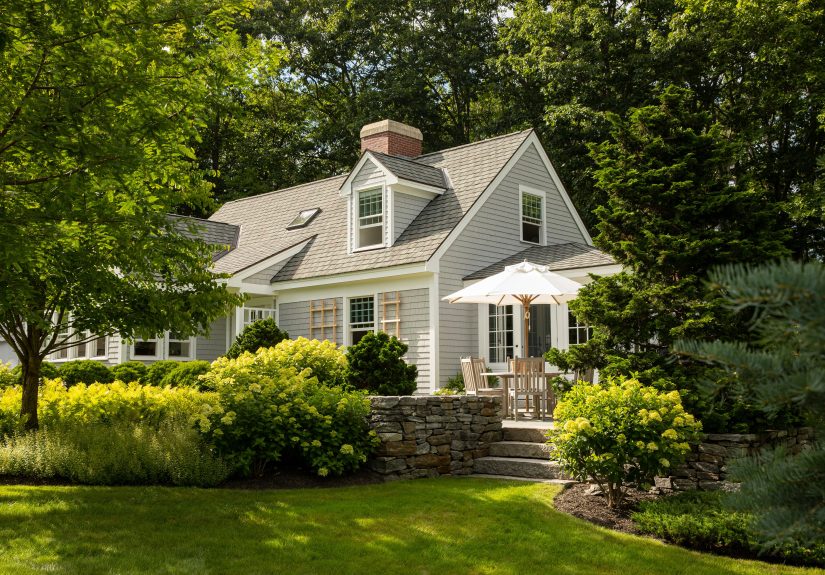
If you’ve ever loved the look of a shingled Cape Cod or craftsman bungalow, this trend lets you borrow that charm and adapt it to your own home’s style.
How to Choose the Right 2025 Siding Trend for Your Home
With so many siding ideas on the table, it’s easy to get overwhelmed. Before you fall in love with a dark green board-and-batten farmhouse on Instagram, run through a quick reality check:
- Climate: Do you deal with wildfires, hurricanes, hail, or extreme heat? If yes, prioritize fiber cement, metal, or other high-performance options first, then pick colors and profiles from there.
- Architecture: A 1920s bungalow, a 1990s two-story, and a new modern box all look best in different siding patterns. Use trends to enhance your home’s inherent style, not fight it.
- Maintenance: Be honest with yourself. Are you really going to restain wood every few years? If not, choose a low-maintenance material in a wood-look finish.
- HOA and neighborhood context: Some neighborhoods welcome bolder exteriors; others are more traditional. You want your home to stand out in a good way, not start a war at the next HOA meeting.
Once you know your constraints, the fun partpicking colors, textures, and patternsgets a lot easier.
Real-World Experiences with 2025 Siding Trends
Trends are nice on paper, but how do they play out in real life? Here’s what it can look like when homeowners and contractors actually lean into 2025’s top siding ideas.
The Mixed-Material Makeover That Sold the House
Laura and Marcus owned a 1990s two-story that still had its original, fading vinyl. Instead of swapping like-for-like, they worked with a contractor to combine fiber cement lap siding on the main walls, board and batten in the front gables, and a stone skirt around the porch. They used a siding visualizer first to test several color combinations.
They landed on a deep blue-gray body, warm stone, and crisp white trim. The project wasn’t the cheapest option, but it completely transformed the house. When they put the home on the market a year later, buyers kept commenting on the “custom” exterior. The home sold quickly and appraised at the top of their neighborhood rangeproof that thoughtful siding upgrades can have a real return.
Vertical Siding in a Tough Climate
In a snowy Midwestern town, a family wanted the modern farmhouse lookvertical siding, warm wood, black windowsbut worried about the harsh winters. Their contractor recommended fiber cement board and batten on the front facade and standard lap siding on the less visible sides to keep costs in check.
They chose a soft white vertical panel on the front, medium gray lap siding elsewhere, and a wood-look entry accent. Not only did the home stand up beautifully to ice and wind, but the vertical front made the otherwise simple two-story feel more architectural and upscale. The owners joke that they now get strangers slowing down to snap photos from the street.
Fire-Resilient Siding for Peace of Mind
On the West Coast, Tim and Alexis had a different priority: wildfire risk. Their neighborhood had already experienced one evacuation. When they re-sided their home, they went all-in on noncombustible materialsfiber cement siding, metal trim, and minimal exposed wood near the ground. They still wanted warmth, so they chose a medium wood-tone finish for some of the fiber cement panels and a soft, earthy green for the main body.
Now, they have an exterior that satisfies both their insurance company and their design-loving hearts. They admit it wasn’t the cheapest route, but being able to say “we’ve done everything we reasonably can” when fire season rolls in is priceless.
Decision-Shy Homeowners Saved by Visualizers
Then there are the indecisive folksmaybe this sounds familiar. A couple in a suburban cul-de-sac knew their old aluminum siding had to go, but every color sample looked wrong. Their contractor introduced them to an AI-powered siding visualizer. They uploaded a photo of their house, tried a handful of schemes, and quickly realized that the trendy dark charcoal they thought they wanted felt too heavy on their small home.
After playing around, they chose a lighter greige for the body, dark trim, and a wood-look accent around the entry. Seeing the before-and-after images next to each other made them confident in the decision. When the job was done, the finished look closely matched what they’d seen on screenno unpleasant surprises.
What Homeowners Say After Living with These Trends
Ask homeowners a year or two after installation, and common themes emerge:
- “I’m glad we went low-maintenance.” People rarely regret choosing materials that need less scraping, staining, and repainting.
- “Mixing materials made the house feel more ‘ours.’” Combining siding styles is one of the easiest ways to make a familiar floor plan feel unique.
- “I wish we’d tested colors sooner.” Almost everyone who used a visualizer says they’d never choose exterior colors again without one.
In other words, the 2025 siding trends aren’t just prettythey’re practical. They help real families create exteriors that are more durable, more personal, and a lot more fun to come home to.
Bringing It All Together
From mixed materials and vertical siding to fire-resilient products, bold colors, digital visualizers, and textured shingle or wood-look finishes, 2025’s top siding trends all share the same goal: a home exterior that works as hard as it looks. You don’t have to adopt every trend at once. Start with what matters mostsafety, maintenance, or styleand build out from there.
Use visualizer tools to narrow down colors and combinations. Talk with local contractors about what actually performs in your climate. Then choose a design that feels like an upgrade not just for your curb appeal, but for your everyday life. After all, the best siding trend for your home is the one that still makes you smile five, ten, and fifteen years from now.