Table of Contents >> Show >> Hide
- Why Learning How to Cope With Life Matters
- 16 Ways to Cope With Life in a Healthy, Realistic Way
- 1. Name What Is Actually Stressing You Out
- 2. Turn the Giant Mess Into One Next Step
- 3. Protect Your Sleep Like It Is an Important Meeting
- 4. Move Your Body, Even if You Are Not in a Fitness Era
- 5. Use Slow Breathing to Calm Your Nervous System
- 6. Cut Back on Doomscrolling and Constant Input
- 7. Eat and Hydrate Before You Declare Life Impossible
- 8. Write Things Down Instead of Carrying Them All in Your Head
- 9. Talk to One Safe Person
- 10. Replace Harsh Self-Talk With Useful Self-Talk
- 11. Build Tiny Routines That Give Your Day Structure
- 12. Make Room for Joy, Humor, and Things That Feel Like You
- 13. Change Your Environment When Your Mind Feels Stuck
- 14. Do Something Helpful for Someone Else
- 15. Learn Your Triggers and Set Better Boundaries
- 16. Get Professional Help Before You Hit Empty
- Common Mistakes People Make When Trying to Cope
- Real-Life Experiences: What Coping With Life Often Looks Like
- Final Thoughts
- SEO Tags
Some days, life feels manageable. Other days, it feels like your brain has 47 browser tabs open, one is playing music, and you cannot figure out which one. That is where coping comes in. Coping is not about pretending everything is fine, slapping on a smile, and becoming a motivational poster in human form. It is about learning how to respond to stress, disappointment, uncertainty, and everyday pressure in ways that protect your health instead of draining it.
Healthy coping does not have to look dramatic or expensive. It usually looks surprisingly ordinary: sleeping enough, getting out of the chair, texting someone back, taking one deep breath before answering that message, eating lunch before a meltdown, and admitting that you are overwhelmed instead of trying to win an imaginary award for “Most Functional While Falling Apart.” Small actions are often the first things that keep hard seasons from getting harder.
In this guide, you will find 16 practical ways to cope with life, plus real-world experiences that show what coping actually looks like outside self-help slogans and perfectly staged morning routines. The goal is not perfection. The goal is steadiness, resilience, and a little more peace in the middle of real life.
Note: This article is for educational purposes only and is not a substitute for personal medical or mental health care. If stress is disrupting daily life or you feel unsafe, seek help from a licensed professional or local crisis support right away.
Why Learning How to Cope With Life Matters
Stress is part of being alive. Bills appear. Plans change. People disappoint you. Your body gets tired. Your mind gets loud. A healthy coping strategy does not erase those realities, but it can reduce the damage they do. When people cope well, they are more likely to think clearly, sleep better, stay connected, and bounce back faster after setbacks. When they cope poorly, stress tends to leak into everything: mood, focus, appetite, energy, work, relationships, and physical health.
That is why the best coping strategies are not magical fixes. They are repeatable habits that help regulate your body, calm your thoughts, and keep you connected to support. In other words, coping is less about “fixing your whole life by Tuesday” and more about building a system that helps you survive tough weeks without becoming a stranger to yourself.
16 Ways to Cope With Life in a Healthy, Realistic Way
1. Name What Is Actually Stressing You Out
Stress gets bigger when it stays vague. “Everything is wrong” feels impossible; “I am worried about money, behind on sleep, and avoiding one hard conversation” is more useful. Naming the stressor helps your brain shift from panic mode into problem-solving mode. Try writing a simple sentence: I feel stressed because… Then finish it honestly. Clarity is not glamorous, but it is powerful.
2. Turn the Giant Mess Into One Next Step
When life feels heavy, your brain loves to show you the entire mountain at once. That is rude, frankly. Instead of asking, “How do I fix everything?” ask, “What is the next helpful thing?” Maybe it is paying one bill, scheduling one appointment, cleaning one corner of the room, or replying to one email. Forward motion beats perfect plans every time.
3. Protect Your Sleep Like It Is an Important Meeting
Because it is. Lack of sleep makes stress louder, patience shorter, and coping harder. If your life feels chaotic, sleep is one of the most practical places to start. Keep a consistent bedtime when possible, dim screens before bed, limit late caffeine, and give your mind a landing strip by writing down tomorrow’s worries on paper. You do not need a “sleep aesthetic.” You need rest.
4. Move Your Body, Even if You Are Not in a Fitness Era
Exercise helps release tension, improve mood, and reduce the physical load of stress. That does not mean you need to transform into a person who joyfully does burpees at sunrise. A brisk walk, stretching, dancing in the kitchen, swimming, biking, or twenty minutes of anything that gets you moving counts. Movement tells your body, “We are not stuck. We are still going.”
5. Use Slow Breathing to Calm Your Nervous System
When stress spikes, your body speeds up. Slow breathing helps send the opposite message. Try inhaling gently, pausing, then exhaling longer than you inhaled. Do it for a few rounds. This is not fake peace. It is a physical tool that can reduce the sense of being hijacked by tension. It will not solve your inbox, but it can keep your inbox from solving you.
6. Cut Back on Doomscrolling and Constant Input
Staying informed is one thing. Marinating in nonstop bad news, arguments, and comparison is another. Too much input can leave you emotionally overcaffeinated. If you notice that social media, headlines, or group chats are making you feel worse, create limits. Check news at set times. Mute accounts that spike your stress. Give your brain some quiet. It has been through enough.
7. Eat and Hydrate Before You Declare Life Impossible
Sometimes the emotional crisis is real. Sometimes it is real and also you have not eaten since 10 a.m. Both can be true. Blood sugar swings, dehydration, and skipped meals can make stress feel sharper than it already is. Keeping simple foods on hand, drinking water, and eating regularly are not boring chores. They are coping tools with excellent public relations teams waiting to happen.
8. Write Things Down Instead of Carrying Them All in Your Head
Journaling does not have to be poetic. You do not need candlelight, perfect handwriting, or a notebook named something like “Moonlit Reflections.” A few honest lines can help: what happened, how you feel, what you need, and what you can do next. Writing helps organize emotional clutter and can make patterns easier to spot over time.
9. Talk to One Safe Person
Coping gets harder in isolation. You do not need a crowd. You need at least one person who can listen without making the moment worse. That could be a friend, sibling, partner, parent, mentor, therapist, coach, or faith leader. You are not weak for needing support. Human beings are built for connection. Even a short message like “I’m having a rough day and could use a check-in” can help.
10. Replace Harsh Self-Talk With Useful Self-Talk
Stress often comes with an inner commentator who sounds like a disappointed sports announcer. “You are behind. You are failing. Everyone else is handling life better.” That voice is not helping. Try a more accurate script: “This is hard, but I can take one step.” “I am overwhelmed, not incapable.” “I do not need to solve the whole week tonight.” Self-talk is not fluff. It shapes how your brain interprets stress.
11. Build Tiny Routines That Give Your Day Structure
When life feels unstable, routines create stability. You do not need an eleven-step morning ritual designed by a productivity influencer with suspiciously little laundry. Start small. Make the bed. Step outside for five minutes. Eat breakfast. Review the day’s top three priorities. Stretch before showering. Tiny routines reduce decision fatigue and can keep bad days from becoming shapeless days.
12. Make Room for Joy, Humor, and Things That Feel Like You
Coping is not only about reducing pain. It is also about increasing moments that remind you life is still worth participating in. Watch something funny. Listen to music you love. Garden. Bake. Paint. Play basketball. Rewatch that movie you know by heart. Joy is not denial. It is maintenance. Laughter will not pay your bills, but it can make you feel human enough to go pay them.
13. Change Your Environment When Your Mind Feels Stuck
A shift in scenery can interrupt a spiral. Go outside. Sit in a park. Work from a library. Walk around the block. Open a window. Clean off your desk. Nature, light, and physical space changes can reduce the feeling that you are trapped inside the same stressful loop. Sometimes a different room really does help you find a different thought.
14. Do Something Helpful for Someone Else
When stress turns your world inward, a small act of service can widen your perspective. Check on a friend. Help a neighbor. Bring someone a meal. Volunteer for an hour. This is not about ignoring your own needs. It is about remembering that usefulness and connection can coexist with struggle. Helping others often reminds you that you still have something valuable to give.
15. Learn Your Triggers and Set Better Boundaries
Some stress is unavoidable. Some of it keeps arriving because your boundaries are on vacation. Notice what consistently pushes you over the edge: overscheduling, people-pleasing, toxic conversations, chaotic mornings, late-night work, unrealistic expectations, or saying yes when you mean no. Healthy coping includes prevention. Boundaries are not selfish; they are often the difference between functioning and frying your last nerve.
16. Get Professional Help Before You Hit Empty
There is no bonus prize for waiting until everything falls apart. If anxiety, sadness, stress, trauma, or burnout are making daily life harder, getting support from a therapist, counselor, physician, or other licensed professional can make a real difference. Asking for help is not failure. It is strategy. And strategy looks very good on adults.
Common Mistakes People Make When Trying to Cope
Many unhealthy coping habits work in the short term, which is exactly why they are so tempting. Avoiding everything, numbing out with endless scrolling, isolating yourself, overworking, skipping meals, lashing out, or pretending you are fine can provide temporary relief. The problem is that they usually make stress worse later. Healthy coping is sometimes less immediately satisfying than avoidance, but it is far more effective over time.
Another common mistake is expecting coping to feel impressive. Usually it feels basic. Annoyingly basic, even. Drinking water is not dramatic. Going to bed on time is not cinematic. Taking a walk will not earn a standing ovation. But these small actions create the physical and emotional stability needed to handle life with more resilience.
Real-Life Experiences: What Coping With Life Often Looks Like
In real life, coping rarely begins with a grand breakthrough. It often begins with someone admitting, quietly and maybe a little reluctantly, that what they are doing is not working. A young professional may look successful from the outside while quietly unraveling from long hours, poor sleep, and constant pressure to be available. At first, they may cope by pushing harder, staying up later, and treating rest like a reward they have not earned. Eventually, their body protests. They feel irritable, scattered, and exhausted. The turning point is not some magical morning when they suddenly love wellness. It is the moment they realize that basic habits matter. They start going to bed earlier, walking after work, and setting a cutoff time for emails. None of that is glamorous. All of it helps.
Parents and caregivers often describe coping as learning how to function without waiting for life to become easy first. A parent with two kids, aging parents, and a full-time job may spend months feeling like they are failing every role at once. They may think coping means becoming more efficient, but what actually helps is becoming more supported. That might mean asking a sibling to help with appointments, accepting a neighbor’s offer to watch the kids for an hour, or finally saying, “I can’t do this alone.” Their stress does not vanish, but it becomes more shared, and shared stress is often more survivable than silent stress.
Students and young adults often experience coping as a shift away from extremes. They bounce between doing too much and shutting down completely. During a hard semester, a student may try to power through with caffeine, panic, and self-criticism. They tell themselves they work best under pressure, which is technically one way to describe chaos. Over time, they learn that coping is not about becoming emotionless. It is about structure. They start using a planner, breaking assignments into smaller chunks, studying with a friend, and limiting late-night scrolling that keeps their brain buzzing. The workload may stay heavy, but they no longer face it with only adrenaline and vibes.
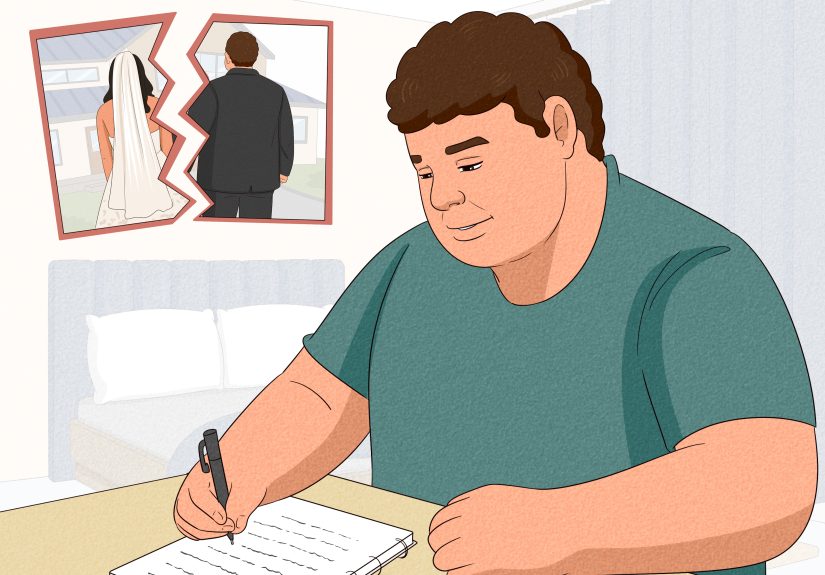
People going through grief, divorce, job loss, or major life change often describe coping as messy progress. One week they feel steady. The next week they cry in a grocery store because a song came on or the cereal aisle was too quiet. Healthy coping in those seasons does not mean never falling apart. It means having a way to come back together. They may journal, go to therapy, join a support group, pray, walk every morning, or call the same trusted friend every Friday. Repetition matters. Coping is often built through simple rituals that say, “Life changed, but I am still here.”
Another common experience is realizing that what looked like laziness was actually overwhelm. Someone may beat themselves up for avoiding chores, ignoring texts, or procrastinating on important tasks. But after slowing down, they recognize the real issue: stress had overloaded their system. Instead of calling themselves lazy, they start lowering the bar and rebuilding capacity. One load of laundry. One appointment. One meal with protein and vegetables. One honest conversation. That shift in self-understanding can be huge. Compassion often unlocks progress faster than shame ever did.
Many people also discover that coping gets easier when they stop copying what works for other people and start paying attention to what works for them. One person feels better after a hard workout. Another needs gentle stretching and an early bedtime. One person wants to talk immediately. Another needs a quiet hour before speaking. One person processes stress by cleaning the kitchen. Another needs to sit on a porch and stare at a tree like it personally offended them. Healthy coping is not one-size-fits-all. It is personal, practical, and flexible.
The most encouraging part of these experiences is this: people usually do not become more resilient because life becomes easier. They become more resilient because they learn what supports them when life is not easy. They notice their warning signs sooner. They recover faster after hard days. They stop expecting themselves to be machines. And they start building lives that include recovery, connection, and enough margin to breathe. That is what coping with life really looks like. Not perfect calm. Not fake positivity. Just honest, steady effort that helps you keep going without losing yourself in the process.
Final Thoughts
Learning how to cope with life is one of the most useful skills you can build. It helps you navigate stress, uncertainty, grief, pressure, and ordinary human messiness without letting those things run the entire show. You do not need to master all 16 strategies at once. Pick two or three that fit your season and start there. Small, consistent changes often do more for mental wellness than dramatic overhauls that disappear by next Thursday.
The goal is not to become unbothered by everything. The goal is to become more supported, more self-aware, and more capable of responding well when life gets loud. That is what real coping looks like. And yes, it counts even if you are doing it in sweatpants.