Table of Contents >> Show >> Hide
- Before You Start: What Makes a Home Feel Calm?
- The 15 Ideas
- 1) Edit, Then Contain (a.k.a. The Calm-First Rule)
- 2) Layered Lighting for Day-to-Night Calm
- 3) Create a “No-Scroll” Nook
- 4) Use a Quiet, Cohesive Color Palette
- 5) Add Natural Materials for Tactile Calm
- 6) Bring the Outside In (Biophilic Touches)
- 7) Soften Sound with Textiles
- 8) Curate Calm ScentsGently
- 9) Blackout, Wind-Down: The Bedroom Reset
- 10) Weighted Textiles for Cozy Pressure
- 11) Habit-Friendly Entryway
- 12) Art that Lowers Your Shoulders
- 13) Daily Light Rituals
- 14) Better Air, Better Mood
- 15) Gentle Soundscapes
- Room-by-Room Quick Wins
- Common Pitfalls (and Easy Fixes)
- Conclusion
- SEO Wrap-Up
- Real-World Experiences & Tips (Extra )
If your living room feels like it runs on espresso and chaos, this guide is your decaf. The goal: turn your space into a calm, supportive backdrop for real lifeless “where did I put the remote?” and more “ahhh.” Below are 15 evidence-informed, design-forward ideas to lower visual noise, soften light and sound, and invite the kind of everyday ease that sticks around long after you close Pinterest.
Before You Start: What Makes a Home Feel Calm?
A restorative home usually does five things well: it reduces clutter, optimizes light (bright by day, warm and dim by night), softens noise, improves air quality, and adds a touch of nature. You don’t need a renovationjust a few thoughtful swaps and routines.
The 15 Ideas
1) Edit, Then Contain (a.k.a. The Calm-First Rule)
Why it works: Visual clutter competes for attention and raises stress. A tidy baseline makes every other soothing element work harder.
Try it: Do a 20-minute “surface sweep” per room. Keep the essentials out; corral the rest in closed baskets or cabinets. Label bins so everything has a landing spot. Treat clear surfaces as sacred: coffee table, nightstand, counters.
2) Layered Lighting for Day-to-Night Calm
Why it works: Bright, cooler light is great for daytime alertness; warm, dim light in the evening supports relaxation and better sleep. Overhead-only lighting is harsh; layers let you fine-tune the mood.
Try it: Use a trio: a soft overhead (dimmer if possible), a floor lamp for wash, and a table lamp for task. In the evening, use warm bulbs (around 2700K) and dimmers. Place lamps at eye level when seated to reduce glare.
3) Create a “No-Scroll” Nook
Why it works: A micro-zone dedicated to reading, breathing, or journaling makes relaxation a default, not a chore.
Try it: One comfy chair, a small table, a warm lamp, a throw, and a basket with a book and notebook. Add a plant or small piece of art you love. Keep charging cables out of reachtemptation management is self-care.
4) Use a Quiet, Cohesive Color Palette
Why it works: Fewer contrasting colors reduce visual “noise.” Neutral foundations (creams, beiges, grays, soft greens) with one or two accent tones keep rooms calm but not bland.
Try it: Pick one base neutral + one accent (sage, clay, or a muted blue). Repeat these across pillows, art, and decor. If repainting, choose low- or zero-VOC paint for a fresher-smelling space.
5) Add Natural Materials for Tactile Calm
Why it works: Wood, linen, cotton, wool, rattan, and clay cue warmth and authenticity. Texture invites touch, which can be inherently soothing.
Try it: Swap one plastic or glossy item for a natural one: a wooden side table, a linen pillow cover, a wool throw. Mix a few textures for depth without visual clutter.
6) Bring the Outside In (Biophilic Touches)
Why it works: Views of nature, plants, natural textures, and daylight are linked to lower stress and better mood.
Try it: Place a plant where you actually see it (end table, desk, kitchen window). If you have low light, try a snake plant or ZZ plant. Add nature art or a bowl of stones/shells from a meaningful place.
7) Soften Sound with Textiles
Why it works: Sound bounces off hard surfaces. Plush textiles absorb echo and hush the room.
Try it: Add a rug (even small ones help), lined curtains, a few upholstered pieces, and throw pillows. Bookshelves (with books) also dampen noise.
8) Curate Calm ScentsGently
Why it works: Scent is a fast lane to mood. Light aromatherapyused thoughtfullycan encourage relaxation.
Try it: Diffuse a drop or two of lavender in the evening, or use a candle during wind-down. Keep it subtle; aim for “hint of calm,” not “perfume counter.” Always ventilate and avoid if you’re sensitive.
9) Blackout, Wind-Down: The Bedroom Reset
Why it works: Dark, quiet, cool bedrooms help you fall asleep faster and wake feeling refreshed.
Try it: Blackout curtains or shades; a simple sound machine or fan for consistent sound; breathable bedding. Keep screens out for the last hour before bed. If you can’t, enable night mode and dim everything.
10) Weighted Textiles for Cozy Pressure
Why it works: Gentle, even pressure from a weighted blanket can feel grounding for some people, especially during anxious moments.
Try it: Choose roughly 10% of your body weight (or lighter if you run hot). Layer at the foot of the bed or drape over your lap on the sofa. Not for small children; check with a clinician if you have circulation, respiratory, or mobility issues.
11) Habit-Friendly Entryway
Why it works: Mess at the door spreads everywhere. A calm entry prevents clutter creep and makes coming home feel…nice.
Try it: Hooks at adult eye level, lower pegs for kids, a tray for keys, a lidded basket for mail you’ll sort twice a week, and a shoe zone. Add a small plant or art to make it inviting.
12) Art that Lowers Your Shoulders
Why it works: Gentle landscapes, abstract washes, calming color fields, or personal photos of restorative places can cue exhale.
Try it: Keep frames simple and arrange in cohesive sets. One large calming piece can do more than many small busy ones.
13) Daily Light Rituals
Why it works: Morning daylight helps set your internal clock; evening dimness prepares your brain for rest.
Try it: Open shades right after waking. In the evening, switch to lamp light after dinner. Consider smart bulbs that automatically warm and dim at night.
14) Better Air, Better Mood
Why it works: Stale air, strong chemical odors, and humidity swings can feel draining. Cleaner air and mild, even humidity support comfort.
Try it: Crack a window for a few minutes daily when weather allows; use a range hood while cooking; choose low-/no-VOC paints and finishes; add a small HEPA purifier if needed; keep plants as mood boosters, not as your sole air filter.
15) Gentle Soundscapes
Why it works: Calming music or nature sounds can reduce stress and help your mind shift gears.
Try it: Make a “wind-down” playlist at 60–80 BPM. Use a small speaker in your nook or bedroom and keep volume low enough to blend with the room rather than dominate it.
Room-by-Room Quick Wins
Living Room
- Swap one bright overhead session per night for two warm lamps.
- Add a textured throw and two pillows in your palette accent color.
- Hide remotes and cords in a lidded box.
Bedroom
- Install blackout curtains and a simple sound machine or fan.
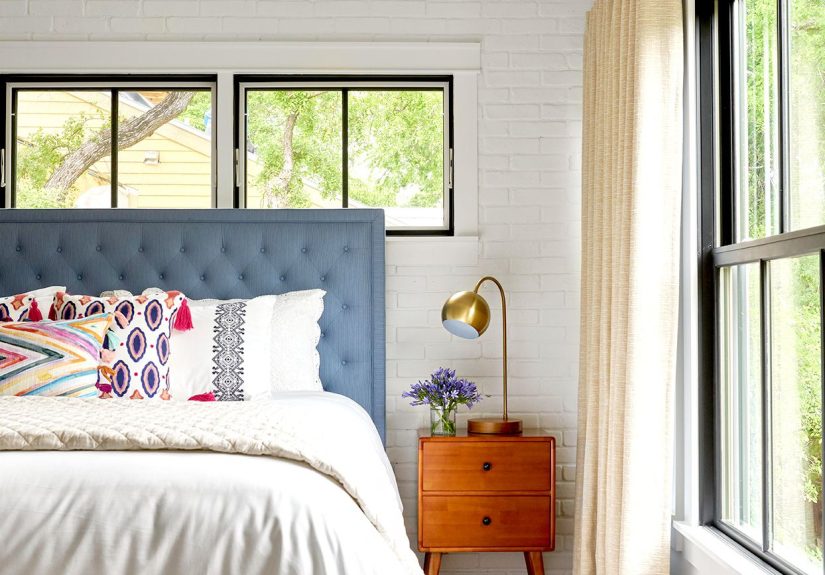
- Keep nightstands clearone book, one lamp, water, done.
- Use breathable bedding; keep a lightweight blanket for naps.
Kitchen
- Under-cabinet lighting for soft evening light when prepping or snacking.
- Clear the island/counter each nightfuture you will love it.
- Small herb plant by the window = instant green and gentle scent.
Bathroom
- Install a warm-white bulb and dimmer if possible.
- Roll towels into a basket; display only what you use daily.
- Add a eucalyptus sprig in the shower occasionally for spa vibes.
Common Pitfalls (and Easy Fixes)
- Too many “calm” colors: If the room looks flat, add texture (linen, jute, boucle) before adding brighter color.
- Over-scenting: Keep it subtle and ventilated; not every nose agrees.
- Buying before editing: Declutter first, then buy the one right thing (not five almost-rights).
- Only overhead lighting: Add two lamps and watch the room exhale.
Conclusion
Calm homes don’t happen by accident; they’re designedgently, layer by layer. Start with clarity (declutter), add light that follows the sun, hush the echoes, freshen the air, and invite nature inside. When your rooms stop shouting, your nervous system listensand finally takes a breath.
SEO Wrap-Up
sapo: Ready to dial down the chaos? These 15 soothing decor ideas marry style and science to help you decompress at home. From layered lighting and soft textures to biophilic touches and better air quality, learn practical, budget-smart ways to reduce visual noise, calm your senses, and sleep betterno major renovation required.
Real-World Experiences & Tips (Extra )
Small Apartment, Big Calm: In a studio where the sofa doubles as a guest bed, the biggest shift came from lighting and storage. Two warm table lamps replaced the blazing overhead fixture; a dimmer went on the ceiling light for cooking and cleaning. Closed storage (a credenza with doors) swallowed cables, remotes, board games, and the avalanche of mail. The space didn’t change sizebut it felt like it exhaled. The owner started reading again at night instead of doom-scrolling.
Busy Family, Softer Sound: A family room with hardwood floors and high ceilings sounded like a cafeteria during movie night. The fix wasn’t fancy: a plush rug, lined curtains, and a wide, fabric-covered ottoman instead of a glass coffee table. Sound stopped ricocheting. Now conversation feels easier, and the TV doesn’t have to shout.
Night-Shift Worker’s Bedroom: Blackout shades and a simple fan changed everything. The room stayed dark and consistently “whooshy,” blocking daylight noise. Bedside clutter was tamed to lamp, water, and one book. A small snake plant near the window added a low-maintenance green touch. The result: faster wind-down after shifts and fewer mid-sleep wakeups.
Decision Fatigue, Meet Palette: One homeowner constantly rearranged decor but never felt settled. The cure was a coherent color story: warm white walls, oatmeal linen curtains, a clay-colored throw, and two sage pillows repeated across rooms. With fewer competing hues, the eye stopped working overtime. Shopping also got easier; if it didn’t fit the palette or add useful texture, it stayed at the store.
Tech Tamer Corner: A “no-scroll” nook turned a perpetually buzzing living room into a tiny sanctuary. One chair, one lamp, one plant, one small tableplus a charging basket across the room. That last piece mattered: phones stayed out of reach, so the nook stayed for reading, sketching, or simply staring at the plant like a satisfied lizard. Ten minutes a night, and stress slid down a notch.
Gentle Scent, Big Boundaries: A renter who disliked heavy fragrances found relief with a tiny ritual: after dinner, a single tea candle (unscented) and a drop of lavender in a ceramic diffuser, placed near an open window for fresh air. The scent cue became a psychological handbrake for the eveningtime to slow downwithout overpowering the room or causing headaches.
From Echo to Embrace in a Home Office: Video calls were fatiguing, not just emotionally but acoustically. The fix: a fabric pinboard behind the monitor, a small rug under the desk, and linen curtains instead of blinds. A leafy plant off-camera provided a soft focal point. The sound quality improved, and so did focusproof that comfort isn’t just a luxury; it’s a productivity tool.
Bite-Size Maintenance That Sticks: The most successful changes weren’t the biggestthey were the easiest to keep. A basket on the stairs for “upstairs stuff,” a nightly five-minute surface sweep, and lamp timers that turn on at sunset removed decision-making from the equation. That’s the quiet superpower of a calm home: it supports you on your laziest day, not just your most motivated.
Whether your space is 350 or 3,500 square feet, the recipe is the same: reduce the visual load, quiet the soundscape, soften the light at night, and add friendly nature cues. Decor is not just about how a room looksit’s how a room treats you after a long day. Make yours kind.