Table of Contents >> Show >> Hide
- Why selenium matters
- How much do you need?
- Top 15 high-selenium foods (per typical serving)
- Selenium & your thyroid: the highlight reel
- How to hit 55 mcg (without thinking too hard)
- Safety tips (read these before free-pouring Brazil nuts)
- FAQs
- Simple 1-day selenium-smart menu (≈120–180% DV)
- The bottom line
- Conclusion (SEO pack)
- 500-word practical experiences: what works in real kitchens
Quick take: Selenium is a tiny but mighty mineral that helps your thyroid hum, your immune system stay alert, and your cells keep calm under oxidative “traffic.” Aim for about 55 micrograms (mcg) a day from food, and don’t sprint past the upper limit of 400 mcg. The easiest way to do it? Mix seafood, lean meats, eggs, grains, and (carefully!) Brazil nuts into your week.
Why selenium matters
Selenium shows up inside special enzymes called selenoproteins that neutralize free radicals, recycle other antioxidants, and help control inflammation. It’s also part of the machinery that converts thyroid hormone T4 into its active sidekick, T3. Translation: this trace mineral influences metabolism, temperature regulation, energy, andyesmood. Selenium also contributes to immune function and healthy reproduction. Your body can’t make it, so your plate must provide it.
How much do you need?
- Daily Value (DV) for adults and kids 4+: 55 mcg per day
- Upper limit (UL): 400 mcg per day (food + supplements)
Pro tip: With selenium, the sweet spot is a laneenough is great; more is not better. Too much, especially from supplements or a Brazil-nut binge, can cause selenosis (think hair/nail issues, GI upset, fatigue).
Top 15 high-selenium foods (per typical serving)
Percent DV is based on 55 mcg/day. Serving sizes reflect common nutrition references.
| # | Food | Serving | Selenium (mcg) | % DV | How to use it |
|---|---|---|---|---|---|
| 1 | Brazil nuts | 1 oz (≈6–8 nuts) | ≈544 | ≈989% | Chop 1–2 nuts into oatmeal or yogurt. Avoid making them a daily snack bowlpotent! |
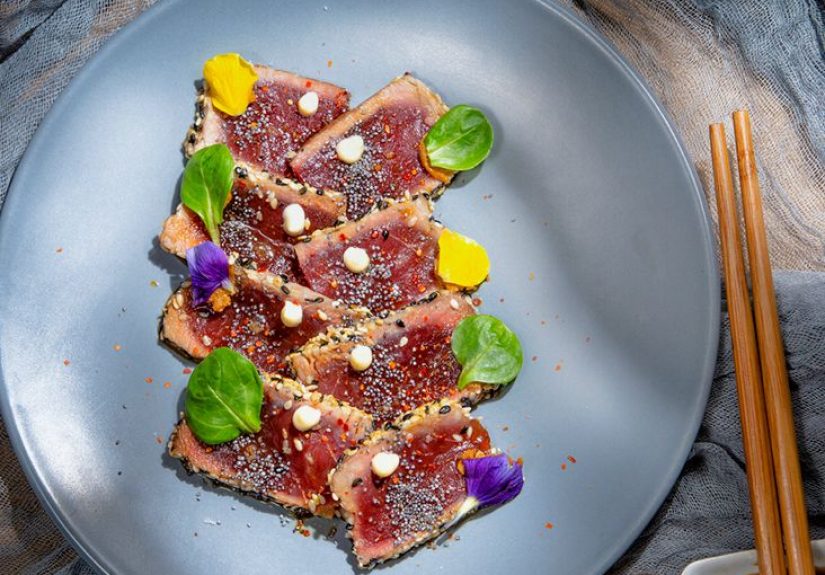
| 2 | Tuna, yellowfin (cooked) | 3 oz | 92 | 167% | Seared tuna over greens, or flaked into a rice bowl with avocado and cukes. |
| 3 | Sardines (canned, in oil) | 3 oz | 45 | 82% | Mash with lemon, capers, and mustard; spread on whole-grain toast. |
| 4 | Shrimp (cooked) | 3 oz | 42 | 76% | Quick stir-fry with broccoli and garlic; finish with sesame oil. |
| 5 | Pork chop (broiled, bone-in) | 3 oz | 37 | 67% | Rosemary-rubbed chops with roasted sweet potatoes. |
| 6 | Beef steak (bottom round, roasted) | 3 oz | 37 | 67% | Thin-slice for tacos with pico and crunchy slaw. |
| 7 | Spaghetti (cooked) | 1 cup | 33 | 60% | Classic marinara or tuna-tomato pasta for a selenium double-whammy. |
| 8 | Beef liver (pan-fried) | 3 oz | 28 | 51% | Onions + balsamic glaze to mellow the flavor. |
| 9 | Turkey (roasted, boneless) | 3 oz | 26 | 47% | Turkey-avocado wraps; batch-cook for lunches. |
| 10 | Ham (roasted) | 3 oz | 24 | 44% | Dice into split-pea soup or bean salads. |
| 11 | Cod, Pacific (cooked) | 3 oz | 24 | 44% | Sheet-pan cod with cherry tomatoes and olives. |
| 12 | Chicken breast (roasted, light meat) | 3 oz | 22 | 40% | Shred into grain bowls; season with lemon-pepper. |
| 13 | Cottage cheese (1% milkfat) | 1 cup | 20 | 36% | Top with pineapple and chia; surprisingly filling. |
| 14 | Egg (hard-boiled) | 1 large | 15 | 27% | Slice onto avocado toast or ramen bowls. |
| 15 | Oatmeal (cooked in water) | 1 cup | 13 | 24% | Stir in peanut butter and one chopped Brazil nut for a smart boost. |
Note on plants: The selenium in grains and produce depends on soil levels, so values can vary by region. Animal foods are more consistent because animals regulate tissue selenium and feeds are standardized.
Selenium & your thyroid: the highlight reel
Your thyroid relies on selenium-dependent enzymes (iodothyronine deiodinases) to activate thyroid hormone. That’s why adequate dietary selenium supports healthy metabolism and energy. Still, for most people eating a varied diet, food beats supplements. If you have a thyroid condition, discuss any supplement use with your clinicianthere’s no one-size-fits-all dose, and in some situations routine selenium supplementation is not recommended.
How to hit 55 mcg (without thinking too hard)
- Option A: 1 egg (15 mcg) + 1 cup oatmeal (13 mcg) + 1 slice whole-wheat bread (8 mcg) + 3 oz roasted chicken (22 mcg) = 58 mcg
- Option B: 1 cup cottage cheese (20 mcg) + 3 oz shrimp (42 mcg) = 62 mcg (split across meals)
- Option C: 1 cup cooked spaghetti (33 mcg) + 3 oz turkey (26 mcg) = 59 mcg
See the pattern? You don’t need a daily Brazil nut to meet your needsthough a single nut can put you over the daily target.
Safety tips (read these before free-pouring Brazil nuts)
- Respect the UL: Keep total intake under 400 mcg/day unless your clinician says otherwise.
- Beware “more is better” thinking: High doses over time can cause hair/nail issues, GI symptoms, and other problems.
- Brazil nuts are mighty: Selenium per nut can vary a lot by growing region; consider 1–2 nuts occasionally, not a handful daily.
- Supplements are optional: Most people can meet needs with food. If you’re on medications (e.g., certain chemotherapies) or have specific conditions, speak with your healthcare provider.
FAQs
Can vegetarians or vegans get enough?
Yeswith grains (spaghetti, bread, oats), beans, and dairy/eggs (for ovo-lacto). If fully plant-based, emphasize whole grains and consider fortified foods; soil variability matters.
Is “enriched pasta” really a meaningful source?
Surprisingly, yes. A cup of cooked spaghetti can contribute over half the DV, which is why an otherwise modest day can still hit 55 mcg.
Is canned fish as good as fresh?
From a selenium perspective, yes. Sardines and canned tuna remain strong sources; pick options you enjoy and rotate.
Simple 1-day selenium-smart menu (≈120–180% DV)
- Breakfast: Oatmeal (1 cup, 13 mcg) swirled with peanut butter + sliced banana; top with one finely chopped Brazil nut (>68 mcg, varies)
- Lunch: Tuna salad on whole-wheat toast (tuna 3 oz, 92 mcg; toast 8 mcg)
- Dinner: Sheet-pan cod (24 mcg) with lemony orzo (or spaghetti 33 mcg) and arugula
Even if you skip the Brazil nut, you’ll usually clear 100% DV with this lineup.
The bottom line
Selenium is small but centralespecially for thyroid, antioxidant defense, and immunity. Hitting 55 mcg/day is straightforward with seafood, lean meats, eggs, dairy, and grains. Keep supplements in the “maybe” lane, stay under 400 mcg/day, and treat Brazil nuts like hot sauce: a little goes a long way.
Conclusion (SEO pack)
sapo: Selenium powers thyroid balance, antioxidant defense, and immunityyet too much can backfire. This guide ranks 15 selenium-rich foods (with mcg per serving and %DV), explains how to hit 55 mcg/day from normal meals, and shows when to be careful with ultra-rich sources like Brazil nuts. Practical menus, tips, and safety notes included.
500-word practical experiences: what works in real kitchens
Turning nutrition advice into everyday meals is where the magic happens. Here are field-tested takeaways that consistently help people hit their selenium target without fussor supplements:
1) Build around one anchor food. The easiest way to remember selenium is to anchor each day with a reliable source: a tuna sandwich, a shrimp stir-fry, a turkey wrap, or a simple pasta bowl. Anchoring prevents “micronutrient drift” where you intend to eat well but graze on low-selenium snacks. A 3-oz serving of tuna or shrimp covers most of your daily need in one shot; everything else is gravy.
2) Let pasta pull its weight. Clients are often surprised that a cup of cooked spaghetti can cover more than half the day’s selenium. This matters for picky eaters and busy families: you can serve marinara or tuna-tomato pasta twice a week and bank consistent selenium with zero drama. If fish isn’t popular at home, lean into pasta + turkey meatballs or a cottage-cheese-boosted lasagna.
3) Make “egg + grain” a breakfast ritual. One hard-boiled egg on avocado toast or an egg stirred into oats (hello, protein oatmeal!) reliably contributes 15–20+ mcg when combined with whole-grain bread or oatmeal. It’s budget-friendly, fast, and portableideal for commuters and students.
4) Use Brazil nuts with intention, not intuition. Many people buy a big bag, snack freely, and overshoot. A better play: pre-chop a few nuts and keep them in a small spice jar. Sprinkle a pinch over oatmeal or yogurt on days you didn’t eat seafood or meat. Treat it like a seasoning, not a snack, and you’ll avoid the “too much of a good thing” problem.
5) Rotate seafood for variety and budget. Sardines are shelf-stable and inexpensive; shrimp cooks in 5 minutes; cod is a blank canvas for spices. Rotating keeps palates interested and spreads costs across the month. Pair with rice, pasta, or beans to turn selenium into a complete meal instead of a checklist item.
6) Batch-cook protein, assemble fast later. Roast chicken or turkey on Sunday, then assemble 3-oz portions into grain bowls, wraps, or salads during the week. Consistency beats perfection; if a day goes sideways, that pre-cooked portion keeps you on target.
7) Watch the “stacking effect.” A day with tuna at lunch, cod at dinner, and Brazil-nut granola can push you toward the UL. It’s not that any single food is “bad,” but stacking multiple high-selenium items every day is unnecessary. Skim your day: if lunch was tuna, save shrimp for tomorrow and skip the Brazil nut topping.
8) Keep supplements as a back-up plan. For most healthy adults eating a mixed diet, supplements aren’t neededand can create an accidental excess. If a clinician recommends one (for example during certain treatments), treat the dose like a prescription and log other selenium-rich foods to avoid stacking.
9) Respect soil variability. Whole grains and plant foods contribute meaningfully, but their selenium depends on where they’re grown. That’s another reason why including seafood, eggs, and dairy can stabilize your intake from week to week.
10) Make it tasty so it’s sustainable. Nutrition knowledge only works if dinner tastes good. Lemon-garlic shrimp, tuna-capers pasta, turkey-avocado wraps, cottage cheese with pineapplethese are simple, repeatable, and family-friendly. If it’s delicious, you’ll do it again, and that’s the real “secret” to meeting micronutrient goals.
Bottom line: anchor with one dependable source, season wisely with Brazil nuts, rotate seafood and lean meats, and let eggs and grains do the quiet, daily lifting. That pattern hits selenium needs comfortably while leaving plenty of room for variety, budget, and joy.