Table of Contents >> Show >> Hide
- Quick Jump
- What “Coldest Winters” Really Means (In Gardening Terms)
- Winter Survival Rules (The Unsexy Secrets)
- The 14 Perennials That Can Survive the Coldest Winters
- 1) Peony (Paeonia spp.)
- 2) Daylily (Hemerocallis spp.)
- 3) Hosta (Hosta spp.)
- 4) Purple Coneflower (Echinacea purpurea)
- 5) Black-Eyed Susan (Rudbeckia fulgida)
- 6) Yarrow (Achillea spp.)
- 7) Bee Balm (Monarda spp.)
- 8) Sedum / Stonecrop ‘Autumn Joy’ (Hylotelephium ‘Herbstfreude’)
- 9) Siberian Iris (Iris sibirica)
- 10) Creeping Phlox / Moss Phlox (Phlox subulata)
- 11) Siberian Bugloss (Brunnera macrophylla)
- 12) Bergenia / Pigsqueak (Bergenia cordifolia)
- 13) Bigroot Geranium / Cranesbill (Geranium (bigroot types))
- 14) Woolly Speedwell (Veronica (cold-hardy types))
- Planting & Winter-Care Tips That Actually Matter
- FAQ: Cold-Hardy Perennials Edition
- Experience Section: What Cold-Climate Gardeners Learn the Hard Way (So You Don’t Have To)
- Final Takeaway
- SEO Tags (JSON)
If your winter forecast includes words like “polar,” “arctic,” or “why do I live here?”good news. You can still have a perennial garden that comes back every spring like it pays rent. The trick isn’t finding “invincible” plants (winter always has opinions). It’s choosing cold-hardy perennials that match your conditions and handling winter prep the way cold-climate gardeners do: practical, slightly paranoid, and weirdly proud of snow.
This guide focuses on tough, reliable perennials suited to the harsh realities of northern wintersthink exposed winds, freeze-thaw cycles, and that one week in January when your car makes a noise that sounds expensive.
Quick Jump
- What “coldest winters” really means
- Winter survival rules (the unsexy secrets)
- The 14 cold-hardy perennials
- Planting & winter-care tips that actually matter
- Cold-climate “experience” section (what you learn the hard way)
- SEO tags (JSON)
What “Coldest Winters” Really Means (In Gardening Terms)
When gardeners in the U.S. talk about winter cold, they usually start with the USDA Plant Hardiness Zone Map. It’s based on a location’s average annual extreme minimum winter temperature, divided into zones and half-zones. That matters because most perennials have a cold limitbelow that, they may not overwinter reliably.
But here’s the plot twist: your yard can be colder (or warmer) than your ZIP code suggests. Wind exposure, soil drainage, and snow cover can change the game. In cold regions, winter damage often comes from:
- Freeze-thaw cycles that push crowns and roots upward (“frost heave”).
- Wet soil that leads to rot when plants are dormant.
- Snow drought and winter sun/wind that dry plants out when roots can’t replace moisture.
So when we say “survive the coldest winters,” we mean plants that are consistently hardy in cold-climate zones (roughly zones 2–4) and can handle the real-world chaos that comes with them.
Winter Survival Rules (The Unsexy Secrets)
Cold-hardy perennials aren’t magic. They’re just built for dormancy and good at protecting their “living parts” (crowns, roots, buds) when the top growth dies back. To help them win winter, follow these rules:
1) Prioritize drainage over almost everything
Cold + wet is usually worse than cold alone. If your soil stays soggy, winter rot can take out even “hardy” plants. Amend heavy clay with compost, plant on slight mounds, and avoid low spots that hold water.
2) Use mulch like a thermostat, not a blanket
The goal of winter mulch is often temperature stabilityreducing freeze-thaw swingsmore than “keeping soil warm.” Apply mulch after plants are dormant and the ground is freezing. Too early can trap warmth and encourage weak growth at the worst possible time.
3) Let snow do its job (it’s free insulation)
Snow cover helps insulate soil and protect roots. If you live somewhere windy where snow blows away, consider leaving some stems standing to catch snow. You can also use windbreaks or “snow fence” plantings to help it stick around.
4) Don’t over-clean the garden in fall
Cut back diseased foliage, surebut leaving some structure can protect crowns, feed birds, and hold snow. If you do mulch heavily, remove it gradually in spring so crowns don’t rot as the ground warms.
The 14 Perennials That Can Survive the Coldest Winters
Below are cold-hardy perennials known for bouncing back after brutal winters. For each, you’ll get what it likes, why it’s tough, and one practical tip to make it even tougher.
1) Peony (Paeonia spp.)
Why it’s winter-tough: Peonies store energy in thick roots and love a true dormant season. Once established, they can live for decades and shrug off cold like it’s a mild inconvenience.
Best for: Sunny borders, cut-flower gardens, “I want drama in June” energy.
Cold-climate tip: Plant crowns at the right depth (not too deep), and don’t baby them with heavy nitrogen late in the seasonsoft growth is a winter liability.
2) Daylily (Hemerocallis spp.)
Why it’s winter-tough: Daylilies are famously resilient, with fleshy roots that handle cold dormancy well and rebound fast in spring.
Best for: Low-maintenance mass plantings, slopes, and “I forgot to water for a week” gardens.
Cold-climate tip: Divide clumps when they get crowdedold, packed clumps can bloom less and handle stress worse over time.
3) Hosta (Hosta spp.)
Why it’s winter-tough: Hostas retreat fully underground, protecting their buds at soil level until spring. They’re reliable shade perennials in cold climates.
Best for: Shade and part-shade beds, under trees, woodland-style borders.
Cold-climate tip: In spring, pull back mulch slowly. Hostas emerge like polite introvertsearly warmth followed by a hard freeze can cause leaf damage, but crowns usually recover.
4) Purple Coneflower (Echinacea purpurea)
Why it’s winter-tough: Deep roots and a native-to-North-America constitution help coneflower overwinter well in cold regions.
Best for: Pollinator gardens, prairie-style borders, sunny mixed beds.
Cold-climate tip: Leave seed heads standing in fall. You get winter interest, bird food, and stems that help catch insulating snow.
5) Black-Eyed Susan (Rudbeckia fulgida)
Why it’s winter-tough: Rugged, adaptable, and not fussythis is the plant equivalent of showing up in a hoodie during a blizzard.
Best for: Sunny borders, pollinator beds, late-summer color.
Cold-climate tip: Give it sun and decent drainage. In rich soil, it can get floppy; a simple early-season pinch (or support from neighboring plants) keeps it upright.
6) Yarrow (Achillea spp.)
Why it’s winter-tough: Yarrow handles cold and drought well once established, and it’s happy in lean soil (which often improves winter survival).
Best for: Hot, sunny spots; xeriscapes; pollinator gardens.
Cold-climate tip: Don’t overwater in fall. Yarrow hates sitting wet going into winterthink “dry feet, warm heart.”
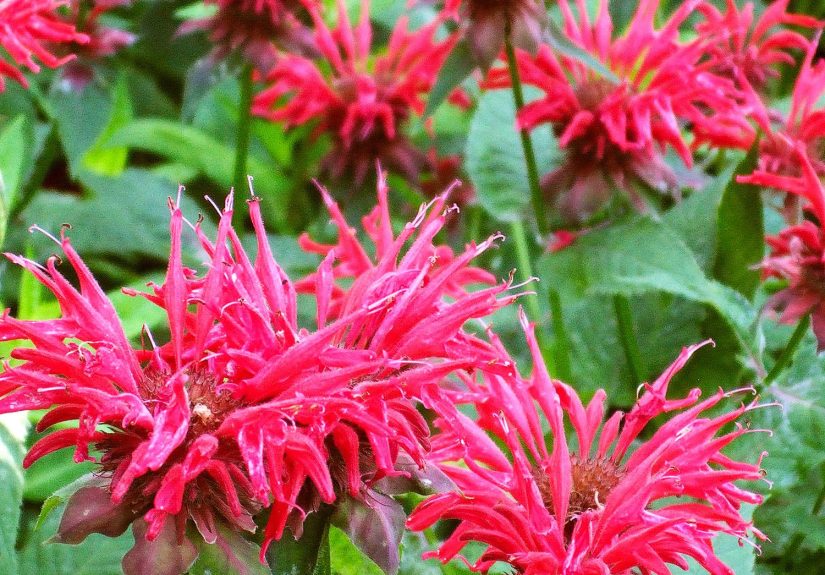
7) Bee Balm (Monarda spp.)
Why it’s winter-tough: Many bee balms are hardy in cold zones and return strongly from underground roots.
Best for: Pollinator gardens (bees, butterflies, hummingbirds), cottage borders, sunny beds.
Cold-climate tip: Airflow matters. Bee balm can get powdery mildew, so give it space, sun, and avoid overhead watering when possible.
8) Sedum / Stonecrop ‘Autumn Joy’ (Hylotelephium ‘Herbstfreude’)
Why it’s winter-tough: Succulent tissues store moisture, and thick stems stand up to cold. It thrives on neglect, which is great because winter is basically neglect season.
Best for: Dry, sunny beds; rock gardens; late-season pollinator support.
Cold-climate tip: Don’t cut it down too early. The dried flower heads look great in winter and help catch snow. Cut back in spring before new growth stretches.
9) Siberian Iris (Iris sibirica)
Why it’s winter-tough: Siberian iris forms hardy clumps and tolerates cold well, making it a staple in northern perennial borders.
Best for: Sunny to lightly shaded beds with consistent moisture; along rain-garden edges (not soggy all winter).
Cold-climate tip: Keep it from drying out in late summer and fall. Strong roots going into winter mean better blooms next year.
10) Creeping Phlox / Moss Phlox (Phlox subulata)
Why it’s winter-tough: A low, dense mat that handles cold dormancy and comes roaring back in spring with a carpet of blooms.
Best for: Slopes, rock gardens, edging, and any spot begging for spring color.
Cold-climate tip: Great drainage is key. Plant it where snowmelt won’t poolwet crowns in winter are the real villain.
11) Siberian Bugloss (Brunnera macrophylla)
Why it’s winter-tough: Brunnera is a shade-loving perennial that survives cold winters by dying back and protecting buds at the crown.
Best for: Part shade, woodland edges, under deciduous trees, “I want pretty leaves” gardens.
Cold-climate tip: Protect from harsh winter wind in exposed shade sites. A little leaf mulch after the ground freezes can help prevent heaving.
12) Bergenia / Pigsqueak (Bergenia cordifolia)
Why it’s winter-tough: Thick leaves and a sturdy crown make bergenia reliable in cold climatesplus it offers bold foliage that looks good even when flowers are gone.
Best for: Shade to part shade borders, foundation plantings, tough spots where you want evergreen-ish presence.
Cold-climate tip: Leaves can look weathered after winter. Don’t panictrim ragged foliage in spring and let new growth take over.
13) Bigroot Geranium / Cranesbill (Geranium (bigroot types))
Why it’s winter-tough: Many cranesbill geraniums form dense, resilient groundcovers. Some selections are hardy deep into cold zones and recover fast after winter.
Best for: Groundcover under shrubs, sunny-to-part-shade edges, erosion-prone areas.
Cold-climate tip: Avoid heavy, wet winter soil. If your site is clay, plant on a slight mound or amend generously so crowns don’t sit in cold soup.
14) Woolly Speedwell (Veronica (cold-hardy types))
Why it’s winter-tough: Some veronicas are among the most cold-hardy in the grouptolerant of extremely cold zones when given the right conditions.
Best for: Sunny, well-drained beds; rock gardens; hot/dry spots that still get bitter-cold winters.
Cold-climate tip: Drainage is non-negotiable. This plant will not “power through” wet feetgive it gravelly soil or a raised spot and it’ll repay you with toughness.
Planting & Winter-Care Tips That Actually Matter
You can buy the toughest perennials on Earth and still lose them if winter conditions stack the deck. Here’s how cold-climate gardeners improve survival rates without turning gardening into a full-time job (because you already have one of those):
Plant at the right time (so roots establish)
In cold climates, aim to plant perennials in spring or early fall so roots can establish before the ground locks up. If you divide or transplant in fall, do it early enough that roots settle in before hard freeze. Think “weeks,” not “days.”
Mulch at the right time (after freeze begins)
Winter mulch works best when applied after plants are dormant and temperatures are consistently freezing. The goal is to reduce frost heave and temperature swingsnot to keep the soil cozy like it’s watching movies. Use a few inches of clean organic material, and avoid smothering crowns.
Leave some stems standing
Standing stems and seed heads can catch snow, which is basically nature’s insulation service. They also feed birds and add winter interestbecause winter is long, and we deserve nice things.
Water wisely before the ground freezes
Dry soil going into winter can increase stress, especially where snow cover is unreliable. Keep watering during fall dry spells until the ground begins to freeze. Then stopbecause ice is not a hydration strategy.
Cut back strategically, not automatically
Cut back plants that had disease or serious pest problems. For everything else, consider leaving some structure and doing a spring cleanup. If you prefer a tidier fall garden, cut back most herbaceous perennials after hard frostsbut avoid scalping plants that keep protective basal foliage or semi-woody stems.
Spring un-mulching: go slow
When spring teases you with warmth and then slaps you with a surprise freeze, crowns and emerging shoots can suffer. Pull mulch back gradually and let plants wake up at a sensible pace.
FAQ: Cold-Hardy Perennials Edition
Do cold-hardy perennials need snow cover?
Not always, but snow helps. It insulates soil and reduces temperature swings. In windy areas, mulch becomes more important because you can’t count on snow staying put.
What kills perennials in winter more often: cold or wet?
Very often, it’s wetespecially in heavy soil with poor drainage. Cold-hardy plants can still rot if water sits around dormant crowns and roots.
What’s the easiest upgrade for winter survival?
Improve drainage and time mulch correctly. Those two changes can make an average perennial bed perform like an overachiever.
Experience Section: What Cold-Climate Gardeners Learn the Hard Way (So You Don’t Have To)
Gardening in brutal winters isn’t just a hobbyit’s a personality trait. If you’ve ever crouched over a half-frozen flower bed in April whispering, “Come on… I believe in you,” you’re in the club. Here are experience-based lessons that cold-climate gardeners commonly share after a few seasons of trial, error, and mild springtime panic.
1) The “hardiest plant” still has a favorite spot
Cold-hardy perennials aren’t robots. Put the same coneflower in two places and you may get two totally different outcomes. The one in full sun with quick-draining soil often thrives. The one in a low, damp pocket may limp along or disappear after a wet winter. This is why gardeners become obsessed with drainage. You don’t need perfect soilbut you do need soil that doesn’t stay waterlogged when temperatures swing above and below freezing.
2) Snow is greatuntil it vanishes
In many northern areas, the worst winters aren’t always the coldest. They’re the ones with frequent thaws, rain-on-snow events, and bare ground during deep freezes. When snow cover disappears, plants can face colder soil temperatures and drying winds at the same time. That’s when you’ll notice which perennials are truly tough (sedum, yarrow, rudbeckia) and which ones want a little extra protection (especially in exposed sites). Many gardeners start leaving more stems standing, not because they’re lazy (though that’s a bonus), but because dried stalks help trap snow and create a small, calmer microclimate right where crowns live.
3) Mulch timing is everythingand it feels backwards at first
A classic beginner move is mulching right after fall cleanup because it “seems responsible.” Cold-climate gardeners learn to wait. Mulching too early can keep soil warmer for longer and encourage tender growth at the wrong time. The smarter approach is to let the ground start freezing, let plants fully go dormant, and then mulch to reduce freeze-thaw cycles. Once you’ve seen frost heave pop a plant crown up like a toast button, you become very loyal to the “mulch later” method.
4) Some “failures” are just slow wake-ups
Spring in cold climates is emotionally chaotic. One day it’s 60°F and you’re planning your entire garden’s future. Two days later it’s sleeting and you’re questioning your life choices. Many perennials emerge at different timeshostas can be late, peonies can look like little red nubs for a while, and some plants wait until soil warms steadily. Experienced gardeners don’t declare a plant dead until late spring. They give it time, check for firm crowns, and remember that perennials run on soil temperature, not your calendar.
5) The toughest gardens are designed for forgiveness
Cold-climate gardens that look amazing year after year usually have one thing in common: they’re built around reliable “anchors.” Think daylilies, hostas, coneflowers, black-eyed Susans, and sedumplants that tolerate being ignored during the busy parts of life. Then gardeners add a few “divas” or experiment plants around those anchors. If winter takes out an experiment, the garden still looks good because the backbone returns. It’s the gardening equivalent of having a solid playlist and then sprinkling in a few wild songs for fun.
The bottom line: You don’t need a fragile, high-maintenance garden just because you have brutal winters. With smart plant choices, decent drainage, and winter prep that focuses on stability (not fussiness), you can have a cold-climate perennial garden that comes back strongyear after yearno matter how dramatic winter gets.
Final Takeaway
The coldest winters don’t have to mean a sad, empty garden. Choose perennials for cold climates that match your sun and soil, prioritize drainage, and use mulch and snow cover strategically. With the 14 plants aboveplus a few practical winter habitsyou can build a garden that returns every spring like it’s making a point.