Table of Contents >> Show >> Hide
- What Is the Healthiest Chocolate?
- Why Dark Chocolate Usually Wins
- How We Picked the 10 Healthiest Chocolate Brands
- 10 Healthiest Chocolate Brands Worth Buying
- So, Which Brand Is the Healthiest Overall?
- How to Read a Chocolate Label Like a Smart Shopper
- What About Milk Chocolate, Sugar-Free Chocolate, and Cacao Nibs?
- The Best Way to Enjoy Healthier Chocolate
- Real-World Experiences With Healthier Chocolate
- Conclusion
Note: This article is for general informational purposes only. “Healthiest” here means chocolate with a better overall nutrition profile, a higher cacao percentage, a shorter ingredient list, and a more thoughtful balance of sugar, sourcing, and everyday practicality.
Chocolate has one of the best public relations teams in food. It’s romantic, dramatic, giftable, and somehow always looks like it has its life together. But when you move past the fancy wrappers and the “artisan” buzzwords, one question keeps coming up: what is the healthiest chocolate?
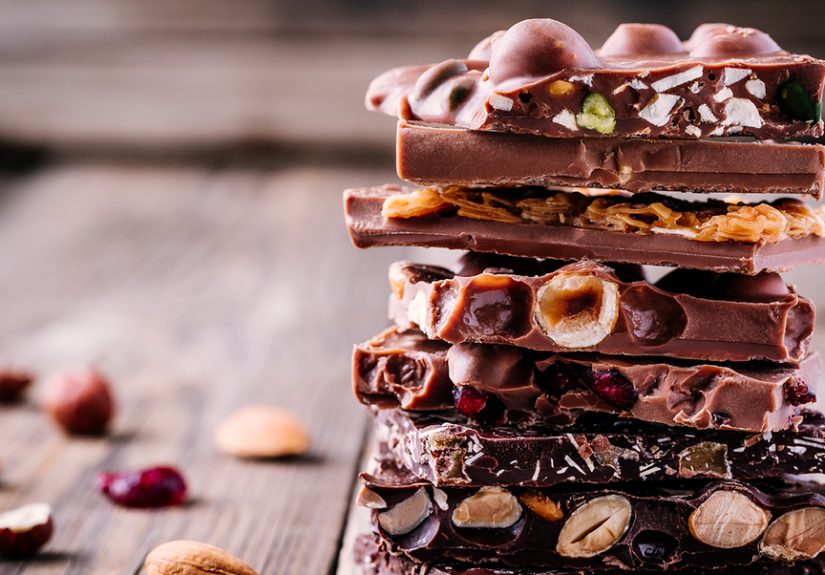
The short answer is this: the healthiest chocolate is usually dark chocolate with a high cacao percentage, a relatively short ingredient list, and a reasonable amount of added sugar. In plain English, that means a bar that tastes like actual cocoa instead of a sugar parade wearing a chocolate costume.
That does not mean every dark chocolate bar deserves a halo. Some are still loaded with sugar, some add extras you may not want, and some “healthy” brands are healthier in one way but not another. One may be lower in sugar, while another is better for people with allergies. One may use direct-trade cacao, while another keeps ingredients beautifully simple. So the smartest way to shop is to look at the exact bar, not just the brand’s vibes.
In this guide, we’ll break down what makes chocolate healthier, how to read a label without needing a nutrition PhD, and which 10 healthiest chocolate brands are worth a look if you want something more satisfying than a standard candy aisle sugar sprint.
What Is the Healthiest Chocolate?
If you want the cleanest answer possible, here it is: the healthiest chocolate is usually plain dark chocolate in the 70% to 85% cacao range. That range tends to hit the sweet spot between cocoa-rich flavor and a sugar level that hasn’t gone fully off the rails. It also tends to contain more of the cocoa compounds people are really talking about when they mention dark chocolate’s potential health perks.
Once you get into 90% to 100% cacao territory, sugar usually drops even more, which sounds fantastic on paper. The catch is that these bars can be intense, bitter, and about as forgiving as a tax auditor. For some people, that works beautifully. For others, it leads to one bite, a long stare, and a quiet return to the pantry for something friendlier.
So if your goal is a healthier everyday pick, the best chocolate is the one that checks most of these boxes:
- 70% cacao or higher
- Short ingredient list
- Cocoa listed first
- Moderate added sugar
- Minimal fillers and unnecessary additives
- A taste you genuinely enjoy enough to eat in a small portion
That last point matters more than people think. The “healthiest” bar in the world stops being helpful if you hate it so much that you immediately chase it with cookies.
Why Dark Chocolate Usually Wins
Dark chocolate generally comes out ahead because it contains more cocoa solids and less sugar than milk chocolate. Cocoa is where chocolate gets its richer flavor and many of the compounds that make nutrition experts at least mildly interested. Milk chocolate, by comparison, usually brings more sugar and dairy to the party and fewer cocoa solids.
That doesn’t mean dark chocolate is a free food. It still contains calories and saturated fat, and some bars are surprisingly easy to overeat. But if you’re choosing between a highly sweetened candy bar and a modest square or two of dark chocolate, the dark chocolate usually has the stronger argument.
White chocolate, meanwhile, is delicious in the way cheesecake is delicious, but it is not what most people mean when they talk about chocolate’s potential benefits. It contains cocoa butter, but not the cocoa solids that make dark chocolate nutritionally more interesting.
How We Picked the 10 Healthiest Chocolate Brands
This list focuses on brands that tend to do one or more of the following well:
- Offer bars with higher cacao percentages
- Keep ingredients simple
- Use organic, fair-trade, or direct-trade cacao
- Provide lower-sugar or no-sugar-added options
- Make products that are easier for real people to buy and enjoy regularly
Important reality check: no brand is perfect, and no brand is “healthiest” across every single product it sells. Think of this as a practical shopping guide, not a chocolate throne ceremony.
10 Healthiest Chocolate Brands Worth Buying
1. Pascha
If you like your chocolate simple, dark, and free from a bunch of extra nonsense, Pascha is one of the strongest picks on the market. Its 85% cacao bar stands out because it keeps the ingredient list short and the sugar relatively low. It is also well known for being friendly to people avoiding common allergens, which makes it especially useful for families and careful label readers.
Why it stands out: high cacao, minimal ingredients, organic options, and a reputation for allergy-conscious chocolate. If your idea of healthy chocolate includes “does not cause me a stressful ingredient-label investigation,” Pascha deserves attention.
2. Taza Chocolate
Taza is a favorite for people who want bold flavor and very simple formulations. Its 85% Super Dark Chocolate Disc is a standout because it uses just a tiny handful of ingredients and leans heavily into organic, direct-trade cacao. Taza’s stone-ground style also gives it a rustic texture, which some people love and others interpret as “my chocolate has opinions.”
Why it stands out: short ingredient list, high cacao, organic credentials, and a less processed feel. It is a smart pick if you want chocolate that tastes deeply like cocoa rather than candy.
3. Theo Chocolate
Theo has long been a reliable name for people who want organic dark chocolate with relatively straightforward ingredients. Its Pure 85% Dark bar is especially appealing because it offers a high cacao percentage without turning into a bitter punishment exercise. It is one of those bars that manages to be intense but still snackable.
Why it stands out: organic and fair-trade ingredients, an approachable 85% bar, and a lower-sugar profile than many mainstream options. It’s a strong middle ground between health-minded and pleasure-minded chocolate.
4. Alter Eco
Alter Eco is one of the better choices for shoppers who care about organic ingredients and a cleaner label. Its 85% Dark Blackout bar is a classic pick for dark chocolate fans who want something rich but not overloaded with ingredients. The brand also has a strong identity around sustainability and sourcing, which gives it extra appeal for thoughtful shoppers.
Why it stands out: high cacao, organic ingredients, no soy ingredients in some bars, and a clean, polished flavor. It’s one of the easiest “healthy but still feels luxurious” options to recommend.
5. Beyond Good
Beyond Good shines when you want dark chocolate that emphasizes traceability and single-origin flavor. Its higher-cacao bars, such as 80% and 92%, are particularly attractive for people who want more cocoa and less sugar. The brand’s focus on direct sourcing and making at the source also helps it stand apart from brands that sound ethical but say very little.
Why it stands out: high-cacao options, strong sourcing transparency, and bold single-origin flavor. If you like chocolate that tastes distinct instead of generically “dark,” this is a brand to explore.
6. Divine Chocolate
Divine is especially appealing for shoppers who care about both nutrition and ethics. Its 70% dark bar is a practical healthier choice because it keeps the focus on real cocoa flavor, avoids unnecessary weirdness, and is easier for many people to enjoy than a super-bitter 90% bar. Divine’s farmer co-ownership model also makes it memorable in a sea of brands making broad feel-good claims.
Why it stands out: solid dark chocolate options, fair-trade sourcing, farmer-centered brand model, and a more accessible flavor profile for everyday eating.
7. TCHO
TCHO is a great option for people who want chocolate that feels premium without becoming absurdly complicated. Its darker bars, especially around 75% cacao, balance richness and sweetness better than many bars that claim to be healthy while secretly tasting like sugary diplomacy. TCHO also has organic ingredients in key dark options and pays real attention to cocoa flavor.
Why it stands out: strong flavor, respectable cacao percentages, relatively controlled sugar in darker bars, and a polished texture that appeals to people who want “healthy enough” chocolate without sacrificing enjoyment.
8. Lindt Excellence
Lindt Excellence earns a place here because not everyone wants to hunt through boutique markets for healthy chocolate. Sometimes you just want to buy a bar at a regular grocery store and move on with your life. Lindt’s 85%, 90%, and higher-cacao Excellence bars are widely available and make it easier to choose chocolate with more cocoa and less sugar than mainstream milk-chocolate products.
Why it stands out: accessibility, high-cacao options, and a dependable flavor profile. If you want a healthier dark chocolate you can actually find without needing an expedition team, Lindt is practical and effective.
9. Chocolove
Chocolove offers a strong option for shoppers who like very dark chocolate with a relatively simple ingredient list. Its Extreme Dark 88% bar is especially notable because it keeps things focused: cocoa, sugar, cocoa butter, and a few standard supporting ingredients. No nutritional fireworks, no miracle marketing, just a very dark bar that understands the assignment.
Why it stands out: high cacao, short ingredients, and a straightforward approach. It’s ideal for people who want strong dark chocolate without paying luxury-chocolate prices every time.
10. ChocZero
ChocZero is a different kind of healthy pick. It is not the most traditional choice on this list, but it can be a very useful one for people specifically trying to reduce added sugar. Its dark chocolate squares use monk fruit and fiber-based ingredients instead of standard sugar, which makes them attractive to low-carb and no-sugar-added shoppers.
Why it stands out: no sugar added, dark options up to 92%, and a sweeter taste than many ultra-dark bars. The trade-off is that it is more processed than a classic two-ingredient dark chocolate, so this is best seen as a smart alternative for specific needs, not the universal winner.
So, Which Brand Is the Healthiest Overall?
If we’re talking about the most broadly impressive choices, Pascha, Taza, Theo, Alter Eco, and Beyond Good are hard to beat. They combine the things most health-conscious shoppers care about: higher cacao, simpler ingredients, thoughtful sourcing, and products that still taste good enough to eat willingly.
If you want the cleanest ingredient list possible, Taza and Pascha are especially compelling. If you want the best balance of taste and nutrition, Theo and Alter Eco are excellent picks. If you want traceability and bold flavor, Beyond Good is a standout. And if your top goal is lowering sugar, ChocZero may be the most practical fit.
In other words, the healthiest chocolate is not one single magical brand. It is the bar that best matches your goals.
How to Read a Chocolate Label Like a Smart Shopper
Look for 70% cacao or more
This is the easiest first filter. Higher cacao percentages generally mean more cocoa and less sugar. That doesn’t make every 70% bar perfect, but it helps separate serious dark chocolate from candy in a tuxedo.
Check the ingredient list
A healthier chocolate bar often has a shorter ingredient list. Cocoa mass, cocoa butter, and sugar are common. Vanilla, sea salt, or lecithin may appear too. Once the label starts reading like a chemistry homework assignment, it is worth asking whether the product still fits your goals.
Watch the added sugar
Even dark chocolate can rack up sugar fast. Compare bars, serving sizes, and added sugars on the nutrition label. Two chocolates can both say “dark” on the front while behaving very differently once you flip the package over.
Be realistic about portion size
A healthy chocolate habit usually looks like one or two squares, not a dramatic “I deserve this” half-bar monologue after a long Tuesday. Dark chocolate is rich enough that smaller portions can still feel satisfying, which is part of its charm.
Pay attention to product-specific safety concerns
One of the biggest recent lessons in the chocolate world is that “dark” and “healthy” are not identical. Some dark chocolate products have raised concerns in consumer testing for heavy metals like lead and cadmium. That does not mean you need to fear chocolate forever, but it does mean rotating products, keeping portions moderate, and staying aware of updates is a very grown-up move.
What About Milk Chocolate, Sugar-Free Chocolate, and Cacao Nibs?
Milk chocolate is generally less healthy than dark chocolate because it usually contains more sugar and fewer cocoa solids. It can still be enjoyed, of course, but it is usually not the best answer to the question, “What is the healthiest chocolate?”
Sugar-free or no-sugar-added chocolate can be helpful for some people, especially those trying to cut back on sugar. But it is not automatically healthier in every sense. Some products rely heavily on sweeteners or added fibers that do not agree with everyone’s stomach. Healthy is personal, and digestion has a very direct way of offering feedback.
Cacao nibs are arguably one of the purest chocolate-adjacent foods you can buy. They are basically crushed bits of roasted cacao beans with no added sugar. They are intensely bitter, crunchy, and nutritionally interesting. They are also the item most likely to make someone say, “This is healthy, but I miss joy.” Great in yogurt, oatmeal, and smoothies, though.
The Best Way to Enjoy Healthier Chocolate
The healthiest way to eat chocolate is surprisingly unglamorous: eat a small portion of a better bar on purpose. That means sitting down with it, tasting it, and not treating it like a speed competition. When people switch from sugary candy bars to richer dark chocolate, they often find that a smaller amount is enough.
Chocolate also pairs beautifully with foods that slow down the sugar rush and make the experience feel more balanced. Try a few squares with almonds, walnuts, strawberries, raspberries, or plain Greek yogurt. Suddenly dessert looks a lot less chaotic.
Real-World Experiences With Healthier Chocolate
One of the most interesting things about switching to healthier chocolate is how quickly your taste buds begin to change. People who start with a 70% bar after years of milk chocolate often describe the first bite the same way: “Wow, this is darker than I expected.” Translation: “I was emotionally prepared for dessert and accidentally met cocoa in its natural habitat.” But after a week or two, something funny happens. The intense flavor starts to feel normal, and older favorites can begin to taste overwhelmingly sweet.
Many people also notice that healthier dark chocolate changes the way they snack. A standard candy bar is easy to inhale without much thought. A darker, richer chocolate bar tends to slow people down. One or two squares can feel satisfying in a way that a lighter, sweeter candy often does not. It is not magic. It is simply a stronger flavor, a denser texture, and often less sugar competing for your attention every second. Suddenly, moderation does not feel like punishment. It feels possible.
Another common experience is becoming dramatically more interested in labels. Someone buys one “healthy” chocolate bar, turns it over, and begins a new life chapter as a person who reads ingredient lists in fluorescent grocery-store lighting. You start noticing patterns. One brand keeps it simple. Another adds more sugar than expected. A third uses sweeteners that sound perfect until your stomach writes a formal complaint. This is usually the point where shoppers realize that healthy chocolate is less about a trendy package and more about the actual formula.
People who love baking often report another pleasant surprise: better chocolate makes homemade desserts taste more grown-up. A small amount of a high-quality 85% bar in brownies, chili, yogurt bark, or overnight oats can create richer flavor without requiring a mountain of sugar. That is a major win for anyone who wants treats that still feel indulgent but not cartoonishly sweet.
There are social experiences too. Bring a bar of super-dark chocolate to a gathering and you will witness three distinct reactions. One person will adore it instantly. One person will nibble politely and look like they are solving a puzzle. And one person will ask whether you “accidentally bought baking chocolate.” This is useful feedback, because it reminds us that the healthiest chocolate is not always the most universally lovable. Sometimes the best bar is the one you’ll actually keep eating in a balanced way.
Then there is the practical side: healthier chocolate often becomes less of a binge food and more of a ritual. People keep a square after dinner, pair it with coffee, or use it as the sweet note in an afternoon snack with nuts or fruit. That routine matters. It changes chocolate from a random impulse buy into something intentional. And intentional food habits usually feel steadier, calmer, and more sustainable.
The biggest lesson from real-life experience is simple: healthier chocolate works best when it feels like an upgrade, not a punishment. If you choose a bar that tastes good, fits your goals, and makes portion control feel easy, you are much more likely to stick with it. That is the sweet spot, and yes, the pun was absolutely unavoidable.
Conclusion
If you’ve been wondering what is the healthiest chocolate, the answer is not a single magic bar wrapped in nutritional glory. It is usually a dark chocolate with 70% to 85% cacao, moderate sugar, and a short, sensible ingredient list. Among the strongest brands right now are Pascha, Taza, Theo, Alter Eco, Beyond Good, Divine, TCHO, Lindt Excellence, Chocolove, and ChocZero, depending on whether your priority is ingredient purity, lower sugar, sourcing transparency, or easy availability.
The smartest move is to match the chocolate to your real life. Want a simple, high-cacao bar? Go for Pascha or Taza. Want a balanced everyday dark chocolate? Theo or Alter Eco may be your winner. Need lower sugar? ChocZero is worth a look. Want a grocery-store option you can find without performing a scavenger hunt? Lindt Excellence is right there waiting.
In the end, healthier chocolate should still taste like a pleasure, not a compromise. If your bar is rich, satisfying, and easy to enjoy in moderation, you have probably found your winner.