Table of Contents >> Show >> Hide
- What Makes Pomegranate So Healthy?
- 1. Pomegranate Is Packed With Powerful Antioxidants
- 2. Pomegranate May Support Heart Health
- 3. Pomegranate May Help Maintain Healthy Blood Pressure
- 4. Pomegranate Supports Healthy Digestion
- 5. Pomegranate May Help Reduce Inflammation
- 6. Pomegranate May Support Immune Health
- 7. Pomegranate May Benefit Skin Health
- 8. Pomegranate May Help With Exercise Recovery
- 9. Pomegranate May Support Brain Health
- 10. Pomegranate Adds Nutrient Density Without Much Effort
- Pomegranate Juice vs. Pomegranate Seeds: Which Is Better?
- How to Eat More Pomegranate
- Who Should Be Careful With Pomegranate?
- Personal Experiences and Everyday Lessons With Pomegranate
- Conclusion: Is Pomegranate Worth Adding to Your Diet?
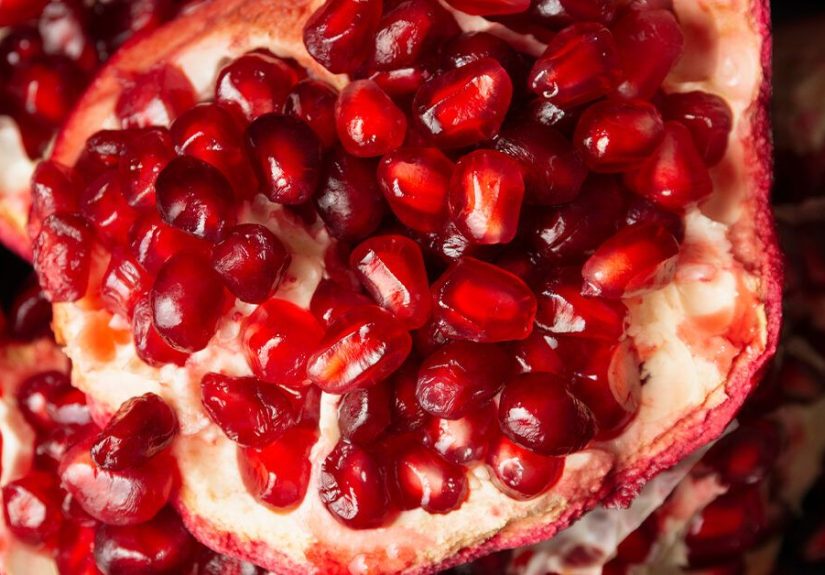
Pomegranate looks like the kind of fruit designed by a jeweler with too much free time: round, ruby-red, dramatic, and filled with tiny edible gems called arils. Crack one open and you get a fruit that is sweet, tart, crunchy, juicy, and slightly theatrical. Yes, it may stain your cutting board like a crime scene in a smoothie shop, but pomegranate has earned its “superfruit” reputation for more than its Instagram-worthy color.
The health benefits of pomegranate come from a rich mix of nutrients and plant compounds, including fiber, vitamin C, vitamin K, folate, potassium, anthocyanins, ellagitannins, punicalagins, and other polyphenol antioxidants. These compounds help explain why pomegranate is often discussed in connection with heart health, inflammation, digestion, exercise recovery, skin support, and overall wellness.
Before we crown it king of the fruit bowl, let’s keep things balanced: pomegranate is not a magic medicine, and drinking pomegranate juice will not cancel out three nights of takeout and a couch-based lifestyle. However, when added to a nutritious eating pattern, this bright red fruit can be a delicious way to support long-term health. Below are 10 evidence-informed benefits of pomegranate, plus practical tips for enjoying it without turning your kitchen into a red-splattered art project.
What Makes Pomegranate So Healthy?
Pomegranate is especially valued for its antioxidant content. Antioxidants help protect cells from oxidative stress, a process linked with aging and many chronic diseases. The fruit’s arils also provide fiber, while the juice contains concentrated polyphenols. However, there is one important difference: whole pomegranate seeds contain fiber, while pomegranate juice generally does not. That means eating the arils gives you more digestive benefits and helps slow the absorption of natural sugars.
In simple terms, pomegranate is a fruit with a strong nutrition résumé. It brings color, flavor, crunch, and plant compounds to the table. It also plays well with other healthy foods such as Greek yogurt, oatmeal, leafy greens, roasted vegetables, quinoa, citrus, nuts, and lean proteins.
1. Pomegranate Is Packed With Powerful Antioxidants
One of the biggest health benefits of pomegranate is its antioxidant power. Pomegranate contains polyphenols, including punicalagins and anthocyanins, which help neutralize unstable molecules called free radicals. Free radicals are produced naturally in the body, but they can increase because of pollution, smoking, poor diet, stress, and intense sun exposure.
When free radicals build up, they contribute to oxidative stress. Think of oxidative stress as the biological version of rust. You cannot see it happening minute by minute, but over time it may affect cells, tissues, and overall health. Antioxidant-rich foods like pomegranate help support the body’s natural defense system.
A practical example: sprinkling pomegranate arils over oatmeal adds more than a pop of color. It gives your breakfast a dose of polyphenols, fiber, and natural sweetness without relying on a spoonful of brown sugar. Your oatmeal gets upgraded from “responsible but boring” to “responsible and wearing a ruby necklace.”
2. Pomegranate May Support Heart Health
Pomegranate is often linked with heart health because of its antioxidant and anti-inflammatory compounds. Research suggests that pomegranate juice may help support healthy blood pressure levels, improve blood vessel function, and reduce oxidative stress that can affect the cardiovascular system.
Heart health is influenced by many habits, including exercise, sleep, stress management, sodium intake, fiber intake, and overall diet quality. Pomegranate is not a substitute for medication or medical care, but it can be a smart addition to a heart-friendly eating pattern that includes fruits, vegetables, whole grains, beans, nuts, seeds, fish, and healthy fats.
How to Use It for Heart-Friendly Meals
Add pomegranate arils to a spinach salad with walnuts, orange slices, grilled chicken, and olive oil vinaigrette. You get fiber, healthy fats, lean protein, potassium, and antioxidants in one bowl. It tastes elegant enough for guests but takes less effort than pretending you enjoy kale smoothies.
3. Pomegranate May Help Maintain Healthy Blood Pressure
Several studies have explored pomegranate juice and blood pressure. Some findings suggest that regular intake of pomegranate juice may contribute to modest reductions in systolic blood pressure, especially over shorter periods. This may be connected to polyphenols that support blood vessel flexibility and reduce oxidative stress.
That said, pomegranate juice can be high in natural sugar and calories, so portion size matters. A small glass can fit into a balanced diet, but drinking large bottles daily is not a shortcut to wellness. If you have hypertension, diabetes, kidney disease, or take blood pressure medication, talk with a healthcare professional before making pomegranate juice a daily habit.
4. Pomegranate Supports Healthy Digestion
Whole pomegranate arils provide dietary fiber, which is essential for digestive health. Fiber helps add bulk to stool, supports regular bowel movements, and feeds beneficial gut bacteria. A fiber-rich diet is also linked with better appetite control and improved metabolic health.
This is where whole pomegranate beats pomegranate juice. Juice may provide antioxidants, but it loses most of the fiber. Eating the arils gives you the crunch and the digestive support. If your gut had a suggestion box, it would probably vote for the seeds.
Easy Digestive-Friendly Ideas
Try pomegranate arils in plain yogurt with chia seeds, or add them to a bowl of overnight oats. The combination of fiber, protein, and healthy carbohydrates can help keep you satisfied longer than a sugary snack. Pomegranate also pairs beautifully with roasted sweet potatoes, lentils, and grain bowls.
5. Pomegranate May Help Reduce Inflammation
Inflammation is part of the body’s natural healing response. The problem occurs when inflammation becomes chronic and low-grade over time. Chronic inflammation is associated with conditions such as heart disease, type 2 diabetes, obesity, and some digestive disorders.
Pomegranate contains anti-inflammatory polyphenols that may help reduce markers of inflammation. While no single fruit can “turn off” inflammation, a diet rich in colorful plants can help support a healthier inflammatory response. Pomegranate fits beautifully into that pattern because it is deeply colored, nutrient-dense, and easy to add to meals.
For an anti-inflammatory snack, combine pomegranate arils with walnuts and unsweetened Greek yogurt. You get polyphenols from the fruit, omega-3 fats from walnuts, and protein from yogurt. It is the kind of snack that feels fancy but does not require a culinary degree or a tiny chef hat.
6. Pomegranate May Support Immune Health
Pomegranate provides vitamin C, along with other plant compounds that support overall wellness. Vitamin C plays a role in immune function, collagen production, and antioxidant protection. While pomegranate is not the highest vitamin C fruit compared with oranges or strawberries, it still contributes to your daily intake.
Immune health depends on more than one nutrient. Sleep, hydration, protein intake, stress control, and a varied diet all matter. Pomegranate can be part of that immune-supportive lifestyle, especially when combined with other colorful produce like citrus, berries, leafy greens, bell peppers, and cruciferous vegetables.
7. Pomegranate May Benefit Skin Health
Healthy skin starts long before moisturizer. Nutrition affects collagen formation, hydration, oxidative stress, and the skin’s ability to handle environmental stressors. Pomegranate’s antioxidants may help protect skin cells from oxidative damage, while vitamin C supports collagen production.
This does not mean pomegranate can replace sunscreen. Please do not rub pomegranate juice on your face and call it a skincare routine. But eating antioxidant-rich foods may help support skin health from the inside. A colorful diet can work alongside good skincare habits, sun protection, hydration, and sleep.
Skin-Supporting Meal Example
Try a breakfast bowl with oats, pomegranate arils, blueberries, pumpkin seeds, and plain yogurt. It delivers fiber, antioxidants, zinc, protein, and healthy carbohydrates. Your skin may not send a thank-you card, but your breakfast will look like it belongs in a wellness magazine.
8. Pomegranate May Help With Exercise Recovery
Exercise is good for the body, but intense workouts temporarily increase oxidative stress and muscle soreness. Some research suggests that pomegranate juice or extract may support exercise recovery by reducing oxidative stress and helping with blood flow.
For active people, pomegranate can be a useful post-workout ingredient. Add arils to a smoothie bowl, mix a small amount of pomegranate juice into sparkling water, or pair the fruit with protein-rich foods after training. The goal is not to chug juice like a sports commercial. The goal is to add nutrient-dense foods that support recovery, hydration, and overall performance.
9. Pomegranate May Support Brain Health
The brain uses a lot of oxygen, which makes it vulnerable to oxidative stress. Pomegranate polyphenols are being studied for their potential role in supporting memory, nerve cell protection, and healthy aging. While more human research is needed, antioxidant-rich diets are generally associated with better long-term brain health.
A brain-friendly eating pattern usually includes fruits, vegetables, fish, legumes, nuts, olive oil, whole grains, and limited highly processed foods. Pomegranate can add variety to that pattern. It also makes healthy meals more enjoyable, which matters because the best diet is not the one you suffer through for six days and abandon on Sunday.
10. Pomegranate Adds Nutrient Density Without Much Effort
One overlooked benefit of pomegranate is simple: it makes healthy eating more exciting. Many people struggle not because they hate nutrition, but because they are bored. Pomegranate solves the “sad salad” problem quickly. A handful of arils can transform plain greens, roasted vegetables, yogurt, oatmeal, rice bowls, and even holiday side dishes.
Nutrient density means a food provides vitamins, minerals, fiber, or beneficial compounds relative to its calories. Pomegranate checks several boxes: fiber in the whole arils, potassium, vitamin C, vitamin K, folate, and antioxidants. It is sweet enough to feel like a treat but nutritious enough to belong in a balanced meal plan.
Pomegranate Juice vs. Pomegranate Seeds: Which Is Better?
Both pomegranate juice and pomegranate seeds can be healthy, but they are not identical. Pomegranate juice is concentrated and convenient. It contains polyphenols and may offer cardiovascular benefits, but it lacks the fiber found in whole arils. It can also be easy to drink more sugar and calories than intended.
Whole pomegranate arils are usually the better everyday choice because they provide fiber, texture, and slower eating satisfaction. Juice can still fit, especially in small portions, but choose 100% pomegranate juice with no added sugar. If the label reads like a dessert menu, put it back and step away calmly.
How to Eat More Pomegranate
Pomegranate is surprisingly versatile. You can eat the arils plain, sprinkle them on salads, stir them into yogurt, blend them into smoothies, or use them as a garnish for savory dishes. They pair especially well with mint, citrus, cucumber, feta, pistachios, roasted squash, chicken, salmon, and whole grains.
Simple Ways to Add Pomegranate to Meals
For breakfast, add pomegranate seeds to oatmeal, chia pudding, yogurt parfaits, or whole-grain pancakes. For lunch, toss them into a spinach salad with chickpeas and avocado. For dinner, use them over roasted Brussels sprouts, turkey, grilled fish, or quinoa pilaf. For snacks, mix them with nuts or spoon them over cottage cheese.
If opening a pomegranate intimidates you, try this method: cut off the crown, score the skin into sections, pull the fruit apart gently, and loosen the arils in a bowl of water. The seeds sink, and the white membrane floats. It is oddly satisfying, like a tiny kitchen science experiment with snacks at the end.
Who Should Be Careful With Pomegranate?
Pomegranate is safe for most people in normal food amounts. However, some people should be cautious. If you take blood pressure medications, statins, blood thinners, or other prescription drugs, ask your healthcare provider whether pomegranate juice or supplements are appropriate for you. Pomegranate products may interact with certain medications, and supplements are more concentrated than food.
People with diabetes or prediabetes should also watch juice portions because pomegranate juice contains natural sugars and little fiber. Whole arils are often a better option because the fiber helps slow digestion. Anyone with allergies to pomegranate should avoid it, and people on special medical diets should follow professional guidance.
Personal Experiences and Everyday Lessons With Pomegranate
The first experience many people have with pomegranate is not a health revelation. It is usually a battle. You bring home this gorgeous red fruit, slice it open with confidence, and suddenly your kitchen looks as if a tiny berry volcano erupted. That is part of the charm. Pomegranate asks for a little patience, but it rewards you with flavor that feels both refreshing and luxurious.
One of the best ways to appreciate pomegranate is to use it as a “healthy upgrade” ingredient rather than treating it like a chore. For example, a plain bowl of yogurt can feel like something you eat because you are trying to be responsible. Add pomegranate seeds, crushed pistachios, and a drizzle of honey, and suddenly it feels like dessert with a nutrition degree. The same thing happens with salads. Lettuce alone may not inspire loyalty, but lettuce with pomegranate, walnuts, goat cheese, and grilled chicken becomes a meal people actually look forward to eating.
Pomegranate is also helpful for people who want to reduce added sugar without giving up bright flavor. The arils are naturally sweet and tart, so they can replace candy-like toppings in breakfast bowls. Instead of sweetened granola or syrup, pomegranate adds color, crunch, and juiciness. This is especially useful for anyone trying to make healthier choices gradually. Big lifestyle changes can feel overwhelming, but adding a handful of pomegranate to breakfast is small, realistic, and enjoyable.
Another experience worth mentioning is how well pomegranate works in family meals. Children may be suspicious of many healthy foods, especially anything green, leafy, or described as “good for you.” Pomegranate, however, has a playful quality. The seeds look like edible jewels, and their burst of juice makes them fun to eat. Adding them to fruit salad, yogurt, or even a holiday side dish can make nutritious food feel less like a lecture and more like a treat.
For busy adults, pre-packed pomegranate arils can be a lifesaver. Yes, buying the whole fruit is often more economical, but convenience matters. If pre-removed arils help you actually eat the fruit instead of letting it sit untouched in the refrigerator like a decorative paperweight, they are worth considering. Healthy eating is not only about perfection; it is about building habits that survive real life.
Pomegranate also shines during the colder months, when many people start drifting toward heavier comfort foods. Its bright acidity balances rich dishes beautifully. Add it to roasted carrots, Brussels sprouts, wild rice, turkey, chicken, or lentil salad. The fruit cuts through savory flavors and adds freshness. It is the culinary equivalent of opening a window in a stuffy room.
One practical lesson: wear an apron or dark shirt when preparing pomegranate. The juice is beautiful, but it has ambition. It wants to be remembered by your countertop, your cutting board, and possibly your sleeves. Using the water-bowl method keeps things cleaner and makes the process less stressful. Once you learn the technique, pomegranate becomes much less intimidating.
The biggest takeaway from everyday use is that pomegranate makes healthy food more pleasurable. That matters more than people think. A nutritious diet should not feel like punishment. Foods that bring color, texture, and excitement can help people stay consistent. Pomegranate is not a miracle cure, but it is a small, delicious tool for building meals that support heart health, digestion, antioxidant intake, and long-term wellness.
Conclusion: Is Pomegranate Worth Adding to Your Diet?
Yes, pomegranate is absolutely worth adding to your diet if you enjoy its flavor and it fits your health needs. Its benefits come from a combination of antioxidants, fiber, vitamins, minerals, and anti-inflammatory plant compounds. It may support heart health, blood pressure, digestion, immune function, skin health, exercise recovery, and healthy aging.
The smartest approach is to enjoy pomegranate as part of a balanced diet rather than treating it as a cure-all. Choose whole arils often, keep juice portions moderate, and talk with a healthcare provider if you take medications or have a medical condition. In the grand world of healthy foods, pomegranate brings both nutrition and drama. And honestly, sometimes your salad deserves a little drama.