Table of Contents >> Show >> Hide
- What Makes the Willa Peacock Side Chair Stand Out?
- Design Details That Matter
- Where the Willa Peacock Side Chair Works Best
- How to Style It Without Making the Room Look Overworked
- Comfort, Fit, and Everyday Practicality
- Pros and Cons of the Willa Peacock Side Chair
- Is the Willa Peacock Side Chair Still Worth Talking About?
- Extended Experience: Living With a Willa Peacock Side Chair
- Conclusion
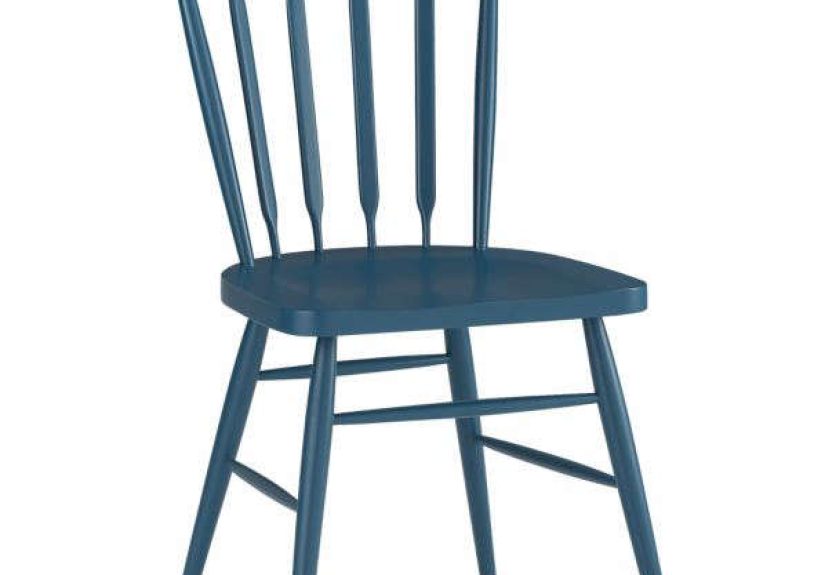
Some chairs whisper. The Willa Peacock Side Chair does not. It walks into a room in a rich peacock-blue finish, tosses its spindle back over one shoulder, and politely reminds every beige chair in the area that personality still matters. Originally associated with Crate & Barrel’s Willa collection, this chair took the familiar Windsor silhouette and gave it a brighter, more contemporary spin. The result is a side chair that feels classic without acting stuffy, colorful without becoming cartoonish, and useful without looking like it came straight out of an office supply catalog. In other words, it is the rare furniture piece that can be both practical and just a little dramatic.
That balance is exactly why the Willa Peacock Side Chair remains interesting long after its original retail moment. On paper, it is a simple wooden side chair. In practice, it lands somewhere between traditional American dining furniture and a cheerful design statement. The spindle back nods to the long history of Windsor chairs, while the saturated teal-peacock tone gives the piece a fresher, more modern mood. If you are building a dining room, refreshing a breakfast nook, styling a vanity, or trying to make a lonely desk corner look less like tax season and more like a magazine shoot, this chair has a lot going for it.
What Makes the Willa Peacock Side Chair Stand Out?
The biggest charm of the Willa Peacock Side Chair is that it does not reinvent the chair. It simply reinvents the attitude. The silhouette draws from the enduring Windsor tradition: a saddle-style seat, slim spindles, and outward-angled legs that create a light profile while still feeling stable. That shape has survived for centuries for a reason. It is visually airy, structurally smart, and versatile enough to work in homes that lean farmhouse, coastal, traditional, transitional, or lightly Scandinavian.
What makes the Willa version special is the color treatment. Peacock blue is one of those shades that behaves like a neutral when paired with wood, white, brass, black, or woven textures, yet still injects enough energy to wake up a room. It has more confidence than navy, more depth than turquoise, and less “look at me” chaos than neon. It is the kind of color that makes a breakfast table feel intentional rather than accidental.
The chair’s painted finish also changes how the Windsor form is perceived. Natural wood Windsors can read rustic, colonial, or country. Black Windsors often feel graphic and formal. The Willa Peacock Side Chair splits the difference by feeling traditional in shape but playful in presentation. That combination is ideal for people who love classic furniture lines but do not want their space to feel like a historical reenactment with better lighting.
Design Details That Matter
A recognizable spindle-back silhouette
The slim spindle back is the visual signature here. It creates rhythm without heaviness, which means the chair gives a dining area texture without blocking sightlines. In a small room, that matters more than people think. Bulky upholstered chairs can make a dining setup feel crowded. A spindle-back chair lets the room breathe.
A subtle saddle seat
One of the quieter strengths of Windsor-inspired seating is the shaped seat. It is not lounge-chair soft, of course, but it is generally more forgiving than a dead-flat board pretending to be hospitable. The Willa Peacock Side Chair benefits from that sculpted seat profile, which helps it look refined while improving everyday usability.
Angled legs with a lighter footprint
Angled legs are not just there for charm. They visually widen the base, giving the chair a grounded stance while keeping the overall look nimble. That makes the chair especially appealing in dining rooms where several chairs need to sit together without creating a heavy forest of furniture legs. Nobody wants their dinner table to look like a centipede convention.
Painted wood with personality
The peacock finish is a major part of the appeal. Painted wooden chairs are often easier to integrate into mixed-material interiors because they can echo wall color, art, dishes, textiles, or cabinetry. A blue chair can quietly connect the room, especially when repeated in small details such as a vase, runner, framed print, or pendant shade.
Where the Willa Peacock Side Chair Works Best
Dining rooms that need a focal point
If your table is simple and your lighting is understated, this chair can become the energy source of the room. Around a natural oak or walnut table, the peacock tone reads crisp and confident. Around a white table, it feels clean and coastal. Around a black pedestal table, it becomes moodier and more editorial. This is one of those rare chairs that can anchor the look without demanding a full room redesign.
Breakfast nooks and eat-in kitchens
Because the frame looks relatively lightweight, the Willa Peacock Side Chair suits casual dining spaces beautifully. In a breakfast nook, it gives enough color to make morning coffee feel less tragic. Paired with woven placemats, white ceramics, and a simple pendant light, it brings a lived-in but polished style that works especially well in family kitchens.
Desk and vanity seating
The original product description positioned the chair as a possible desk or vanity pull-up, and that makes sense. The silhouette is decorative enough for a bedroom corner, yet simple enough not to fight with surrounding storage, mirrors, or shelving. In a home office, it can act as a guest chair with more personality than the average anonymous swivel seat.
Entryways and accent corners
One side chair in a corner can do a surprising amount of visual work. Add a small stack of books, a pillow, or a throw nearby, and suddenly the corner looks styled instead of forgotten. The Willa Peacock Side Chair is especially effective in transitional spots where you need something sculptural but not bulky.
How to Style It Without Making the Room Look Overworked
The easiest route is to let the chair be the color moment. If you use a pair or a full set, keep the supporting cast restrained: natural wood, white dishes, linen textures, matte black accents, or brushed brass details. That lets the peacock finish feel sophisticated rather than loud.
Another smart approach is to mix chairs instead of matching every seat. A room can feel warmer and more collected when all the furniture does not look like it arrived in one cardboard convoy. The Willa Peacock Side Chair works well with neutral upholstered host chairs, rush-seat chairs, or even a bench on one side of the table. The key is to repeat one element such as shape, finish family, or color temperature so the mix looks deliberate.
Blue also pairs beautifully with several interior styles:
- Farmhouse: Pair with a weathered wood table, black lighting, and creamy walls.
- Coastal: Add white oak, woven textures, and soft sand or ivory textiles.
- Modern traditional: Use polished brass, framed art, and a darker wood table.
- Eclectic: Mix it with cane, leather, vintage ceramics, and patterned textiles.
The one caution? Do not make the room compete with the chair. If the table, rug, art, curtains, and light fixture are all screaming for attention, the result will feel less curated and more like a family argument.
Comfort, Fit, and Everyday Practicality
Side chairs live or die by everyday comfort. Beautiful discomfort is still discomfort; it just arrives better dressed. The Willa Peacock Side Chair is best understood as a classic wood dining chair rather than a plush linger-for-three-hours upholstered throne. That means it is likely best for people who value posture, easy maintenance, and visual neatness over sink-in softness.
For many households, that is actually a plus. Upholstered chairs can trap crumbs, absorb spills, and age unevenly in busy homes. Painted wood is easier to wipe down, easier to move, and visually lighter around a table. If you need a bit more softness, a slim seat cushion solves the problem without hiding the silhouette.
From a room-planning perspective, this type of chair is usually easier to fit into standard dining layouts. Most dining tables fall into a familiar height range, and standard dining seating is built around that. If you are using chairs like this around a table, leave enough room for movement so no one has to perform a yoga twist just to sit down. A good-looking chair is great; a chair that can actually be pulled out without scraping into a wall is even better.
Pros and Cons of the Willa Peacock Side Chair
Pros
- Timeless Windsor-inspired shape with more modern color personality
- Works in dining rooms, breakfast nooks, desks, vanities, and accent corners
- Painted wood is easier to maintain than fabric upholstery
- Looks airy and does not visually overcrowd a room
- Easy to mix with other chair styles and finishes
Cons
- Wood seating may feel firm for long dinners without a cushion
- Bold color is versatile, but not for buyers who want a fully invisible chair
- As a discontinued product, it may be harder to source a matching set
- Painted finishes can show wear over time if heavily used
Is the Willa Peacock Side Chair Still Worth Talking About?
Absolutely. In fact, discontinued furniture often becomes more interesting because it represents a moment when mass-market retail got something genuinely stylish right. The Willa Peacock Side Chair feels like one of those pieces. It translated a historically beloved form into a version that felt easier, brighter, and more approachable for contemporary homes.
It is also a useful reminder that good furniture does not always need complicated materials or trendy gimmicks. Sometimes a chair succeeds because the silhouette already has history, the craftsmanship is straightforward, and the color makes people smile. That is a pretty solid design formula.
For shoppers hunting secondhand pieces, the chair still makes sense today. For designers and homeowners looking for inspiration, it is a strong example of how to modernize a classic without flattening its character. And for anyone who has ever stared at a room and thought, “This needs something, but I do not know what,” the answer might just be a spindle-back chair in a deliciously moody shade of peacock blue.
Extended Experience: Living With a Willa Peacock Side Chair
Living with a chair like the Willa Peacock Side Chair is less about one dramatic reveal and more about a series of small wins. The first win is visual. You bring it home, place it near a table or desk, step back, and suddenly the room looks like it has better manners. Even if everything else is ordinary, the chair gives the impression that someone made a choice on purpose. It is amazing what one good piece of furniture can do for a room that was previously running on toast and good intentions.
The second win is flexibility. In real homes, chairs migrate. They start in the dining room, get borrowed for holiday guests, end up by a vanity during a rushed weekday morning, and somehow spend part of their life holding a cardigan in the bedroom. The Willa Peacock Side Chair handles that kind of furniture nomad lifestyle well because it does not look out of place in most spaces. Its spindle-back shape feels decorative enough for a bedroom corner, but clean enough for a kitchen or office. That makes it more useful than the average “special occasion” chair that mostly exists to be admired from six feet away.
There is also a practical pleasure to the chair’s painted wood construction. It is easier to clean than upholstered seating, which matters if your dining table sees actual meals instead of just photogenic lemons in a bowl. Crumbs, coffee drips, pasta mishaps, and mystery smudges are a lot less stressful when the seat is not wrapped in delicate fabric. A quick wipe-down is often all it takes, and that kind of low-maintenance usability is deeply underrated.
In everyday use, the chair tends to encourage better posture than oversized cushioned seating. That may not sound glamorous, but it changes how a room functions. People sit up a little straighter, meals feel a little more gathered, and a desk session feels more alert. Add a slim cushion if needed, and you get a nice balance between support and comfort without losing the crisp silhouette.
What people often remember most, though, is the color. Peacock blue has a way of changing throughout the day. In bright morning light, it can read cheerful and almost fresh. In evening light, it becomes moodier and richer, especially near warm wood, candlelight, or brass. That shifting quality gives the chair more depth than a flat neutral. It keeps the piece interesting over time, which is not something every side chair can claim.
And then there is the emotional side of living with a chair like this. It feels collected rather than disposable. Even if it came from a mainstream retailer, it does not look generic. It feels like the kind of piece that can survive a move, a redesign, a new table, a different apartment, or a sudden obsession with vintage pottery. It adapts. It earns its spot. That is usually the difference between furniture you replace and furniture you keep.
So the experience of owning a Willa Peacock Side Chair is not just about sitting. It is about having a piece that adds color without chaos, structure without stiffness, and style without drama. Well, not too much drama. The good kind. The kind that makes a room feel more alive the second you pull the chair up to the table.
Conclusion
The Willa Peacock Side Chair is a smart example of what happens when a timeless Windsor-style form meets a fearless but livable color. With its spindle back, painted wood frame, and adaptable profile, it can work as dining seating, a desk chair, a vanity accent, or a supporting player in an entry or bedroom corner. It is not trying to be the softest or flashiest chair on earth. Instead, it succeeds by being versatile, attractive, and memorable. For many homes, that is exactly the sweet spot.
If you are drawn to classic silhouettes but want something fresher than standard wood tones, this chair remains an inspiring reference point. It proves that a side chair can be practical and still have a point of view. And honestly, every room deserves at least one piece that looks like it knows what it is doing.