Table of Contents >> Show >> Hide
- What It Means When NSCLC Reaches the Liver
- Why the Liver Can Stay Quiet for a While
- Symptoms of NSCLC That Has Spread to the Liver
- How Doctors Diagnose Liver Metastases
- Treatment Options When NSCLC Spreads to the Liver
- What Prognosis Looks Like in Real Life
- Why Palliative Care Belongs Early, Not Late
- Questions to Ask the Cancer Care Team
- The Bottom Line
- Experiences Patients and Families Often Describe
Hearing that non-small-cell lung cancer (NSCLC) has spread to the liver can feel like getting bad news with extra bad-news sprinkles. It is scary, confusing, and full of new vocabulary nobody asked for. But it is also a moment when clear information matters most. Once NSCLC reaches the liver, the disease is considered metastatic, or stage IV. That sounds dramatic because it is serious, but it does not mean there are no treatment options. In fact, this is exactly where modern cancer care gets very strategic: doctors look at imaging, biopsy results, biomarker testing, liver function, symptoms, and overall health to build a plan that is tailored instead of generic.
The key thing to know is this: when lung cancer spreads to the liver, it is still lung cancer. It is not “liver cancer” in the primary sense. The cancer cells in the liver came from the lung, so treatment decisions are based on NSCLC biology, not on the rules for cancers that start in the liver. That detail is more than a technicality. It shapes everything from drug choices to prognosis to whether immunotherapy, targeted therapy, chemotherapy, radiation, or a combination makes the most sense.
What It Means When NSCLC Reaches the Liver
NSCLC is the most common type of lung cancer, and when it spreads beyond the lung, the liver is one of the places it can land. The liver is a busy organ with a rich blood supply, which makes it a common destination for wandering cancer cells. Think of it as a major transportation hub: lots of traffic, lots of connections, and unfortunately, a place where trouble can sometimes check in and unpack a suitcase.
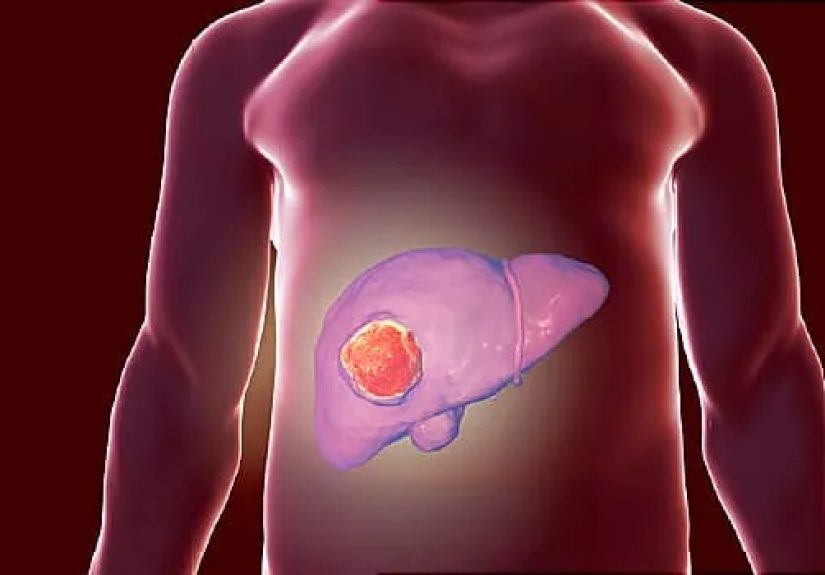
When NSCLC spreads to the liver, doctors may call it liver metastases, hepatic metastases, or the more casual but widely used liver mets. These metastases can be small or large, solitary or multiple, and sometimes they are found before they cause symptoms. In other cases, they show up because new symptoms push the care team to investigate. Either way, their presence usually shifts the focus of treatment toward controlling disease throughout the body, not just in one spot.
Why the Liver Can Stay Quiet for a While
One tricky thing about liver metastases is that the liver is a workhorse. It handles detoxification, stores energy, helps with digestion, and keeps many bodily systems humming along. Because it is such a sturdy organ, it can continue doing its job even when something is wrong. That means people can have liver metastases without obvious symptoms at first.
In plain English: the liver does not always make a scene. It can keep the lights on while the problem grows in the background. That is one reason routine staging scans and follow-up imaging are so important in NSCLC. Sometimes the liver mets are caught on a CT or PET scan before a person feels anything different at all.
Symptoms of NSCLC That Has Spread to the Liver
Some people with liver metastases feel perfectly normal at first. Others notice subtle changes that are easy to blame on stress, cancer treatment, poor sleep, or the world’s least fun scheduling calendar. But when symptoms do appear, they often include:
- Upper right abdominal pain or discomfort
- Fatigue or unusual weakness
- Nausea or queasiness
- Loss of appetite
- Unintended weight loss
- Jaundice, or yellowing of the skin and eyes
- Abdominal swelling from fluid buildup
- Itching, leg swelling, or a sense of pressure in the belly
Not everyone gets the full menu. Some people have only one symptom. Others have none until the metastases are more advanced. Severe liver involvement can also affect liver function tests, which may show up in blood work before symptoms become obvious. That is why oncologists keep such a close eye on labs. It is not because they enjoy paperwork. It is because those numbers can reveal how well the liver is tolerating both the cancer and the treatment.
Symptoms that deserve prompt medical attention include new jaundice, rapidly increasing abdominal swelling, worsening pain, confusion, severe nausea, or trouble eating and drinking. These can signal that the liver is under more strain and that the care plan may need to change quickly.
How Doctors Diagnose Liver Metastases
Diagnosis usually starts with imaging. CT scans are commonly used to detect both lung tumors and suspicious areas in the liver. PET scans are especially useful because they can highlight metabolically active spots that may represent cancer. MRI can be helpful when doctors want a closer look at liver lesions or need more detail than CT can provide.
Sometimes imaging tells a very convincing story. Sometimes it raises a question mark instead of an exclamation point. In that situation, a biopsy may be recommended. A tissue sample can confirm whether a liver lesion is truly metastatic NSCLC and can also provide material for molecular testing. That is a big deal, because modern lung cancer treatment depends heavily on the tumor’s genetic and immune profile.
Blood tests also matter. Doctors often check liver enzymes, bilirubin, albumin, and other lab values to understand how well the liver is functioning. These numbers help guide treatment intensity, medication safety, and symptom management.
Treatment Options When NSCLC Spreads to the Liver
The main treatment for NSCLC with liver metastases is usually systemic therapy. That means treatment designed to travel through the body and target cancer wherever it is, not just in the liver. The exact plan depends on several factors, including tumor histology, biomarker results, PD-L1 expression, how many metastatic sites are involved, symptoms, prior treatment, and the person’s overall health.
1. Targeted therapy
If the tumor has an actionable driver mutation, targeted therapy may be the star player. NSCLC tumors are often tested for biomarkers such as EGFR, ALK, ROS1, BRAF, RET, MET, NTRK, KRAS, and sometimes HER2. These genetic changes can make the cancer especially responsive to drugs designed for those exact alterations.
This is why biomarker testing is not an optional side quest. It is the map. A patient with an EGFR mutation, for example, may benefit more from an EGFR-targeted drug than from standard chemotherapy upfront. In some people, targeted therapy can shrink tumors quickly and meaningfully, including lesions in the liver.
2. Immunotherapy
Immunotherapy has changed the stage IV NSCLC landscape in a major way. Drugs that target immune checkpoints such as PD-1 or PD-L1 can help the immune system recognize and attack cancer cells. For some patients, especially those without certain driver mutations and with favorable PD-L1 expression, immunotherapy may be used alone or with chemotherapy.
That said, liver metastases can make the disease more biologically challenging. Historically, liver involvement has been associated with worse outcomes. But “historically” is doing a lot of work there. Modern immunotherapy and targeted therapy have changed the story for many patients, and averages do not get to predict any one individual’s future.
3. Chemotherapy
Chemotherapy is still very much part of the plan for many people with metastatic NSCLC. It may be used alone, combined with immunotherapy, or given after another treatment stops working. While chemotherapy is less glamorous than precision medicine, it remains a standard and effective option in many real-world cases.
4. Radiation, ablation, or surgery in selected cases
Most patients with NSCLC liver metastases are not treated with liver surgery alone, because the disease is usually considered systemic. Still, there are carefully selected cases where local treatment can help. If there are only a few metastatic spots, or if one liver lesion is causing trouble while the rest of the disease is otherwise controlled, the care team may discuss options such as:
- Stereotactic body radiation therapy (SBRT)
- Ablation
- Surgery in rare, highly selected situations
This approach is sometimes considered in oligometastatic or oligoprogressive disease, where the cancer burden is limited or mostly controlled except for one or a few problem areas. It is not the right fit for everyone, but it is worth asking about if the disease pattern is limited.
5. Clinical trials
Clinical trials can be especially important when NSCLC has spread to the liver. Trials may offer access to new combinations of immunotherapy, targeted therapy, antibody-drug conjugates, or novel approaches designed for patients with harder-to-treat metastatic patterns. For some people, a trial is not a last resort. It is a smart first conversation.
What Prognosis Looks Like in Real Life
There is no kind way to say this: NSCLC that has spread to the liver is serious, and liver involvement has generally been linked to a poorer prognosis than some other metastatic patterns. But prognosis is not a single number stamped onto a forehead like a terrible temporary tattoo. It depends on many variables, including:
- Whether the tumor has an actionable mutation
- How well the cancer responds to treatment
- Whether metastases are limited or widespread
- Liver function and symptom burden
- Performance status and overall health
- Access to specialists, trials, and supportive care
Some people experience aggressive disease that requires quick symptom control. Others respond for long periods to targeted therapy or immunotherapy. There are even patients who go from overwhelming fear at diagnosis to years of meaningful life, family milestones, and stable scans. Prognosis should inform decisions, not steal all the oxygen from hope.
Why Palliative Care Belongs Early, Not Late
Palliative care is one of the most misunderstood phrases in cancer medicine. It does not mean giving up. It means adding expert symptom relief and quality-of-life support while cancer treatment continues. In metastatic NSCLC, especially when the liver is involved, early palliative care can help with pain, fatigue, nausea, appetite loss, anxiety, sleep problems, shortness of breath, and treatment decision-making.
Good palliative care is practical. It helps people eat when food sounds awful, sleep when worry is loud, manage pain without feeling flattened, and talk honestly about goals without feeling like hope has left the room. In other words, it is support, not surrender.
Questions to Ask the Cancer Care Team
If NSCLC has spread to the liver, these are smart questions to bring to an appointment:
- Was the diagnosis confirmed by imaging alone, or do we need a biopsy?
- Has the tumor been tested for all recommended biomarkers?
- What is the PD-L1 level, and how does that affect treatment?
- Is the liver working normally right now based on my blood tests?
- Is this cancer widespread, or is it limited enough for local treatment discussions?
- What side effects should I watch for at home?
- Would a clinical trial make sense for me?
- Can we involve palliative care now, not later?
The Bottom Line
When non-small-cell lung cancer spreads to the liver, the disease becomes more complex, but not automatically hopeless. The most important facts are that it is still NSCLC, treatment is usually driven by systemic therapy and biomarker testing, and supportive care should start early. The liver may stay quiet for a while, so scans and lab work matter. Symptoms such as jaundice, abdominal pain, swelling, nausea, and fatigue should never be brushed off. And while liver metastases often make prognosis more serious, newer therapies have created real room for longer control and better quality of life than older statistics suggest.
This is one of those medical situations where precision matters. The more specific the testing, the more personalized the plan. And in advanced lung cancer, personalized is not a buzzword. It is the whole ballgame.
Experiences Patients and Families Often Describe
Beyond the scans, biopsies, and treatment algorithms, there is the human experience of liver metastases from NSCLC, and it is rarely neat. Many patients say the hardest part is not always the infusion chair or the imaging machine. Sometimes it is the waiting: waiting for the PET scan result, waiting for biomarker testing, waiting to hear whether a new liver spot is active cancer or something less dramatic, waiting to find out whether a treatment is working. That waiting can make a week feel like a month and a Tuesday feel personally offensive.
Some people learn about liver involvement during routine staging, before they have any liver-related symptoms at all. Others find out after new fatigue, nausea, belly discomfort, or jaundice sends them back to the doctor. Families often say the discovery feels like the story suddenly got rewritten. A diagnosis that already felt huge becomes more layered, more urgent, and more emotionally complicated. Patients may swing between determination and fear in the same afternoon. Caregivers often become logistics experts overnight, juggling appointments, scan schedules, medications, insurance calls, and meal planning while trying not to fall apart in the parking garage.
There is also the strange emotional whiplash of modern cancer care. One appointment can be frightening, and the next can be surprisingly hopeful. A scan may show liver lesions, but then biomarker testing reveals a targetable mutation. A first treatment may stop working, but a second-line option or a clinical trial can open a new door. Some patients describe feeling overwhelmed by the number of choices. Others feel relieved that there are choices at all. Both reactions make perfect sense.
Physically, patients often talk about fatigue that feels different from normal tiredness. It is not the “I need a nap” kind. It is the “my batteries and my backup batteries are both low” kind. Appetite changes are also common. Food can taste odd, sound unappealing, or feel like a chore. When the liver is irritated or treatment is rough, nausea may pile on. This is where practical support matters: smaller meals, nutrition counseling, anti-nausea medicine, hydration, and honest conversations about symptoms instead of trying to tough it out.
Emotionally, people often say they are trying to balance realism with hope. They want truthful information, but they do not want to be reduced to a statistic. They want the care team to speak plainly while still leaving room for possibilities. Many families also describe a shift in priorities. The conversation becomes less about abstract future plans and more about the next scan, the next holiday, the next school event, the next dinner where everyone actually feels okay enough to laugh. Those moments may sound small from the outside, but from the inside they are enormous.
Patients who connect with support groups, palliative care teams, therapists, oncology nurses, or peer mentors often report feeling less alone. That does not erase the difficulty, but it can make the road more navigable. Some long-term survivors with liver metastases describe one theme over and over: they stopped trying to predict everything and started focusing on the next right step. Get the scan. Get the biomarker results. Ask the hard questions. Manage the symptoms early. Consider a second opinion. Keep the calendar for treatment, but also keep the calendar for life.
That may be the most honest way to describe the experience of NSCLC spreading to the liver. It is hard. It is disruptive. It is frightening. But it is also a space where medicine can still do meaningful work, and where patients and families often find they are stronger, wiser, and more adaptable than they ever wanted to have to prove.