Table of Contents >> Show >> Hide
Cholesterol often gets a bad reputation, but not all cholesterol is created equal. While low-density lipoprotein (LDL) or “bad” cholesterol is associated with heart disease, high-density lipoprotein (HDL), known as “good” cholesterol, plays a vital role in protecting your heart and overall health. But what exactly is good cholesterol, and how can you boost it? In this article, we’ll break it down and provide practical ways to increase your HDL levels for better health.
What is Good Cholesterol?
Cholesterol is a waxy substance found in every cell of your body. Your body needs cholesterol to build healthy cells, but having high levels of cholesterol can increase your risk of heart disease. There are two primary types of cholesterol:
- Low-Density Lipoprotein (LDL): Often referred to as “bad” cholesterol, this type of cholesterol can build up on the walls of your arteries, forming plaques that narrow the arteries and increase the risk of heart disease.
- High-Density Lipoprotein (HDL): Known as “good” cholesterol, HDL helps carry cholesterol away from the arteries and back to the liver, where it’s processed and removed from the body. This action helps reduce the risk of heart disease and stroke.
HDL cholesterol is important because it helps keep your arteries clear, reducing the chances of developing atherosclerosis (hardening of the arteries) and improving overall cardiovascular health. In fact, higher HDL levels are associated with a lower risk of heart disease. The American Heart Association recommends maintaining an HDL level of 60 mg/dL or higher for optimal health.
How Can You Increase Good Cholesterol?
While genetics play a role in determining your cholesterol levels, lifestyle choices, such as diet and exercise, can have a significant impact on your HDL levels. Here are some strategies to naturally boost your good cholesterol:
1. Exercise Regularly
Physical activity is one of the most effective ways to increase HDL cholesterol. Aerobic exercises, such as walking, jogging, cycling, and swimming, have been shown to raise HDL levels by improving heart health and circulation. Aim for at least 30 minutes of moderate-intensity exercise most days of the week.
2. Eat Healthy Fats
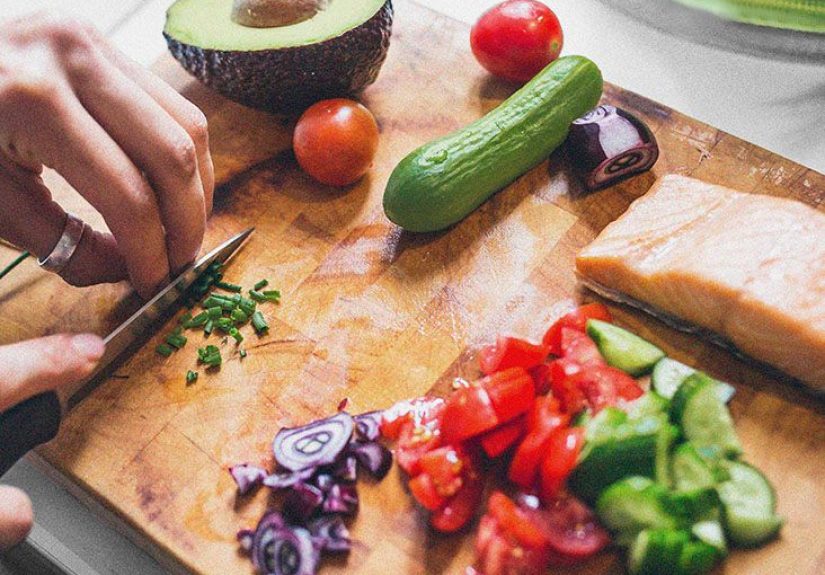
Not all fats are harmful. In fact, consuming healthy fats can help boost your HDL cholesterol levels. Include foods rich in monounsaturated fats and omega-3 fatty acids in your diet, such as:
- Olive oil
- Avocados
- Fatty fish (like salmon, mackerel, and sardines)
- Nuts and seeds (such as almonds, walnuts, and flaxseeds)
- Chia seeds
These fats help to improve HDL levels and reduce LDL cholesterol, creating a more favorable cholesterol profile overall.
3. Avoid Trans Fats
Trans fats, often found in processed and packaged foods, can lower HDL cholesterol and increase LDL cholesterol, contributing to an increased risk of heart disease. To maintain healthy cholesterol levels, avoid foods containing hydrogenated oils or partially hydrogenated fats, such as:
- Fast food
- Baked goods (like pastries and cookies)
- Processed snacks
4. Lose Weight
If you’re overweight or obese, losing even a small amount of weight can help increase HDL cholesterol levels. This is particularly true for people who carry extra weight around their abdomen, as belly fat can lower HDL levels. Adopting a balanced diet and regular exercise routine can help you shed excess pounds and improve your cholesterol profile.
5. Quit Smoking
Smoking damages blood vessels and decreases HDL cholesterol levels. If you’re a smoker, quitting can help raise your HDL cholesterol levels and improve your heart health overall. Additionally, nonsmokers tend to have higher levels of good cholesterol and better overall cardiovascular health.
6. Drink Alcohol in Moderation
Moderate alcohol consumption has been shown to increase HDL cholesterol levels. However, excessive alcohol intake can have negative effects on overall health and may increase the risk of liver disease and high blood pressure. For those who drink alcohol, aim to stick to moderate amountsthis means up to one drink per day for women and two drinks per day for men.
7. Increase Soluble Fiber
Soluble fiber, found in foods like oats, beans, lentils, and fruits, can help lower LDL cholesterol while boosting HDL cholesterol. Including more fiber-rich foods in your diet can support heart health by improving your cholesterol levels and maintaining healthy blood sugar levels.
Other Factors That Affect HDL Cholesterol
In addition to lifestyle changes, other factors can influence your HDL cholesterol levels:
- Age and Gender: As you age, HDL levels may naturally decrease. Women typically have higher HDL cholesterol levels than men, but this changes after menopause.
- Genetics: Some people are genetically predisposed to have higher or lower levels of HDL cholesterol.
- Medical Conditions: Certain conditions like type 2 diabetes and hypothyroidism can lower HDL cholesterol levels, while controlling these conditions can help increase good cholesterol.
Conclusion: The Importance of Good Cholesterol
Good cholesterol, or HDL, is essential for protecting your heart and reducing the risk of cardiovascular diseases. By adopting a healthy lifestyleregular exercise, eating heart-healthy fats, avoiding trans fats, and maintaining a healthy weightyou can naturally raise your HDL levels. Remember, small changes can lead to significant improvements in your cholesterol profile and overall health. Take charge of your health today by making positive lifestyle choices that support good cholesterol and a healthy heart.
Personal Experiences with Increasing Good Cholesterol
Many individuals struggle with low HDL cholesterol levels, but there are plenty of success stories that demonstrate how lifestyle changes can make a significant impact. Take, for instance, Lisa, a 47-year-old woman who had been struggling with high cholesterol for years. After adopting a diet rich in monounsaturated fats, like olive oil and avocados, and committing to daily 30-minute walks, her HDL levels rose significantly within three months. She also noticed improvements in her overall energy levels and felt better about her health in general. Lisa’s story shows that with a little commitment, positive changes can yield real results.
Another example comes from Tom, a 55-year-old man who decided to quit smoking after his doctor informed him that his HDL levels were lower than they should be. Tom knew that quitting smoking was essential not only for raising his HDL levels but for his overall well-being. Within six months of quitting, his HDL levels had risen, and he reported feeling better physically, with fewer respiratory issues. Tom’s experience highlights the power of quitting smoking and the immediate impact it can have on your heart health.
Lastly, there’s Mark, who had always struggled with his weight. After learning that losing weight could help boost his HDL cholesterol, he set out on a journey to drop the extra pounds. By incorporating more vegetables, fruits, and fiber-rich foods into his meals, alongside regular exercise, Mark lost 20 pounds and saw his HDL levels increase steadily. His story demonstrates the transformative effect of losing weight and how it can boost your cholesterol levels in a sustainable way.
These real-life experiences underscore that raising your HDL cholesterol is not just about making a one-time changeit’s about adopting a healthier lifestyle for the long term. Whether it’s through exercise, diet changes, or quitting smoking, the power is in your hands to improve your cholesterol levels and protect your heart for years to come.