Table of Contents >> Show >> Hide
- What Is a Happy Trail?
- What Does “Happy Trail” Mean, and Where Did the Term Come From?
- Is It Normal to Have a Happy Trail?
- Why Does Hair Grow There?
- Do You Need to Groom a Happy Trail?
- Best Grooming Tips for a Happy Trail
- Other Hair Removal Options
- How to Avoid Razor Bumps and Ingrown Hairs
- When Abdominal Hair Might Be Worth Mentioning to a Doctor
- Real-Life Experiences: What People Often Notice About a Happy Trail
- Conclusion
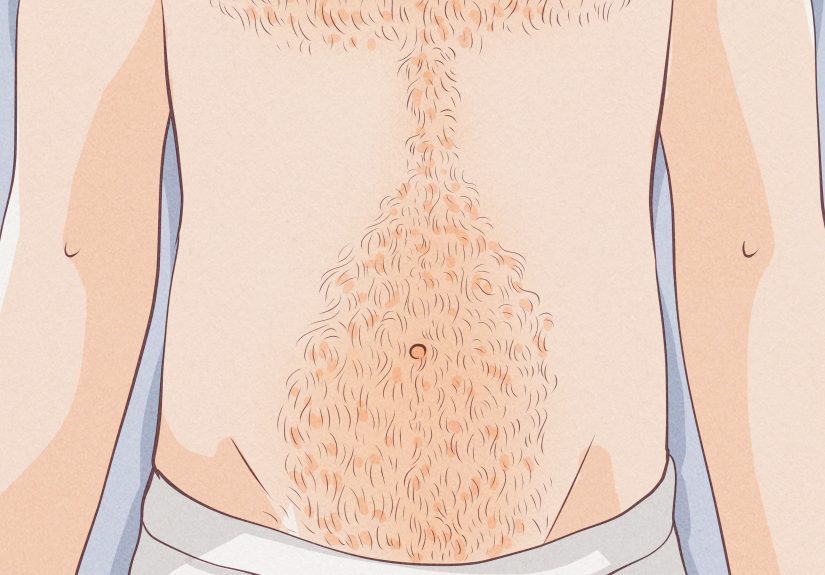
Let’s talk about one of the most casually mentioned, slightly goofy, and surprisingly misunderstood body-hair terms on the internet: the happy trail. It sounds like the name of a hiking route with excellent snacks and suspiciously confident squirrels. In reality, it refers to a narrow line of hair that often appears on the abdomen, usually running from the belly button down toward the pubic area.
For some people, a happy trail is thick and obvious. For others, it is faint, soft, or practically invisible. Some keep it exactly as it is. Some trim it. Some remove it. And some notice it one day in the mirror and think, “Well, that’s new.” All of those reactions are normal.
This guide breaks down what a happy trail is, where the term came from, why the hair shows up there in the first place, and how to groom it without turning your stomach into a landscape of razor bumps and regret. We’ll also cover when extra abdominal hair may be worth mentioning to a doctor, because there is a big difference between normal body hair and changes that feel sudden or unusual.
What Is a Happy Trail?
A happy trail is a slang term for a strip of hair that grows vertically along the midline of the lower abdomen. It often appears between the navel and the pubic hairline, though the exact pattern varies from person to person. Some people have a very narrow line. Others have a wider patch. Some have darker, coarser hair there, while others have only a soft shadow of fine hair.
Although the term is often associated with men, people of different sexes can have a happy trail. Hormones, genetics, age, ethnicity, and natural hair texture all influence how visible abdominal hair becomes. During puberty, body hair often changes from soft, light vellus hair to darker, coarser terminal hair in certain areas. The abdomen can be one of them.
In other words, a happy trail is not a medical diagnosis, a grooming emergency, or proof that your body has joined a biker gang. It is simply one variation of normal body hair.
What Does “Happy Trail” Mean, and Where Did the Term Come From?
The meaning of happy trail is straightforward: it is a playful slang label for abdominal hair that forms a visible line. The phrase is descriptive rather than medical. “Trail” makes sense because the hair creates a narrow path-like strip, and “happy” gives the term a joking, lighthearted tone.
As for the origin of the term happy trail, the exact first use is hard to pin down. It does not come from anatomy textbooks, and it is not an official dermatology term. Instead, it seems to have developed as casual English slang and stuck because it is memorable, cheeky, and much friendlier than saying “midline abdominal hair” in normal conversation. That phrase sounds less like body talk and more like a robot trying to flirt.
Today, the term shows up in pop culture, grooming conversations, and dictionary-style slang explainers. Still, it remains informal. If you ever discuss sudden hair-growth changes with a clinician, they are more likely to talk about body hair, terminal hair, or excess hair growth than your happy trail.
Is It Normal to Have a Happy Trail?
Yes. In most cases, a happy trail is completely normal. Body hair has real functions: it helps protect skin, reduces friction in certain areas, and plays a role in temperature regulation. Not every hair on your body exists purely to complicate vacation packing.
The thickness, color, and density of abdominal hair can vary a lot. Genetics are a major factor. Hormones also matter, especially during puberty and other life stages that affect androgen levels. That is why some people barely notice abdominal hair while others have a clearly visible strip.
Normal does not mean identical. A happy trail can be:
- light and barely visible,
- darker and more noticeable,
- short and centered below the navel, or
- part of broader abdominal hair growth.
It is also normal for people to feel differently about it. One person sees it as part of their natural look. Another treats it like a landscaping project. Neither is more “correct.” Grooming is preference, not morality.
Why Does Hair Grow There?
Abdominal hair growth is tied to the same basic factors that shape hair growth elsewhere on the body: hair follicles, hormones, age, and genetics. During puberty, some body hair becomes thicker and darker in response to hormonal shifts. The belly, chest, underarms, face, and pubic region are all areas where terminal hair may become more obvious over time.
Some people are more likely to develop visible abdominal hair because of family traits. If your relatives tend to have darker or denser body hair, you may too. Hair patterning is one of those inherited surprises that does not ask permission.
Sometimes abdominal hair becomes more noticeable because the surrounding skin is lighter, because you gained or lost weight, or because you have started paying closer attention to grooming. In other cases, it really does change over time.
For women or people assigned female at birth, a small amount of hair on the abdomen can be normal. However, if the hair growth becomes sudden, much thicker than usual, or appears along with symptoms like acne, irregular periods, or other hormonal changes, it may be worth checking in with a healthcare professional.
Do You Need to Groom a Happy Trail?
Nope. A happy trail does not need to be removed for hygiene. Body hair is not dirty just because it exists. That old myth has been hanging around for years, and it deserves to be escorted firmly out of the building.
You might choose to groom it for aesthetic reasons, comfort, sports, skin feel, or personal style. Or you may leave it alone because your stomach is not accepting notes at this time. Both approaches are fine.
If you are deciding whether to groom, think about three things:
- Your skin sensitivity: If you get razor burn easily, aggressive hair removal may be more trouble than it is worth.
- Your maintenance tolerance: Trimming requires upkeep, shaving needs more frequent touch-ups, and waxing or laser hair removal involve a different level of commitment.
- Your actual preference: Not a trend, not a comment from someone else, and definitely not a random social-media standard that changes every 11 minutes.
Best Grooming Tips for a Happy Trail
1. Trim first if the hair is long
If your abdominal hair is longer or denser, start with small scissors or a body-hair trimmer. This makes shaving easier and reduces tugging. Going straight in with a razor on longer hair is how people accidentally turn a simple cleanup into an eventful afternoon.
2. Wash the area with warm water
Warm water helps soften the hair and prep the skin. Showering first is ideal. Clean skin also lowers the chance of irritation from sweat, dirt, or product buildup getting involved in the process.
3. Use shaving gel or cream
Do not dry shave. Seriously. A lubricating gel or cream helps the razor glide and reduces friction, which means less irritation, fewer nicks, and a smaller chance of razor burn. If your skin is sensitive, choose a fragrance-free product.
4. Shave in the direction of hair growth
This is one of the most important happy trail grooming tips. Shaving against the grain may give a closer result, but it also raises the risk of razor bumps and ingrown hairs. If you are prone to irritation, shaving with the grain is the smarter move.
5. Use a clean, sharp razor
Dull blades drag and irritate the skin. A fresh, clean razor cuts more efficiently and is less likely to leave you with red, angry-looking bumps. Rinse the blade often while shaving so it does not clog with hair and cream.
6. Do not press too hard
A razor should glide, not excavate. Light pressure is enough. Pressing harder does not make you more efficient; it just makes your skin question your judgment.
7. Moisturize afterward
After grooming, rinse well and apply a gentle, non-irritating moisturizer. This can help calm the skin and reduce post-shave dryness. Avoid heavily fragranced products right after hair removal, especially if your skin is reactive.
8. Wear breathable clothing after grooming
Tight waistbands and rough fabrics can rub freshly shaved skin and make irritation worse. If possible, wear soft, loose clothing for the next several hours.
9. Consider trimming instead of shaving
If your skin hates razors, a trimmer may be your best friend. Trimming leaves a little length behind, which often means fewer ingrown hairs and less irritation. The result is less “glass-smooth” but a lot more peaceful.
Other Hair Removal Options
If shaving is not your thing, you have alternatives:
- Waxing: Longer-lasting than shaving, but it can be painful and may still cause irritation or ingrown hairs.
- Depilatory creams: These dissolve hair at the skin’s surface, but they can irritate sensitive skin. Always patch test first.
- Laser hair removal: A longer-term option that can reduce hair growth over time. It is usually best done by a qualified professional, especially on sensitive areas.
- Leaving it alone: Extremely affordable. Low maintenance. No blade required.
How to Avoid Razor Bumps and Ingrown Hairs
When people search for how to groom a happy trail, what they usually mean is, “How do I do this without regretting every decision?” The biggest grooming complaints tend to be razor burn, stinging, and ingrown hairs.
Here is how to lower the odds:
- prep the skin with warm water,
- use a sharp, clean blade,
- apply shaving cream or gel,
- shave with the grain,
- avoid repeated passes over the same spot,
- do not stretch the skin too tightly, and
- skip heavy friction right after grooming.
If you get an ingrown hair, resist the urge to attack it like it has personally offended you. Picking, squeezing, or digging can irritate the skin more and increase the risk of infection or scarring.
When Abdominal Hair Might Be Worth Mentioning to a Doctor
Most happy trails are simply normal body hair. But in some cases, a change in abdominal hair growth can point to a hormone-related issue. It may be worth checking in with a healthcare professional if:
- the hair growth is sudden or much heavier than usual,
- you also notice irregular periods, acne, or scalp hair thinning,
- the change feels rapid and out of character for your body, or
- the area becomes repeatedly inflamed, infected, or painful after grooming.
This does not mean every extra hair is a red flag. It just means context matters. Bodies change. Sometimes that is ordinary. Sometimes it is useful information.
Real-Life Experiences: What People Often Notice About a Happy Trail
One reason this topic gets searched so often is that people do not just want the definition. They want reassurance. They want to know whether other people have been there too, standing in front of a mirror, wondering if their abdomen has quietly developed a new accessory.
A common experience starts in the summer. Someone throws on a swimsuit, crop top, or workout clothes and suddenly notices a line of hair they swear was not there before. Usually, it was there in some form already, but brighter lighting, a tan, or a new mirror angle made it more obvious. Cue five minutes of intense personal reflection that could have been avoided by less aggressive bathroom lighting.
Another familiar experience happens after the first attempt at shaving. The actual shaving part seems easy enough. Confidence rises. Maybe too much. Then, a day later, the skin feels prickly, looks irritated, and starts producing tiny bumps that seem personally committed to ruining comfort. This is often when people discover that trimming may be the better option for their skin type. Not every grooming method deserves a second date.
Some people feel totally neutral about their happy trail until a comment from a partner, friend, or social-media feed makes them suddenly self-conscious. That experience is incredibly common. Trends around body hair change constantly, and a lot of them are driven by edited images, beauty standards, or plain old insecurity marketing. The result is that perfectly normal hair can start to feel like a problem when it was never one in the first place.
Then there are the practical experiences. Athletes sometimes notice that tight waistbands, sweat, and friction make freshly shaved abdominal skin extra uncomfortable. People with sensitive skin often discover that the regrowth phase is more annoying than the hair itself. Others find that a quick weekly trim gives them the look they want without the drama of stubble, razor burn, or ingrowns.
There is also the experience of realizing that body hair can be tied to bigger body changes. Some people notice more abdominal hair during puberty. Others see changes alongside hormonal shifts, medication changes, or conditions that affect androgen levels. That does not automatically mean something is wrong, but it can be the clue that prompts a helpful conversation with a clinician.
And finally, a lot of people end up in the same place: less panicked, less judgmental, and more practical. They learn what their skin tolerates. They stop treating every grooming choice like a referendum on attractiveness. They realize that some weeks they will groom, some weeks they will not, and the world will continue spinning at a very reasonable pace.
The most useful experience, honestly, is discovering that a happy trail is just body hair. Not a flaw. Not a crisis. Not a secret sign that you have failed some invisible beauty exam. Just hair, existing with the confidence only hair seems to possess.
Conclusion
So, what is a happy trail? It is a slang term for a strip of abdominal hair, usually running from the navel toward the pubic hairline. Its appearance is influenced by genetics, hormones, age, and natural hair growth patterns. For many people, it is completely normal and nothing more than another variation of body hair.
As for grooming, there is no rulebook carved into stone by a committee of exceptionally confident razors. You can keep it, trim it, shave it, wax it, or ignore it entirely. The best choice is the one that suits your skin, your comfort, and your preference. If you do groom, be gentle, prep the area well, and prioritize skin health over ultra-close results.
And if your happy trail seems to change suddenly or shows up with other symptoms, it is reasonable to check in with a healthcare professional. Otherwise, welcome to the wonderfully ordinary world of human body hair: occasionally awkward, often over-discussed, and absolutely not something you need permission to have.