Table of Contents >> Show >> Hide
- Meet the Dynamic Duo: What’s in Lemongrass and Ginger Tea?
- Potential Benefits of Lemongrass and Ginger Tea
- 1) May help ease nausea (ginger does the heavy lifting)
- 2) Supports digestion and may reduce “after-meal regret”
- 3) Anti-inflammatory and antioxidant support (mostly ginger, with lemongrass as a bonus)
- 4) May help with aches, soreness, or tension (warmth helps, too)
- 5) May support immune-friendly habits (without pretending to be a shield)
- 6) Respiratory comfort when you’re congested
- 7) Stress and mood support (lemongrass brings the spa vibe)
- 8) Antimicrobial potential (interesting science, but keep expectations realistic)
- Why Combine Lemongrass and Ginger?
- How to Make Lemongrass and Ginger Tea (So It Actually Tastes Good)
- When to Be Cautious
- FAQ
- Experience Notes: What People Commonly Notice When They Make This Tea a Habit (About )
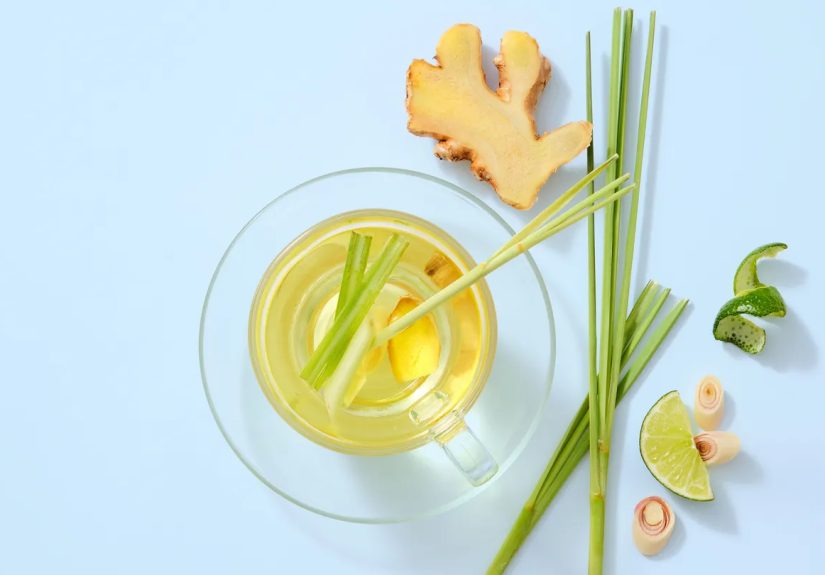
Lemongrass and ginger tea is what happens when a citrusy herb and a spicy root decide to form a cozy little
band in your mug. One brings the bright, “clean kitchen” aroma. The other brings the warm zing that can
make your sinuses briefly wonder what they did to deserve this. Together, they create a tea that’s
refreshing, comforting, and surprisingly practicalespecially when you want something flavorful that
isn’t basically dessert in a bottle.
But what does it actually do? Some benefits are supported by solid research on ginger, while
lemongrass has promising (but often early-stage) evidence, especially from lab and traditional-use
perspectives. And the tea itselfbecause it’s a water infusion, not a concentrated supplementtends to be
gentle. That’s good news for your stomach, and also a reminder not to expect it to replace your doctor,
your meds, or your ability to make responsible life choices on a Tuesday night.
Meet the Dynamic Duo: What’s in Lemongrass and Ginger Tea?
Ginger: the “settle down, stomach” root
Ginger (Zingiber officinale) contains natural compounds (including gingerols and shogaols) that
have been studied for effects related to digestion, nausea, inflammation, and oxidative stress. When
ginger is used in food or brewed into tea, you’re getting a mild dosestill potentially helpful, but far
less concentrated than capsules or extracts.
Lemongrass: the citrusy herb with a science-in-progress résumé
Lemongrass (often Cymbopogon citratus) is rich in aromatic compounds such as citral and contains
plant antioxidants (like flavonoids and phenolic compounds). It’s widely used in cooking and herbal teas.
While people use it for a long list of reasons, high-quality human research is thinner than you’ll find
for gingerso it’s best viewed as “promising and pleasant” rather than “proven cure-all.”
Potential Benefits of Lemongrass and Ginger Tea
Think of the benefits in two buckets:
(1) ginger-forward benefits with stronger evidence, and
(2) lemongrass-forward benefits that are plausible, traditional, and sometimes supported by
early researchespecially with essential oilsthough not always confirmed in large human trials.
1) May help ease nausea (ginger does the heavy lifting)
Ginger is one of the most commonly recommended herbal options for mild nausea, including pregnancy-related
nausea for some people (with appropriate guidance), motion sickness, and treatment-related nausea in certain
settings. That’s why you’ll often see ginger tea suggested when your stomach feels like it’s performing
interpretive dance.
Practical example: If travel makes you queasy, sipping warm ginger tea before leaving (or bringing a thermos)
can be a low-effort strategy. It’s not magic, but it can be part of a “stack” of helpful habits: light meals,
hydration, fresh air, and avoiding reading tiny text in a moving vehicle (looking at you, group chat).
2) Supports digestion and may reduce “after-meal regret”
Ginger is associated with digestive comfort: it may help food move along the digestive tract and can feel
soothing when you’re dealing with mild indigestion. Lemongrass is also traditionally used for digestive
support, and many people find it “settling,” especially as a warm, non-caffeinated drink after meals.
Practical example: After a heavy dinner, swap the “one last snack” impulse for a mug of lemongrass and ginger
tea. You still get flavor and a sense of ritualwithout adding a second dinner to your first dinner.
3) Anti-inflammatory and antioxidant support (mostly ginger, with lemongrass as a bonus)
Ginger contains compounds with antioxidant and anti-inflammatory properties, and it has been studied for a
range of inflammation-related discomforts. Lemongrass also contains antioxidant compounds, though the strength
of evidence for specific outcomes in humans is more limited.
Translation: This tea won’t “detox your body” (your liver is already doing that job, 24/7, without applause),
but it can be a sensible part of an overall anti-inflammatory lifestyleespecially if it replaces sugar-heavy
beverages.
4) May help with aches, soreness, or tension (warmth helps, too)
There’s research exploring ginger for pain and inflammation, including muscle soreness after exercise. Even
when the biological effect is modest, warm tea can be physically comfortinglike a heated blanket you can
drink. Lemongrass is also traditionally used for discomfort and may feel relaxing in tea form.
Practical example: If you’re stiff after a workout, try this routine: hydrate, stretch lightly, and sip a mug
of ginger-forward lemongrass tea. It won’t replace recovery basics (sleep, nutrition, sensible training), but
it can make the recovery process feel less like a punishment.
5) May support immune-friendly habits (without pretending to be a shield)
No tea can guarantee you won’t catch whatever is circulating at the office. But warm fluids can help you stay
hydrated, and ginger is frequently discussed in the context of immune support and inflammation. The bigger win
is behavioral: if you’re sipping herbal tea, you’re probably not chugging sodaand that swap can support
overall health.
6) Respiratory comfort when you’re congested
Ginger’s warming “spice” sensation can feel comforting when you have a scratchy throat or stuffy nose, and
warm steam from any hot beverage may temporarily help you feel less congested. Lemongrass adds a bright aroma
that many people find “clearing” and calming.
Tip: Brew it strong, inhale gently over the cup (don’t inhale like you’re trying to vacuum the steam out of
the room), and sip slowly. If you add honey, keep it modestyour throat wants soothing, not a sugar rush.
7) Stress and mood support (lemongrass brings the spa vibe)
Lemongrass is often described as calming, especially due to its aroma. While aromatherapy research doesn’t
translate perfectly into tea, the experience matters: making tea forces a pause, and that pause is a tiny act
of self-care. Ginger adds warmth and sensory “grounding,” which can feel comforting during stressful days.
8) Antimicrobial potential (interesting science, but keep expectations realistic)
Lemongrass essential oil has demonstrated antimicrobial activity in laboratory research. That’s scientifically
interestingbut essential oil studies are not the same as drinking tea, and “kills bacteria in a petri dish”
does not automatically mean “treats infections in humans.” Still, lemongrass tea is a pleasant, low-risk
beverage for most adults, and the plant chemistry is part of why it’s been used traditionally.
Why Combine Lemongrass and Ginger?
Flavor is the obvious reason: lemongrass brings citrus notes without acidity, and ginger adds warmth and a
gentle bite. But there are functional reasons, too:
- Balanced comfort: ginger for stomach support, lemongrass for a calm, clean finish.
- Low-sugar satisfaction: it’s a flavorful drink that doesn’t need sweetening to be enjoyable.
- Easy daily ritual: consistent hydration habits are underrated, and tea makes it enjoyable.
How to Make Lemongrass and Ginger Tea (So It Actually Tastes Good)
Simple stovetop method (strongest flavor)
- Bring 2–3 cups of water to a gentle boil.
- Add 1–2 teaspoons fresh ginger (sliced or grated). Adjust to your spice tolerance.
- Add 1 stalk lemongrass (bruised with the back of a knife and chopped) or 1–2 teaspoons dried lemongrass.
- Reduce to a simmer for 8–12 minutes.
- Strain and sip. Optional: a squeeze of lemon, a thin slice of orange, or a small spoon of honey.
Quick steep method (when you’re busy, tired, or both)
- Place ginger + lemongrass in a mug or teapot.
- Pour hot water over it, cover, and steep 7–10 minutes.
- Strain (or don’t, if you enjoy surprise ginger slices). Drink.
Pro tip: If you’re using dried ingredients, steep a little longer. If you’re using fresh
ginger and want less heat, use slices instead of grated ginger (grating releases more punch).
When to Be Cautious
For most healthy adults, lemongrass and ginger tea in food-level amounts is generally well tolerated.
Still, “natural” doesn’t mean “automatically safe for everyone,” especially if you’re pregnant, managing a
medical condition, or taking medications.
Ginger cautions
-
Bleeding risk / blood thinners: Ginger may affect platelet function and can interact with
anticoagulants or antiplatelet medications. If you take these, ask your clinician before using large
amounts regularly. -
Heartburn or reflux: Ginger can be warming and may aggravate symptoms for some people if
brewed very strong. -
High-dose supplements: Tea is mild, but supplements are concentrateddifferent safety
conversation entirely.
Lemongrass cautions
-
Pregnancy: Some references advise avoiding lemongrass during pregnancy or using it only
with medical guidance. -
Essential oils are not tea: Do not ingest lemongrass essential oil unless directed by a
qualified professional. Tea uses the plant; essential oil is a concentrated extract with different risks. -
Allergies/sensitivity: If you notice rash, itching, or stomach upset, discontinue and
reassess.
If you’re unsure, the safest approach is boring-but-effective: keep the tea at culinary strength (not “I’m
trying to time travel through herbal concentration”), and check with a clinician if you have conditions or
take medications that could interact.
FAQ
Can I drink lemongrass and ginger tea every day?
Many people do. A reasonable daily habit is 1–2 mugs made with normal culinary amounts. If you notice
heartburn, stomach irritation, or any unusual symptoms, scale back.
Is it good for weight loss?
The tea itself isn’t a weight-loss “hack.” However, it can support weight-friendly habits by replacing
sugary drinks and helping you feel satisfied between meals. If weight goals matter, think big picture:
sleep, protein and fiber, consistent movement, and a diet you can maintain without becoming a full-time
grouch.
What’s the best time to drink it?
After meals for digestive comfort, in the afternoon when you want something warm but not caffeinated, or
during colder months when you’re craving cozy. If ginger energizes you, avoid right before bed; if it calms
you, enjoy it as part of your wind-down routine.
Experience Notes: What People Commonly Notice When They Make This Tea a Habit (About )
Because lemongrass and ginger tea is so easy to make, many people end up using it less like a “remedy” and
more like a dependable daily toollike a comfortable hoodie, but in liquid form. The first thing most folks
notice is the flavor: lemongrass gives that clean, citrusy aroma that feels bright even on a sluggish day,
while ginger adds warmth that makes the tea feel like it’s doing something important. Sometimes that “doing
something” is simply making you slow down long enough to breathe, whichsurprisecan help your body feel
better.
A common real-life use is after a heavy meal. You know the kind: delicious in the moment, followed by a
stomach that sends strongly worded emails. People often describe this tea as a “reset button” because it’s
warm, hydrating, and not overly sweet. The ginger-forward version tends to feel especially comforting when
you’re mildly nauseated or bloated, while lemongrass keeps the cup tasting fresh rather than medicinal.
Some tea drinkers even make a small pot after restaurant meals so dessert doesn’t have to be the only
“ending.”
Another pattern is travel. When routines changedifferent foods, different sleep, too much sittingdigestion
can get cranky. People who already like ginger often pack tea bags or dried ginger slices and pair them with
lemongrass (or a lemongrass tea bag) for a simple, familiar drink in hotel rooms. It’s also a nice
caffeine-free option when you’re trying to stay hydrated without doubling your daily coffee and vibrating
through airport security.
During colder months, this tea becomes a “hands warmer” as much as a beverage. Many people enjoy the steam
and warmth when they feel congested or just generally run down. It’s not that the tea is fighting viruses
in a superhero caperather, it feels soothing on the throat, encourages hydration, and can replace drinks
that dehydrate or spike sugar. The ritual helps too: slicing ginger, bruising lemongrass, hearing the kettle,
and waiting those few minutes. That tiny pause can be surprisingly grounding when everything else feels loud.
Finally, there’s the stress angle. People often report that lemongrass feels “calming,” especially in the
late afternoon when the day’s momentum starts to wobble. Ginger adds a sensory punch that pulls you into the
momentlike, “Hello, yes, I am currently a human with a tongue.” Some folks swap their second (or third)
caffeinated drink for this tea and notice they feel less jittery and sleep a bit better. Even if the effects
are partly about habit and environment, that still counts. Health isn’t only chemistry; it’s also what you
repeatedly do when nobody is grading you.
If you want to experiment, try keeping the recipe consistent for a week and journaling quick notes: how your
digestion feels after meals, whether it affects cravings for sweets, and if it changes your evening wind-down.
The goal isn’t perfectionit’s noticing what your body actually responds to, instead of what the internet
says you should feel.