Table of Contents >> Show >> Hide
- The Cybertruck’s Biggest Surprise: It Drives Better Than It Looks
- Why the Defunct Rear-Drive Trim Mattered
- What the Cybertruck Actually Gets Right
- What Keeps It From Being More Than “Alright”
- The Value Problem Is What Finally Sank the Mood
- What the Defunct Cybertruck Says About EV Trucks
- Extended Driving Experience: Living With the Weirdness for a Little Longer
- Conclusion
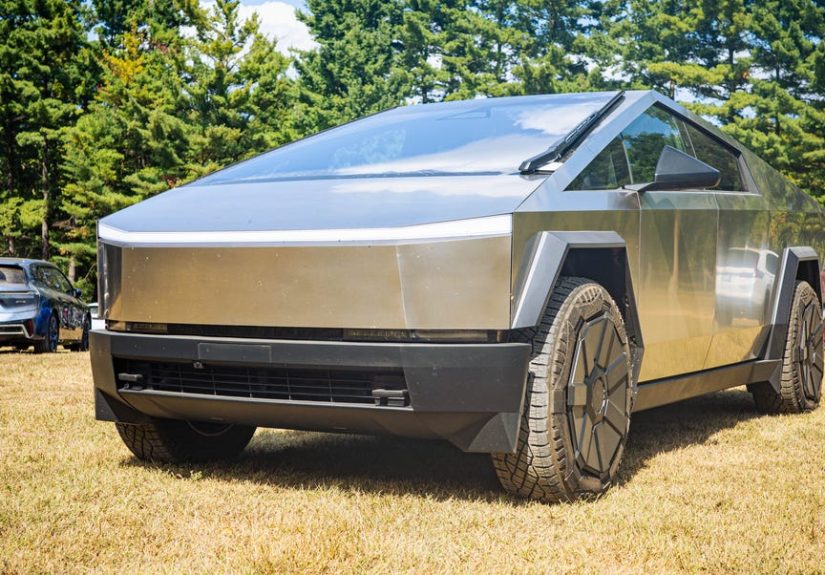
If you judge the Tesla Cybertruck purely by internet energy, you would assume it drives like a stainless-steel tantrum. It looks like a concept sketch that escaped a design studio, skipped production reality, and somehow ended up in a suburban parking lot next to a Honda CR-V and a shopping cart with one bad wheel. So when the now-discontinued rear-drive Cybertruck quietly came and went, the easy response was obvious: laugh, point, refresh the meme folder, and move on.
But here is the annoying truth for anyone who prefers clean narratives: the defunct Cybertruck was actually alright. Not brilliant. Not a working-class bargain. Not a flawless electric truck poised to unite America. But alright in a way that matters. Underneath the stainless-steel theater, there is real engineering ambition here. And when you strip away some of the hype, the backlash, and the “is this thing a truck or a PlayStation 1 cutscene?” discourse, you end up with a vehicle that can be strangely enjoyable to drive.
That is what makes the rear-drive Cybertruck such a fascinating footnote in the EV era. It was the version that seemed most likely to normalize the whole experiment. It was less outrageous on paper, less expensive than the pricier trims, and closer to something a practical buyer might at least consider. Yet it vanished almost as quickly as it arrived. What remains is a strange legacy: the cheapest Cybertruck may have been the most useful version for proving that Tesla’s weirdest vehicle was not entirely smoke, mirrors, and stainless fingerprints.
The Cybertruck’s Biggest Surprise: It Drives Better Than It Looks
The first shock is not the speed. Tesla has built its reputation on instant electric punch, and even the slower rear-drive Cybertruck was never going to feel sleepy in normal traffic. The real surprise is how manageable the truck feels once it starts moving. For a machine that looks like it should steer with all the grace of a folding table, the Cybertruck can feel unusually nimble.
A lot of that comes down to steer-by-wire. This is the Cybertruck’s true party trick, the technology that makes the truck feel less like a giant wedge and more like a very expensive gadget that accidentally learned road manners. At low speeds, the steering is incredibly quick. You do not need huge armfuls of rotation just to nose into a parking space. At higher speeds, it settles down enough to avoid turning every lane change into a dramatic life event. It is one of those features that sounds gimmicky until you try it and realize there is genuine logic underneath the sci-fi packaging.
That feeling matters because the Cybertruck is not small, subtle, or shy. Anything that makes it easier to place on the road is a win. The low center of gravity from the battery pack helps, too. The truck still feels heavy, because it is heavy, but it does not always feel clumsy. In traffic, around corners, and through the kind of everyday driving that makes up most real life, it can feel more composed than its cartoonish silhouette suggests.
That does not mean the rear-drive version turns into a sports sedan wearing work boots. It does mean the thing is less ridiculous from behind the wheel than it is from across the parking lot. And for a vehicle that has spent years being treated like a culture-war totem with headlights, that is a notable accomplishment.
Why the Defunct Rear-Drive Trim Mattered
The discontinued rear-drive Cybertruck was important because it was supposed to answer the obvious question surrounding the model: what happens when Tesla tries to make the Cybertruck less theatrical and a little more attainable? The answer, at least briefly, was a version that cut performance, dropped features, lowered the towing figure, and leaned harder into efficiency.
On paper, that sounded sensible. The rear-drive model trimmed some of the excess and aimed for a lower starting price. In theory, it could have broadened the Cybertruck’s appeal beyond early adopters and collectors of automotive controversy. In practice, it also exposed the vehicle’s core dilemma. Even a cheaper Cybertruck was still expensive, still divisive, and still compromised compared with more conventional rivals.
That is the real reason the “defunct” part of this story matters. The trim did not disappear because it was terrible to drive. If anything, the softer, calmer character may have made it easier to live with. It disappeared because “pretty good” is not enough when the styling is this polarizing, the competition is getting stronger, and buyers expect a lot more from a truck that looks like it crash-landed from 2047.
The rear-drive model essentially proved two things at once. First, the Cybertruck platform has legitimate merit. Second, merit alone does not guarantee a hit when the broader product story is messy. Buyers do not just shop the steering feel. They shop price, range, capability, comfort, service experience, and whether their neighbors will ask if they are okay.
What the Cybertruck Actually Gets Right
1. The engineering is not fake
The Cybertruck often gets discussed like it is a publicity stunt with windshield wipers. That misses something important. Beneath the drama, there is real hardware innovation. The 48-volt architecture, the unusual steering setup, the rear-wheel steering behavior, and the packaging all show a company trying to rethink familiar truck conventions rather than simply electrify an existing pickup template. Whether every decision pays off is another question, but the ambition is real.
2. It feels futuristic in ways that are not purely cosmetic
Plenty of vehicles try to look futuristic. The Cybertruck tries to behave futuristic. The steering changes the experience of driving at low speeds. The giant central screen defines the cabin. The massive windshield makes the front view feel cinematic, even if it also creates some ergonomic oddities. Even the infamous single wiper contributes to the sense that this truck was built by people who asked, “What if we ignored convention?” and then, alarmingly, followed through.
3. It still does truck stuff
For all the jokes, the Cybertruck is not merely an art project on wheels. It has a usable bed, real payload numbers, and legit towing capability in higher trims. Even the rear-drive model was not pretending to be a hatchback with a gym membership. It remained a genuinely functional pickup in broad terms, which is more than skeptics expected when the concept first rolled out years ago.
4. The ride and drivability are more civilized than expected
One of the easiest mistakes to make with the Cybertruck is assuming that if it looks abrasive, it must feel abrasive. Yet multiple reviewers have landed in roughly the same place: odd, yes; chaotic, not necessarily. The truck can be firm, and the learning curve is real, but there is an undeniable polish to the way it gathers itself on the move. The rear-drive version, in particular, seemed to benefit from not trying to be the quickest object in the zip code at all times.
What Keeps It From Being More Than “Alright”
Visibility is a genuine problem
The Cybertruck’s design creates real compromises. Massive pillars, a small rear view, chunky bodywork, and a dashboard that can feel like a coffee table all add up to visibility concerns. Yes, cameras help. Yes, technology can patch some of the issue. But “the software will help you see” is not quite the same as “the truck is easy to see out of.”
The controls can feel too clever
Tesla has long loved replacing ordinary physical controls with screen-based solutions, and the Cybertruck continues that philosophy with full confidence and limited shame. Some of that works. Some of it feels like normal automotive tasks were made more complicated just so the truck could win a design argument. If a basic action requires a moment of adaptation that a conventional truck would never ask of you, that is not always innovation. Sometimes it is just extra homework.
The styling remains a barrier, not just a statement
Polarizing design can be an asset when it helps a vehicle stand out. It becomes a liability when it narrows the audience faster than product improvements can widen it. The Cybertruck is famous, but fame and broad appeal are not the same thing. Looking like a rolling geometry assignment may earn attention, but attention does not always convert to sales.
Recalls and shifting promises have chipped away at confidence
The Cybertruck story has also been complicated by recalls, quality complaints, and changing expectations around range and value. That matters because buyers can forgive weirdness more easily than they forgive instability. A strange truck can still succeed if it feels dependable. But when the headlines include trim pieces, wiper issues, software fixes, canceled accessories, and fading momentum, the vehicle starts to look less like the future and more like a beta test with a payment schedule.
The Value Problem Is What Finally Sank the Mood
This is where the rear-drive Cybertruck’s brief life becomes especially revealing. A cheaper trim should have been the version that made the whole idea click. Instead, it mostly highlighted how difficult it is to make the Cybertruck feel like a rational purchase.
Even with lower pricing, the rear-drive model had to give up enough features that the value equation became awkward. Lose some comfort, lose some utility, lose some range confidence in real-world use, lose some capability, and suddenly the “entry point” feels like the version most likely to make buyers wonder whether they should simply get something else. A Ford F-150 Lightning, Rivian R1T, or even a conventional gas truck starts looking refreshingly normal at that point.
That is the Cybertruck’s central irony. It is interesting enough to earn a test drive, advanced enough to earn genuine praise, and practical enough to avoid being dismissed as pure theater. But it is rarely all those things at a price and package that feel easy to defend. The rear-drive trim was supposed to soften that tension. Instead, it made the tension easier to see.
What the Defunct Cybertruck Says About EV Trucks
The Cybertruck’s rise and wobble tell us something useful about electric pickups in general. Buyers in this category still care about the basics. They care about range when towing. They care about bed usability. They care about visibility, ride quality, charging speed, reliability, and whether a truck can be both a work tool and a family vehicle. Novelty helps open the door, but utility still decides whether people stay in the room.
The Cybertruck absolutely moved the conversation. It forced rivals, analysts, and consumers to think differently about what an EV truck could be. It showed that there is room for bold engineering and not just safe electrified copies of familiar pickups. But it also proved that disruption is not the same as domination. Being weird gets attention. Being good gets respect. Being good enough for enough people at the right price is what builds a durable product.
And that is why the now-defunct rear-drive Cybertruck remains so interesting. It was the version closest to the mainstream without ever truly reaching it. It offered a glimpse of a more usable, less hysterical Cybertruck ownership story. Then it disappeared, like Tesla itself was not fully convinced the compromise was worth keeping around.
Extended Driving Experience: Living With the Weirdness for a Little Longer
Spend real time around the Cybertruck and the first thing you notice is that everybody else notices the Cybertruck. It is not a vehicle that blends in. It does not “sit” in traffic so much as loom there, like a concept car that forgot the auto show ended. People stare. Some laugh. Some take photos. Some look impressed, others look deeply unconvinced, and a few have the expression of someone trying to decide whether they are seeing a pickup or a kitchen appliance with a driver’s license. That theater becomes part of the experience before the wheels even move.
Then you climb in, and the mood shifts. The cabin is calmer than the exterior suggests. It is minimalist in the very Tesla way, which means almost everything routes through the screen and almost nothing wants to explain itself twice. At first, that can feel like the truck is testing you. But once the learning curve settles down, the interior starts to make a certain kind of sense. It is airy, broad, and oddly serene for something that looks like it should come with boss music.
Pull away from a stop and the rear-drive Cybertruck’s softer personality becomes obvious. It is not trying to snap your neck and rewrite your understanding of acceleration. Instead, it feels smoother, calmer, and more approachable than the hotter versions. That actually suits the vehicle. In a truck this dramatic, a little less drama from the powertrain is almost refreshing. You start to pay attention to the steering, the ride, and the body control instead of just the headline speed.
The steering is the star. In tight spaces, it feels almost comically quick. The first few minutes can be awkward because your hands expect one thing and the truck delivers another. But then your brain recalibrates. Suddenly the Cybertruck feels easier to place than its size should allow. Parking is less of a negotiation. Low-speed turns feel cleaner. The whole truck shrinks around you just enough to lower your stress level. It is one of the few features that lives up to the hype without needing a footnote.
That said, the Cybertruck never fully stops being weird. Visibility remains a chore. The giant windshield gives you a panoramic sense of sky and road ahead, but other angles are less confidence-inspiring. The rear view feels compromised, side views require trust in the cameras, and some everyday maneuvers still ask you to work harder than they should. It is not disastrous, but it is also not effortless. You drive it with awareness, which is a polite way of saying it keeps you busy.
Over rougher pavement, the truck can settle into a rhythm that feels more mature than expected. You are still aware of the weight. You are still aware that this is a large electric pickup and not a luxury crossover in cosplay. But there is a coherence to the way it moves. It does not float. It does not flop. It simply goes about its business with more composure than the styling prepares you for.
And that is the lasting impression. The defunct Cybertruck was not lovable because it solved everything. It was interesting because it softened the vehicle’s excesses just enough to reveal the strengths underneath. After the jokes, after the outrage, after the endless online discourse, you were left with a machine that could be competent, clever, and even enjoyable. Not perfect. Not revolutionary in every way. But absolutely more alright than the internet was prepared to admit.
Conclusion
The discontinued rear-drive Cybertruck did not save the model, democratize the EV truck market, or magically transform a polarizing icon into an everyday no-brainer. What it did do was expose the truth hiding under years of hype and backlash: the Cybertruck is not just a meme on all-terrain tires. It is a legitimately thoughtful piece of engineering wrapped in a shape that keeps sabotaging its own chance at normal success.
That is why this story matters. “Actually alright” sounds like faint praise, but in the Cybertruck’s case, it is a meaningful verdict. It means the drive experience can be smarter than the styling. It means the technology can impress even when the product strategy wobbles. And it means Tesla, for at least one brief moment, built a version of its strangest vehicle that felt closer to sensible than sensational.
Unfortunately, being interesting and being easy to recommend are not the same thing. The rear-drive Cybertruck showed real promise, then disappeared before it could become a stable part of the market. That leaves behind a fitting final judgment: the defunct Cybertruck was not the disaster many expected, but it was never quite the breakthrough Tesla needed either.