Table of Contents >> Show >> Hide
- Why This Viral Dog Dinner Set Off Such a Big Reaction
- Can Dogs Be Vegan? Yes, But That Is Not the End of the Story
- Why a Homemade Vegan Dinner Is Where Things Get Risky Fast
- The Heart of the Debate: Health Outcomes, Not Internet Morality
- When a Plant-Based Diet Might Actually Make Sense
- What Responsible Owners Should Learn From This Viral Mess
- Experiences From the Real World: When Ethics Meets the Dog Bowl
- Conclusion
- SEO Metadata
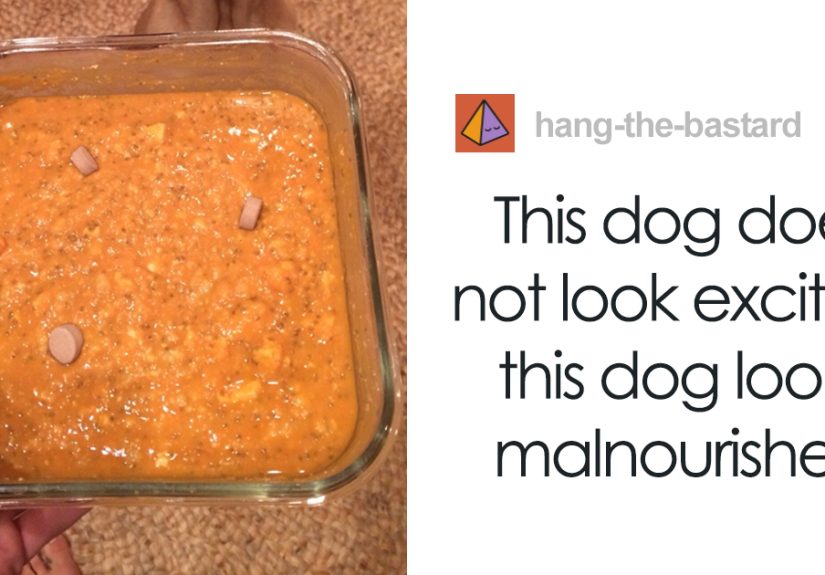
Internet outrage loves a simple story: owner posts photo, dog looks thrilled, comment section grabs a torch, and somewhere a veterinarian walks in like the final boss of common sense. That is basically what happened when a vegan pet owner shared pictures of her Labrador looking very pleased about a vegan dinner. The dog’s expression screamed, “Food! Excellent!” The internet translated that as, “Proof this diet is perfect,” while critics fired back with the energy of people who had just seen someone put ketchup on a steak.
But the real story is more interesting than the meme version. This viral moment was never just about one bowl of food. It became a referendum on vegan dog diets, owner ethics, pet nutrition, and whether “my dog likes it” is anywhere close to a medical argument. Spoiler: it is not. A Labrador would also be excited to eat a sandwich, a pizza crust, a mystery napkin, and possibly a decorative pillow.
So let’s leave the internet shouting match where it belongs and ask the question veterinarians actually care about: Can a dog safely eat a vegan diet, and if so, under what conditions? That is where the conversation gets less dramatic, more useful, and far more relevant to dog owners who want to do right by their pets without turning dinner into a science fair disaster.
Why This Viral Dog Dinner Set Off Such a Big Reaction
The post went viral because it pushed on three emotional pressure points at once. First, people are deeply protective of dogs. Second, food has become a moral identity marker for many humans. Third, social media is not exactly known for pausing, breathing, and consulting a board-certified veterinary nutritionist before posting. Put those together and you get a digital cage match.
To many commenters, the image of a Labrador waiting for a vegan meal looked like proof that an owner was forcing a human belief system onto an animal. To others, it looked like no big deal because dogs are omnivores, not obligate carnivores like cats. And that is where the debate usually turns into a nutritional traffic jam. One side says, “Dogs can eat plants.” The other says, “Dogs need meat.” Both statements sound punchy. Neither is complete.
The truth is that dogs need nutrients, not a philosophical lecture and not a random scoop of leftovers. Their bodies need adequate protein, fat, vitamins, minerals, and specific amino acids in the right amounts and ratios. A diet can be meat-based and still be poorly balanced. A diet can be plant-based and still be carefully formulated. The problem is that many people jump from “possible” to “easy,” and those are not cousins. They are barely roommates.
Can Dogs Be Vegan? Yes, But That Is Not the End of the Story
Here is the nuance that gets lost every time this topic explodes online: dogs are biologically capable of eating properly formulated vegetarian or even vegan diets. They are not wolves in tiny pajamas. Over thousands of years of domestication, dogs adapted to digest starches and use nutrients from a broader range of foods than strict carnivores can.
That said, “dogs can survive on a vegan diet” is not the same thing as “every vegan dinner plate is good dog food.” A carefully formulated commercial plant-based diet that meets complete-and-balanced standards is a very different beast from homemade lentils, rice, vegetables, and vibes. One is nutrition. The other is optimism wearing an apron.
This distinction matters because most veterinary concerns are not about the absence of meat in a moral sense. They are about the absence of nutritional precision. Plant ingredients can supply protein and calories, but they do not automatically provide the ideal amino acid balance or enough key nutrients unless the formula is designed to do so. In other words, your dog cannot thrive on broccoli, brown rice, and your personal sense of righteousness.
Where Vets Usually Agree
Veterinarians tend to land in a fairly practical place. They do not usually say, “A vegan diet is impossible for every dog.” They say, “If you want to do this, do it correctly, use a complete and balanced formula, and involve a veterinarian or veterinary nutritionist.” That is a huge difference. It shifts the question from ideology to formulation, monitoring, digestibility, life stage, and long-term health outcomes.
That is also why the viral photo triggered such fierce criticism from veterinary voices. A happy face over a bowl does not answer the important questions: Is the food complete and balanced? Is it appropriate for that dog’s age and medical status? Has anyone checked the ingredient profile, feeding trial information, or nutritional adequacy statement? Has the dog had follow-up exams? If the answer is “I don’t know, but he seems excited,” that is not a feeding plan. That is a gamble with a wagging tail.
Why a Homemade Vegan Dinner Is Where Things Get Risky Fast
Homemade diets already carry risk, whether they contain meat or not. Once you remove animal products entirely, the balancing act gets harder. Protein quality becomes more important. Amino acid supplementation may become necessary. Some nutrients are trickier to supply at the right level from plant ingredients alone. Suddenly the cute bowl on Instagram has turned into a spreadsheet with serious consequences.
Among the nutrients and diet qualities veterinarians watch closely are:
- Protein amount and quality: not just total grams, but digestibility and amino acid profile.
- Taurine and L-carnitine concerns: especially in discussions around certain nontraditional diets and heart health.
- Vitamin B12, vitamin D, calcium, zinc, iron, and other micronutrients: easy to miss, hard to fix once deficiencies show up.
- Calorie density and palatability: some dogs may eat enough volume, some may not.
- Life-stage appropriateness: puppies, pregnant dogs, and medically fragile dogs need extra caution.
This is where the internet tends to make a mess of a complicated issue. People often treat homemade vegan dog food like human meal prep. Toss in chickpeas, sweet potatoes, tofu, maybe some quinoa, and cue the self-congratulations. The problem is that dogs are not tiny yoga instructors. They cannot tell you when the amino acid balance is off, when calcium-to-phosphorus ratios are drifting, or when a low-grade nutrient deficiency is quietly setting up future trouble.
The Labrador Problem: Enthusiasm Is Not Evidence
Labradors are famously enthusiastic eaters. If a Lab sits politely and then devours a bowl, that tells you the dog finds it edible. It does not tell you the food is adequate. Dogs also get excited about garbage trucks, socks, and goose poop. Their enthusiasm is touching, but it is not peer review.
That is one reason veterinarians reacted so sharply to the viral post. The owner appeared to present the dog’s excitement as proof of nutritional success. From a clinical perspective, that is like saying your toddler smiled at dinner, therefore the meal must contain every nutrient needed for healthy development. Adorable? Yes. Scientifically persuasive? Not even close.
The Heart of the Debate: Health Outcomes, Not Internet Morality
One reason this topic stays controversial is that the research base is still developing. Some studies and reviews suggest dogs may do fine on nutritionally sound vegan diets, especially commercial formulas designed to meet recognized standards. At the same time, veterinary groups continue to urge caution because the body of evidence is limited, long-term data are not as robust as many people assume, and poorly formulated diets remain a real concern.
Then there is the whole discussion around diet-associated dilated cardiomyopathy, or DCM, which made alternative diets an even hotter issue. The FDA has investigated reports involving certain nontraditional diets, particularly those with high levels of legumes or pulses such as peas and lentils. Importantly, this does not mean every plant-based food is dangerous or that legumes are villains twirling mustaches in the pantry. It means the science is complicated and veterinarians are right to be cautious when a diet relies heavily on trendy ingredients, unusual formulations, or inadequate oversight.
That is why the smartest veterinary advice sounds a little less theatrical than social media and a lot more boring in the best possible way: read the label, look for a nutritional adequacy statement, ask whether the food is complete and balanced for the dog’s life stage, and involve a professional if you want to use a homemade or nontraditional diet. Boring saves dogs. Drama just gets more comments.
When a Plant-Based Diet Might Actually Make Sense
Here is where the conversation becomes more fair. Not every dog on a plant-based diet is there because an owner is trying to win an argument online. In some cases, veterinarians may recommend vegetarian or hydrolyzed approaches during food-allergy workups or when trying to eliminate certain proteins. Some owners are also motivated by environmental or ethical concerns and genuinely want to make the safest evidence-based choice possible.
In those cases, a plant-based diet may be an option if several boxes are checked:
- The food is complete and balanced for the dog’s life stage.
- The formula comes from a reputable manufacturer with sound quality control.
- The dog is monitored by a veterinarian, especially after diet changes.
- The owner is willing to adjust course if the dog is not thriving.
- Puppies and medically complex dogs receive extra caution rather than internet confidence.
Notice what is missing from that list: viral applause, ideology, and the phrase “but he loves it.” Dogs deserve better than being recruited as props in a human values debate. If a vegan diet is chosen, it should be chosen the same way any serious feeding decision should be chosen: based on the dog’s needs, not the owner’s timeline.
What Responsible Owners Should Learn From This Viral Mess
The best lesson from the whole Labrador saga is not “never feed plant-based food” and not “the haters were wrong.” The real lesson is that pet nutrition is one of those areas where confidence regularly outruns competence. People assume feeding is simple because it happens every day. But doing something daily does not make someone an expert. I brush my teeth every day. This does not qualify me to open a dental school.
If you are considering a vegan or vegetarian diet for your dog, start with humility. Ask your veterinarian. Read the label. Look for the AAFCO-style nutritional adequacy statement. Be skeptical of DIY recipes floating around online like nutritional confetti. If the food is homemade, work with a veterinary nutritionist. If the dog is a puppy, be especially careful. If the dog has medical issues, be even more careful. And if your main proof is a photo of your dog sitting happily near a bowl, congratulations, you have evidence that your dog enjoys dinner. That is all you have.
Experiences From the Real World: When Ethics Meets the Dog Bowl
Spend enough time around veterinary forums, rescue communities, or dog-owner groups, and you will notice a pattern. Most feeding disasters do not start with cruelty. They start with confidence. An owner reads a few posts, watches a couple of videos, joins a discussion full of strangers using the word “toxins” too casually, and suddenly decides commercial pet food is suspicious while a homemade recipe from the internet feels enlightened. That is usually the moment a veterinarian rubs their temples.
Some owners who try plant-based diets report that their dogs seem energetic, maintain a healthy weight, and eat the food enthusiastically. Those stories matter, because they show the issue is not black-and-white. A carefully selected commercial vegan diet may work for some adult dogs, especially when the food is formulated properly and the dog is monitored. In those cases, the owner experience is often pretty unremarkable in the best way. The dog eats, plays, naps, steals the couch, and continues being a dog. No fireworks. No nutritional apocalypse. Just routine life with a different ingredient list.
But there is another set of experiences that rarely goes viral in a flattering way. These are the stories where owners improvise. They rotate vegetables and grains without supplementation. They assume tofu is basically the same as complete canine nutrition. They cut corners because the recipe is expensive, time-consuming, or unpopular with the dog. At first, nothing dramatic happens. Then maybe the coat looks dull. Maybe stool quality changes. Maybe the dog loses muscle, seems less robust, or develops lab abnormalities that only show up after months. Nutrition problems are sneaky like that. They do not always arrive wearing a cape and carrying a warning sign.
Veterinarians also see cases where owners choose nontraditional diets for reasons that sound noble but are poorly translated into practice. A person wants to reduce animal suffering or lower environmental impact, which is understandable. But pets are not symbolic extensions of our ethics; they are dependents with species-specific needs. Responsible ownership means being willing to hear, “Your intentions are good, but this particular plan is not.” That can sting. It can also save a dog from long-term health trouble.
Then there is the emotional side. Feeding is intimate. People show love through meals. So when a vet challenges a dog’s diet, owners sometimes hear, “You are a bad person,” even when the vet is really saying, “This formulation may be inadequate.” Social media makes that misunderstanding worse because everything gets flattened into heroes and villains. In reality, the best outcomes usually come when owners and vets stop trying to win and start trying to troubleshoot.
That is why the Labrador story resonated so widely. It was not just about one dog staring at one bowl. It captured a modern tension: humans want their values reflected in every corner of life, but biology does not always cooperate with branding. The most useful real-world experience, then, is simple. Let ethics guide your questions. Let veterinary science guide your dog’s menu. If those two things can be made to work together safely, great. If not, the dog still wins, which is exactly how it should be.
Conclusion
The viral image of a Lab “excited” for vegan dinner made for irresistible internet theater, but the veterinary response points to a far more useful truth: dog nutrition is about adequacy, balance, monitoring, and evidence, not vibes and not comment-section confidence. A dog may be able to do well on a carefully formulated vegan diet. A random homemade vegan dinner, however, is not automatically safe just because the bowl got licked clean.
So yes, the veterinarian who pushed back on the viral post had a point. Not because every plant-based dog diet is doomed, but because pet health deserves more than internet logic. The smartest takeaway is not outrage. It is responsibility. Feed the dog in front of you, not the identity in your bio.