Table of Contents >> Show >> Hide
- What Is Latchkey Incontinence?
- Is It the Same as Overactive Bladder?
- What Causes Latchkey Incontinence?
- Who Is More Likely to Experience It?
- Symptoms to Watch For
- How Doctors Diagnose It
- Treatment: What Actually Helps?
- When to See a Doctor
- What Latchkey Incontinence Feels Like in Real Life
- Final Takeaway
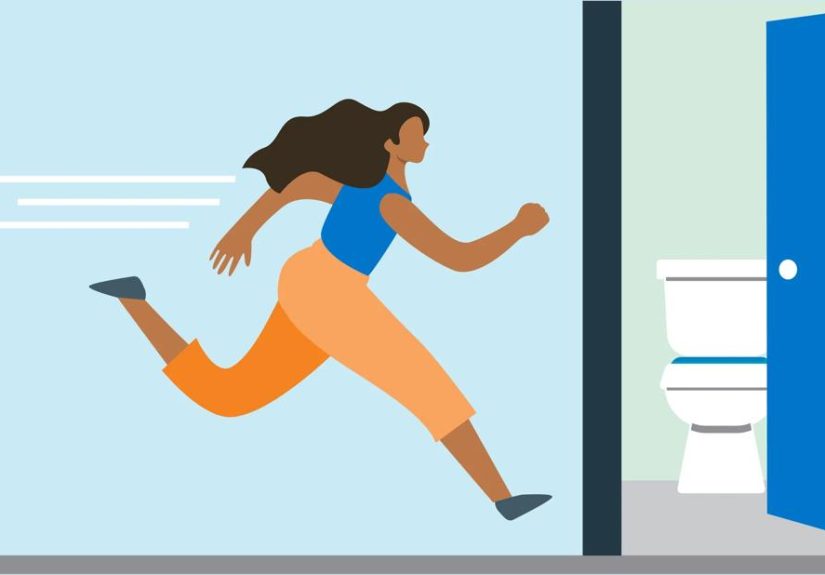
Picture this: you are totally fine in the car, mostly fine in the elevator, and still holding it together on the walkway. Then you put your key in the door and suddenly your bladder acts like it just got an emergency text message. That frustrating, almost comically bad-timed urge is often called latchkey incontinence.
Despite the catchy name, latchkey incontinence is not usually considered a separate medical diagnosis. Instead, it is a common nickname for a very specific pattern of urge incontinence or urgency urinary incontinence. The trigger is often arriving home, opening the front door, hearing running water, or getting close to a familiar bathroom. In other words, your bladder is not being dramatic for no reason. There is usually a real brain-bladder pattern behind it.
This article breaks down what latchkey incontinence is, why it happens, how it differs from other bladder problems, and what can actually help. Spoiler alert: this is not something you just have to “live with,” and no, your bladder does not get to be the boss forever.
What Is Latchkey Incontinence?
Latchkey incontinence refers to a sudden, intense urge to urinate, sometimes with leakage, that happens when you get home or perform a familiar “arrival” cue such as unlocking your front door. It falls under the umbrella of urge incontinence, which means you feel a strong need to go and may leak before reaching the toilet.
Many experts connect this pattern to overactive bladder (OAB), a condition marked by urgency, frequency, nighttime urination, and sometimes leakage. So while the word “latchkey” sounds oddly specific, it often points to a broader bladder-control issue rather than a random one-off quirk.
Why the front door matters so much
Your brain and bladder constantly communicate. Normally, the brain helps you delay urination until the timing makes sense. But over time, certain situations can become powerful triggers. If you have repeatedly rushed home and used the bathroom immediately, your brain may start linking “I’m home” with “It is time to pee right now.” Eventually, the cue alone can spark urgency, even if your bladder is not truly full.
Researchers often compare this to a learned or conditioned response. In plain English, your body has practiced the same routine so many times that it starts jumping the gun. The key turns, the brain notices the cue, and the bladder says, “Showtime.”
Is It the Same as Overactive Bladder?
Not exactly, but they are close cousins. Latchkey incontinence is best understood as a symptom pattern, while overactive bladder is the broader condition that often drives it.
Someone with overactive bladder may experience:
- a sudden urge to urinate
- frequent urination during the day
- waking at night to urinate
- leaking before making it to the bathroom
If your symptoms only seem obvious when you get home, latchkey urgency may be the symptom you notice first. But many people also have milder urgency, frequency, or nighttime urination at other times and have simply normalized it.
What Causes Latchkey Incontinence?
There is rarely one single cause. More often, latchkey incontinence grows out of a mix of bladder sensitivity, behavioral habits, pelvic floor function, and brain-bladder signaling.
1. Overactive bladder
Overactive bladder is one of the most common reasons people develop urge-related leakage. The bladder muscle may contract too soon or send “go now” messages before the bladder is actually full.
2. Learned environmental triggers
This is the big one for latchkey symptoms. Familiar cues such as approaching the house, opening the garage, hearing the faucet, or seeing the bathroom can become associated with urgency. Over time, those cues may provoke the urge even before you consciously think about it.
3. Pelvic floor weakness or poor coordination
The pelvic floor muscles help support the bladder and urethra and assist with bladder control. If they are weak, tense, or poorly coordinated, urgency may feel harder to suppress. This can happen after childbirth, during menopause, with aging, or simply from not using the muscles effectively.
4. Bladder irritants and lifestyle factors
Caffeine, alcohol, carbonated drinks, acidic foods, spicy foods, artificial sweeteners, constipation, smoking, and inconsistent fluid habits can all make urgency worse. Too much fluid can overfill the bladder. Too little can concentrate the urine and irritate it. Basically, the bladder enjoys balance and throws tiny tantrums when it does not get it.
5. Medical conditions
Urinary tract infections, diabetes, neurologic disorders, constipation, bladder stones, and problems with bladder emptying can all contribute to urgency or leakage. In some cases, medications such as diuretics can also worsen symptoms.
Who Is More Likely to Experience It?
Latchkey incontinence can affect adults of any gender, but several groups are more likely to notice it:
- older adults
- women during or after menopause
- people after pregnancy or childbirth
- people with overactive bladder symptoms
- people with constipation, diabetes, or neurologic conditions
- people who regularly delay urination until they get home
That said, it is important not to shrug it off as a normal part of getting older. Common does not mean harmless, and common definitely does not mean untreatable.
Symptoms to Watch For
The classic symptom is obvious: you get close to home and feel a sudden, overwhelming urge to urinate. But latchkey incontinence may also come with other signs, including:
- leaking a few drops or more before reaching the toilet
- urinating more than usual during the day
- waking at night to urinate
- planning your day around bathrooms
- avoiding long drives, errands, or social events
- anxiety about getting home in time
If that list feels uncomfortably familiar, your bladder may be trying to tell you something other than “surprise.”
How Doctors Diagnose It
There is no single “latchkey test,” but a clinician can usually identify the pattern from your symptoms. Diagnosis often starts with a medical history and a bladder diary. You may be asked:
- when leakage happens
- what you were doing right before it happened
- how often you urinate
- what you drink and when
- whether you also have pain, burning, blood in urine, or trouble emptying
A urine test is commonly used to rule out infection or other problems. In some cases, clinicians may check post-void residual urine, perform a pelvic exam, or recommend additional testing if symptoms are complicated, severe, or not responding to initial treatment.
Treatment: What Actually Helps?
The good news is that treatment often starts with practical, low-risk strategies. For many people, the best approach combines bladder retraining, pelvic floor work, trigger management, and medical treatment when needed.
Bladder training
Bladder training teaches you to urinate on a schedule instead of racing to the bathroom at every urge. Over time, this helps lengthen the interval between bathroom trips and reduces the bladder’s tendency to overreact.
For latchkey symptoms, this can be especially helpful because it interrupts the “door equals pee now” pattern. Some people learn to pause at the door, breathe, stay still for a moment, and use urge-suppression techniques instead of immediately sprinting to the bathroom like it is the final scene of an action movie.
Pelvic floor muscle training
Kegel exercises and pelvic floor physical therapy can improve bladder control, but technique matters. Done correctly, pelvic floor contractions can help suppress urgency and reduce leaks. Done incorrectly, they can be about as effective as trying to fix your Wi-Fi by glaring at the router.
If possible, work with a clinician or pelvic floor therapist who can teach proper form and tailor exercises to your symptoms.
Urge-suppression strategies
When the urge strikes, many clinicians recommend a brief pause rather than rushing. Helpful techniques may include:
- standing still instead of hurrying
- taking slow, deep breaths
- doing several quick pelvic floor squeezes
- distracting the mind for a few moments
- walking calmly to the bathroom once the urgency eases
Cutting down triggers
Reducing caffeine, alcohol, carbonated beverages, spicy foods, artificial sweeteners, and acidic foods may calm bladder irritability. Managing constipation, staying active, maintaining a healthy weight, and not smoking can also help.
Medication and advanced therapies
If lifestyle changes and retraining are not enough, a clinician may recommend medication to relax the bladder or reduce urgency. For persistent symptoms, options can include Botox injections into the bladder, percutaneous tibial nerve stimulation, or sacral neuromodulation. These are not first-date conversation starters, but they can be very effective for the right person.
When to See a Doctor
Make an appointment if bladder symptoms are interfering with daily life or causing embarrassment, disrupted sleep, or avoidance of normal activities. Seek medical care sooner if you have:
- pain or burning with urination
- blood in the urine
- sudden major changes in bladder habits
- recurrent urinary tract infections
- difficulty emptying the bladder
- new neurologic symptoms
You do not need to wait until symptoms become dramatic. Many people delay getting help because they think bladder issues are “just aging” or “not serious enough.” Meanwhile, the problem keeps running the show.
What Latchkey Incontinence Feels Like in Real Life
One reason latchkey incontinence is so frustrating is that it can make people feel irrational, even though the pattern is actually very understandable. A person may spend an hour driving home with no real problem, then feel a tidal wave of urgency the second the front door appears. That can be confusing and embarrassing. It may also create a strange kind of self-doubt. People often think, “Was I fine five seconds ago, or have I just lost control of my own bladder negotiations?”
Daily experience with latchkey symptoms can slowly reshape behavior. Some people start planning fluid intake around errands. Others make sure they use a public restroom before leaving work, the grocery store, or the gym, even if they barely feel the need. Many develop a hyper-awareness of every bathroom on their route home. Some carry a change of underwear in a bag or keep absorbent products in the car, not because they want to, but because they are tired of gambling with timing.
The emotional side is easy to underestimate. Even small leaks can create outsized stress. A person may dread long commutes, social visits, rideshares, or the walk from the parking lot to the apartment door. They may avoid laughing about it because it does not feel funny when it happens to them, even if the term “key-in-the-door syndrome” sounds like something invented by a sitcom writer. Over time, repeated urgency can chip away at confidence, sleep, intimacy, and willingness to be spontaneous.
There is also a very physical experience to it. For some, the urge feels like pressure low in the pelvis. For others, it feels like a sudden internal alarm with almost no warning. Some leak just a few drops. Others lose much more before reaching the toilet. People often describe the final seconds before getting inside as the hardest part. The brain recognizes the cue, the body braces, and suddenly the calm walk home becomes a high-stakes speed challenge.
Still, real-life experience is not only about frustration. Many people improve once they understand what is happening. Keeping a bladder diary can reveal patterns that were invisible before. Pelvic floor therapy often gives people a sense of control they had not felt in years. Bladder training can reduce that “home equals emergency” reflex. Even simple changes, such as cutting back on afternoon coffee or pausing at the door before rushing to the bathroom, may help. The biggest emotional shift often comes when people realize the symptom is common, explainable, and treatable. That moment alone can feel like getting a little piece of normal life back.
Final Takeaway
Latchkey incontinence may sound quirky, but the impact is real. It is usually a form of urge incontinence linked to overactive bladder, pelvic floor function, and conditioned environmental triggers. The good news is that this pattern is not random, and it is not something you have to quietly accept. With the right mix of bladder training, pelvic floor support, trigger management, and medical care when needed, many people can reduce symptoms and regain confidence.
If your bladder seems to believe that your front door is a starting pistol, it may be time to retrain the system rather than blame yourself. Your key should open your home, not unlock a crisis.