Table of Contents >> Show >> Hide
- What “Traditional” Style Really Means (And What It Doesn’t)
- The Traditional “Recipe”: 8 Ingredients That Always Work
- Start With Structure: Architectural Details That Say “Traditional” Instantly
- Color in Traditional Design: Calm Base, Confident Accents
- Furniture & Layout: The Traditional Secret Is Symmetry (But Not Boredom)
- Textiles & Patterns: The Layered Look That Makes Traditional Feel Lived-In
- Lighting & Hardware: The Jewelry of a Traditional Room
- Decor & Styling: Make It Feel Collected, Not Cataloged
- Room-by-Room Traditional Decorating Ideas
- How to Keep Traditional From Looking Dated
- Budget-Friendly Traditional Design Ideas (That Don’t Feel Cheap)
- Your “Do This This Weekend” Traditional Checklist
- of Real-World “Experience” With Traditional Decorating
- Conclusion
“Traditional” gets a bad rap. Say the word out loud and someone, somewhere, will picture a room that smells like mothballs and politely asks you not to sit on the sofa. The truth? Traditional decorating is basically the interior design equivalent of a perfectly tailored blazer: reliable, flattering, and shockingly versatile when you stop pairing it with the same old stuff.
In this guide, you’ll get practical, room-ready traditional decorating and design ideasrooted in timeless principles like symmetry, architectural detail, rich materials, and layered comfortplus modern updates so your home feels classic, not stuck in a time capsule.
What “Traditional” Style Really Means (And What It Doesn’t)
Traditional interior design pulls inspiration from established European and early American aestheticsthink 18th and 19th century influencesthen adapts them for everyday life. It’s not one strict period (you’re not required to memorize the difference between Georgian and Federal at brunch). Instead, it’s a “best hits” approach: refined silhouettes, familiar patterns, quality materials, and rooms that feel composed and welcoming.
Traditional style is often described as timeless, comfortable, and put-together without being overly showy. In other words: you can host Thanksgiving and still find the remote.
The vibe in one sentence
Traditional decorating is the art of making a home feel grounded and graciousthrough symmetry, craftsmanship, and layerswithout turning it into a museum.
The Traditional “Recipe”: 8 Ingredients That Always Work
If you’re building a traditional look from scratch (or rescuing your space from “random stuff I liked in 2017”), focus on these core elements:
- Symmetry and order (pairs and balanced layouts)
- Architectural detail (crown molding, wainscoting, millwork, built-ins)
- Classic silhouettes (rolled arms, tapered or turned legs, skirted pieces)
- Warm wood tones (especially in furniture and flooring)
- Layered textiles (cotton, velvet, wool; rugs + drapery + upholstery)
- Time-tested patterns (plaid, damask, florals, stripes)
- Classic lighting (chandeliers, sconces, lampsnot just “The Big Light”)
- Collected character (antiques, heirlooms, books, art, meaningful objects)
You don’t need all eight in every room. But if you include three to five on purpose, the space will start to read as traditionalfast.
Start With Structure: Architectural Details That Say “Traditional” Instantly
Traditional rooms often feel more “finished” because the architecture does more work. The good news: you can add the look even in newer homes (no historic district paperwork required).
1) Crown molding (a.k.a. the room’s top eyeliner)
Crown molding creates a polished transition between wall and ceiling. It can add perceived height, soften hard edges, and make a room feel intentional. If you’re worried it’ll feel heavy, choose a simpler profile and paint it the same color as the walls for a seamless effect.
2) Wainscoting and wall paneling
Wainscoting adds texture, depth, and that “this house has stories” energy. It works in dining rooms, hallways, bathrooms, and even bedrooms. You can go classic (raised panel), casual (board-and-batten), or clean and tailored (flat panel). Keep proportions in mind: paneling that sits too low can look like an awkward belt; paneling that’s well-scaled looks custom.
3) Built-ins and bookcases
Built-ins are traditional design’s quiet flex. They frame fireplaces, anchor living rooms, and provide a natural place for curated decorbooks, framed photos, ceramics, and those “I bought this on a trip and it sparks joy” objects.
4) Fireplaces as focal points
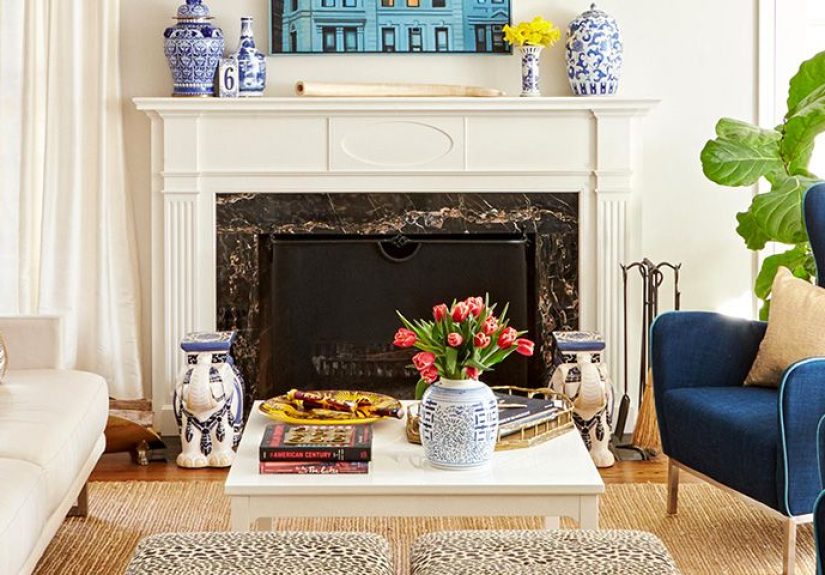
Traditional rooms love a centered focal pointoften a fireplace. If your fireplace is off-center or doesn’t exist, create a focal point with a large piece of art, a substantial mirror, or a console vignette that feels anchored.
Color in Traditional Design: Calm Base, Confident Accents
Traditional color palettes typically start with neutralswarm whites, creams, soft taupes, gentle graysthen add depth through richer hues. Think of neutrals as the stage and color as the performance.
Traditional color moves that never fail
- Warm neutrals on walls, especially in rooms with lots of wood.
- Jewel-toned accents (deep navy, emerald, burgundy) in pillows, art, or an upholstered chair.
- Monochrome layering: multiple tones of the same color for an elegant, quiet look.
A quick undertone tip (so your “warm white” doesn’t turn green at night)
Pick a directionwarm or cooland commit. Traditional spaces usually lean warm because warm light and warm woods make rooms feel inviting. Test paint in different lighting before you commit, especially if you have mixed flooring or lots of natural light.
Furniture & Layout: The Traditional Secret Is Symmetry (But Not Boredom)
Traditional furniture feels familiar: classic shapes, comfortable proportions, and pieces that look like they belong in a home that hosts people. But the real magic is in the layouttraditional rooms often feel “right” because they’re balanced.
How to use symmetry without making your room look like a hotel lobby
- Start with a centerline: fireplace, TV wall, big window, or a statement console.
- Create pairs: matching lamps, chairs, or side tables to signal order.
- Vary the small stuff: art, pillows, throws, and accessories keep it human.
Example: a traditional living room layout that feels cozy
Try a U-shaped conversation arrangement around a focal point (often a fireplace): a sofa facing the focal point, two chairs opposite or angled in, and side tables within easy reach. The goal is comfort and conversation, not a runway.
Choose “forever” silhouettes for big pieces
If you’re investing in a sofa, dining table, or bed frame, pick a classic shape. You can refresh the room later with paint, textiles, art, and lighting without replacing the core furniture.
Textiles & Patterns: The Layered Look That Makes Traditional Feel Lived-In
Traditional spaces are rarely flat. They feel rich because they’re layeredrugs on floors, drapery at windows, upholstery on seating, and smaller textiles (pillows, throws, table linens) that add warmth and story.
Classic patterns that read “traditional” instantly
- Stripes (tailored and timeless)
- Plaids (especially in studies, dens, and cozy living rooms)
- Florals (from small-scale to bold botanical)
- Damask (formal, elegant, great for dining rooms)
New-school tip: use patterns like neutrals
You don’t have to choose between “beige forever” and “circus tent chic.” Subtle, restrained patterns can behave like neutralsadding depth without shouting. A tone-on-tone stripe, a soft floral, or a small geometric can quietly elevate a room.
Rugs: go classic, go large
Persian-style or vintage-inspired rugs are traditional staples because they bring color and pattern in a grounded way. Size matters: in living rooms, aim for at least the front legs of major furniture to sit on the rug. A too-small rug is the design version of pants that stop at the calf.
Window treatments: layered, but not fussy
Traditional design loves drapery and layered window treatmentsbut modern traditional typically skips heavy valances. Try a tailored rod-and-drape setup with a simple pleat, and add a shade underneath if you need privacy and light control.
Lighting & Hardware: The Jewelry of a Traditional Room
Traditional lighting tends to look classic and purposeful: chandeliers, pendants, sconces, and table lamps that create pools of warm light. It’s less “stadium brightness,” more “soft glow that makes everyone look well-rested.”
A simple traditional lighting plan
- Overhead: chandelier or pendant that matches the room’s scale.
- Task: lamps near seating or reading areas.
- Accent: sconces, picture lights, or subtle uplighting for depth.
Hardware finishes that feel traditional
Warm metalsbrass, bronze, and aged finishesoften read more traditional than cool chrome. You can mix finishes, but keep the mix intentional (for example, brass lighting + darker hardware).
Decor & Styling: Make It Feel Collected, Not Cataloged
Traditional decorating shines when it looks like it evolved. That’s why antiques, heirlooms, and collected objects are so powerful: they add history, texture, and personality.
How to decorate with antiques without living in a period drama
- Mix eras: pair a vintage dresser with contemporary art, or a classic sofa with modern side tables.
- Respect scale: a delicate antique can disappear next to an oversized sectional; balance matters.
- Buy pieces you love: character beats perfection every time.
Collections done right (yes, your “stuff” can be decor)
Traditional homes often display collectionschina, books, framed family photos, vintage vessels. The key is editing and grouping. Display items in clusters of odd numbers, vary heights, and leave breathing room so it feels curated, not cluttered.
Room-by-Room Traditional Decorating Ideas
Traditional living room
- Anchor with a classic sofa silhouette and a substantial rug.
- Use pairs (lamps, chairs) to create symmetry, then loosen it with textiles and art.
- Add millwork or a statement mantel treatment if you can.
Traditional dining room
- Choose a solid wood table with classic lines; let it be the forever piece.
- Hang a chandelier centered over the table (scale matters more than sparkle).
- Try wainscoting or paneling for instant polish.
- Layer linens: a tablecloth or runner + placemats + simple napkins can look quietly luxurious.
Traditional bedroom
- Upholstered headboards, tailored bedding, and a patterned rug create softness.
- Use matching bedside lamps to signal calm and order.
- Consider subtle wallpaper or a painted accent wall in a warm, muted tone.
Traditional kitchen
- Classic cabinet profiles and warm hardware finishes go a long way.
- Open shelves or glass-front cabinets can showcase ceramics or a small collection.
- Incorporate wood (cutting boards, stools) to warm up stone and tile.
Traditional entryway
- A console table + mirror is the traditional entryway handshake.
- Add a lamp for warm light (overhead alone can feel harsh).
- Use a patterned runner rug to bring character and hide traffic wear.
Traditional bathroom
- Try wainscoting or beadboard for texture.
- Swap in classic sconces and a framed mirror.
- Use plush towels and a small vintage-style rug for warmth.
How to Keep Traditional From Looking Dated
Traditional style becomes “dated” when it’s overly matchy, overly formal, or overly themed. Here’s how to keep the charm and lose the time capsule:
Do this
- Mix old and new: antiques + contemporary art is a power couple.
- Edit the fuss: layered window treatments are great; heavy valances usually aren’t.
- Use trend items sparingly: keep the foundation classic, then update with accents.
- Choose simpler silhouettes when your room already has a lot of millwork.
Avoid this
- Everything matching (same wood tone, same fabric, same vibe, same yawn).
- Too many tiny accessories (clutter is not a collection).
- Under-scaled rugs and undersized art (traditional loves generosity in scale).
Budget-Friendly Traditional Design Ideas (That Don’t Feel Cheap)
Traditional style is often associated with “investment pieces,” but the look is more about proportions and layering than price tags. Here are smart ways to get the traditional feel on a budget:
High-impact, lower-cost upgrades
- Paint: choose a warm neutral and let the room breathe.
- Swap hardware: warm finishes can instantly elevate cabinets and furniture.
- Add trim: simple molding or paneling details bring “custom” energy fast.
- Thrift and vintage shop: look for well-made wood pieces with good bones.
- Go classic on textiles: a plaid pillow or stripe curtain can steer a room traditional quickly.
The “one splurge” rule
If you can splurge once, choose a piece that anchors the room: a sofa, a dining table, or a large rug. Then build outward with smaller updates.
Your “Do This This Weekend” Traditional Checklist
- Pick a warm neutral paint sample and test it on two walls.
- Measure your living room rug size (and promise yourself you’ll go bigger).
- Create one symmetrical moment: two lamps, two chairs, or two frames.
- Replace one “random” accessory with something meaningful (a framed photo, a vintage vessel, a book stack).
- Add one layer: drapery panels, a throw, or patterned pillows in a restrained palette.
of Real-World “Experience” With Traditional Decorating
Traditional design looks effortless in photos because you’re seeing the final draft, not the rough notes. In real homes, the experience is usually more like: “Why does this room feel almost rightbut not quite?” That “almost” is where traditional decorating lives.
One common moment happens with symmetry. People try it, then panic because the room feels too formal. But the fix is rarely “abandon symmetry.” It’s “soften the symmetry.” Keep the matching lamps, surebut add a quirky bowl on one side, or hang art that isn’t perfectly mirrored. Traditional rooms want balance, not a rigid rulebook. The experience is a little like making a bed: it’s neat, but you still want to sleep in it.
Another classic experience: discovering the power of millwork. A room can have perfectly good furniture and still feel unfinished until you add crown molding, wainscoting, or a simple trim detail. Then suddenly the space looks “designed.” It’s not magicit’s structure. The funniest part is how quickly your eyes adjust. After adding molding, you’ll look at every other room and think, “So… are we all just living in drywall boxes on purpose?”
Rugs also deliver a very traditional life lesson: the rug is never “just a rug.” In many homes, the moment a properly sized, classic-pattern rug goes down, the room stops feeling like a collection of furniture and starts feeling like a place. It pulls colors together, calms visual noise, and makes even simple upholstery look richer. The experience is dramaticlike putting a frame on a painting. Without it, everything’s fine. With it, everything suddenly makes sense.
And yes, there’s the “pattern panic” phase. Traditional style uses patterns, and the first time you add them, it can feel like the room is getting louder. But if you keep your palette restrained, patterns behave like texture. A stripe, a floral, and a small plaid can coexist peacefully when they share colors and vary in scale. The experience is less “clashing prints” and more “layered wardrobe”: a pinstripe blazer, a subtle check shirt, and a tie that ties it together.
Finally, the most human experience of traditional decorating is learning to let your home tell your story. A vintage chair with a little wear, a stack of books you actually read, a set of china that belonged to someone you lovedthese details make traditional style feel warm instead of staged. The goal isn’t perfection. It’s a home that feels grounded, generous, and quietly confident. Traditional design isn’t trying to impress your guests. It’s trying to make them stay a while.