Table of Contents >> Show >> Hide
- Quick Answer: Which Has More Protein?
- Why Tempeh Usually Has More Protein Than Tofu
- Protein Quality: Is Tofu or Tempeh a Complete Protein?
- Beyond Protein: Tofu vs. Tempeh Nutrition Comparison
- Tofu vs. Tempeh for Different Goals
- How to Read the Label Like a Protein Detective
- Best Ways to Use Tofu and Tempeh (Without Boring Yourself)
- So… Which One Should You Choose?
- Practical Experiences: What People Commonly Notice When Choosing Tofu vs. Tempeh (Extended Section)
- Conclusion
Generated with GPT-5.2 Thinking
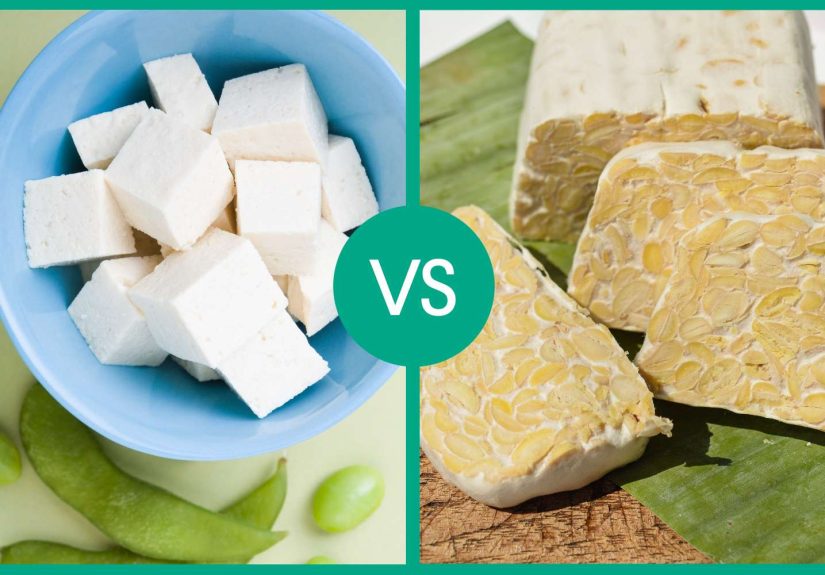
If tofu and tempeh were in a gym rivalry, tempeh would probably post more mirror selfies and tofu would quietly meal-prep for the whole week. Both are soy-based, both are excellent plant proteins, and both deserve a spot on your plate. But if your main question is “Which one has more protein?”, the short answer is: tempeh usually wins gram-for-gram.
That said, the real answer is more interesting than a simple scoreboard. Protein content varies by tofu type (silken, firm, extra-firm), brand, serving size, and how much water is in the product. Tempeh is generally denser because it’s made from fermented whole soybeans, while tofu is made from coagulated soy milk. Translation: one is the chewy overachiever, and the other is the flexible, neutral-flavored team player.
In this guide, we’ll compare tofu vs. tempeh protein, explain how they stack up in calories, fiber, calcium, and versatility, and help you choose the best one for your goalswhether you’re building muscle, eating on a budget, improving satiety, or just trying not to burn dinner.
Quick Answer: Which Has More Protein?
Tempeh typically has more protein than tofu when compared by equal weight. A common benchmark often cited is per 100 grams: tempeh lands around ~18–20 grams of protein, while tofu is commonly around ~8–10 grams (though some firm/extra-firm tofu can be higher).
So if you’re comparing equal portions by weight, tempeh usually comes out on top. If you’re comparing random package serving sizes, things can look confusing fast. (Food labels love chaos almost as much as group texts.)
| Category | Tofu | Tempeh | Winner |
|---|---|---|---|
| Protein (equal weight, typical) | Moderate | Higher | Tempeh |
| Fiber | Usually low | Higher (whole soybeans) | Tempeh |
| Texture | Soft to firm, smooth | Dense, chewy, nutty | Depends on recipe |
| Flavor | Mild, absorbs sauces easily | Earthy, nuttier, stronger flavor | Depends on taste |
| Calcium (if calcium-set) | Can be very high | Variable, usually lower than calcium-set tofu | Tofu (sometimes) |
| Beginner-friendly cooking | Very versatile | Great, but stronger personality | Tofu |
Why Tempeh Usually Has More Protein Than Tofu
1) Water content changes everything
Tofu contains more water than tempeh, especially soft and silken varieties. More water = less room for protein per bite. That’s why extra-firm tofu usually has more protein than silken tofu, and why nutrition labels can vary a lot.
2) Tempeh is made from whole soybeans
Tempeh is made from fermented whole soybeans pressed into a firm cake. Because the beans stay more intact, tempeh is naturally denser and more filling. It also tends to keep more fiber than tofu.
3) Serving-size comparisons can be misleading
One source may compare tofu in cups, another in ounces, and another per 100 grams. That’s why two articles can both be correct and still look like they disagree. For a fair comparison, use equal weight (such as 100 grams) or compare the exact package label in your hand.
Protein Quality: Is Tofu or Tempeh a Complete Protein?
Here’s the good news: both tofu and tempeh are complete proteins, meaning they provide all nine essential amino acids. That makes them stand out in the plant-based world, especially for people trying to reduce meat without playing “amino acid Sudoku” at every meal.
This is one reason tofu and tempeh are popular among vegetarians, vegans, and omnivores doing a “Meatless Monday” that somehow becomes “Meatless-ish Wednesday too.” If your goal is to hit protein targets, either one can helptempeh just gets you there faster per gram in many cases.
Beyond Protein: Tofu vs. Tempeh Nutrition Comparison
Fiber
Tempeh usually wins on fiber. Because it’s made from whole soybeans, it tends to contain significantly more fiber than tofu. This can help with fullness, digestion, and building meals that actually keep you satisfied for more than 37 minutes.
Calories and fullness
Tempeh is often more calorie-dense than tofu because it’s denser and higher in protein and fiber. That can be a plus if you want a hearty meal, but if you’re aiming for a lower-calorie, high-volume plate, tofu may feel easier to fit into your routine.
Calcium
Tofu can be a calcium superstarif it’s made with calcium salts (such as calcium sulfate). Some tofu products provide a substantial amount of calcium, while others do not. This is a label-checking situation, not a guessing situation.
If bone health is one of your priorities, tofu may deserve extra attention. But always check the nutrition label and ingredient list because calcium content varies widely depending on how the tofu is processed.
Iron and minerals
Both tofu and tempeh can contribute important minerals like iron and magnesium. Tempeh often brings a strong mineral profile plus fiber, while tofu can be an easy, versatile base that pairs well with vitamin C-rich foods (like bell peppers or citrus) to support iron absorption from the meal overall.
Fermentation and digestion
Tempeh is fermented, which changes its flavor and texture and may make it easier for some people to digest. That doesn’t mean tofu is “bad for digestion” plenty of people tolerate tofu beautifully. It just means these foods are not nutritional clones in different outfits.
Also, many people cook tempeh thoroughly (which is a good idea for food safety and taste), so don’t choose tempeh only because you expect it to act like a probiotic supplement. Choose it because you enjoy it and it fits your goals.
Tofu vs. Tempeh for Different Goals
If your goal is more protein per serving
Choose tempeh most of the time. It generally delivers more protein per equal weight and more staying power thanks to fiber. It’s especially useful in bowls, sandwiches, stir-fries, tacos, and meal-prep lunches where you want a “main character” protein.
If your goal is versatility and easier flavor absorption
Choose tofu. Tofu is the culinary equivalent of a blank canvas. It can become crispy, creamy, smoky, spicy, sweet, or dessert-adjacent. You can scramble it, bake it, grill it, blend it, air-fry it, or toss it in soup.
If your goal is more fiber and satiety
Tempeh tends to be the better bet because it usually has more fiber. If your lunch is disappearing from your stomach by 2 p.m., tempeh might help.
If your goal is calcium
Calcium-set tofu can be a fantastic option. Check the label. This is one of the easiest ways to avoid the “I thought tofu was high in calcium?” confusion.
If your goal is beginner-friendly plant-based cooking
Start with firm or extra-firm tofu, then graduate to tempeh once you’re comfortable with marinades and browning techniques. Tempeh has a stronger flavor, which some people love immediately and others warm up to after a couple tries.
How to Read the Label Like a Protein Detective
If you want the best answer for your grocery cart, ignore generic internet averages for a second and look at the package:
- Compare equal serving sizes (grams, not just “pieces” or “cups”).
- Check protein per serving and the number of servings per package.
- Look for sodium, especially in pre-marinated tempeh or flavored tofu.
- Check calcium if that matters to you (especially for tofu).
- Look at ingredient list for added oils, sugars, or seasonings.
Some pre-seasoned products are deliciousbut also surprisingly salty. Great for flavor, not always great for your blood pressure if every meal becomes “soy sauce plus vibes.”
Best Ways to Use Tofu and Tempeh (Without Boring Yourself)
Tofu ideas
- Extra-firm tofu stir-fry: Press, cube, brown, then add sauce at the end.
- Tofu scramble: Crumble with turmeric, garlic, onions, and veggies.
- Crispy baked tofu: Cornstarch + oven or air fryer = weeknight win.
- Silken tofu smoothie: Adds creaminess and protein without dairy.
- Tofu in soup: Great in miso-style broths and noodle bowls.
Tempeh ideas
- Tempeh tacos: Crumble and season like taco meat.
- Tempeh sandwiches: Slice, pan-sear, and add a smoky marinade.
- Grain bowls: Pair with rice, quinoa, roasted vegetables, and tahini sauce.
- Tempeh “bacon”: Thin slices + sweet-savory marinade + crispy edges.
- Stir-fry strips: Great texture, especially when browned well.
Pro tip: Many people like to steam or simmer tempeh briefly before marinating to mellow bitterness and help it absorb flavor better. It’s a tiny extra step that can dramatically improve first impressions.
So… Which One Should You Choose?
If your only metric is protein per equal weight, tempeh usually has more protein than tofu. Case closed. Cue the confetti made of soybeans.
But in real life, food choices are rarely just about one number. Tofu may be the better choice if you want a milder flavor, lower calorie density, or a calcium-rich option (when calcium-set). Tempeh may be the better choice if you want more protein and fiber in a compact serving and a firmer, meatier texture.
The smartest approach for most people? Use both. Rotate them based on your meal, your budget, and your mood. A tofu curry and a tempeh taco bowl can peacefully coexist in the same week. We support this diplomatic solution.
Practical Experiences: What People Commonly Notice When Choosing Tofu vs. Tempeh (Extended Section)
In real kitchensnot lab comparisonspeople often discover that the “best” option depends on the meal experience as much as the nutrition facts. For example, someone new to plant-based eating may buy tofu first because it’s cheaper, easier to find, and less intimidating. They might start with a stir-fry, under-season it, and conclude tofu is “bland.” Then a week later they press it properly, crisp it in a skillet, add a spicy garlic sauce, and suddenly tofu becomes a weekly staple. Same food, different technique, completely different outcome.
Tempeh often creates the opposite story. Many people try tempeh expecting tofu 2.0 and are surprised by the stronger flavor and firm, grainy texture. Some love it immediately because it feels hearty and substantial, especially in sandwiches or bowls. Others need a second tryusually after learning to steam or simmer it briefly before marinating. Once they do, they realize tempeh holds up beautifully in meal prep and doesn’t get lost under bold sauces.
Gym-goers and high-protein eaters frequently report that tempeh helps them hit protein goals faster without needing huge portions. A smaller serving can feel satisfying, especially when paired with rice and vegetables. On the other hand, people who are trying to eat lighter or increase meal volume sometimes prefer tofu because they can eat a larger-looking plate for fewer calories. In other words, tempeh often wins the “density” game, while tofu wins the “volume and flexibility” game.
Families also have interesting patterns. Kids (and picky adults who are spiritually still kids) often accept crispy tofu nuggets more easily than tempeh at first, especially when paired with familiar dipping sauces. Tempeh tends to do better when treated like a savory centerpiecethink barbecue glaze, taco seasoning, or thin slices in a sandwich where texture is an advantage instead of a surprise.
Budget-conscious cooks usually rotate both. Tofu can be one of the most economical proteins in the store, while tempeh may cost more but deliver more protein per serving. Many experienced meal-preppers use tofu for recipes where sauce matters most (curries, stir-fries, soups) and tempeh for recipes where chew and satiety matter most (grain bowls, wraps, sandwiches, taco fillings). This combination makes plant-based eating feel less repetitive and more practical.
Another common experience: label confusion. People assume all tofu has the same protein, then discover silken tofu and extra-firm tofu can be very different. They assume all tempeh is “healthy,” then notice some flavored versions are much higher in sodium. The learning curve is normal. After a few shopping trips, most people get faster at reading labels and choosing based on their goalsprotein, fiber, calcium, calories, or convenience.
The biggest takeaway from real-world use is simple: consistency beats perfection. The best protein source is the one you’ll actually cook and enjoy regularly. If tofu helps you eat more plants because it blends into your favorite recipes, that’s a win. If tempeh keeps you fuller and makes lunch more satisfying, that’s also a win. You don’t need to pick a permanent champion. You just need a good dinner.
Conclusion
Tempeh generally has more protein than tofu per equal weight, but tofu remains an outstanding plant-based protein with unique advantages in versatility, flavor absorption, and (sometimes) calcium content. Both are complete soy proteins and can support heart-smart, plant-forward eating patterns when prepared thoughtfully.
If you want the simplest strategy: keep both in your rotation, compare labels, and choose based on the dish. Tempeh for chew and protein density, tofu for flexibility and range. Your future self with a full fridge and a faster weeknight dinner routine will be very pleased.