Table of Contents >> Show >> Hide
- Start With a Strategy (Not Just a Stack of Flyers)
- Prep the Home Like You’re Hosting a First Date
- Deep clean like you mean it
- Declutter and depersonalize (yes, even the adorable photos)
- Handle quick repairs that scream “this has been cared for”
- Remove valuables, sensitive paperwork, and meds
- Pets: beloved family members, terrible co-hosts
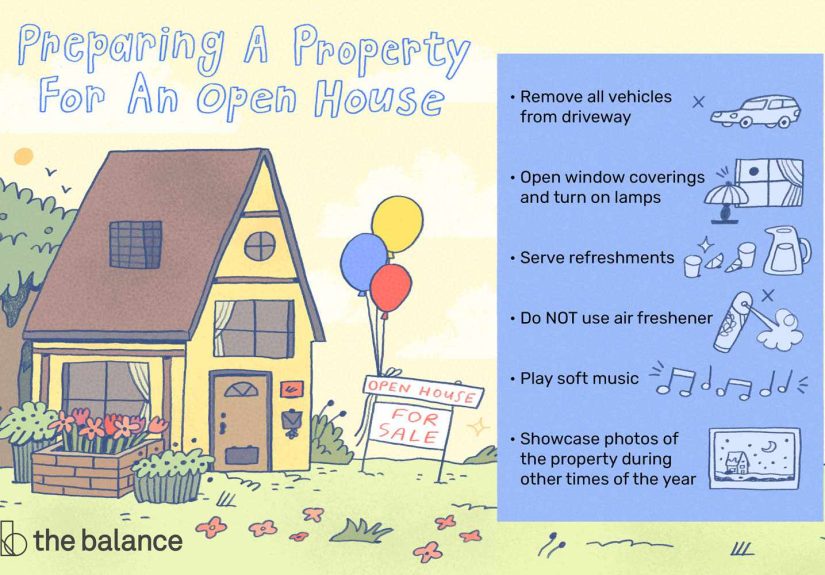
- Make the home smell neutral and clean
- Use lighting and temperature to your advantage
- A quick open house checklist (the “don’t forget this” edition)
- Stage for Flow, Not for Your Furniture’s Feelings
- Make Curb Appeal Do the Heavy Lifting
- Market the Open House Where Buyers Actually Look
- Signage and Directions: Don’t Make Buyers Solve a Puzzle
- Open House Day: Your Game-Day Routine
- Sellers: consider leaving during the event
- Create a simple “flow” through the home
- Set up an information station
- Offer light refreshments (keep it simple)
- Use a sign-in system (without making it weird)
- Keep safety and privacy front and center
- Answer questions like a pro (not like it’s a debate club)
- Follow-Up: Where “Successful” Becomes “Sold”
- Mistakes That Quietly Kill the Vibe
- Conclusion
- Real-World Experiences: Lessons From the Open House Trenches
- SEO Tags
An open house is basically your home’s “live audition.” Photos and listings get people curious, but an open house is
where buyers decide if your place feels like their place. The goal isn’t to impress every single person who walks
through the door (including the “just browsing” neighbors who treat it like a free museum). The goal is to attract
serious buyers, help them imagine living there, and make it ridiculously easy for them to take the next step.
Whether you’re a seller teaming up with an agent or an agent running the show, the best open houses have the same
ingredients: a clear plan, smart prep, great flow, tight safety, and a follow-up that doesn’t disappear into the void.
Here’s how to make your open house the one people remember for the right reasons.
Start With a Strategy (Not Just a Stack of Flyers)
Define what “successful” looks like
Before you scrub baseboards at 11 p.m., decide what you’re trying to accomplish. Success might mean:
attracting a certain number of qualified buyers, generating strong feedback on price and condition, getting
second-showing requests, or prompting an offer window. When the goal is clear, your decisions get easier:
how you stage, what you highlight, even what questions you’re ready to answer.
Pick the right timing
Most open houses work best when they’re easy to attendthink weekend daytime hours when buyers aren’t at work.
Two to three hours is often plenty: long enough to catch different schedules, short enough to keep energy up and
the home fresh. If you can, avoid overlapping with major local events (big games, festivals, school performances)
that drain foot traffic.
Match the open house to the property
Not every home needs the same open-house “vibe.” A downtown condo might benefit from a sleek, guided tour that
highlights amenities and HOA details. A family home might win with an easy, self-guided flow and neighborhood info
(parks, schools, commuting). A fixer-upper needs clarity: what’s cosmetic, what’s structural, and what’s already priced in.
Prep the Home Like You’re Hosting a First Date
Buyers decide how they feel about a home fast. The trick is to remove distractions so they notice the good stuff:
layout, light, space, and “I can picture my couch right there.” Your open house checklist should focus on
cleanliness, simplicity, and comfort.
Deep clean like you mean it
Regular clean and “open house clean” are different sports. This is the time for floors, baseboards, windows,
mirrors, bathrooms, and kitchen surfaces to sparkle. If it helps, pretend a picky relative is visitingand they
brought a white glove and opinions.
Declutter and depersonalize (yes, even the adorable photos)
Less visual noise makes a home feel bigger. Clear countertops, reduce bookshelf chaos, and tidy closets because
some buyers will peek. Depersonalizing matters, too: buyers need to imagine their life here, not yours.
Pack up collections, bold décor, and anything that sparks controversy (including that “funny” sign your friend gave you).
Handle quick repairs that scream “this has been cared for”
Fix the easy stuff: squeaky doors, loose handles, dripping faucets, burned-out bulbs, scuffed paint on high-traffic walls.
Small issues can create a “what else is wrong?” vibeeven when the house is solid.
Remove valuables, sensitive paperwork, and meds
Open houses mean strangers walking through your space. Secure jewelry, small electronics, mail, IDs, financial docs,
prescriptions, and anything you wouldn’t want photographed or pocketed. Also stash spare keys and garage remotes.
Pets: beloved family members, terrible co-hosts
Even animal lovers can be distracted by barking, litter boxes, or pet odors. If possible, take pets off-site during
the open house and remove bowls, beds, and toys. If relocation isn’t possible, keep them contained safely and
communicate clearly to visitors.
Make the home smell neutral and clean
Skip heavy fragrances. A strong candle scent can make buyers wonder what you’re covering up. Aim for “fresh and
clean” instead: take out trash, run vents, open windows briefly, and avoid cooking anything that lingers
(looking at you, onions).
Use lighting and temperature to your advantage
Open blinds, turn on lights (even during the day), and set a comfortable temperature. Bright, airy homes show better,
and comfort keeps people lingering long enough to actually notice your hardwood floors instead of thinking,
“Why is it 78 degrees in here?”
A quick open house checklist (the “don’t forget this” edition)
- Floors vacuumed/mopped; bathrooms spotless; mirrors streak-free
- Countertops mostly clear; clutter packed away; closets lightly organized
- All lights on; blinds open; burned-out bulbs replaced
- Trash out; laundry handled; dishes gone; sinks shining
- Valuables, documents, meds secured; personal mail removed
- Pets relocated or safely contained; litter/odor sources removed
- Comfort set: temperature, subtle background music (optional), calm atmosphere
Stage for Flow, Not for Your Furniture’s Feelings
Staging isn’t about making your house look like nobody lives there. It’s about helping buyers understand how the space works.
Great staging highlights the home’s strengths and minimizes the “uh-oh” moments.
Make rooms feel larger and easier to navigate
If a room feels tight, remove a piece or two. Create clear walkways. If furniture blocks natural paths, buyers
subconsciously feel the layout is awkwardeven if it’s just your oversized recliner being dramatic.
Showcase “function” in tricky spaces
That weird nook? Make it a reading corner. The tiny spare room? Style it as an office or nursery. If buyers can’t
tell what a space is for, they mentally file it under “wasted square footage.”
Use simple, high-impact touches
Fresh towels, neutral bedding, a clean shower curtain, a tidy entryway, and a few tasteful accents can go a long way.
Add one or two “warmth signals” (like a bowl of lemons or a vase of flowers), then stop. Too many props starts to feel like set design.
Make Curb Appeal Do the Heavy Lifting
Your open house begins before anyone rings the bell. The exterior is the first impression and it sets expectations
for the interior. If the yard looks neglected, buyers start hunting for problems.
Focus on the “first 10 seconds”
- Mow and edge; remove weeds; sweep walkways and porch
- Clean the front door and hardware; consider a quick paint refresh if needed
- Replace or clean the welcome mat
- Ensure house numbers are visible (and not hiding behind a plant like they’re in witness protection)
- Check outdoor lighting and tidy any cobwebs
Market the Open House Where Buyers Actually Look
The best-staged home in the world won’t sell if nobody shows up. Your marketing should connect online discovery to
in-person experience.
Strengthen the listing before the event
Confirm the listing is accurate and appealing: crisp photos, clear description, and updated details (square footage,
upgrades, HVAC age, roof, appliances, HOA info if relevant). If you have a floor plan or 3D tour, even better.
Buyers often decide whether to attend based on what they see online.
Promote beyond the MLS
Social media posts, neighborhood groups (where allowed), email blasts, and simple “coming this weekend” teasers can
help. Encourage your agent to share it widely and to target buyer agents who have clients in that price range.
Invite the neighbors (strategically)
Neighbors can be “just curious,” but they can also be your best marketing channel. People often know friends or
relatives who want to move nearby. Consider a short “neighbors-only” preview window at the startthen open it to
the general public. It keeps traffic organized and can create early buzz.
Signage and Directions: Don’t Make Buyers Solve a Puzzle
Directional signs still matter because not everyone follows a pin perfectly, and some neighborhoods have confusing turns.
Keep signs readable, consistent, and placed where drivers naturally slow down.
Make it idiot-proof (no offense to anyone’s GPS)
- Use big, clear arrows and high-contrast lettering
- Place signs at key intersections, not random “hope you find it” locations
- Do a quick drive test as if you’re a visitor who’s already slightly stressed
- Follow local sign rules and HOA guidelines
Use a QR code if it helps
A simple QR code can link visitors to a digital brochure, disclosures, a floor plan, or a “favorite features” list.
It reduces paper waste and makes follow-up easier because buyers can save the info instantly.
Open House Day: Your Game-Day Routine
This is where preparation turns into conversion. The best open houses feel welcoming, easy to navigate, and quietly professional.
Sellers: consider leaving during the event
Many buyers are more comfortable exploring and speaking honestly when the seller isn’t present. If you stay, it can
unintentionally add pressure or lead to awkward oversharing. If you can, plan to be out (and take the pets with you).
Create a simple “flow” through the home
Make the path obvious: entry → main living spaces → kitchen → bedrooms → bathrooms → backyard. Open interior doors
that should be seen and close off areas that don’t need attention (like a packed storage room). If a door should stay shut,
add a polite sign so nobody feels like they’re breaking into Narnia.
Set up an information station
Put key materials in one spotusually the kitchen counter or dining tableso visitors can browse without hovering.
Useful items include:
- Property fact sheet (beds/baths, square footage, upgrades, utilities, HOA details if applicable)
- Floor plan (if available)
- Offer instructions (deadlines, preferred terms, where to send questions)
- Neighborhood highlights (parks, transit, commute notes, nearby shops)
- Disclosures and inspection reports (if you’re providing them upfront)
Offer light refreshments (keep it simple)
Water bottles or small wrapped snacks are enough. The goal is comfort, not a cooking show. Avoid anything messy,
strongly scented, or allergy-heavy. Nobody wants to fall in love with your kitchen while holding a crumbly croissant like a liability.
Use a sign-in system (without making it weird)
A sign-in sheet or digital check-in helps with follow-up and provides basic security. Keep it friendly and optional
when possible: “If you’d like updates or disclosures, please leave your info.” People are more willing to share when
there’s a clear benefit.
Keep safety and privacy front and center
Safety matters for everyoneagents, sellers, and visitors. Practical steps include keeping blinds open for visibility,
ensuring you know where exits are, and avoiding being alone in isolated areas. Limit access to personal spaces and keep
valuables locked up. If you’re an agent, consider having another person present or using office check-in procedures.
Answer questions like a pro (not like it’s a debate club)
Be ready for common questions: age of roof/HVAC, utility costs, HOA rules, renovation permits, property taxes,
what’s included in the sale, and offer timeline. If you don’t know, don’t guessoffer to follow up with details.
Confidence is great; confident misinformation is not.
Follow-Up: Where “Successful” Becomes “Sold”
Open houses create interest. Follow-up turns interest into action. The highest-value time is right after the event
when impressions are fresh.
Reach out fast (same day or within 24 hours)
Send a short, helpful follow-up: thank them for coming, offer disclosures/floor plan, ask if they have questions, and
invite a private showing if they want a deeper look. If you’re an agent, this is also a good time to connect with
buyer agents and share any offer guidance.
Use feedback intelligently
Track patterns, not one-off comments. If multiple visitors say the home feels dark, adjust lighting and window treatments.
If they mention an odor, address it immediately. If you consistently hear “love it, but price feels high,” talk pricing strategy
with your agentbecause the market is giving you a group project, whether you asked for one or not.
Mistakes That Quietly Kill the Vibe
- Overdoing scent: Strong candles and plug-ins can backfire. Neutral wins.
- Leaving clutter “because we ran out of time”: Buyers notice, and they assume the rest of the home has the same energy.
- Keeping pets around: Allergies, fear, noise, and odor are real deal-breakers.
- Turning the home into a personal museum: Too many photos, collections, or bold themes make it harder to imagine living there.
- Forgetting the bathrooms: A sparkling kitchen can’t save a sad toilet. Clean bathrooms are non-negotiable.
- No plan for valuables and privacy: Open house traffic requires security basics.
- Skipping follow-up: Interest cools quickly. Don’t let the best lead become “that house we liked… what was the address again?”
Conclusion
A successful open house is equal parts presentation and process. You’re creating a welcoming experience, showing the
home at its best, and making it easy for serious buyers to move forward. Nail the fundamentalsclean, decluttered,
well-lit, thoughtfully stagedand back it up with smart marketing, clear information, and strong follow-up.
Do that, and your open house won’t just get foot traffic. It’ll get momentum.
Real-World Experiences: Lessons From the Open House Trenches
Open houses are full of small, very human moments that don’t show up on a checklistbut they can absolutely influence outcomes.
Here are a few common experiences agents and sellers often talk about, and what you can learn from them.
The “early bird” wave. The first 15 minutes can be surprisingly busypeople show up early, park quickly,
and want to be first through the door. Homes that feel instantly bright and open tend to hold these visitors longer.
One practical lesson: have everything ready before the start time. Lights on, doors unlocked, info station set,
temperature comfortable. If you’re still wiping counters while buyers arrive, you’re forcing a first impression that says,
“We’re not ready,” even if the house is great.
The “nosy neighbor” effect. Yes, neighbors come to look. Sometimes they’re just curious, but sometimes
they’re scouting for someone they know. Sellers who treat neighbor traffic as pure annoyance can miss a quiet advantage:
neighbors often become unofficial promoters. A friendly greeting and a quick, upbeat highlight (“New roof last year,”
“Walkable to the park,” “Big backyard”) gives them an easy script to repeat later. The trick is to keep it light and not let
them clog the tour path with a 25-minute story about “what the kitchen used to look like.”
The “awkward silence” moments. Buyers sometimes go quiet in a room they like. It looks like disinterest,
but it can be the opposite: they’re mentally placing furniture and imagining routines. In those moments, a pushy sales pitch
can break the spell. The better move is simple: “Let me know if you want measurements or info on upgrades.” Then give them space.
A relaxed atmosphere often gets better questionsand better questions usually mean higher intent.
The “smell surprise.” Scent is one of the most common open house curveballs. Sellers can become “nose blind”
to pet odors, mustiness, or last night’s cooking. Visitors won’t always mention it, but it affects how long they stay.
One smart habit is to have an honest friend do a quick walk-through the morning of the open house and report back.
If something smells off, address the source (trash, litter, damp towels, closed-up rooms) instead of masking it with heavy fragrance.
The “weather plot twist.” Rain, wind, or extreme heat changes everything: parking, foot traffic, and how the home feels.
Homes that plan for this tend to perform betterextra mats by the door, towels for wet umbrellas, and a comfortable indoor temperature.
Agents often keep signage sturdier than they think they need because a single gust can turn your directional sign into modern art.
The practical takeaway: have a bad-weather backup plan, even if the forecast looks friendly.
The “kid factor.” Families show up with children. Kids touch things. Sometimes they run like they’ve been training for the Olympics.
It’s normal, and it’s not a deal-breakerunless the home has fragile items everywhere or hazards that make parents anxious.
A calmer setup (less breakable décor, clearer paths, doors that don’t stick) helps families tour without stress.
When parents feel relaxed, they can actually focus on the home.
The “follow-up that wins.” Some of the best outcomes happen after the open house, not during it.
Visitors leave, compare homes, and the details blur together. The homes that stay top-of-mind are the ones that send a helpful follow-up:
a clean digital flyer, disclosures, a quick note about a key upgrade, and an invitation to schedule a private showing.
It’s not about chasing people. It’s about making the next step frictionless.
The big lesson from these real-world moments is that open houses are part logistics, part psychology. You can’t control who walks in,
but you can control how the home feels, how easy it is to explore, and how smoothly people move from “just looking” to “let’s talk next steps.”
When you combine solid prep with a calm, professional experience, the open house becomes more than an eventit becomes a catalyst.