Table of Contents >> Show >> Hide
- Why a Too-Small Rug Makes a Living Room Look Tacky
- What the Right Rug Should Actually Do
- The Other Living Room Habits That Make This Mistake Worse
- How to Fix the Room Without Starting Over
- Simple Rules Designers Use for a More Expensive-Looking Living Room
- What a Well-Styled Living Room Feels Like
- Experiences That Prove This Living Room Mistake Matters
- Conclusion
There are plenty of ways to make a living room look a little off. You can buy the world’s saddest lamp, hang art so high it needs oxygen, or fill every surface with enough tiny trinkets to start a miniature museum. But according to designers, one mistake shows up again and again: choosing a rug that is too small for the room.
Yes, really. Not the throw pillows. Not the coffee table books. Not even the suspiciously shiny faux marble side table you swore looked “luxury-adjacent” online. The wrong rug size is often the fastest route to a living room that feels cheap, awkward, and strangely unfinished. A too-small rug makes furniture look like it is floating, exaggerates layout problems, and gives the whole room a pieced-together feel instead of a polished one.
If your living room feels tacky but you cannot figure out why, the rug may be the design equivalent of a tiny typo in a giant headline. Once you notice it, you cannot unsee it. The good news is that this is a fixable problem. And once you get it right, everything else in the room starts behaving better, too.
Why a Too-Small Rug Makes a Living Room Look Tacky
It breaks the room into awkward little islands
A living room should feel connected. The sofa, chairs, coffee table, and accent pieces should look like they belong to the same conversation, not like they met five minutes ago in a waiting room. When the rug is too small, it fails to anchor the seating area. Instead of creating one cohesive zone, it sits in the middle like a postage stamp, visually separating the furniture rather than pulling it together.
That disconnected look is what often reads as tacky. It suggests the room was assembled piece by piece without a real plan. Even beautiful furniture can look less expensive when it is not grounded properly.
It throws off the scale of everything around it
Good design is all about proportion. A generous sofa needs breathing room. A substantial coffee table needs a base that makes sense underneath it. A rug that is too small shrinks the visual footprint of the room and makes large pieces look oversized, bulky, or weirdly dominant. On the flip side, smaller pieces start to look random and underwhelming.
That is why designers talk so much about scale. A room with the wrong proportions rarely feels elevated. It feels accidental.
It can make the whole room look cheaper
Here is the rude truth about interiors: when something looks undersized, it often looks underinvested. A rug that barely reaches the coffee table can make a living room appear skimpy, even if the rest of the furniture is high quality. It gives off a “close enough” vibe, and “close enough” is not usually the energy anyone wants in a space meant for relaxing, entertaining, and showing off their excellent taste in snacks.
What the Right Rug Should Actually Do
A well-chosen rug does more than sit there looking decorative. In a great living room, it performs three important jobs: it defines the seating area, creates warmth and softness, and helps all the pieces feel like part of the same design story.
It should anchor the main furniture
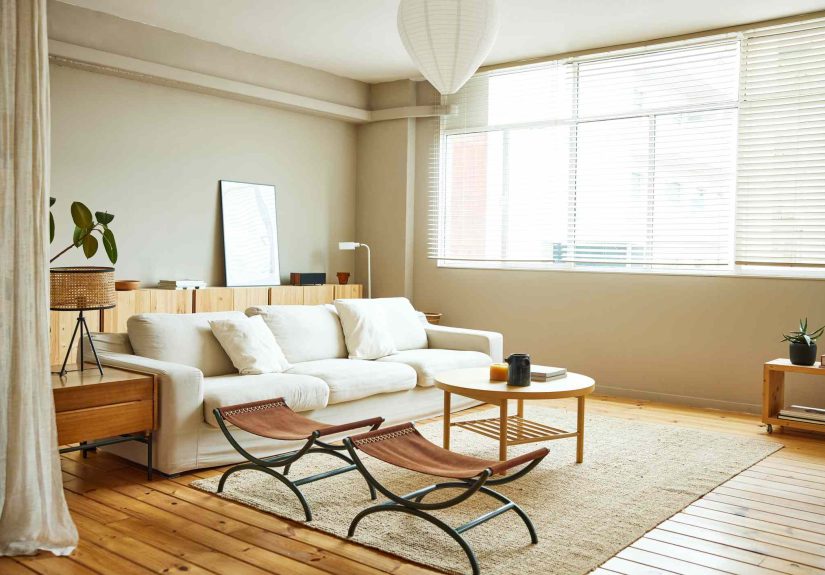
In most living rooms, the rug should be large enough for at least the front legs of the sofa and chairs to sit on it. In a larger space, all the furniture legs may fit comfortably on the rug. Either approach can work. What does not work is a rug that floats in the middle while every major piece sits outside it like it is trying not to step on wet paint.
It should match the room’s function
If your living room is where everyone watches movies, eats takeout, does homework, and occasionally lets the dog launch off the sofa like an Olympian, material matters. A delicate rug in a high-traffic family space is a quick way to create an exhausted-looking room. Durable fibers and practical textures tend to wear better and keep the room looking intentional instead of tired.
It should support the style without stealing the show
A rug can be bold, but it should not wage war on the rest of the room. If your living room already has patterned pillows, textured upholstery, dramatic art, and statement curtains, a quieter rug often works better. If the space is simple and neutral, the rug can be the piece that adds personality. The key is balance, not chaos.
The Other Living Room Habits That Make This Mistake Worse
A too-small rug rarely acts alone. It usually arrives with a few equally unhelpful friends.
1. Pushing all the furniture against the walls
People often think this makes a room feel bigger. In reality, it can make the room feel cold, disconnected, and oddly empty in the center. When paired with a tiny rug, this layout creates the classic “waiting room with trust issues” look. Pulling furniture inward, even a few inches, instantly makes the room feel more intimate and more designed.
2. Relying on overhead lighting only
Even a beautiful living room can look harsh and flat under one ceiling light. Designers regularly recommend layered lighting for a reason. A floor lamp near a chair, a table lamp on a console, and softer ambient light can make the room feel warm and finished. Overhead-only lighting makes bad proportions more obvious and can highlight clutter in the least flattering way possible.
3. Using too many small accessories
This is where tacky often sneaks in wearing a very innocent face. One candle? Charming. One ceramic knot? Fine. One tiny vase? Lovely. Twelve unrelated decorative objects spread across every surface? Suddenly the room looks like a gift shop during inventory.
Designers often advise editing accessories so the room feels curated, not crowded. Fewer pieces with more visual presence almost always look better than dozens of tiny fillers bought in a panic during a sale.
4. Buying a matching furniture set
When everything matches exactly, the room can feel flat and impersonal. Living rooms look more sophisticated when they feel collected over time, with variation in shape, material, and finish. That does not mean chaos. It means mix, not clone.
5. Choosing artwork that is too small
Small art on a big wall has the same problem as a tiny rug in a large room: it looks timid. People often try to compensate by adding more and more little items, which only increases the visual clutter. One properly scaled piece of artwork, or a thoughtfully arranged gallery wall, will almost always look more polished.
How to Fix the Room Without Starting Over
If this article has made you glance nervously at your rug, do not panic. You do not need to redesign your entire living room from scratch. A few smart moves can completely change the way the space feels.
Start with the rug size
Measure your seating area, not just the empty floor. Think about where the sofa, chairs, and coffee table actually sit. The rug should visually connect those pieces. In many average living rooms, that means sizing up rather than playing it safe. Going a little larger is usually better than going a little smaller.
Reposition the furniture
Once the rug is right, the furniture can follow. Pull the sofa and chairs inward so they feel like part of a group. Keep enough walking space for comfort, but avoid creating a giant no-man’s-land in the middle of the room.
Edit the accessories
Take everything off the coffee table, console, and shelves. Then put back only what earns its place. Keep objects in groups that vary in height, shape, and texture. If something is there only because the surface looked empty, that is usually your sign it should not return.
Add layered lighting
A living room should be able to shift moods. Bright for cleaning, softer for movies, warm for conversation, and flattering enough that guests do not look like they are being interrogated. Add at least two or three light sources at different heights to create depth.
Mix textures and finishes
If the room feels stiff, bring in contrast. A linen pillow next to velvet upholstery, a wood table near a metal lamp, a woven basket beside a sleek cabinetthese combinations add richness. The goal is not more stuff. It is more dimension.
Simple Rules Designers Use for a More Expensive-Looking Living Room
You do not need a giant budget to make a living room look refined. Often, you just need better decisions.
- Choose one strong focal point, not five competing stars.
- Let the rug define the seating area.
- Keep clutter off surfaces unless it is intentional and grouped.
- Use curtains high and wide to give the room more presence.
- Mix old and new pieces so the room feels collected.
- Pick a color palette with range, not random chaos.
- Leave a little empty space; breathing room is part of the design.
That last one matters more than people think. Not every corner needs a stool, a plant, a basket, and a sculpture trying to become best friends. Empty space helps the eye rest. And a room that allows your eye to rest usually feels calmer, cleaner, and more elegant.
What a Well-Styled Living Room Feels Like
When designers talk about avoiding tacky mistakes, they are not asking everyone to live in a beige showroom where no one is allowed to sit. They are talking about cohesion. A good living room feels balanced. It looks like someone made choices on purpose. It is comfortable, functional, and personal without being overdone.
That is why the rug matters so much. It is not just decor. It is structure. It tells the room where to begin and where to hold together. Get it wrong, and the whole space feels a little shaky. Get it right, and suddenly the sofa looks better, the coffee table makes sense, the chairs feel placed instead of parked, and the room starts reading as stylish rather than scattered.
Experiences That Prove This Living Room Mistake Matters
One of the most common experiences people have with a tacky-looking living room is that they cannot identify the problem at first. They repaint the walls. They buy new pillows. They swap coffee tables. They bring in a trendy lamp, a sculptural vase, and maybe one of those boucle stools that seemed like a good idea at the time. And yet the room still feels off. It is frustrating because the issue does not seem dramatic. Nothing appears obviously “wrong.” But once the rug is replaced with one that actually fits the seating area, the room suddenly clicks into place.
That shift is something homeowners describe all the time. A space that felt choppy begins to feel settled. The sofa looks like it belongs there. The chairs stop feeling like spare parts. Even the old side table you were ready to blame for everything starts looking more intentional. It is a strange little design miracle, and it happens because the rug changes how the eye reads the room.
Another common experience happens when people move into a larger home or rearrange furniture after years in the same space. They bring the old rug with them because it is still in good condition, and technically, yes, it still covers floor. But suddenly the living room looks like it is wearing ankle socks with a tuxedo. The rug that worked in a smaller apartment now feels lost in a bigger room. People often describe the new setup as cold, unfinished, or weirdly cheap, even when the furniture is nice. Again, the culprit is usually scale.
There is also the opposite experience: people think buying a smaller rug is the safer, more budget-friendly move. It feels practical in the store. It is less expensive, easier to carry, and somehow looks “fine” when rolled up under bright retail lighting. Then it gets home, lands under the coffee table, and immediately gives the room all the grace of a bath mat in a ballroom. That is when regret enters the chat.
Designers also notice that once the rug is corrected, people naturally make better styling decisions everywhere else. They stop pushing every piece of furniture to the wall. They realize they do not need seventeen tiny decorations on the console. They become more confident about using fewer, better pieces. It is as if the right rug teaches the room how to behave.
Even guests pick up on the difference, whether they know design language or not. In a room with the wrong rug, people often hover instead of fully relaxing. The furniture arrangement feels less conversational. The space can seem visually noisy or oddly formal. In a room with the right foundation, guests tend to settle in faster. The room feels warmer, more welcoming, and easier to use. Nobody says, “Congratulations on your improved scale and proportion,” but they do say things like, “Your living room feels so nice,” which is basically the civilian version of the same compliment.
That is the real experience behind this so-called tacky living room mistake. It is not just about appearances. It is about comfort, flow, and the subtle emotional difference between a room that feels awkward and one that feels complete. Sometimes the fix is not more decorating. Sometimes it is simply giving the room the foundation it has been begging for all along.
Conclusion
If your living room looks tacky and you cannot figure out why, start from the ground up. A too-small rug is one of the most common design mistakes because it makes everything else look less intentional. It distorts scale, weakens the layout, and encourages that cluttered, pieced-together feeling designers try hard to avoid.
The solution is refreshingly straightforward: choose a rug that properly anchors the furniture, pull the layout together, layer your lighting, and edit the accessories so the room feels curated instead of crowded. In other words, stop decorating around the problem and fix the foundation. Your living room will look bigger, warmer, more expensive, and far less likely to resemble a showroom for tiny bad decisions.