Table of Contents >> Show >> Hide
- Why This Lemon Drizzle Cake Recipe Works
- Ingredients for the Ultimate Lemon Drizzle Cake
- Equipment You Will Need
- Step-by-Step Instructions
- Step 1: Prepare the Pan
- Step 2: Mix the Dry Ingredients
- Step 3: Rub Lemon Zest Into Sugar
- Step 4: Cream Butter and Lemon Sugar
- Step 5: Add Eggs
- Step 6: Add Dairy, Lemon Juice, and Vanilla
- Step 7: Combine Wet and Dry Ingredients
- Step 8: Bake
- Step 9: Make the Lemon Syrup
- Step 10: Drizzle the Warm Cake
- Step 11: Cool Completely
- Step 12: Add the Lemon Glaze
- Expert Tips for a Moist Lemon Drizzle Cake
- Common Mistakes to Avoid
- Flavor Variations
- How to Serve Lemon Drizzle Cake
- How to Store Lemon Drizzle Cake
- Can You Make Lemon Drizzle Cake Ahead?
- Frequently Asked Questions
- Personal Baking Experience: What Makes This Cake Special
- Conclusion
If sunshine could be sliced, wrapped in parchment, and politely offered with coffee, it would probably look a lot like lemon drizzle cake. This bright, buttery, sweet-tart loaf is the dessert equivalent of opening a window on the first warm day of spring. It is simple enough for a weekday bake, pretty enough for brunch, and comforting enough to convince everyone at the table that you absolutely have your life together.
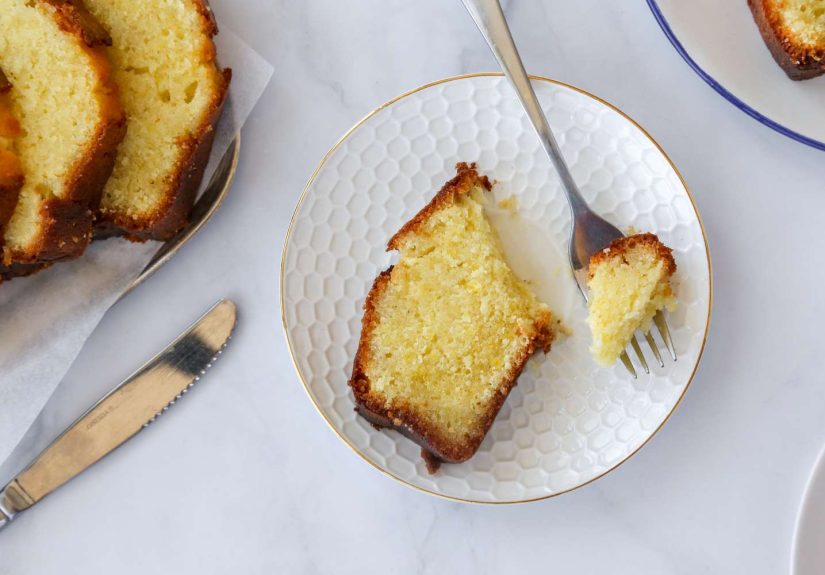
This ultimate lemon drizzle cake recipe is built around one mission: maximum lemon flavor without a dry, crumbly cake. The secret is not one dramatic trick. It is a team effort. Fresh lemon zest goes into the batter, a warm lemon syrup sinks into the cake after baking, and a glossy lemon glaze finishes the top with that classic sweet-tangy crackle. The result is a moist lemon loaf with a tender crumb, a sunny aroma, and a drizzle that actually tastes like lemon instead of sweet wallpaper paste.
Whether you are baking for a family gathering, afternoon tea, a bake sale, or a solo “I deserve cake” moment, this homemade lemon cake delivers. Grab a loaf pan, a couple of lemons, and your best mixing bowl. Things are about to get deliciously zesty.
Why This Lemon Drizzle Cake Recipe Works
A great lemon drizzle cake is all about balance. Too much lemon juice in the batter can make the texture heavy. Too little zest and the flavor disappears after baking. A glaze that is too thin slides off like it has somewhere better to be. A cake that is glazed while hot can turn sticky instead of beautifully set.
This recipe solves those common problems by layering lemon flavor in three stages. First, the zest is rubbed into the sugar before mixing. This releases the fragrant lemon oils and perfumes the whole batter. Second, the warm cake is pierced and soaked with a lemon syrup, which adds moisture and tang. Third, the cooled cake gets a thick lemon icing that settles into a smooth, bright finish.
The Texture Goal
The ideal lemon drizzle cake should be tender but not fragile, moist but not soggy, and rich without feeling heavy. Butter brings flavor, eggs give structure, sour cream adds moisture, and fresh lemon keeps everything lively. Think of it as pound cake’s sunnier, less serious cousinthe one who shows up to dinner wearing yellow and somehow makes everyone smile.
Ingredients for the Ultimate Lemon Drizzle Cake
For the Cake
- 1 1/2 cups all-purpose flour, spooned and leveled
- 1 1/2 teaspoons baking powder
- 1/4 teaspoon baking soda
- 1/2 teaspoon fine salt
- 3/4 cup granulated sugar
- 2 tablespoons finely grated fresh lemon zest, from about 2 large lemons
- 1/2 cup unsalted butter, softened
- 2 large eggs, at room temperature
- 1/2 cup sour cream or plain Greek yogurt, at room temperature
- 1/4 cup whole milk, at room temperature
- 2 tablespoons fresh lemon juice
- 1 teaspoon vanilla extract
For the Lemon Syrup Drizzle
- 1/4 cup fresh lemon juice
- 1/4 cup granulated sugar
For the Lemon Glaze
- 1 cup powdered sugar, sifted
- 1 1/2 to 2 tablespoons fresh lemon juice
- 1 teaspoon finely grated lemon zest
- 1 to 2 teaspoons milk or cream, only if needed
- Small pinch of salt
Equipment You Will Need
- 9×5-inch loaf pan
- Parchment paper
- Mixing bowls
- Hand mixer or stand mixer
- Whisk
- Microplane or fine grater
- Toothpick or skewer
- Wire cooling rack
Step-by-Step Instructions
Step 1: Prepare the Pan
Preheat the oven to 350°F. Grease a 9×5-inch loaf pan and line it with parchment paper, leaving a little overhang on the long sides. This makes it much easier to lift the cake out later. Lemon drizzle cake is charming, but it can be stubborn if it decides to cling to the pan like it pays rent there.
Step 2: Mix the Dry Ingredients
In a medium bowl, whisk together the flour, baking powder, baking soda, and salt. Set this aside. Whisking helps distribute the leavening evenly, which means your cake rises nicely instead of forming mysterious little tunnels.
Step 3: Rub Lemon Zest Into Sugar
Add the granulated sugar and lemon zest to a large mixing bowl. Rub them together with your fingertips for about 30 seconds, until the sugar feels slightly damp and smells intensely lemony. This tiny step makes a big difference because it releases the citrus oils from the zest and spreads them through the cake.
Step 4: Cream Butter and Lemon Sugar
Add the softened butter to the lemon sugar. Beat on medium speed for 3 to 4 minutes, until the mixture looks pale and fluffy. Do not rush this step. Proper creaming traps air, helping the cake bake up lighter and softer.
Step 5: Add Eggs
Beat in the eggs one at a time, mixing well after each addition. Scrape down the bowl as needed. Room-temperature eggs blend more smoothly into the butter mixture, which helps prevent the batter from curdling.
Step 6: Add Dairy, Lemon Juice, and Vanilla
In a small bowl, stir together the sour cream, milk, lemon juice, and vanilla extract. The mixture may look slightly uneven because of the lemon juice, and that is perfectly fine. It is not judging you, so do not judge it.
Step 7: Combine Wet and Dry Ingredients
Add one-third of the flour mixture to the butter mixture and mix on low speed just until combined. Add half of the sour cream mixture, then another third of the flour mixture, then the remaining sour cream mixture, and finally the last of the flour. Mix only until no dry streaks remain. Overmixing develops gluten and can make the cake tough.
Step 8: Bake
Spoon the batter into the prepared loaf pan and smooth the top. Bake for 48 to 58 minutes, or until the cake is golden, domed, and a toothpick inserted into the center comes out clean or with a few moist crumbs. If the top browns too quickly, loosely tent it with foil during the final 10 to 15 minutes.
Step 9: Make the Lemon Syrup
While the cake bakes, stir together the lemon juice and granulated sugar for the syrup. You can leave it slightly grainy for a classic crackly drizzle texture, or warm it gently in a small saucepan until the sugar dissolves for a smoother soak.
Step 10: Drizzle the Warm Cake
Let the cake cool in the pan for 10 minutes. While it is still warm, poke holes all over the top with a skewer or toothpick. Slowly spoon the lemon syrup over the cake, letting it soak in before adding more. This is the moment where the loaf becomes a true lemon drizzle cake instead of just a lemon-flavored loaf wearing a nice outfit.
Step 11: Cool Completely
Let the cake cool in the pan for another 20 minutes, then lift it onto a wire rack. Allow it to cool completely before glazing. A warm cake will melt the icing, making it thin and translucent instead of thick and bakery-style.
Step 12: Add the Lemon Glaze
Whisk together the powdered sugar, lemon juice, lemon zest, and a pinch of salt. The glaze should be thick but pourable. If it is too thick, add milk or cream 1 teaspoon at a time. If it is too thin, add more powdered sugar. Spoon or drizzle it over the cooled cake and let it set for at least 15 minutes before slicing.
Expert Tips for a Moist Lemon Drizzle Cake
Use Fresh Lemons
Bottled lemon juice may be convenient, but fresh lemons bring brighter flavor and natural aroma. Since this recipe uses both zest and juice, fresh lemons are absolutely worth it.
Do Not Skip the Zest
Lemon juice brings acidity, but lemon zest brings the actual lemon fragrance. Most of the fruit’s aromatic oils live in the yellow outer peel. Avoid the white pith underneath, which can taste bitter.
Measure Flour Correctly
Too much flour is one of the fastest ways to make a dry cake. Spoon flour into the measuring cup and level it off with a knife. Do not scoop straight from the bag unless your dream cake has the personality of a brick.
Cool Before Glazing
The syrup goes on while the cake is warm. The glaze goes on after the cake is cool. This two-step timing gives you both moisture and a pretty finish.
Common Mistakes to Avoid
Mistake 1: Overmixing the Batter
Once the flour goes in, mix gently. A few tiny lumps are better than a dense cake. Lemon drizzle cake should be soft and tender, not chewy.
Mistake 2: Using Cold Ingredients
Cold butter, eggs, milk, or sour cream do not combine as smoothly. Let refrigerated ingredients sit out for about 30 minutes before baking.
Mistake 3: Pouring Glaze on a Hot Cake
This turns your beautiful lemon glaze into a disappearing act. Let the cake cool fully if you want that thick white drizzle to sit proudly on top.
Mistake 4: Cutting Too Soon
Freshly glazed cake needs a short rest. Give the glaze time to set and the crumb time to settle. Your slices will look cleaner, and the flavor will be better.
Flavor Variations
Lemon Blueberry Drizzle Cake
Fold 3/4 cup blueberries into the batter. Toss them with 1 teaspoon of flour first to help prevent sinking. This variation is perfect for spring brunches and summer desserts.
Lemon Poppy Seed Cake
Add 1 tablespoon poppy seeds to the dry ingredients. The tiny crunch works beautifully with the tender lemon crumb.
Meyer Lemon Drizzle Cake
Use Meyer lemons for a softer, slightly floral flavor. Since Meyer lemons are less sharp than regular lemons, add an extra teaspoon of zest if you want a bold citrus punch.
Lemon Cream Cheese Glaze
For a richer topping, beat 2 ounces softened cream cheese with the powdered sugar and lemon juice. This creates a tangy glaze that tastes like lemon cheesecake took a very elegant vacation.
How to Serve Lemon Drizzle Cake
This cake is excellent on its own, but it also pairs well with fresh berries, whipped cream, vanilla yogurt, or a scoop of vanilla ice cream. Serve it with coffee for an afternoon treat, black tea for a cozy snack, or sparkling lemonade for a citrus-on-citrus celebration.
For a simple dessert plate, add a slice of lemon drizzle cake, a spoonful of lightly sweetened whipped cream, and a few raspberries. The tart berries cut through the sweetness and make the plate look restaurant-worthy with almost no effort.
How to Store Lemon Drizzle Cake
Store the cooled and glazed cake in an airtight container at room temperature for up to 3 days. For longer storage, wrap individual slices tightly and freeze them for up to 2 months. Thaw slices at room temperature before serving.
If your kitchen is very warm or humid, refrigerate the cake to keep the glaze firm. Bring slices back to room temperature before eating for the best texture and flavor.
Can You Make Lemon Drizzle Cake Ahead?
Yes. In fact, lemon drizzle cake often tastes even better the next day because the syrup has time to settle into the crumb. You can bake and syrup the cake one day ahead, wrap it tightly once cool, and glaze it the next day before serving. This is a smart move for parties because it lets you avoid the classic pre-guest kitchen panic, also known as “why did I decide to bake and vacuum at the same time?”
Frequently Asked Questions
Can I use oil instead of butter?
You can, but the flavor and texture will change. Butter gives the cake a richer taste and classic crumb. Oil makes a softer cake but can reduce that traditional buttery flavor.
Why did my lemon drizzle cake sink in the middle?
The cake may have been underbaked, the oven door may have opened too early, or the batter may have been overmixed. Use a toothpick test and make sure the center is fully set before removing it from the oven.
Can I make this recipe without sour cream?
Yes. Plain Greek yogurt works very well. Buttermilk can also be used, though the batter will be slightly thinner.
How do I make the glaze thicker?
Add more powdered sugar, 1 tablespoon at a time, until the glaze is thick but still pourable. A good glaze should fall slowly from a spoon in a ribbon.
Personal Baking Experience: What Makes This Cake Special
The first time I made a lemon drizzle cake, I treated it like a regular loaf cake. I mixed the batter, baked it, slapped on a glaze, and expected fireworks. What I got was pleasant, polite, and only mildly lemony. It was the kind of cake that says, “Hello, I am dessert,” but does not exactly kick open the door with citrus confetti. That is when I learned the most important lesson of lemon baking: one layer of lemon is rarely enough.
The real magic started when I began rubbing lemon zest into sugar. It felt almost too simple to matter, but the difference was immediate. The sugar turned fragrant before the batter even came together. Instead of lemon flavor hiding in the background, it showed up right away. The kitchen smelled brighter. The cake tasted fresher. Suddenly, the loaf had personality.
The second upgrade was the syrup soak. Pouring lemon syrup over a warm cake can feel a little dramatic the first time. You poke holes into a perfectly baked loaf and think, “Am I improving this or committing dessert vandalism?” But then the syrup disappears into the crumb, and later each slice has that moist, tangy center that makes lemon drizzle cake so addictive. It is not wet. It is not mushy. It is just tender, flavorful, and beautifully balanced.
I have also learned that patience matters more than most people want to admit. If you glaze the cake too soon, the icing melts and slides into the sides. Still tasty, yes, but visually it looks like the cake got caught in the rain. Waiting until the loaf is completely cool gives the glaze a clean finish. It sets into a sweet-tart shell that cracks slightly when sliced, which is one of the great small joys of home baking.
This cake has become one of those reliable recipes that works for almost every occasion. I have served it at brunch with berries, packed it for picnics, sliced it into lunchbox treats, and eaten a piece over the sink while pretending that crumbs do not count if nobody sees them. It travels well, keeps nicely, and tastes cheerful without being fussy.
The best experience, though, is watching someone take the first bite. Lemon drizzle cake has a way of making people pause. The first flavor is sweet, then buttery, then suddenly bright with lemon. It is familiar but never boring. It feels homemade in the best possible way: simple ingredients, thoughtful technique, and a result that tastes like more than the sum of its parts.
If you are new to baking, this recipe is forgiving enough to build confidence. If you already bake often, it is the kind of cake you will keep refining until it becomes your signature. Maybe you will add blueberries. Maybe you will use Meyer lemons. Maybe you will double the glaze because you are an adult and nobody can stop you. However you make it, the heart of the recipe stays the same: fresh lemon, tender crumb, and a drizzle that makes every slice feel like a tiny celebration.
Conclusion
The ultimate lemon drizzle cake recipe is not complicated, but it is thoughtful. By using fresh lemon zest, a moist sour cream batter, a warm lemon syrup, and a thick final glaze, you get a cake that is bright, tender, and full of real citrus flavor. It is easy enough for beginners, impressive enough for guests, and delicious enough to disappear slice by slice before anyone admits who took the last piece.
For the best results, use fresh lemons, measure carefully, avoid overmixing, and let the cake cool before glazing. Those small details turn a simple lemon loaf into a bakery-worthy dessert with a sunny personality and a sweet-tart finish. In other words, this is not just cake. This is lemon cake with confidence.