Table of Contents >> Show >> Hide
- Why The Thing Still Dominates Horror Opinions
- The Thing Franchise Ranked: Worst to Best
- Best Characters in The Thing, Ranked by Impact
- Best Scenes in The Thing, Ranked
- Why Critics and Fans Disagreed About The Thing
- Practical Effects: Why The Thing Still Looks So Unforgettable
- Ranking The Main Opinions About The Thing
- Personal Viewing Experiences and Reflections on The Thing Rankings And Opinions
- Conclusion
Note: This article synthesizes real information and critical context from reputable film, entertainment, and reference sources, including major review aggregators, film institutes, movie databases, critic archives, and modern horror-ranking publications.
Some movies enter pop culture politely. They knock, remove their shoes, and ask where to put the casserole. John Carpenter’s The Thing did not do that. Released in 1982, it arrived like a frozen mystery from Antarctica, kicked open the door, and asked one terrifying question: “Are you sure your friend is still your friend?” More than four decades later, fans are still arguing, ranking, defending, rewatching, and side-eyeing every character in the movie like they just failed a trust exercise at summer camp.
The title The Thing Rankings And Opinions can point in several directions: ranking the films in the franchise, ranking the 1982 movie’s characters, judging its best scenes, comparing critics with audiences, and deciding whether the 2011 prequel deserves a second chance or should remain buried in cinematic permafrost. The fun part is that The Thing invites debate. It is not just a monster movie. It is a paranoia machine with a flamethrower, a chess computer, and one of the most magnificent beards in horror history.
So let’s rank, analyze, and politely argue about The Thingwith respect, curiosity, and only a small amount of suspicious glancing at the person sitting next to us.
Why The Thing Still Dominates Horror Opinions
John Carpenter’s The Thing is now widely considered one of the greatest sci-fi horror films ever made, but that reputation was not guaranteed at the beginning. When it opened in 1982, the movie faced a chilly reception from many critics and struggled against a pop-culture climate that preferred friendlier aliens. In the same summer, E.T. the Extra-Terrestrial offered glowing fingers and emotional healing. The Thing offered isolation, suspicion, and an alien that could imitate anyone. In short: not exactly lunchbox material.
Over time, however, audiences began to see the movie differently. Home video, cable television, horror fandom, and critical reevaluation transformed it from a misunderstood release into a cult classic and then into a canonized masterpiece. Today, discussions about The Thing often focus on its atmosphere, practical effects, minimalist storytelling, Ennio Morricone’s haunting score, Dean Cundey’s icy cinematography, and Kurt Russell’s unforgettable performance as R.J. MacReady.
The movie works because it does not simply ask, “What does the monster look like?” It asks, “What happens when trust becomes impossible?” That question has kept the film fresh, because paranoia never goes out of style. It just changes jackets.
The Thing Franchise Ranked: Worst to Best
There are three major screen versions connected to John W. Campbell Jr.’s 1938 novella Who Goes There?: The Thing from Another World from 1951, John Carpenter’s The Thing from 1982, and the 2011 prequel also titled The Thing. Each has its defenders, but they are not equally loved. Here is a practical ranking based on influence, craft, audience reputation, and rewatch value.
3. The Thing (2011)
The 2011 The Thing is not a disaster, despite what some frozen-faced internet comments may suggest. It has a strong concept: show what happened at the Norwegian camp before the events of Carpenter’s movie. That is a smart idea because the 1982 film begins with mystery already in motion. Viewers see the aftermath first, so a prequel has a built-in puzzle to solve.
The film stars Mary Elizabeth Winstead as Kate Lloyd, a paleontologist brought to Antarctica to examine a strange discovery. The cast is capable, the setting is promising, and the final connection to Carpenter’s opening sequence is satisfying for fans who enjoy timeline precision. Unfortunately, the movie often feels trapped by the original’s shadow. It must explain details that were scarier when left unexplained, and its digital creature effects drew criticism from viewers who admired the tactile practical effects of the 1982 version.
Opinion: The 2011 film is watchable, sometimes exciting, and more respectful than lazy. But it ranks last because it answers questions that did not always need answering. Mystery is like soup: sometimes stirring too much ruins the texture.
2. The Thing from Another World (1951)
The 1951 version, produced by Howard Hawks and directed by Christian Nyby, is a classic of early science-fiction cinema. It differs strongly from Campbell’s original idea and from Carpenter’s later adaptation. Instead of a shape-shifting imitation threat, this film presents a more traditional humanoid alien menace. It is less psychologically slippery than the 1982 film, but it has sharp dialogue, tense pacing, and a historical importance that cannot be ignored.
For viewers who love old Hollywood energy, the 1951 film remains charming and effective. Its group dynamics, military-science conflict, and cold-weather setting helped shape the DNA of later sci-fi horror. It may not deliver the same stomach-tightening paranoia as Carpenter’s film, but it deserves respect. Without it, the later movie would not cast the same long shadow.
Opinion: The 1951 film is a sturdy classic. It ranks second because it is influential and entertaining, though less psychologically daring than the 1982 remake. It is the grandparent at the horror family reunion: maybe not the loudest in the room, but everyone owes it a chair.
1. The Thing (1982)
Carpenter’s The Thing takes the top spot with a snowplow and does not look back. It is the rare remake that does not simply update an older film; it reimagines the material with a more faithful focus on imitation, identity, and distrust. Set at an American research station in Antarctica, the movie follows a group of men who discover that an alien organism can absorb and imitate living beings. Once that fact becomes clear, every conversation becomes a test, every silence becomes suspicious, and every close-up feels like a lie waiting to hatch.
The movie’s greatness comes from balance. It has shocking creature effects, yes, but the real engine is uncertainty. MacReady is not a traditional superhero. He is tired, clever, angry, and practical. The supporting characters are not disposable cardboard cutouts; they are distinct enough that viewers can debate their choices, motives, and possible infection timelines for years. That is exactly what fans have done.
Opinion: The 1982 The Thing is the best version because it combines atmosphere, theme, performance, effects, and ambiguity into one perfectly frozen nightmare. It is not just the best Thing movie. It is one of the best horror films ever made.
Best Characters in The Thing, Ranked by Impact
Ranking characters in The Thing is tricky because the movie’s whole point is that personality may be a mask. Still, some characters leave a stronger impression than others. Here is a balanced character ranking based on memorability, story importance, and fan discussion value.
1. R.J. MacReady
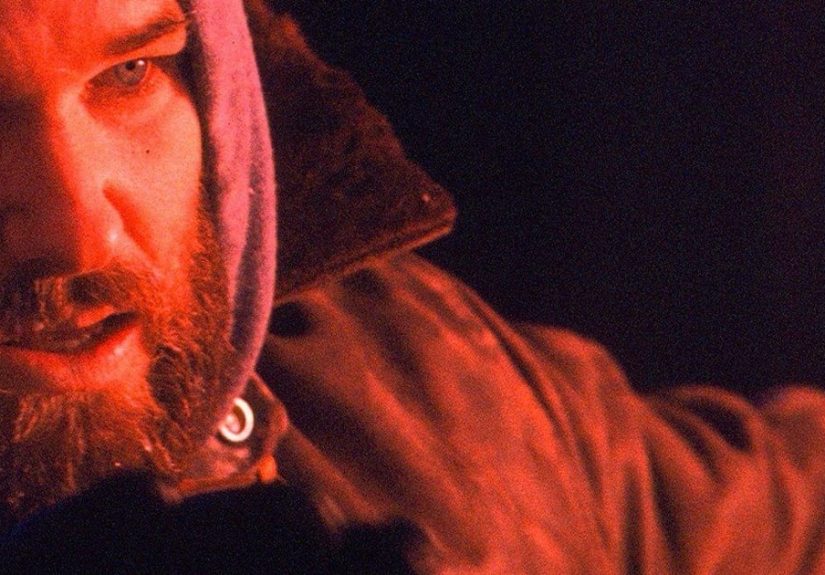
MacReady is the face of the film, and Kurt Russell gives him the perfect mix of competence and exhaustion. He is not calm because he is fearless. He is calm because panic would be useless. His famous hat, beard, and deadpan attitude have become visual shorthand for rugged horror cool. MacReady ranks first because he drives the story without making the movie feel like a one-man show.
2. Blair
Blair is one of the most important characters because he understands the danger before almost anyone else fully grasps it. His calculations about the organism’s potential spread turn the movie from a local survival story into a global threat. Blair’s fear is logical, which makes him more disturbing. He is not simply losing control; he may be reacting appropriately to an impossible situation.
3. Childs
Keith David’s Childs is essential to the film’s tension, especially in the ending. His confrontational energy makes him a powerful counterweight to MacReady. The final scene between Childs and MacReady remains one of horror’s great unresolved debates. Is one of them infected? Are both human? Is the movie laughing quietly while we argue forever? Probably.
4. Palmer
Palmer provides attitude, humor, and one of the movie’s most memorable suspicion arcs. His casual personality makes him easy to underestimate, which works beautifully in a story where appearances are unreliable. He also contributes to the film’s uneasy rhythm: sometimes funny, sometimes frightening, always off-balance.
5. Windows
Windows is not the strongest personality at the station, but he is memorable because he often seems like the person most overwhelmed by events. That makes him relatable. Not everyone becomes a flamethrower-wielding decision machine under pressure. Some people freeze, hesitate, and look like they would very much like to resign from Antarctica.
Best Scenes in The Thing, Ranked
The movie is packed with unforgettable moments, but the best scenes are not just shocking. They reveal character, deepen paranoia, or change the rules of the story.
1. The Blood Test Scene
The blood test is the crown jewel of The Thing. It is simple, tense, and brilliantly staged. MacReady ties everyone down and tests blood samples with a heated wire, believing that each part of the organism may react independently to protect itself. The scene is a masterclass in suspense because the audience knows something will happen, but not when. It turns a small room into a pressure cooker.
2. The Kennel Scene
The kennel sequence reveals the alien’s nature and tells the audience that ordinary biology no longer applies. It is frightening because the threat is not merely aggressive; it is transformative. The scene also sets the tone for the film’s practical effects, which remain famous for their surreal imagination and physical presence.
3. The Final Conversation
The ending between MacReady and Childs is quiet compared with earlier chaos, but it may be the film’s most powerful moment. The base is destroyed, the cold is closing in, and neither man can fully trust the other. The film refuses to hand viewers a neat answer. That refusal is not a flaw. It is the final twist of the knife, delivered with a frozen smile.
4. The Norwegian Camp Discovery
When MacReady and Copper explore the Norwegian camp, the movie becomes a detective story. The burned remains, damaged rooms, and strange evidence create dread through implication. It is a reminder that horror often works best when viewers arrive after something terrible has already happened and must imagine the rest.
5. MacReady Versus the Chess Computer
This small opening moment does more than entertain. MacReady’s reaction to losing a chess game tells us he is stubborn, competitive, and willing to destroy the board rather than accept defeat. Is it childish? Yes. Is it useful character setup? Also yes. Never underestimate a movie that introduces its hero through poor sportsmanship and still makes him iconic.
Why Critics and Fans Disagreed About The Thing
The early critical response to The Thing was mixed to negative, with some reviewers focusing on its intensity and creature effects rather than its craft. Modern audiences often find that reaction surprising because the film is now praised for exactly the qualities that once made it controversial. It is bleak, claustrophobic, suspicious, and emotionally cold. In 1982, that tone clashed with a blockbuster landscape that often rewarded wonder, heroism, and clear emotional release.
Fans, however, gradually embraced the movie because its bleakness is purposeful. The characters are trapped in a place where normal social rules collapse. Friendship, rank, intelligence, and courage all become unstable. The creature does not need to win every fight. It only needs people to doubt one another. That idea aged beautifully because it is flexible. It can be read as a story about disease, conformity, identity, masculinity, isolation, workplace dysfunction, or the simple horror of not knowing who ate the last safe can of beans.
This is why The Thing often ranks highly in horror lists, sci-fi horror discussions, and fan polls. It rewards repeat viewing. Every glance, disappearance, and line of dialogue becomes evidence. The film turns viewers into detectives, and detectives love nothing more than pretending they are not obsessed while building a theory board at 1:00 a.m.
Practical Effects: Why The Thing Still Looks So Unforgettable
Rob Bottin’s creature effects are central to the movie’s reputation. The alien in The Thing has no single fixed form, which gave the effects team permission to be wildly imaginative. Instead of designing one monster, the movie presents a biological nightmare that can twist into many shapes. The result feels unpredictable and handmade in the best possible way.
Modern visual effects can be wonderful, but practical effects have a special weight on screen. They occupy space. Actors can react to them. Light hits them. The viewer senses that something physically exists in the frame, even if the illusion is outrageous. That is one reason the 1982 film continues to impress younger viewers who are used to digital spectacle. It does not look realistic in every second, but it looks alive with invention.
The genius of the effects is not just technical. It is thematic. The creature’s changing forms visualize the movie’s central fear: identity is unstable. A human body may be a costume. A familiar face may be camouflage. The monster is terrifying because it turns recognition into a trap.
Ranking The Main Opinions About The Thing
After years of fan debates, several major opinions about The Thing have become common. Some are persuasive. Some are questionable. Some are the kind of opinions that make people pause the movie and point at the screen like courtroom attorneys wearing pajama pants.
Opinion 1: The Ending Is Better Because It Is Ambiguous
This is the strongest opinion and probably the most widely defended. The final scene works because it does not solve the mystery. A clear answer would reduce the film’s power. Ambiguity keeps the paranoia alive after the credits.
Opinion 2: The 1982 Film Is Carpenter’s Best Movie
This is a very defensible opinion. Carpenter’s filmography includes Halloween, Escape from New York, They Live, and Big Trouble in Little China, so competition is serious. Still, The Thing may be his most complete work: visually controlled, thematically rich, perfectly paced, and endlessly rewatchable.
Opinion 3: The 2011 Prequel Is Better Than Its Reputation
This opinion has gained some traction. The prequel is not as strong as Carpenter’s version, but it does show respect for the original and has moments of real tension. Its biggest problem is comparison. Standing next to the 1982 film is like entering a beard contest against Kurt Russell. You may be doing fine, but history is not on your side.
Opinion 4: The Monster Is Less Interesting Than the Paranoia
This is also persuasive. The creature is visually memorable, but the movie’s lasting fear comes from suspicion. The scariest question is not “Where is the alien?” It is “Would I know if it were already here?”
Personal Viewing Experiences and Reflections on The Thing Rankings And Opinions
One of the most interesting experiences related to The Thing Rankings And Opinions is how dramatically a viewer’s ranking can change after multiple watches. The first viewing is usually about survival: Who is infected? What is happening? Why is everyone making Antarctica look like the worst group vacation ever? On a second viewing, the experience becomes more analytical. You watch body language. You notice who leaves the room. You track torn clothing, missing time, and suspicious reactions. By the third viewing, you may find yourself judging everyone’s crisis-management skills like a very intense human resources supervisor.
This is why ranking The Thing is more fun than ranking many horror movies. Some films deliver their secrets and then politely leave. The Thing lingers. It encourages fan theories without depending entirely on them. You do not need to solve every mystery to enjoy it, but the mysteries are strong enough to invite endless debate. That balance is rare. Too much explanation can flatten horror; too little can feel random. Carpenter’s film lands in the sweet spot where uncertainty feels designed, not careless.
Another experience many viewers share is the surprise of discovering that the movie was not always treated as a masterpiece. Watching it today, its quality feels obvious. The pacing is tight, the setting is perfect, and the characters are distinct without being over-explained. Yet the film’s early reception reminds us that rankings are not fixed monuments. They are living conversations. A movie can be misunderstood in one decade and celebrated in another. Taste changes, audiences change, and sometimes a film simply waits for the culture to catch up.
Discussing The Thing with other fans also reveals how personal horror opinions can be. Some viewers rank the blood test scene as the best because it is suspense at its sharpest. Others prefer the ending because it respects the audience’s intelligence. Practical-effects fans may rank the kennel scene highest because it displays the film’s wild craftsmanship. Character-focused viewers may care more about MacReady, Childs, Blair, and the social breakdown inside the station. Everyone is watching the same movie, but not everyone is ranking the same experience.
That is the secret strength of The Thing. It functions as a monster movie, a mystery, a survival thriller, a workplace nightmare, and a philosophical puzzle about identity. One viewer comes for the creature effects. Another comes for the atmosphere. Another comes for the ending. Another comes because Kurt Russell’s hat deserves its own supporting actor nomination. All of them are correct in their own way.
My strongest opinion is that the 1982 film ranks above the other versions because it understands restraint better than it is often given credit for. People remember the shocking moments, but the quiet spaces make those moments work. The wind outside the base, the suspicious pauses, the dim hallways, and the tired faces all build pressure. The movie is not constantly loud. It waits. It listens. It lets distrust grow until even silence feels hostile.
In the end, The Thing Rankings And Opinions is not just about deciding which film, character, or scene wins. It is about recognizing why this story keeps generating arguments. Great horror does not end when the monster disappears. It ends when the audience realizes the question is still sitting beside them. With The Thing, that question remains wonderfully uncomfortable: Who can you trust when imitation is perfect?
Conclusion
The Thing remains a towering achievement in sci-fi horror because it combines a simple survival premise with deep psychological tension. The 1951 film deserves classic status, the 2011 prequel deserves measured reconsideration, but John Carpenter’s 1982 version stands as the definitive interpretation. Its rankings remain high because its craft remains strong: unforgettable practical effects, icy atmosphere, sharp performances, and an ending that refuses to stop haunting viewers.
The best opinion about The Thing may be the simplest: it is a film that improves the more you argue about it. And in a world full of forgettable monsters, that is no small thing.