Table of Contents >> Show >> Hide
- Muscle vs. Fat: Same Weight, Different Story
- What Muscle and Fat Actually Do in Your Body
- Why the Scale Can Mislead You
- How to Lose Fat While Keeping (or Building) Muscle
- Common Myths About Muscle vs. Fat (That Need to Retire)
- Experience Section: Real-Life Stories About Muscle vs. Fat (Approx. )
- Final Takeaway
Let’s settle one of the gym world’s most dramatic arguments: “Muscle weighs more than fat.”
Plot twist: a pound is a pound. Always. Your one-pound dumbbell and one-pound bag of marshmallows weigh the same.
But they absolutely do not take up the same amount of space in your bodyand that difference is why your scale,
mirror, jeans, and energy levels can seem like they’re all telling different stories.
If you’ve ever gained a few pounds while getting fitter, or stayed the same weight while looking leaner, you’re not broken.
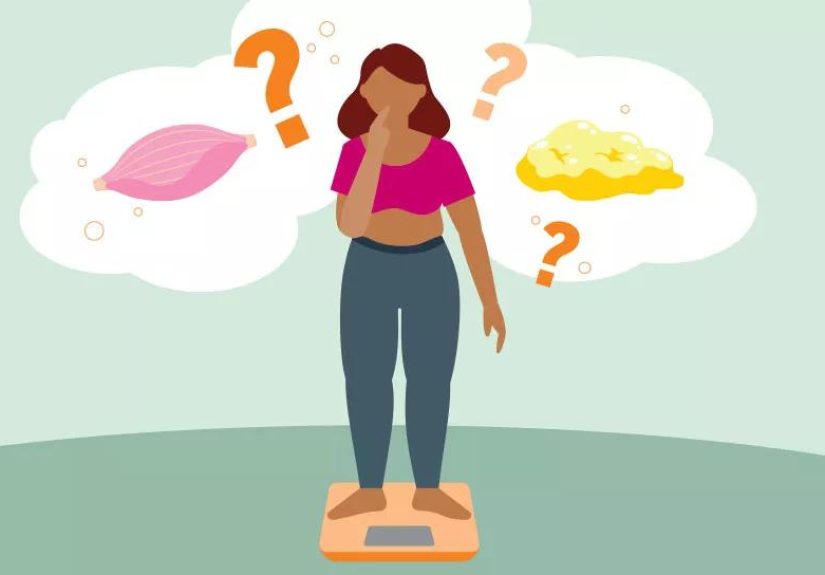
You’re experiencing body composition changes: shifts in the ratio of fat mass to lean mass (including muscle, bone, and water).
In plain English, this article explains muscle vs. fat weight, why scale weight can be misleading, what actually matters for
metabolic health, and how to track progress without becoming emotionally dependent on your bathroom scale at 7:03 a.m.
We’ll also walk through practical strategies to lose fat while maintaining (or building) muscle, clear up common myths, and end with
real-life experience stories so this topic feels less like a textbook and more like actual life.
Muscle vs. Fat: Same Weight, Different Story
1) Weight is equal, volume is not
A pound of fat and a pound of muscle weigh exactly the same. The big difference is density.
Muscle tissue is denser than fat tissue, so the same weight of muscle takes up less physical space.
That’s why someone can weigh the same as before but look firmer, smaller, or more “toned” after consistent strength training.
Think of it like this:
- Fat: like a fluffy pillowlarger volume for the same weight.
- Muscle: like a packed backpackmore compact for the same weight.
This is also why scale-only tracking can be emotionally confusing. You might be doing everything right, but because muscle is denser,
your visual shape can improve before the scale reflects it.
2) Location matters as much as amount
Not all fat behaves the same way. Subcutaneous fat sits under the skin. Visceral fat sits deeper around internal organs.
Excess visceral fat is more strongly linked to cardiometabolic risk, which is one reason waist measurements can add useful context.
What Muscle and Fat Actually Do in Your Body
Fat is not “bad” by default
Fat tissue often gets villainized, but your body needs some fat to function well. Healthy fat levels support:
- Hormone production and regulation
- Energy storage for daily life and exercise
- Organ protection and insulation
- Absorption of fat-soluble vitamins (A, D, E, K)
The issue is not “having fat.” The issue is carrying too much fatespecially abdominal/visceral fatwhich can raise risk for conditions
like type 2 diabetes, cardiovascular disease, sleep apnea, and more.
Muscle is metabolically active tissue
Muscle helps you move, stabilize joints, and protect function as you age. It’s also metabolically active, meaning it contributes to daily energy use.
More lean mass is generally associated with better glucose handling, improved physical capacity, and healthier aging.
Here’s the underrated part: muscle is not just for athletes and people who own five shaker bottles.
Building and preserving muscle helps everyday lifelifting groceries, climbing stairs, carrying backpacks, and reducing injury risk.
Why this matters more with age
Muscle mass and strength tend to peak in early adulthood and gradually decline over time, with faster losses later in life if resistance exercise is absent.
This age-related decline (often called sarcopenia in more advanced forms) can affect mobility, balance, and independence.
So “muscle vs. fat” is not just a beach-season conversationit’s a lifelong health conversation.
Why the Scale Can Mislead You
BMI is useful, but incomplete
BMI can be a useful screening tool at the population level, but it has well-known limits for individuals. It cannot distinguish fat from muscle.
A very muscular person can appear “overweight” by BMI, while someone with a “normal” BMI can still carry high body fat or unhealthy fat distribution.
Better context tools for body composition
If you want a truer picture of progress, combine scale weight with:
- Waist circumference (especially for abdominal fat trends)
- Progress photos (same lighting, same time of day, same pose)
- Strength markers (reps, loads, movement quality)
- Energy and recovery (sleep, soreness, daily stamina)
- Body composition tools like BIA or DEXA when available
DEXA is often used clinically to estimate regional and total body composition; it can provide more detail than scale weight alone.
BIA devices are easier to access but can fluctuate with hydration and timing, so consistency in measurement conditions is key.
Waist measurement still matters
Even if weight is stable, increasing waist circumference can signal rising abdominal fat.
That’s one reason many clinicians pair weight with waist tracking rather than relying on one metric alone.
How to Lose Fat While Keeping (or Building) Muscle
The goal for most people isn’t “just lose weight.” It’s improve body composition: lower excess fat while protecting lean tissue.
Here’s a practical, sustainable framework.
1) Do resistance training consistently
If muscle is the “keep this” tissue during fat loss, strength training is your insurance policy.
Aim for at least 2 full-body resistance sessions weekly, then build up as your schedule and recovery allow.
- Prioritize compound movements: squat pattern, hinge, push, pull, carry
- Use progressive overload: slightly more reps, load, control, or range over time
- Train with good form and leave 1–3 reps “in reserve” on most sets
- Consistency beats heroic one-week bursts
2) Keep moving outside workouts
Cardio supports heart health and can help with fat loss, but non-exercise movement (walking, stairs, errands on foot, standing breaks) matters too.
Daily movement increases total energy expenditure without the recovery demand of intense training every day.
3) Use a moderate calorie deficit, not a crash diet
Crash dieting can strip muscle along with fat, tank performance, and make rebound weight gain more likely.
A moderate, steady deficit is typically easier to sustain and better for preserving lean mass.
Build meals around:
- Protein-rich foods at each meal
- High-fiber carbs (fruit, vegetables, legumes, whole grains)
- Healthy fats in sensible portions
- Hydration and regular meal timing
If your workouts are improving but recovery is poor, sleep is low, and hunger is extreme, your plan may be too aggressive.
The best fat-loss plan is the one you can still follow in month threenot just week one.
4) Keep protein and strength aligned
Strength training gives your body a reason to keep muscle. Adequate protein gives it building material.
Pair both, and you improve your odds of losing fat without sacrificing performance or daily function.
5) Sleep and stress are body composition variables
Poor sleep and high stress can increase cravings, reduce training quality, and derail consistency.
You don’t need a perfect routinejust reliable basics: a realistic bedtime, wind-down habits, and stress outlets that are not “doom scrolling at midnight.”
Common Myths About Muscle vs. Fat (That Need to Retire)
Myth #1: “If the scale goes up, I got fatter.”
Not necessarily. Scale changes can reflect water, glycogen, inflammation from hard workouts, digestive content, or lean mass changes.
Trend lines matter more than one-day spikes.
Myth #2: “Cardio burns fat, lifting is optional.”
Cardio is great for heart health and calorie burn, but resistance training is crucial for maintaining muscle and function during fat loss.
The best plan usually includes both.
Myth #3: “If I’m not losing pounds weekly, nothing is working.”
Body recomposition can mean fat down + muscle up with little scale movement.
If waist is shrinking, strength is rising, and you feel better, progress is happening.
Myth #4: “BMI tells me everything I need to know.”
BMI is one data point, not your full health report card. Body fat distribution, blood markers, activity level, sleep, and stress all matter.
Experience Section: Real-Life Stories About Muscle vs. Fat (Approx. )
Story 1: Maya, 22, college student, former scale detective.
Maya used to weigh herself every morning and treat each number like a final exam grade.
If it went up half a pound, she’d panic, skip breakfast, and do extra cardio. Then she started a beginner strength plan in her campus gym:
two full-body workouts per week, a few dumbbell basics, and short walks between classes.
During the first month, her weight barely changed. She assumed nothing was working. But her jeans fit better, her back pain from sitting all day improved,
and she stopped getting winded on stairs to the library’s third floor. By month three, she had lost only four pounds on the scalebut dropped inches around her waist,
improved her sleep, and could do push-ups from the floor for the first time. Her takeaway: scale weight showed one chapter, not the whole book.
Story 2: Jordan, 35, busy parent, full-time job, zero patience for complicated plans.
Jordan thought fitness required 90-minute workouts and a refrigerator full of expensive “clean” foods.
With two kids and unpredictable work calls, that wasn’t happening. He switched to a simpler setup: three 30-minute home strength sessions weekly,
8,000–10,000 daily steps, and protein with each meal. He kept one habit from his old lifeFriday pizza nightbecause sustainability mattered more than perfection.
After eight weeks, the scale was down only three pounds. But he noticed he could carry both kids and grocery bags without feeling wrecked, and his afternoon energy crashes eased.
At his next check-in, his waist measurement was down, resting heart rate improved, and he felt less achy in his knees.
The biggest mindset shift for him: “I’m not trying to be lighter at any cost. I’m trying to be stronger for real life.”
Story 3: Elena, 47, returning to exercise after years off.
Elena worried she had “missed her window” and that aging meant inevitable decline.
Her first month back was intentionally gentle: bodyweight squats to a chair, resistance-band rows, supported lunges, and brisk neighborhood walks.
She tracked three markers: waist circumference, weekly strength progress, and sleep quality.
Her scale bounced up and down with no clear trend for six weeks, which used to discourage her.
But her clothes fit differently, posture improved, and she felt steadier on stairs. She added progressive overload gradually and learned recovery was part of training, not a sign of weakness.
By month five, she had lost visible abdominal fat, improved blood pressure, and felt more confident than she had in years.
Her words: “I stopped asking, ‘How much do I weigh today?’ and started asking, ‘What can my body do this week?’ That changed everything.”
Shared lesson from all three: body composition progress is often quiet at first, then obvious later.
The wins usually appear in this order: better habits, better strength and stamina, better fit and function, and then clearer scale trends.
If your plan improves your health markers, movement quality, and day-to-day life, you are not behindyou are on track.
Final Takeaway
The difference between muscle vs. fat weight is not about which one “weighs more.” It’s about what each tissue does, where it sits in your body, and how it affects health.
Muscle is denser and more compact. Fat is essential in healthy amounts but riskier in excessespecially around the abdomen.
If you want meaningful results, measure more than body weight: include waist, strength, energy, and consistency.
Build a plan you can repeat, not a plan you can survive. Your body composition is a long gameand long games are won with smart habits, not panic decisions.