Table of Contents >> Show >> Hide
- Who Was Terence Conran?
- What Is Terence Conran's Eco House Book About?
- Why the Book Still Matters Today
- The Main Themes of Terence Conran's Eco House Book
- How the Book Approaches Eco-Friendly Home Improvement
- What Makes the Book Different from Other Green Design Guides?
- Practical Lessons Readers Can Apply
- Who Should Read Terence Conran's Eco House Book?
- Limitations of the Book
- Why Terence Conran's Eco House Book Is More Than a Coffee Table Book
- Experiences Related to Terence Conran's Eco House Book
- Conclusion
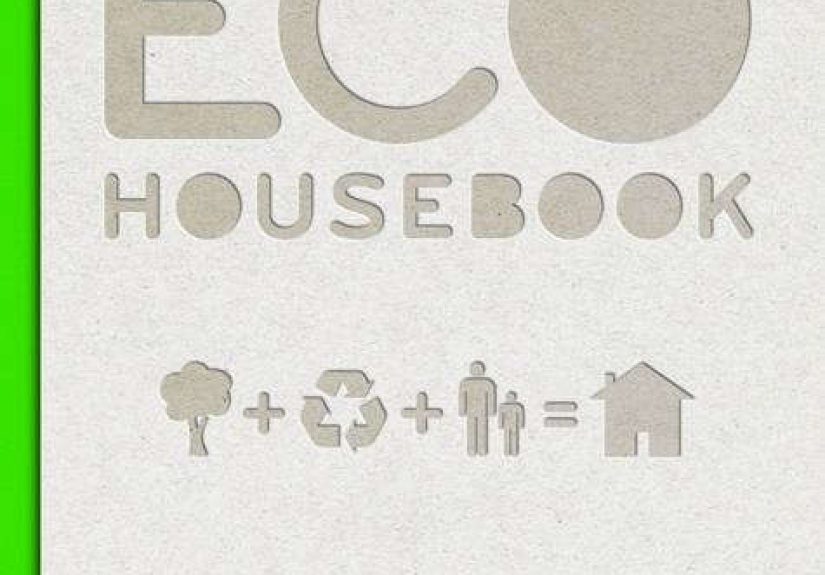
Terence Conran’s Eco House Book is the kind of design book that politely walks into your living room, looks at your drafty windows, your overworked thermostat, your suspiciously thirsty showerhead, and says, “We can do betterbut let’s keep it beautiful.” It is not a gloomy manual about giving up comfort, style, or the occasional glorious lamp. Instead, it is a practical, design-minded guide to making homes greener, healthier, and more pleasant to live in.
First published in 2009 by Conran Octopus, Eco House Book arrived at a moment when sustainable living was moving from niche concern to mainstream conversation. Today, its message feels even more relevant. Energy prices, climate concerns, water conservation, indoor air quality, and smarter remodeling choices are no longer side topics. They are central to how homeowners, renters, designers, and renovators think about the spaces they live in.
The genius of the book is that it connects environmental responsibility with everyday domestic life. Conran does not treat the eco home as a futuristic glass pod on a hill, powered by sunlight and smugness. He focuses on real homes: houses that need better insulation, apartments that could use smarter lighting, kitchens that waste less water, and rooms that can be redesigned with durable materials instead of disposable trends.
Who Was Terence Conran?
Sir Terence Conran was one of the most influential figures in modern home design. He founded Habitat in 1964 and helped bring stylish, practical, contemporary furniture and household goods to a wider audience. His work made good design feel less like a luxury guarded by velvet ropes and more like something that belonged in regular homes, next to the coffee mugs and the slightly chaotic junk drawer.
Conran’s design philosophy was rooted in usability. Beautiful things should work well. Practical things should still have charm. A chair should support you, a kitchen should help you cook, and a house should make daily life easier rather than behaving like a complicated appliance with a mortgage attached.
That background matters because Eco House Book is not written like a technical engineering manual. It is written from the perspective of a designer who understands that people do not fall in love with R-values, low-flow fixtures, or passive solar orientation just because the numbers look responsible. People fall in love with rooms that feel warm, calm, efficient, light-filled, and human.
What Is Terence Conran’s Eco House Book About?
Terence Conran’s Eco House Book is a comprehensive guide to home improvement the environmentally friendly way. It explores how homeowners can reduce a home’s environmental impact through better design choices, improved energy efficiency, water-saving strategies, responsible materials, smarter maintenance, and thoughtful renovation.
The book’s central idea is simple: most homes were not originally designed with sustainability in mind, but that does not mean they are hopeless. You do not have to demolish your house and start over with a roof covered in solar panels and a kitchen counter made from compressed moon dust. Small improvements can matter. So can larger renovations, if they are planned carefully.
The book covers both modest changes and ambitious projects. On one end, it looks at repairs, lighting, insulation, water conservation, furniture, finishes, and household habits. On the other, it discusses redesigning room use, home extensions, conversions, gardens, and energy generation. This makes it useful for a wide range of readers: renters looking for achievable upgrades, homeowners planning renovations, designers seeking inspiration, and anyone who suspects their home is quietly eating money through the attic.
Why the Book Still Matters Today
Although Eco House Book was first published more than a decade ago, its core principles have aged well. In fact, many of its themes now sit at the heart of modern green building: energy efficiency, resource conservation, healthy interiors, adaptive reuse, and low-impact design.
In the United States, residential and commercial buildings account for a major share of total energy use. Homes consume energy for heating, cooling, lighting, water heating, appliances, electronics, cooking, laundry, and all the tiny conveniences we barely notice until the power goes out and the refrigerator begins its dramatic monologue.
That is why the home remains one of the most practical places to act. A greener house is not just a moral statement. It can be more comfortable, less expensive to operate, healthier to live in, and more resilient over time. Conran’s book understands this balance. It does not separate environmental responsibility from good living; it argues that the two belong together.
The Main Themes of Terence Conran’s Eco House Book
1. Energy Efficiency Comes First
One of the strongest messages in the book is that energy efficiency should come before flashy technology. This is still excellent advice. Before adding renewable energy systems, a home should reduce waste. Otherwise, it is like pouring organic soup into a leaky bowl and calling it dinner.
Air sealing, insulation, efficient windows, smart thermostats, high-performance heating and cooling, and low-energy lighting all help reduce unnecessary energy use. Conran’s approach encourages readers to look at the whole house as a system. Heat does not care whether it escapes through the attic, the walls, the windows, or the gap under the door where your cat also judges guests. The house must be understood as one connected environment.
For example, upgrading attic insulation can make rooms more comfortable in both winter and summer. Sealing gaps around windows, plumbing penetrations, electrical outlets, and ductwork can reduce drafts. Replacing inefficient lighting with LEDs cuts electricity use and heat output. These improvements may not photograph as dramatically as a designer staircase, but they can transform how a home feels every day.
2. Water Conservation Is Part of Good Design
Eco House Book also gives attention to water, an area many homeowners overlook until a bill arrives or a leak creates indoor weather. Sustainable homes use water wisely indoors and outdoors.
Low-flow showerheads, efficient faucets, dual-flush or high-efficiency toilets, leak repairs, rainwater collection where appropriate, drought-tolerant landscaping, and smart irrigation can all reduce waste. In many homes, the bathroom and kitchen offer easy opportunities for improvement. Replacing an old showerhead, fixing a running toilet, and using efficient appliances can save water without turning daily life into a survival exercise.
Good water design is also about landscape choices. A garden does not have to behave like a golf course in a desert. Productive gardens, native plants, permeable surfaces, composting, and thoughtful drainage can help a property work with its climate instead of constantly fighting it.
3. Materials Matter More Than Trends
Conran’s design background shines when the book discusses materials. A sustainable home is not only about what powers it. It is also about what it is made from, how long those materials last, where they come from, and whether they can be repaired, reused, or recycled.
Durable materials often have a smaller long-term footprint than trendy, short-lived products. A well-made wooden table that lasts for decades is usually a better environmental choice than a cheap piece that looks fashionable for six months and then begins wobbling like it has heard bad news.
The book encourages readers to think about reclaimed materials, responsibly sourced timber, natural fibers, recycled content, low-VOC paints and finishes, and products that can age gracefully. This is an important point for modern interiors. Sustainable design does not have to look plain or unfinished. It can be warm, layered, elegant, and deeply personal.
4. Indoor Air Quality Is a Design Issue
A greener home should also be a healthier home. Indoor air quality depends on ventilation, moisture control, material choices, cleaning products, combustion safety, and the reduction of pollutants from finishes, furniture, and household items.
Conran’s eco approach fits well with current thinking about healthy interiors. Low-emission paints, natural ventilation where possible, properly designed mechanical ventilation, mold prevention, safe fireplaces and stoves, and careful material selection can all improve comfort and wellness.
This is where eco design becomes very personal. A room can look stunning in a photograph, but if it smells like chemicals, traps moisture, or overheats every afternoon, it is not really good design. A beautiful home should not require its occupants to open a window and negotiate with the sofa fumes.
5. Renovation Beats Wasteful Replacement
One of the most practical lessons of Terence Conran’s Eco House Book is that existing homes can be improved. This is especially important because renovation and reuse often preserve embodied energythe energy already invested in construction, materials, transport, and labor.
Rather than treating an older house as a problem to erase, Conran’s approach asks how it can be upgraded intelligently. Can the layout be improved? Can daylight be used better? Can a basement, attic, or extension be designed with efficiency in mind? Can old materials be salvaged or repurposed?
This mindset is valuable because the greenest choice is not always the newest one. Sometimes it is the repaired floor, the restored cabinet, the reupholstered chair, or the smarter use of a room that already exists.
How the Book Approaches Eco-Friendly Home Improvement
The structure of the book is broad and practical. It looks at environmental problems but quickly moves into solutions. It does not simply say, “Homes use too much energy.” It asks what can be done in real rooms, with real budgets, real habits, and real design constraints.
This makes the book useful as both inspiration and reference. A reader can browse it casually for ideas or use it more seriously while planning a project. The photography and case studies help translate theory into lived spaces. Instead of presenting sustainability as a checklist, the book shows how greener choices can shape the look and feel of a home.
Small Changes for Everyday Homes
For readers not planning a major remodel, the most useful ideas are often the simple ones. These may include sealing drafts, changing lighting, choosing efficient appliances, reducing standby power, using curtains and blinds strategically, repairing leaks, buying fewer but better furnishings, and switching to safer finishes and cleaners.
Small changes are not glamorous, but they are often the most achievable. A tube of caulk will never get invited to a design awards ceremony, but it may do more for comfort than an expensive decorative object that exists mostly to collect dust and intimidate guests.
Bigger Projects for Serious Renovations
For larger projects, the book’s ideas become more architectural. Orientation, daylight, insulation, glazing, ventilation, heating systems, room function, extensions, and garden relationships all matter. A renovation is the ideal time to make deep improvements because walls may already be open, systems may already be changing, and design decisions can be integrated rather than patched on later.
For example, a kitchen extension can be designed to bring in daylight without overheating. A basement conversion can include moisture control and efficient heating. A roof replacement can be paired with insulation upgrades. A bathroom remodel can include water-saving fixtures and better ventilation. When these decisions are made together, the result is more coherent and usually more cost-effective.
What Makes the Book Different from Other Green Design Guides?
Many sustainable building books lean heavily toward either technical performance or architectural theory. Eco House Book stands out because it blends environmental thinking with Conran’s famous eye for lifestyle and interiors. It is not only about how a house performs. It is also about how a house feels.
That distinction matters. People are more likely to maintain eco-friendly habits when the home supports them naturally. A well-designed recycling area is easier to use. A bright, efficient kitchen encourages cooking. A comfortable, insulated room reduces the temptation to crank the heating or cooling. A beautiful garden designed for local conditions is more likely to be cared for than one that behaves like a demanding celebrity.
Conran understood that design influences behavior. The best eco home is not a lecture disguised as a building. It is a home where sustainable choices are built into daily convenience.
Practical Lessons Readers Can Apply
Start with an Energy Audit
Before spending money on upgrades, homeowners should understand where energy is being wasted. A professional energy audit can identify air leaks, insulation gaps, inefficient equipment, duct problems, and moisture issues. This helps prioritize improvements instead of guessing based on whichever room feels most dramatic in January.
Improve the Building Envelope
The building envelopethe roof, walls, windows, doors, and foundationcontrols how much heat enters and leaves. Improving insulation and sealing leaks often produces major comfort benefits. This is the “sweater before space heater” principle, and it remains one of the smartest ideas in home performance.
Choose Efficient Systems
Heating, cooling, and water heating are major energy users. Efficient heat pumps, heat pump water heaters, smart thermostats, and well-designed ventilation can reduce energy use while improving comfort. The best equipment, however, works even better when the home itself is properly sealed and insulated.
Buy Less, Buy Better
Conran’s design philosophy supports a slower, more thoughtful approach to interiors. Instead of chasing fast furniture and seasonal trends, choose durable pieces, repair what can be repaired, and select materials that age well. Sustainability and timeless design are close relatives. They probably sit together at family dinners.
Let the Garden Work Harder
A sustainable home does not stop at the back door. Gardens can support biodiversity, reduce runoff, grow food, provide shade, and create outdoor living spaces that reduce pressure on indoor systems. Trees, pergolas, rain gardens, compost areas, and native plants can all play a role.
Who Should Read Terence Conran’s Eco House Book?
This book is ideal for homeowners planning renovations, interior designers interested in sustainability, architecture students, decorators, green building enthusiasts, and readers who enjoy visually rich design books with practical advice. It is especially useful for people who want their homes to be greener but do not want them to feel cold, clinical, or morally exhausting.
It is also a strong choice for readers who appreciate case studies. Seeing completed eco homes helps make the ideas tangible. Instead of imagining sustainability as a pile of product labels, readers can see how materials, light, structure, furniture, and landscape combine into real living environments.
Limitations of the Book
No book is perfect, not even one with excellent photography and the calm authority of Terence Conran. Some technical recommendations may need updating because building codes, products, energy standards, and incentives have changed since the original publication. Readers should use the book as design inspiration and strategic guidance, then confirm current details with local building professionals, energy auditors, product certifications, and regional climate advice.
The book also reflects a British design perspective, so American readers may need to translate certain terminology and adapt ideas to local materials, construction methods, climate zones, and utility programs. That said, the principles are widely applicable. Insulation still insulates. Leaks still leak. Badly planned rooms still make people sigh loudly.
Why Terence Conran’s Eco House Book Is More Than a Coffee Table Book
At first glance, Eco House Book looks like a handsome design volumethe sort of book that could sit on a coffee table and make visitors believe you always know where your tape measure is. But its value goes beyond appearance. It encourages readers to rethink what home improvement should mean.
Home improvement is often sold as a visual upgrade: new counters, new colors, new furniture, new everything. Conran pushes the conversation deeper. A better home should use fewer resources, cost less to run, support health, last longer, and still feel joyful. That is a richer definition of design.
The book’s lasting appeal is its optimism. It does not scold readers for living in imperfect homes. It says improvement is possible. Start where you are. Make better choices. Respect materials. Reduce waste. Use design intelligently. And yes, keep the room beautiful.
Experiences Related to Terence Conran’s Eco House Book
Reading Terence Conran’s Eco House Book feels a little like walking through a very elegant home with a wise designer who keeps pointing out things you should have noticed years ago. The draft under the door. The light that gets wasted in the hallway. The chair that looked trendy online but now lives in the corner like a guilty secret. The book has a way of making everyday domestic decisions feel connected to something larger without making the reader feel overwhelmed.
One of the most useful experiences inspired by the book is learning to see a house in layers. At first, most people look at a room and notice style: wall color, furniture, flooring, art, and maybe whether the cushions are behaving. Conran’s eco-minded approach asks readers to look deeper. Where does the light come from? How does air move? Is heat being lost? Are the materials durable? Could the room serve multiple purposes? Is there a way to improve comfort before buying another gadget?
That shift changes how home improvement feels. Instead of beginning with shopping, it begins with observation. Spend a weekend noticing how your home actually behaves. Which room overheats? Which window creates glare? Where do shoes pile up? Which faucet drips? Which lamp is always on because the room has poor natural light? This kind of observation is not expensive, but it is powerful. It turns sustainability from an abstract ideal into a practical household habit.
Another valuable experience is realizing that eco-friendly design does not require a total personality change. You do not have to become the kind of person who says “thermal bridge” at dinner parties, although no judgment if you do. You can start with simple decisions: repair before replacing, choose natural materials when possible, buy furniture that will last, improve insulation, switch to efficient lighting, reduce water waste, and make rooms easier to use. These choices may seem modest, but together they create a home that feels calmer and more intentional.
The book also encourages a healthier relationship with renovation. Many homeowners rush into cosmetic upgrades because they are visible and exciting. New tile is fun. Air sealing is not usually featured in glossy reveal photos. But after living with the results, performance improvements often matter more. A room that stays warm, quiet, dry, and well-lit is a daily luxury. It may not get applause on social media, but it improves life every morning.
Perhaps the best experience connected with Eco House Book is the sense of permission it gives readers to combine beauty and responsibility. Too often, sustainable design is presented as a sacrifice: less comfort, less style, less pleasure. Conran’s work argues the opposite. A thoughtful eco home can be more comfortable, more personal, and more beautiful because every choice has purpose. The home becomes less cluttered with impulse decisions and more shaped by care.
For anyone planning a remodel, the book offers a useful mindset: do not simply ask, “How do I make this look better?” Ask, “How do I make this work better for the next ten, twenty, or thirty years?” That question changes everything. It leads to stronger materials, better energy decisions, healthier interiors, and spaces that age gracefully. In a world full of quick fixes, that kind of long-term thinking feels quietly radicaland very Conran.
Conclusion
Terence Conran’s Eco House Book remains a valuable guide because it treats sustainability as part of good design, not as a separate checklist taped awkwardly to the refrigerator. It shows that greener homes can be stylish, comfortable, practical, and deeply livable. From insulation and energy efficiency to water conservation, healthy materials, gardens, and thoughtful renovation, the book offers a broad vision of what responsible home improvement can be.
Its greatest strength is its balance. It respects environmental urgency without draining the joy from domestic life. It encourages action without demanding perfection. It reminds readers that every home contains opportunities: a leak to fix, a room to rethink, a material to choose more carefully, a garden to make more useful, a habit to improve.
For homeowners, designers, and readers who want a more sustainable home without surrendering warmth, beauty, and personality, Eco House Book is still worth reading. It is not just about building an eco house. It is about building a better relationship with the place you already call home.