Table of Contents >> Show >> Hide
- What Telemedicine Actually Means
- Why Telemedicine Keeps Growing
- 1. It saves time in ways patients actually feel
- 2. It expands access to care, especially where distance is a problem
- 3. It works surprisingly well for chronic condition management
- 4. It makes behavioral health more reachable
- 5. It can improve convenience without making care feel impersonal
- 6. It can lower indirect healthcare costs
- Where Telemedicine Works Best
- Where In-Person Care Still Wins
- The Biggest Challenges Telemedicine Still Faces
- How Patients Can Get More Out of a Virtual Visit
- The Future of Virtual Healthcare
- Conclusion
- Experiences With Virtual Healthcare: What It Feels Like in Real Life
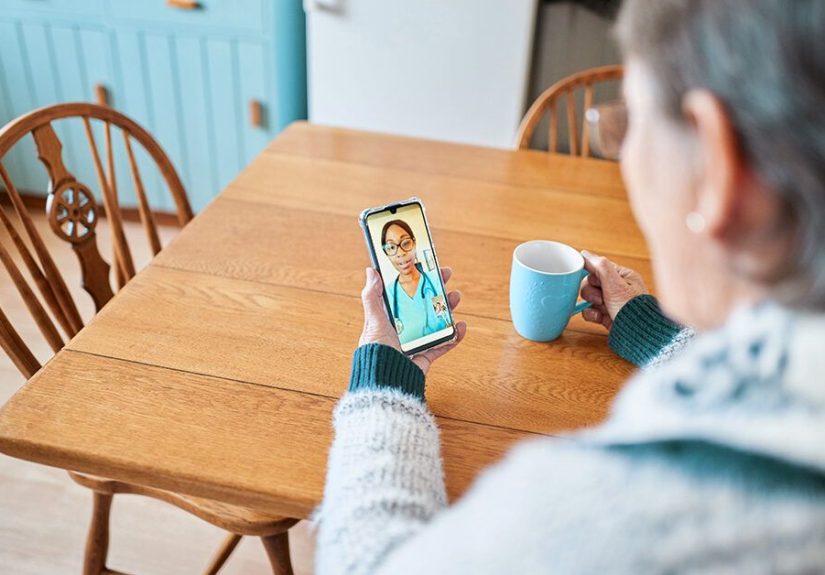
Healthcare used to have a very specific dress code: shoes on, keys in hand, paperwork half-lost in the car, and a waiting room chair that somehow felt both too soft and too judgmental. Telemedicine changed that routine. Instead of turning every doctor visit into a mini expedition, virtual healthcare lets patients connect with providers by video, phone, secure messaging, and remote monitoring tools from almost anywhere.
That shift is not just about convenience, although skipping traffic deserves its own award. Telemedicine has become a meaningful part of modern care because it can improve access, support chronic disease management, make follow-up care easier, and help patients stay connected to specialists who may be hundreds of miles away. It is not a magic wand and it cannot replace every exam, test, or emergency visit. But when used for the right reasons, telemedicine makes healthcare more flexible, more responsive, and, in many cases, more human.
What Telemedicine Actually Means
People often use telemedicine and telehealth like twins wearing the same outfit. They are closely related, but telemedicine usually refers to clinical care delivered remotely, while telehealth can also include broader services such as patient education, care coordination, digital follow-up, and remote patient monitoring. In plain English, virtual healthcare can include a live video visit with your primary care doctor, a phone check-in with a behavioral health provider, secure messages about test results, or a home blood pressure cuff that sends readings to your care team.
That range matters because the benefits of telemedicine are not limited to one flashy video call. Virtual healthcare works best when it acts like a connected system. A patient may message a nurse, upload blood sugar readings, review lab work with a doctor, and schedule a follow-up visit without ever repeating the same story to six different people. That kind of continuity is where digital care starts to feel less like a temporary workaround and more like a better-designed front door to healthcare.
Why Telemedicine Keeps Growing
1. It saves time in ways patients actually feel
One of the clearest telemedicine benefits is time. A traditional appointment can quietly eat half a day when you add commute time, parking, childcare, waiting, and the awkward moment when you realize the visit itself lasted 14 minutes. Virtual care cuts much of that extra friction. Patients can check in from home, the office, or even a parked car during a lunch break. For working adults, parents, caregivers, older patients, and people with limited mobility, that is not a luxury. It is access.
Time savings also affect whether patients keep appointments in the first place. When care becomes easier to fit into everyday life, missed visits can decrease. That matters for routine follow-ups, medication checks, and chronic disease monitoring, where small delays can turn into larger problems.
2. It expands access to care, especially where distance is a problem
Virtual healthcare helps reduce one of medicine’s oldest problems: geography. Patients in rural communities or medically underserved areas may not have easy access to specialists, behavioral health providers, or even timely primary care. Telemedicine can bridge some of that gap by connecting local patients with clinicians in other cities or health systems.
This is especially valuable for specialty care. A person with a complicated heart condition, diabetes, asthma, chronic pain, or a neurological disorder may not need to travel hours for every single touchpoint. Some evaluations still need hands-on testing, of course, but many follow-up conversations, medication reviews, symptom updates, and treatment-planning visits can happen remotely. That can keep care moving instead of leaving it stalled in a scheduling bottleneck.
3. It works surprisingly well for chronic condition management
Telemedicine shines when healthcare is not a one-time event but an ongoing relationship. Chronic conditions such as hypertension, diabetes, heart disease, asthma, and COPD often require repeated check-ins, lifestyle coaching, medication adjustments, and regular monitoring. That is where telehealth tools become more than convenient. They become practical.
A patient with high blood pressure can log readings at home and review trends with a clinician. A person with diabetes can discuss blood sugar patterns without waiting months for an in-person slot. Someone recovering from a flare-up of asthma can check in early, before symptoms escalate. Remote patient monitoring can also help providers spot concerning changes faster, which may reduce avoidable complications and help patients feel more in control of their care.
There is another advantage here: home-based data can be more useful than clinic-only data. Blood pressure measured in a noisy office after a chaotic commute is not always the truest picture of daily health. A series of readings collected at home may tell a fuller story, and that story can lead to smarter treatment decisions.
4. It makes behavioral health more reachable
Mental health care is one of the areas where virtual doctor visits often feel especially natural. Therapy, psychiatry follow-ups, medication management, and counseling do not usually require a stethoscope, a waiting room, or a paper gown that opens at exactly the wrong place. They require privacy, consistency, and a good conversation.
For many patients, telemedicine lowers barriers to getting that care. It can feel easier to schedule, less intimidating to attend, and more comfortable to access from a familiar environment. Parents may find it easier to fit pediatric behavioral health visits into a full week. Adults with anxiety or depression may be more willing to start care when the first step does not involve traveling to a clinic. That does not mean virtual care is perfect for every mental health situation, but it has clearly expanded the ways people can stay connected to support.
5. It can improve convenience without making care feel impersonal
Some people still imagine telemedicine as cold, rushed, or robotic, like healthcare got trapped inside a customer service pop-up window. In reality, a well-run telehealth visit can feel focused and personal. Patients are often more relaxed at home. Providers may be able to spend less energy on room turnover and more on the conversation itself. Family members or care partners can sometimes join more easily from another location, which helps when discussing treatment plans or follow-up instructions.
In some cases, virtual care even gives clinicians useful context they would never get in an exam room. They may notice how a patient organizes medications at home, whether mobility looks difficult in the living space, or how a caregiver interacts with the patient. That kind of real-world window can make care planning more realistic.
6. It can lower indirect healthcare costs
Even when the medical bill is similar, telemedicine often lowers the nonmedical cost of getting care. Patients may save on transportation, parking, gas, missed work, public transit, or paid caregiving. Those savings are easy to overlook if you only study the claim form, but patients feel them immediately. For families already juggling tight budgets and tighter schedules, that difference matters.
There is also a system-level benefit. When telemedicine is used appropriately, it can help clinics use in-person space more efficiently, reserve office visits for patients who truly need hands-on exams, and make follow-up care easier to deliver. In other words, virtual care does not just help patients get in the door. It can help healthcare organizations manage that door better.
Where Telemedicine Works Best
Telemedicine is not ideal for every health concern, but it is a strong fit for many common situations. These include:
- Medication management and refill discussions
- Reviewing lab results, imaging reports, and treatment plans
- Behavioral health visits, therapy, and counseling
- Chronic disease check-ins for diabetes, hypertension, or asthma
- Minor urgent issues such as rashes, headaches, colds, or stomach bugs
- Post-surgery or post-hospital follow-up when hands-on exams are not needed
- Nutrition counseling, physical therapy guidance, and lifestyle coaching
- Second opinions and specialist consultations
For these types of visits, online doctor visits can make care more timely and less disruptive. They are especially useful when the goal is conversation, coaching, monitoring, or decision-making rather than a procedure.
Where In-Person Care Still Wins
As useful as telemedicine is, it does have limits. Some healthcare needs require physical exams, hands-on testing, imaging, bloodwork, vaccines, procedures, or emergency intervention. Chest pain, severe shortness of breath, signs of stroke, major injuries, uncontrolled bleeding, or sudden neurological symptoms are not moments for a casual video call and crossed fingers.
There is also a diagnostic reality check. A provider cannot listen to lungs through a laptop, palpate an abdomen over Wi-Fi, or stitch a wound with a secure message. Virtual care works best when everyone is honest about what it can and cannot do. The smartest model is not virtual-only or in-person-only. It is hybrid care, where each visit happens in the format that makes the most clinical sense.
The Biggest Challenges Telemedicine Still Faces
If telemedicine is so helpful, why is it not effortless for everyone? Because healthcare and technology both have a talent for making simple things occasionally weird.
The first challenge is the digital divide. Not every patient has reliable internet, a good device, a private place to talk, or comfort using apps and portals. Older adults, lower-income households, rural communities, and patients with limited digital literacy may face real barriers. Audio-only options can help in some cases, but they do not solve every problem.
The second challenge is care fragmentation. If a patient uses one telehealth platform for urgent care, another for therapy, and a third for primary care, important details can slip through the cracks. The most effective virtual care is usually connected to an ongoing medical home, not floating around the internet like a medical food truck.
The third challenge is coverage and workflow. Insurance coverage for telemedicine has expanded, but benefits still vary by plan, provider network, and state rules. Patients need to check what is covered, and health systems need good scheduling, documentation, privacy practices, and follow-up processes. Great telemedicine depends on more than a camera. It depends on design.
How Patients Can Get More Out of a Virtual Visit
A telehealth appointment usually goes better when patients treat it like real medical care instead of an accidental FaceTime call from the grocery store. That means testing the device, choosing a quiet and private location, writing down symptoms and questions ahead of time, and having medication names nearby. Good lighting helps. So does not balancing the phone against a cereal box.
Patients should also know when to escalate. If a provider says, “You need to come in,” that is not telemedicine failing. That is telemedicine doing its job by triaging the next step correctly. The goal is not to force every concern into a virtual box. The goal is to get the right care in the right setting as quickly as possible.
The Future of Virtual Healthcare
The future of telemedicine is less about novelty and more about normalcy. Virtual care is becoming another standard lane in healthcare delivery, alongside office visits, urgent care, remote monitoring, home-based services, and specialty referrals. That evolution is especially important as health systems try to manage clinician shortages, aging populations, rising chronic disease rates, and patient demand for more flexible care.
Expect telemedicine to keep growing in a few major directions: better remote monitoring, smoother integration with patient portals, stronger specialist access, more digital tools for chronic disease prevention, and broader use in behavioral health. The best version of this future is not healthcare that becomes less personal. It is healthcare that becomes easier to reach, easier to follow, and easier to fit into real life.
Conclusion
Telemedicine: the benefits of virtual healthcare can be summed up in one big idea: better access with less friction. Virtual care saves time, expands specialist access, supports chronic disease management, improves follow-up, and brings behavioral health within easier reach. It also helps many patients avoid the unnecessary stress, cost, and inconvenience tied to traditional visits.
Still, telemedicine works best when it is used wisely. It is not a replacement for emergency care, hands-on exams, or every type of diagnosis. But as part of a hybrid model, it can make healthcare more connected, more efficient, and more patient-friendly. In a world where people expect banking, shopping, and education to meet them where they are, it only makes sense that healthcare has finally started doing the same.
Experiences With Virtual Healthcare: What It Feels Like in Real Life
One reason telemedicine has remained popular is that the experience often solves everyday problems that have nothing to do with medicine itself. Consider the parent of a child with a mild rash. In the old model, that parent might leave work early, pick up the child from school, sit in traffic, wait at a clinic, and spend more time in the waiting room than with the clinician. In a virtual setting, that same parent may upload a photo, join a short video visit, get guidance, and return to the rest of the day with less disruption and less panic. The health issue may be small, but the relief feels huge.
Patients managing chronic disease often describe a different kind of benefit: momentum. A person with diabetes, for example, may feel more supported when check-ins happen more regularly and with less effort. Instead of waiting for a far-off office visit, they can review blood sugar trends, discuss medication side effects, and adjust goals while the information is still fresh. The visit becomes part of life instead of a separate event that requires planning, transportation, and lost time. That rhythm can make self-management feel more realistic and less overwhelming.
Behavioral health experiences are often even more personal. Some patients report that they are more comfortable talking from home, where they feel safer and less rushed. Teens, busy adults, and caregivers may find it easier to show up consistently when the appointment is only a few clicks away. For clinicians, that consistency matters. Missed therapy sessions or delayed psychiatric follow-ups can interrupt progress. Virtual care can reduce that drop-off and make support easier to sustain over weeks and months.
Older adults and patients with mobility issues often experience telemedicine as freedom. A virtual follow-up can eliminate the physical strain of getting dressed, arranging transportation, navigating elevators, or sitting in a crowded office. Care partners benefit too. A daughter in another city can join a video visit for part of the conversation, hear the plan directly, and help coordinate next steps. That shared access can improve understanding and reduce the classic family text thread that starts with, “Wait, what did the doctor say?”
Clinicians also see a practical upside. Virtual visits can make follow-up easier after surgery, after hospital discharge, or after a medication change. They can check whether a patient is improving, clarify instructions, review warning signs, and catch problems early. In some cases, being able to see a patient’s home environment adds useful context. Are medications organized? Is the patient moving safely? Is there enough support at home? Those details can influence care just as much as a blood pressure reading.
Of course, not every telemedicine experience is flawless. Technology freezes, microphones rebel, internet connections wobble, and someone always seems to forget where the camera is. But even with those hiccups, many patients decide the trade-off is worth it. When virtual care is thoughtfully delivered, it does not feel like second-best medicine. It feels like healthcare that finally noticed people have jobs, kids, aging parents, long drives, limited energy, and actual lives.