Table of Contents >> Show >> Hide
Some kitchen moves look wildly dramatic but are secretly practical. Scoring meat is one of them. A cook makes a few shallow cuts with a sharp knife, suddenly the meat looks restaurant-ready, and everyone in the room assumes serious culinary wizardry is underway. The truth is much simpler and much more useful: scoring is a small technique that can make a noticeable difference in texture, flavor, browning, and even how evenly meat cooks.
Whether you are prepping a glossy holiday ham, a duck breast with crackly skin, a pork roast with a fat cap, or a fish fillet that loves to curl like it is auditioning for a gymnastics team, scoring gives you more control. It can help fat render, seasoning cling, glaze settle into the surface, and heat move where you want it to go. Done well, it is smart. Done badly, it is basically accidental over-trimming with a side of regret.
This guide breaks down exactly what scoring meat means, why cooks do it, which meats benefit most, how deep to cut, what mistakes to avoid, and when you should leave your knife alone. If you have ever looked at a crosshatched ham or duck breast and thought, “That seems fancy,” good news: fancy is often just a series of shallow diagonal cuts and confidence.
What Does It Mean to Score Meat?
Scoring meat means making shallow, deliberate cuts across the surface before cooking. Those cuts may go through skin, fat, or the outer layer of flesh, depending on the ingredient and the goal. The pattern can be parallel lines, diagonal slashes, or the classic crosshatch diamond pattern that makes a roast look like it has its life together.
The key word is shallow. Scoring is not slicing the meat into portions, and it is not hacking away like you are starring in a cooking show called Knife Problems. The purpose is to change the surface behavior of the meat without ruining its structure.
On duck breast, scoring usually cuts through the skin and fat but stops before the flesh. On ham, scoring often marks the outer fat in diamonds so glaze can catch in the grooves. On pork with skin or rind, scoring can help the fat render and the outer layer crisp. On fish, shallow slashes in the skin can prevent curling. On tougher cuts like flank steak, light scoring can also help marinades penetrate and make the bite a little easier.
Why Score Meat in the First Place?
1. It Helps Fat Render More Efficiently
This is the big one. Thick surface fat does not always melt evenly if left untouched. On duck breast, pork skin, or a roast with a generous fat cap, scoring gives the fat more escape routes. Instead of sitting stubbornly under the skin like a puffy winter coat, it can slowly melt out during cooking.
That matters because rendered fat changes everything. The skin crisps more beautifully. The mouthfeel improves. The meat tastes richer without being greasy. And you get fewer bites where the texture says “luxury” but the chewing experience says “rubber raincoat.”
Duck is the classic example. A scored duck breast can release fat gradually as it cooks skin-side down, which is exactly what you want if your dream dinner includes crisp skin and tender meat instead of a pale flap floating on a layer of warm fat.
2. It Encourages Better Browning and Crisping
Scoring increases the amount of exposed surface area. More exposed surface means more places for heat to do its job. That can improve browning, support crisper edges, and create more of the savory, roasted flavor people chase when they sear meat properly.
On pork rind or duck skin, the visual payoff is obvious. On roasts and hams, the surface becomes more textured and caramelized. A scored exterior is also more likely to develop those little ridges and valleys that turn golden, glossy, and incredibly hard to resist while standing in front of the oven “just checking.”
3. It Gives Seasoning and Glaze Somewhere to Go
Salt, pepper, spice rubs, herb pastes, and glazes love structure. A smooth, intact layer of fat can act like a raincoat, causing seasoning to sit on top without much contact. Scoring creates grooves that hold flavor where it matters.
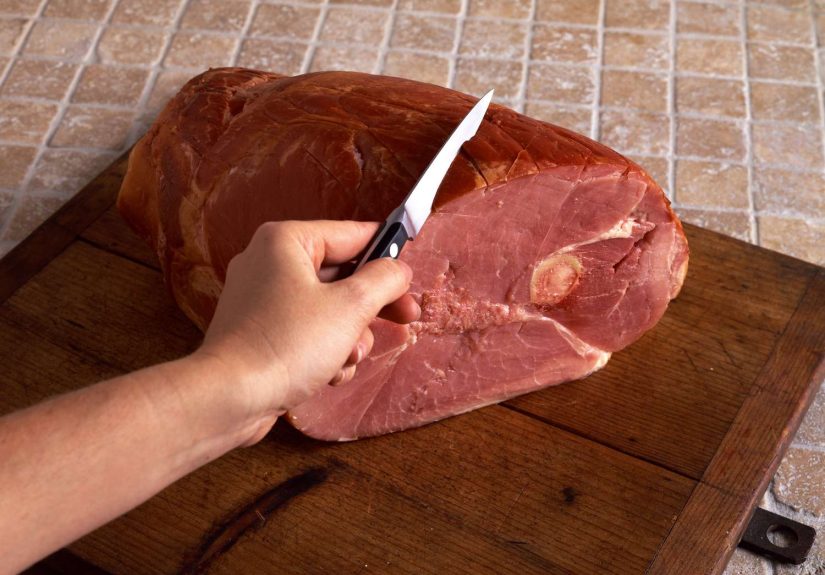
This is especially useful with ham. A diamond-scored ham is not just a holiday cliché. The cuts help glaze settle into the surface so you get more flavor in each slice, more caramelization on the outside, and a better balance between salty meat and sweet, sticky finish. The same principle works for pork loin with a fat cap, porchetta-style roasts, and other cuts where fat sits on the outside like a delicious barrier.
4. It Can Reduce Curling and Warping
Some proteins tighten dramatically when heat hits them. Fish fillets with skin are notorious for curling in the pan. Duck skin can pull and warp as fat renders. Pork skin can bubble unevenly. A few shallow cuts help relieve that tension.
Think of scoring as giving the surface a controlled way to expand and contract. Instead of pulling the whole piece into a lopsided arch, the meat stays flatter and cooks more evenly. That means better pan contact, better browning, and fewer moments of trying to press a rebellious fillet down with a spatula while pretending everything is fine.
5. It Can Help Heat Reach the Interior More Evenly
Scoring is not only about fat and looks. In some cases, it improves how heat moves through the ingredient. Whole fish, squid, and certain organ meats are often scored so the interior cooks more evenly without overcooking the outside. The cuts create thinner points and more pathways for heat to travel.
This is why you sometimes see crosshatching on squid tubes or shallow cuts on whole fish before grilling. The technique is practical, not decorative. The better the heat penetration, the less likely you are to get an exterior that is done and an interior that still needs a conversation.
6. It Can Improve Texture in Certain Cuts
Lean, fibrous cuts such as flank steak can benefit from light scoring when the goal is tenderness and marinade absorption. The cuts interrupt some of the long muscle fibers and give the marinade more contact with the meat. This is not a miracle cure for toughness, but it can help, especially when paired with proper slicing against the grain after cooking.
That said, scoring lean meat too aggressively can backfire. Cut too deep and you lose juices, structure, and dignity. The goal is strategic surface work, not turning a steak into a notebook page.
Which Meats Benefit Most from Scoring?
Duck Breast
Probably the gold standard. Score the skin and fat in a crosshatch pattern, avoiding the flesh. This helps the fat render, supports crisp skin, and keeps the breast from tightening unevenly in the pan.
Ham
Perfect for diamond scoring across the outer fat. The cuts hold glaze, improve presentation, and encourage caramelization. If your holiday table needs a centerpiece with shiny main-character energy, this is it.
Pork Belly, Pork Shoulder, and Pork Loin with Fat Cap
Scoring helps fat render and can encourage a crisp, crackly exterior. It also allows dry brines and seasoning to work into the surface more effectively.
Fish Fillets and Whole Fish
Score the skin lightly to prevent curling. Whole fish may be scored more deeply so heat reaches the center faster and seasoning gets into the flesh.
Squid and Certain Offal Cuts
Crosshatching squid or similar proteins can help them cook more evenly and create a nicer texture. It also looks impressive, which never hurts when dinner guests are nearby.
Flank Steak and Similar Cuts
Light scoring can help marinades penetrate and make fibrous cuts easier to chew, especially when combined with proper cooking and slicing.
How to Score Meat Correctly
Use the Right Knife
A sharp knife is essential. A dull knife slips, tears the surface, and turns a simple prep step into a muttered life lesson. A small chef’s knife or paring knife usually works well, depending on the cut.
Pat the Surface Dry First
Dry meat is easier to score accurately. Moisture makes the knife skid, especially on duck skin and fatty pork. Paper towels are not glamorous, but they are very effective.
Know How Deep to Cut
This is the part that separates “good technique” from “why is my roast leaking?” On duck and pork skin, cut through the skin and into the fat, but do not slash into the flesh. On ham, score the outer fat shallowly. On fish, make light cuts in the skin. On tougher lean cuts, keep the scoring delicate and controlled.
Choose a Pattern That Matches the Goal
Crosshatch scoring is popular because it distributes tension evenly, looks neat, and creates lots of little pockets for browning and glaze. Parallel lines are also useful, especially on fish skin or when you want a simpler approach.
Space the Cuts Evenly
Even spacing helps the meat cook and render consistently. Wildly random cuts produce wildly random results. This is a technique, not abstract expressionism.
Season After Scoring
Once the cuts are made, add salt, rub, or glaze. That way the flavor settles into the grooves instead of sliding off the surface like it missed the exit.
Common Mistakes to Avoid
Cutting too deep: This is the most common error. Deep cuts can dry the meat, cause uneven cooking, and ruin the texture.
Scoring the wrong cuts: Not every piece of meat needs it. Tender, lean cuts without skin or a fat cap often gain very little from scoring and may be better left alone.
Using a dull knife: A ragged tear is not the same as a clean score. Clean cuts matter.
Skipping food safety: After scoring raw meat, wash the knife, cutting board, and surrounding surfaces thoroughly. Raw meat juices should not get a free tour of your kitchen.
Assuming scoring fixes everything: Scoring helps, but it does not replace correct heat, proper resting, careful slicing, or basic common sense.
When You Should Not Score Meat
If a cut is already very tender and lean, scoring may do more harm than good. Filet mignon does not need decorative knife marks to prove it is expensive. Thin cutlets may simply dry out. Delicate meat that will cook quickly often benefits more from leaving the surface intact.
You should also skip aggressive scoring when you are uncertain where the fat ends and the flesh begins. In that case, a lighter touch is smarter than enthusiastic guessing.
Practical Examples of Scoring in Action
Duck breast: Score in a tight crosshatch, season, then start skin-side down in a pan. The fat slowly renders, the skin crisps, and dinner feels suspiciously upscale.
Holiday ham: Score the fat into diamonds, brush with glaze during the last stage of roasting, and watch the grooves turn glossy and caramelized. Bonus points if relatives gasp slightly when it hits the table.
Pork roast: Score the skin or fat cap, salt well, and roast. The cuts help the surface render and can create a crackly crust that people will absolutely fight over.
Skin-on fish fillet: Make a few shallow slashes in the skin before pan-cooking. The fillet stays flatter, browns more evenly, and stops acting like it is trying to escape the skillet.
Flank steak: Lightly score, marinate, grill or broil, and slice against the grain. The meat is easier to chew and better able to hold flavor.
Kitchen Experiences That Make Scoring Finally Click
One of the fastest ways to understand scoring is to cook the same type of meat twice, once scored and once not. The difference is often not subtle. An unscored duck breast can come out with nice color but a thick layer of rubbery fat under the skin. Score that same breast carefully, and suddenly the skin shatters when your knife hits it, the fat has largely melted away, and the whole thing tastes more balanced. It is one of those moments that makes you feel smarter than you were twenty minutes earlier.
Ham tells a similar story. The first time many home cooks score a ham, it seems almost decorative, like putting a bow tie on dinner. Then it comes out of the oven, and the glaze has settled into every diamond, darkened at the edges, and built a sticky outer layer that tastes better than it has any right to. Slice into it, and the outside pieces have a little extra sweetness, a little more texture, and a lot more personality. Suddenly scoring stops looking optional.
Pork roasts can be even more dramatic. Anyone who has ever tried to get crisp crackling on an unscored pork skin knows the heartbreak of patchy browning and chewy sections that refuse to cooperate. But when the skin is scored properly, the fat renders more evenly, steam escapes more effectively, and the crust has a fighting chance of becoming blistered and crisp. It is still cooking, not wizardry, but it feels close.
Fish offers another kind of lesson. If you have placed a skin-on fillet in a hot pan and watched the edges curl upward like a leaf in a campfire, you already understand why a few shallow cuts matter. Scoring the skin reduces that dramatic tightening. The fillet lies flatter, makes better contact with the pan, and browns where you actually want it browned. That means fewer broken spatula rescues and a much prettier final plate.
Then there is the confidence factor. Scoring gives cooks a stronger sense of control. It slows you down just enough to look at the structure of the meat: where the fat sits, how thick the skin is, where the grain runs, and what the heat is likely to do. That observation alone improves cooking. You stop treating meat like an anonymous ingredient and start treating it like a material with texture, tension, and behavior.
There is also a small but satisfying psychological benefit. A neatly scored roast looks intentional. It looks cared for. It looks like someone in the kitchen knows what they are doing, even if that someone still has to double-check oven settings every single time. Presentation is not the main reason to score meat, but it is a very nice side effect.
In real home kitchens, scoring is often the difference between “pretty good” and “why is this so much better than last time?” It will not rescue poor-quality meat or fix careless cooking, but it can absolutely improve texture, flavor, and appearance with very little effort. That is what makes it such a valuable technique. It is small, practical, repeatable, and quietly powerful. In other words, it is the culinary equivalent of learning where the good light is in your house and suddenly taking better photos forever.
Conclusion
Scoring meat is one of those classic cooking techniques that earns its keep. It helps fat render, supports better browning, holds seasoning and glaze, reduces curling, and can improve texture in certain cuts. Most importantly, it gives the cook more control over the final result. That is why it shows up everywhere from restaurant duck breasts to holiday hams to weeknight fish fillets.
If you remember only one rule, make it this: score with purpose, not enthusiasm. Use a sharp knife, keep the cuts shallow, match the technique to the type of meat, and let the pattern serve the cooking goal. Do that, and scoring stops being a fancy-looking extra and becomes what it really is: a simple, smart move that makes meat cook better and taste better.