Table of Contents >> Show >> Hide
- Sweet potato 101 (and why “yams” usually aren’t yams)
- Nutritional information: what’s in a medium baked sweet potato?
- Health benefits of sweet potatoes (the useful, evidence-based stuff)
- How cooking affects sweet potato nutrition
- Are sweet potatoes healthy for everyone? Important caveats
- How to eat sweet potatoes more often (without turning them into sugar bombs)
- Selection and storage tips (so they don’t rot in your pantry like a tiny orange guilt trip)
- Real-life experiences with sweet potatoes (the practical, “what people notice” section)
- The “I swapped fries and didn’t hate it” experience
- The meal-prep win: “These cubes saved my week”
- The blood sugar learning curve (and the “aha” moment)
- The “sweet craving emergency kit”
- The digestion feedback (a polite way of saying: your gut has opinions)
- The “I finally learned to stop ruining them” realization
- Conclusion
Sweet potatoes are the rare food that can pull double duty: they taste like dessert, but their nutrition label reads like a responsible adult.
Whether you roast them until caramelized, mash them into something cozy, or cube them for meal prep, sweet potatoes can be a genuinely smart stapleif you know what you’re getting (and what you’re adding on top).
Below is an in-depth, practical guide to sweet potato nutrition, evidence-backed health benefits, and a few “good to know” caveatsespecially for people watching blood sugar, potassium, or kidney stone risk.
Sweet potato 101 (and why “yams” usually aren’t yams)
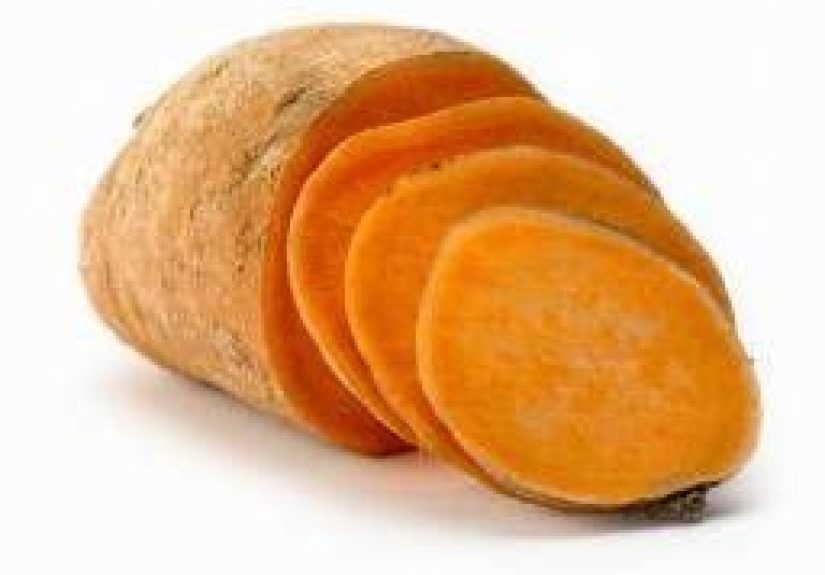
A sweet potato is a starchy root vegetable in the morning glory familyso it’s not closely related to the regular white potato (a nightshade).
And about those “yams” you see at the grocery store? In the United States, the label is often used interchangeably with sweet potatoes, even though true yams are a different plant entirely.
Translation: if your “yam” has orange flesh and a sweet, mellow flavor, it’s almost certainly a sweet potato wearing a nickname.
What makes sweet potatoes different from regular potatoes?
- Color nutrients: Orange varieties are rich in beta-carotene (a vitamin A precursor). Purple varieties are richer in anthocyanins (pigments with antioxidant activity).
- Flavor profile: Natural sweetness increases with cookingespecially roastingbecause heat helps starches break down into simpler sugars.
- How we tend to eat them: Many people portion sweet potatoes more moderately than white potatoes, but preparation still matters a lot (hello, deep-fried anything).
Nutritional information: what’s in a medium baked sweet potato?
Nutrition varies by size, variety, and cooking method. For a real-world reference point, here’s a medium sweet potato baked in the skin with no salt added.
Think of it as the “plain jeans and a T-shirt” versionsimple, reliable, and easy to dress up without going off the rails.
Nutrient snapshot (1 medium baked sweet potato, skin-on)
| Nutrient | Approx. amount | Why it matters |
|---|---|---|
| Calories | ~103 kcal | Energy without much fat; toppings can change this fast. |
| Carbohydrates | ~23.6 g | Main fuel source; includes starch + natural sugars. |
| Fiber | ~3.8 g | Supports digestion, fullness, and steadier blood sugar. |
| Protein | ~2.3 g | Not high, but contributesespecially in meals with beans, yogurt, eggs, or fish. |
| Potassium | ~542 mg | Helps counterbalance sodium and supports healthy blood pressure. |
| Vitamin A (from beta-carotene) | Very high (beta-carotene-rich) | Key for vision, immunity, and cell growth. |
| Vitamin C | ~22 mg | Supports immune function and collagen formation. |
| Vitamin B6 | ~0.33 mg | Important for metabolism and brain-related functions. |
| Manganese | ~0.57 mg | Involved in antioxidant enzymes and metabolism. |
One quick reality check: the FDA Daily Value (DV) for potassium is 4,700 mg/day and for fiber is 28 g/day.
That means a medium baked sweet potato can make a meaningful dent in bothwithout asking you to chew bark or drink kale perfume.
Health benefits of sweet potatoes (the useful, evidence-based stuff)
1) Vision and immune support (thanks, vitamin A)
Sweet potatoes are famous for beta-carotene, which your body can convert into vitamin A.
Vitamin A plays a central role in normal vision and immune function, and it also supports growth and development.
Orange-fleshed sweet potatoes are especially notable herethis is their “superpower,” and it’s not just marketing.
Practical example: if you’re building a winter meal plan (aka cold-and-flu season), pairing baked sweet potatoes with a protein and a fat source
(like salmon, eggs, olive oil, or yogurt) is a simple way to support nutrient absorption and keep meals satisfying.
2) Gut health, regularity, and “I’m full” energy (fiber)
Sweet potatoes contain dietary fiber, and fiber earns its reputation because it helps in multiple ways:
digestive health and regularity, better blood sugar control, cholesterol support, and feeling full longer.
Fiber also feeds beneficial gut microbesone reason high-fiber eating patterns are consistently associated with better long-term health.
A small but powerful detail: keeping the skin on (after a good scrub) can boost the fiber contribution.
This is the easiest nutrition “upgrade” that costs exactly $0 and about 12 seconds of effort.
3) Blood sugar management: sweet potatoes can fitstrategy matters
Sweet potatoes are a carbohydrate food, so they will raise blood sugar to some degreeespecially in larger portions.
But the way you cook and combine them can influence the glycemic impact.
Boiled sweet potatoes are often discussed as having a gentler effect on blood sugar than roasted or fried versions,
and fiber (plus adding protein and fat) can help slow digestion and smooth out the rise.
If you have diabetes or prediabetes, you don’t need to “fear” sweet potatoesjust treat them like any other carb:
watch portion size, choose nutrient-dense preparations, and build balanced plates.
For example:
- More blood-sugar friendly plate: boiled or steamed sweet potato + grilled chicken/tempeh + non-starchy veggies + olive oil/lemon dressing
- Less friendly plate: sweet potato fries + sugary dipping sauce + soda (your pancreas would like to file a complaint)
4) Heart and blood pressure support (potassium + fiber)
Potassium helps reduce the effects of sodium and supports blood vessel function, which is why potassium-rich foods are often recommended as part of a heart-healthy eating pattern.
Sweet potatoes contribute potassium, and the American Heart Association notes that potassium-rich foods can help manage high blood pressureespecially when paired with overall sodium reduction.
Fiber also supports heart health by helping improve cholesterol profiles and supporting weight management.
Sweet potatoes won’t “fix” a heart-healthy lifestyle by themselves, but they fit nicely inside one.
5) Antioxidants: orange, purple, and the “eat the rainbow” angle
“Antioxidants” can sound like a buzzword, but here’s the grounded version:
sweet potatoes contain compounds (like beta-carotene in orange varieties and anthocyanins in purple varieties)
that help protect cells from oxidative stress in lab settings and are being researched for potential roles in health and disease prevention.
Different colors bring different phytochemicals, which is why rotating varieties is a smart (and honestly more fun) move.
How cooking affects sweet potato nutrition
Boiling and steaming
Boiling has a surprising reputation boost: some evidence-based nutrition sources note that boiling may retain more beta-carotene
and make it more absorbable than other methods, especially when cook time is controlled.
Cooking with the skin on can also help reduce nutrient loss.
Bonus: boiled sweet potatoes are soft, easy to portion, and great for meal prep.
Roasting and baking
Roasting intensifies sweetness and flavorthis is the method that turns “vegetable” into “how is this not candy?”
Nutritionally, baking can be a solid choice, but keep an eye on what you add:
butter, brown sugar, marshmallows, and a mountain of salt can turn a healthy side into a holiday dessert that forgot it was supposed to be a side.
Microwaving
Microwaving is the underrated weeknight hero: fast, minimal added fat, and surprisingly good texture if you split it and finish with a quick broil or a skillet crisp.
If your goal is “healthy and realistic,” microwaving deserves a standing ovation.
Frying (including chips and fries)
Fried sweet potatoes can still be enjoyed, but nutritionally they’re a different animal:
added oil increases calories and can add a lot of sodium depending on seasoning.
If fries are your love language, consider air-frying with a modest amount of oil and keeping portions sensible.
Are sweet potatoes healthy for everyone? Important caveats
If you have kidney disease (or are on certain medications)
Sweet potatoes are potassium-rich, which is usually a good thingunless your kidneys can’t clear potassium well.
The American Heart Association notes that potassium can be harmful for people with kidney disease or other conditions affecting potassium handling,
and advises checking with a healthcare professional before increasing potassium.
If you’ve been told to follow a low-potassium diet, sweet potatoes may need portion limits or special preparation techniques recommended by your care team.
If you’re prone to kidney stones (oxalates matter)
Sweet potatoes contain oxalates. For people who form calcium oxalate stones (the most common type),
the National Kidney Foundation notes that limiting high-oxalate foods may be helpful.
The NKF also points out a practical strategy: pairing calcium-rich foods with oxalate-rich foods during a meal can help oxalate bind in the gut instead of heading to the kidneys.
This doesn’t mean “never eat sweet potatoes.” It means “be smart if you’re susceptible.”
If you’ve had kidney stones, ask your clinician or dietitian what level of oxalate restriction (if any) makes sense for your stone type and lab results.
Vitamin A: food vs supplements
Sweet potatoes are rich in beta-carotene (a provitamin A carotenoid), which your body converts to vitamin A as needed.
The NIH Office of Dietary Supplements explains that high intakes of preformed vitamin A (often from supplements or certain medications)
can be harmful, especially during pregnancybut those upper limits do not apply to beta-carotene and other provitamin A forms.
In other words: getting vitamin A through foods like sweet potatoes is generally very different from taking high-dose vitamin A supplements.
How to eat sweet potatoes more often (without turning them into sugar bombs)
Simple, balanced topping ideas
- Chili-style: black beans + salsa + Greek yogurt + cilantro (fiber + protein + creamy satisfaction)
- Breakfast vibe: split baked sweet potato + peanut butter + cinnamon + sliced banana (great for active mornings)
- Savory comfort: sautéed spinach + feta + olive oil + cracked pepper
- High-protein meal prep: roasted cubes + chicken or tofu + broccoli + tahini-lemon sauce
Portion cues that actually help
- For a side dish: about half of a large sweet potato or one medium sweet potato often works well.
- For a main carb in a bowl: aim for a fist-sized portion and pair with protein + non-starchy vegetables.
- If you’re watching blood sugar: favor boiled/steamed, eat the skin if tolerated, and avoid sugary toppings.
Selection and storage tips (so they don’t rot in your pantry like a tiny orange guilt trip)
- Choose: firm sweet potatoes with smooth skin and no deep cracks, soft spots, or signs of mold.
- Store: in a cool, dry place with good airflownot the refrigerator.
- Use timeline: some guidance says they can keep up to about a month in proper conditions, but flavor and quality are often best when used sooner.
Real-life experiences with sweet potatoes (the practical, “what people notice” section)
Since you asked for experience-based content, here’s what tends to show up in real kitchens and real scheduleswithout pretending there’s one perfect way to eat sweet potatoes.
Think of this as a field guide to common sweet potato moments.
The “I swapped fries and didn’t hate it” experience
A lot of people start with sweet potato fries because it feels like a loophole: “I’m eating fries, but make it wellness.”
The honest outcome is usually a pleasant surpriseespecially if you lean into flavor.
Air-fry or roast wedges with smoked paprika, garlic powder, pepper, and a pinch of salt, and suddenly you’re not mourning the regular fries.
The best part is the after-effect: many people report feeling satisfied rather than snacky 20 minutes later, which makes sense because the fiber and volume can help with fullness.
The important “grown-up” detail is portion and oilgoing heavy on oil can quietly turn a smart swap into a calorie ambush.
The meal-prep win: “These cubes saved my week”
Sweet potatoes are meal-prep friendly in a way that feels almost unfair.
Roast a sheet pan of cubes on Sunday, and suddenly you have an easy carb to toss into lunches: grain bowls, salads, tacos, even scrambled eggs.
People often notice two things:
(1) sweet potatoes play well with both sweet and savory flavors, so you don’t get bored as fast, and
(2) they make meals feel “complete,” especially when you pair them with protein and a crunchy veggie.
If you’re trying to eat more vegetables overall, sweet potatoes can be a gateway vegetableless bitter than greens, more comforting than raw salads, and hard to mess up.
The blood sugar learning curve (and the “aha” moment)
People who track blood sugar sometimes discover that sweet potatoes aren’t automatically “low impact.”
The “aha” moment usually comes when they change the setup instead of banning the food:
boiling or steaming instead of roasting, keeping the skin on, and pairing sweet potatoes with protein and fat.
For example, swapping “sweet potato + sweet sauce” for “sweet potato + chicken + veggies + olive oil” can change how the meal feels afterward.
Many also notice that toppings matter more than expectedbrown sugar, marshmallow fluff, and sweetened condensed anything can overpower the natural sweetness and push the meal into dessert territory.
The “sweet craving emergency kit”
One of the most relatable sweet potato experiences is using them to scratch a sweet itch in a way that still feels like a meal.
People will bake a sweet potato, split it, add cinnamon and a spoon of nut butter, and call it “a snack.”
It works because the texture is comforting and the flavor is naturally sweet.
The best part: it doesn’t usually trigger the “now I need five cookies” spiral the way ultra-sugary snacks can.
It’s not magicjust a satisfying combination of carbohydrate, fiber, and fat that feels indulgent without being a sugar blast.
The digestion feedback (a polite way of saying: your gut has opinions)
When someone suddenly increases fiberespecially from whole foods like sweet potatoesthere can be a short adjustment period.
Some people feel great right away; others notice a little extra gas or a “full” feeling that’s new.
That’s normal when fiber intake changes quickly.
A common trick is to increase portions gradually and drink enough fluids.
People also learn their personal preference: some feel better with boiled sweet potatoes (softer texture, gentler on digestion),
while others prefer roasted (more flavor, slightly drier, easier to portion for certain meals).
The “I finally learned to stop ruining them” realization
This is a classic: someone loves sweet potatoes but keeps drowning them in butter and sugar because that’s how they were introduced (often at holidays).
Then they try a simple roasted version with savory spices or a squeeze of lime and realize the sweet potato doesn’t need much help.
The upgrade is usually small:
a drizzle of olive oil instead of a butter flood,
cinnamon instead of sugar,
Greek yogurt instead of marshmallow topping.
Suddenly sweet potatoes go from “special occasion casserole” to “weeknight staple,” and that consistency is where health benefits actually show up.
Conclusion
Sweet potatoes earn their reputation: they’re nutrient-dense, high in beta-carotene (vitamin A precursor), offer fiber for gut and heart health, and provide potassium that fits well in a blood-pressure-friendly eating pattern.
They can absolutely work in balanced meals for most peopleespecially when you keep portions reasonable, prioritize cooking methods like boiling/steaming/roasting, and choose toppings that don’t hijack the nutrition.
The main exceptions are the situations where potassium or oxalates need monitoring (kidney disease or certain kidney stones).
In those cases, sweet potatoes may still be possible, but the “right amount” is personaland worth confirming with a healthcare professional.