Table of Contents >> Show >> Hide
- What Makes a Streuseltaler a Streuseltaler?
- Streuseltaler Recipe Overview
- Ingredients
- Equipment
- Step-by-Step: How to Make Streuseltaler
- Flavor Variations (So You Can “Accidentally” Bake Them Again)
- Troubleshooting (Because Yeast Has Opinions)
- Make-Ahead and Storage
- FAQ: Streuseltaler Baking Questions
- of Real-Life “Streuseltaler Experience” (The Crumb Chronicles)
- SEO Tags
If you’ve ever walked into a German-style bakery and immediately lost track of your priorities (rent? savings? who needs those?),
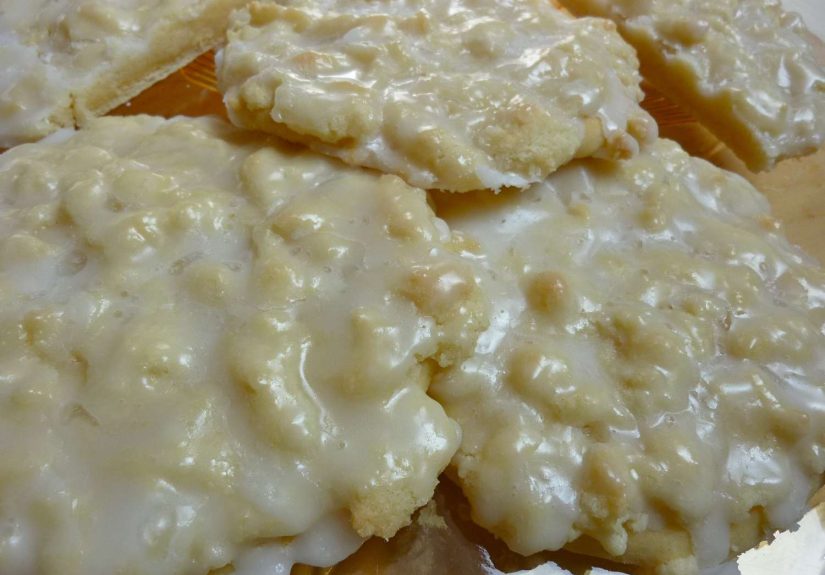
there’s a good chance a Streuseltaler was involved. A Streuseltalerliterally “streusel coin”is a soft,
lightly sweet yeasted pastry shaped into a round, topped with a generous mountain of buttery crumbs, and often finished
with a shiny vanilla or lemon glaze. It’s basically a cinnamon roll’s laid-back cousin who wears crumbs like jewelry.
This recipe gives you bakery-style Streuseltaler at home: tender dough, big streusel, and optional fillings (jam, fruit compote,
or vanilla pastry cream). It’s not hardjust a little patientbecause yeast dough likes to take its time. Think of it as a snack
that requires commitment… and then rewards you with crumbs in your hoodie pocket for the rest of the day.
What Makes a Streuseltaler a Streuseltaler?
A classic Streuseltaler has three signature moves:
- Enriched yeast dough: milk + butter + egg make it soft and slightly rich (more pastry than bread).
- Bold streusel topping: flour, sugar, butter (often with vanilla sugar), rubbed into big, clumpy crumbs.
- Glaze finish: a simple powdered sugar drizzle that sets with a gentle shine.
Many bakeries also add a little “center surprise”a spoonful of jam, fruit, or vanilla pudding/pastry cream. Optional, but highly encouraged.
Life is short. Add the jam.
Streuseltaler Recipe Overview
- Skill level: confident beginner
- Total time: about 2 hours (mostly rising/cooling)
- Yield: 10–12 pastries
- Best day to eat: the day you bake them (still good the next day, but day-of is peak crumble)
Ingredients
For the Yeasted Pastry Dough
- 3 1/4 cups (390g) all-purpose flour, plus more for dusting
- 1 packet (7g) active dry or instant yeast
- 1/3 cup (65g) granulated sugar
- 1/2 teaspoon fine salt
- 3/4 cup (180ml) warm milk (about 100–110°F; warm, not hot)
- 1 large egg, room temperature
- 6 tablespoons (85g) unsalted butter, softened
- 1 teaspoon vanilla extract (optional but very on-theme)
For the Streusel Topping (The Main Event)
- 1 2/3 cups (200g) all-purpose flour
- 1/2 cup (100g) granulated sugar
- 2 tablespoons vanilla sugar or 1 teaspoon vanilla extract mixed into the butter
- 1/2 teaspoon ground cinnamon (optional, but cozy)
- Pinch of salt
- 7 tablespoons (100g) unsalted butter, cold and cubed
Optional Fillings
- Jam: 1/2 to 3/4 cup (raspberry, apricot, cherrypick your favorite)
- Fruit compote: about 1 1/2 cups (store-bought is fine)
- Quick vanilla pastry cream: see recipe below
For the Glaze
- 1 1/2 to 2 cups (180–240g) powdered sugar
- 2–4 tablespoons milk, water, or lemon juice
- 1/2 teaspoon vanilla extract (optional)
Equipment
- Stand mixer with dough hook (helpful) or a large bowl + your hands (powerful)
- 2 baking sheets
- Parchment paper
- Rolling pin (or a clean bottleno judgment)
- Wire rack for cooling
Step-by-Step: How to Make Streuseltaler
1) Make the Dough
-
Mix dry ingredients: In a large bowl (or stand mixer bowl), whisk together flour, yeast, sugar, and salt.
If using instant yeast, you can mix it right in with the flour. If using active dry yeast, you can still
mix it in herejust expect it to rise a little slower. -
Add wet ingredients: Pour in warm milk, add the egg, softened butter, and vanilla (if using).
Mix until a shaggy dough forms. -
Knead: Knead 8–10 minutes until the dough looks smooth and elastic. It should be soft and slightly tacky, not dry.
- If it’s too sticky to handle, add flour 1 tablespoon at a time.
- If it’s stiff or dry, add milk 1 teaspoon at a time.
-
First rise: Shape into a ball, place in a lightly greased bowl, cover, and let rise until doubledabout 60–90 minutes in a warm spot.
(Cool kitchen? It might take longer. Yeast does not respond well to being rushed.)
2) Make the Streusel (Big Crumbs Only)
- In a bowl, combine flour, sugar, vanilla sugar (or plan to add vanilla via butter), cinnamon (if using), and salt.
- Add cold butter cubes.
-
Use your fingers (or a pastry cutter) to rub and pinch the butter into the dry ingredients until you get a mix of crumbs:
some sandy bits, plus lots of pea-size to marble-size clumps. - Chill the streusel in the fridge while you shape the dough. Cold streusel = better texture.
3) Optional: Quick Vanilla Pastry Cream (Great “Bakery Center”)
If you want that classic bakery vibewhere the center is creamy and the streusel is basically wearing a crownmake this quick pastry cream.
(If you’d rather keep it simple, skip this and use jam.)
- In a saucepan, whisk together 1 1/2 cups milk, 1/3 cup sugar, 3 tablespoons cornstarch, and a pinch of salt.
- Whisk in 3 egg yolks until smooth.
- Cook over medium heat, whisking constantly, until thick and bubbling (about 5–8 minutes).
- Remove from heat; whisk in 1 teaspoon vanilla and 2 tablespoons butter.
- Press plastic wrap directly onto the surface and chill until cool and thick enough to spoon.
4) Shape the “Coins”
- Line two baking sheets with parchment.
- When dough is doubled, gently deflate it and turn it onto a lightly floured surface.
- Divide into 10–12 equal pieces.
- Roll each into a ball, then flatten/roll into a round about 4–5 inches wide.
-
Create a center well: Use the bottom of a glass or your fingertips to press a shallow dip in the middle.
This helps hold filling and keeps the streusel from sliding off like it’s late for an appointment. - Place rounds on baking sheets, leaving space between them.
5) Top (and Fill) Like You Mean It
-
If using a filling, spoon 1–2 tablespoons jam/compote/pastry cream into the center well.
Don’t overfillthis is pastry, not a lava flow experiment. - Grab handfuls of streusel and pile it on each round. Yes, a handful. Streuseltaler is not the moment for minimalism.
- Let the trays rest 15–20 minutes while the oven preheats. This short rest helps the dough puff a bit.
6) Bake
- Preheat oven to 350°F.
- Bake 10–14 minutes, rotating pans halfway through, until the edges are lightly golden and the centers look set.
- Cool on the baking sheet 10 minutes, then transfer to a wire rack.
7) Glaze
- Whisk powdered sugar with 2 tablespoons liquid (milk/water/lemon juice). Add more liquid a teaspoon at a time until thick but drizzle-able.
-
For plain Streuseltaler: brush or spoon a thicker glaze over the top so it settles into the crumbs.
For filled Streuseltaler: drizzle lightly so you don’t hide the filling. - Let the glaze set 10–15 minutes before serving (or don’t, and accept delicious chaos).
Flavor Variations (So You Can “Accidentally” Bake Them Again)
1) Jam Center Classics
- Apricot: traditional bakery energy
- Raspberry: tangy and bold against sweet streusel
- Sour cherry: sweet-tart and very Central-European in spirit
2) Fruit + Streusel
- Use thick compote (berries, plums, apples) so it doesn’t waterlog the dough.
- Try adding lemon zest to the glaze for a brighter finish.
3) “Pudding Streuseltaler”
- Fill the center with chilled vanilla pastry cream (or thick vanilla pudding) before baking.
- Top heavily with streusel; bake as directed.
Troubleshooting (Because Yeast Has Opinions)
My dough didn’t rise.
- Check yeast freshness and milk temperature (too hot can harm yeast; lukewarm is best).
- Move the dough to a warmer spot: inside an off oven with the light on works well.
My Streuseltaler are dense.
- Common causes: under-proofing, too much flour, or overworking the dough.
- Next time: knead until smooth, then stop; and let the dough truly double before shaping.
My streusel melted into a sheet.
- Your butter may have been too warm. Use cold butter and chill streusel before topping.
- Make sure crumbs are clumpy, not paste-like.
Make-Ahead and Storage
- Best texture: same day (soft dough + crisp-ish crumbs).
- Next day: store airtight at room temp; warm 10–15 seconds in the microwave to revive softness.
- Freeze: freeze unglazed pastries; thaw and glaze fresh for the best look and bite.
FAQ: Streuseltaler Baking Questions
Is Streuseltaler the same as Streuselkuchen?
They’re related. Streuselkuchen is typically a sheet cake with yeast dough and streusel on top.
Streuseltaler is the “individual pastry” versionhandheld, round, and often filled.
Do I need vanilla sugar?
It’s traditional, but not mandatory. You can use vanilla extract or simply skip it and lean on cinnamon + butter for flavor.
Can I use instant yeast?
Yes. Instant yeast generally works a bit faster and can be mixed directly into dry ingredients. Active dry may take slightly longer to rise.
of Real-Life “Streuseltaler Experience” (The Crumb Chronicles)
The first time you bake Streuseltaler, you learn an important truth: this pastry is not subtle, and it doesn’t want you to be subtle either.
The dough is soft and a little stickylike it’s trying to gently cling to your fingers so you’ll stay and chat. If you’re used to bread dough
that feels sturdy and athletic, this one feels more like a cozy sweatshirt: flexible, forgiving, and happiest when handled with a light touch.
While the dough rises, the kitchen starts to smell faintly sweet and buttery, even before anything hits the oven. It’s the kind of quiet,
background aroma that makes you “just happen” to walk past the bowl every few minutes. When you press the dough after the rise, it springs back
slowlylike it’s waking up from a nap and would prefer five more minutes, please.
Then comes the streusel, which is where the personality really shows. The best streusel feels like edible gravel in the nicest possible way:
sandy bits for coverage, plus clumps that promise crunch. When you pinch cold butter into flour and sugar, it goes from “dry ingredients”
to “future snack” faster than you’d expect. You’ll catch yourself testing a crumb or twopurely for quality control, obviously.
This is also when you realize why “streusel coin” is such a funny name: the pastry may be round, but the streusel behaves like it owns the place.
Shaping the rounds is surprisingly satisfying. Each piece becomes its own little platform for toppings, like a tiny edible stage.
Pressing that center well is a small, practical step that feels oddly ceremoniallike you’re making room for the best part of the story.
If you choose jam, you’ll see the color peek out between crumbs after baking, and it looks instantly bakery-worthy. If you choose pastry cream,
it bakes up with that soft, custardy center that feels like a reward for being patient with yeast.
In the oven, Streuseltaler bake quicklyjust long enough for the edges to turn golden and the streusel to smell like toasted sugar.
When you pull the trays out, the pastries look a little rustic, a little bold, and extremely confident. The glaze is the final mood:
a glossy drizzle that sets into the crumbs and makes the whole thing look like it got dressed up for a coffee date.
Eating one is a full sensory moment. The bottom is soft, the top is crumbly, and the glaze gives a quick pop of sweetness. The first bite is neat;
the second bite is when the crumbs start falling; by the third bite you accept that Streuseltaler is not a clean-food experience.
It’s a “plate + napkin + maybe a crumb sweep” situationand that’s part of the charm. Serve it with coffee, share it with someone you like,
and don’t be surprised if you start casually planning your next batch before the first one is fully gone.