Table of Contents >> Show >> Hide
- What Makes a Living Room “Laid-Back with Spirit”?
- Step 1: Start with a Bright, Simple Shell
- Step 2: Anchor the Room with Honest Wood Pieces
- Step 3: Layer in Relaxed Seating
- Step 4: Use a Calm Palette with Fiery Accents
- Step 5: Mix High, Low, and Handmade
- Step 6: Light It Like a Beach House
- Step 7: Style with “Intentional Messiness”
- Adapting the Look to Your Space
- Budget-Friendly Ways to Get the Look
- How to Keep It Laid-Back Over Time
- Experiences & Lessons from Recreating This Look
- Conclusion: Your Turn to Steal the Look
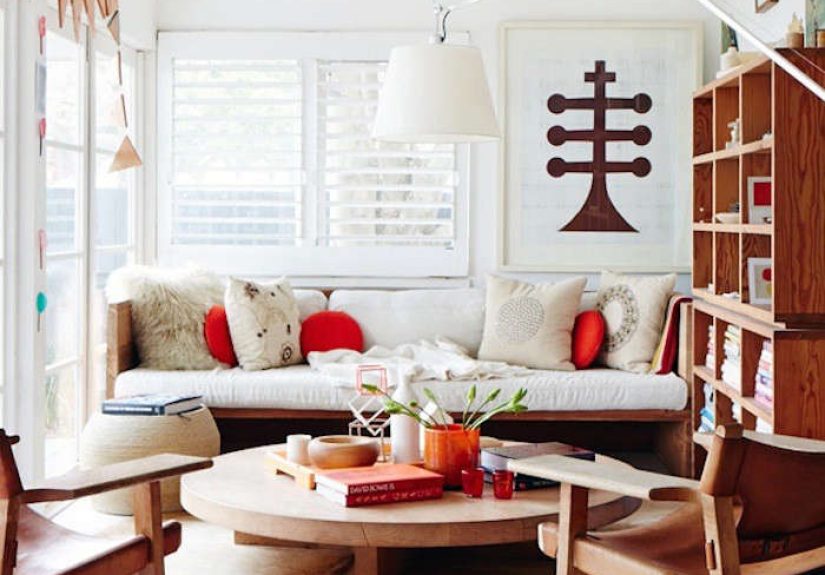
Some living rooms look so relaxed you can practically hear the waves and smell the sunscreen, even if you’re a thousand miles from the beach. That’s the vibe of this laid-back living room with spirit: white walls, generous sunlight, honest wood furniture, and just enough bold color to prove someone fun lives here. The good news? You don’t need a beach house in Australia or a stylist on speed dial to copy the look. You just need a clear plan and a willingness to edit.
Below, we’ll reverse-engineer this Remodelista-style space and turn it into a practical guide you can actually use. Think of it as a design recipe: same relaxed mood, similar ingredients, customized to fit your home, budget, and life (kids, pets, snack crumbs and all).
What Makes a Living Room “Laid-Back with Spirit”?
“Laid-back” doesn’t mean lazy, and “with spirit” doesn’t mean chaotic. A laid-back living room with spirit is calm at first glance, but the longer you look, the more personality you see. The foundation is simple and soothing; the details are where the character sneaks in.
- Light, neutral envelope: White or off-white walls bounce light around and keep the room feeling airy instead of heavy.
- Solid, unfussy furniture: Chunky wood tables, clean-lined shelving, and low-slung seating create a grounded base.
- Pops of energetic color: Usually warm tonesterracotta, tomato red, sunny orangeshow up in pillows, art, or textiles.
- Design icons mixed with everyday pieces: A sculptural chair next to a basic floor lamp, a classic coffee table paired with a thrifted side table.
- Personal art and objects: Prints, ceramics, books, and sentimental pieces make the room feel like yours, not a showroom.
- Controlled “messy” factor: A throw tossed casually, a stack of magazines, a basket of toysreal life is visible, just edited.
The overall effect is that you can sink into the space without feeling like you’re going to wrinkle it. It looks considered but never precious.
Step 1: Start with a Bright, Simple Shell
Choose the Right White (or Almost-White)
The original inspiration room leans hard on white walls and natural light. That doesn’t mean any white paint will work. Stark cool whites can make a room feel clinical; creamy whites can veer yellow. Aim for a soft, slightly warm white or a very pale greige that still reflects light but feels inviting.
Look for descriptions like “soft white,” “warm white,” or “barely-there gray” in paint collections. Paint large swatches on different walls and look at them morning, noon, and nightyour perfect white at 10 a.m. might turn weirdly beige at sunset.
Clear the Visual Noise
Before you bring in new furniture, edit what you already have:
- Pull out any extra chairs, side tables, or accent pieces that don’t need to be there.
- Remove busy patterned curtains or heavy drapes that block light.
- Declutter surfaces: keep only your favorite books and objects on display.
The more open floor and wall space you create, the more your future statement pieces can breatheand the more laid-back the room will feel.
Step 2: Anchor the Room with Honest Wood Pieces
The heart of this look is simple, substantial wood furniture that feels sturdy and timeless. Think:
- A chunky wood coffee table or boxy daybed-style bench.
- Open wood shelving or “pigeon hole” bookcases that double as room dividers.
- A warm-toned wood sideboard or console instead of a fragile little media stand.
Choose pieces with visible grain and simple profiles. You’re going for “beach house carpenter” more than “ornate antique.” Oak, ash, or reclaimed fir all work beautifully. Light to medium tones keep things relaxed; very dark wood feels more formal.
If you’re on a budget, look for solid wood in thrift stores or online marketplaces. Sand and refinish, or simply clean and oil to embrace the patina. A few well-chosen, slightly worn pieces often look more authentic than brand-new matching sets.
Step 3: Layer in Relaxed Seating
Go Low, Deep, and Loungey
In a laid-back living room, nothing should feel stiff. Aim for low-profile seating with deep cushions that invite slouching:
- Daybed or bench with cushions: Perfect for napping, reading, or extra seating. Upholster in a durable neutral fabric and pile on pillows.
- Deep sofa: Boxy arms, simple lines, and washable slipcovers give you the casual beach-house vibe without the stress over spills.
- One sculptural statement chair: A leather sling chair or distinctive wooden armchair adds “spirit” without visual clutter.
Focus on texture over pattern: linen, cotton canvas, and soft wool blends look relaxed and age gracefully. You can always add pattern with pillows and throws.
Mix Seating Types for Flexibility
To keep the room social and adaptable:
- Use a daybed or bench that can face either the TV or the conversation area.
- Add a lightweight accent chair that can be moved easily when guests arrive.
- Include at least one perch with good back support for reading or working on a laptop.
The goal is to make the room work for both Sunday-afternoon naps and Friday-night hangouts.
Step 4: Use a Calm Palette with Fiery Accents
The original Remodelista room is mostly white and wood, with little hits of red and orange. That’s deliberate: warm accents energize the space without overwhelming it.
Build Your Base Palette
Start with:
- Walls: Soft white or pale greige.
- Big furniture: Natural wood, light camel leather, or beige/stone upholstery.
- Floors: Wood, jute, sisal, or a neutral flatweave rug.
Add “Spirit” with Color Pops
Then add 2–3 accent colors in small, repeatable doses:
- Rust or terracotta pillows.
- Red or orange art prints.
- A patterned kilim or striped throw with those same warm tones.
Repeat each color at least three times in the room (for example, one red pillow, a small red print, and a book spine). This repetition makes the space feel intentional rather than random.
Step 5: Mix High, Low, and Handmade
One of the secrets behind a room that feels “effortlessly” stylish is contrast: pairing a few better-quality or iconic pieces with simple, more affordable items and handmade accents.
You might combine:
- An investment-worthy lounge chair or floor lamp.
- A basic white floor lamp from a big-box store next to a vintage side table.
- Simple open shelving styled with thrifted ceramics and your favorite design books.
Follow a loose 80/20 rule: aim for about 80% simple, functional staples and 20% pieces with strong personality. Or flip it if you love a more eclectic look. The point is balance, not perfection.
Step 6: Light It Like a Beach House
Even if you’re nowhere near the ocean, you can borrow beach-house lighting tricks:
- Maximize natural light: Use sheer curtains or simple blinds you can pull fully open. Avoid fussy valances or heavy drapery.
- Layer light sources: Combine a floor lamp, table lamps, and maybe a wall sconce or two, instead of relying only on an overhead fixture.
- Choose warm bulbs: Aim for warm white (around 2700–3000K) so skin tones and wood look flattering rather than cold.
Position a tall floor lamp near the main seating and a smaller lamp near a reading chair. Light should feel like a gentle hug, not an interrogation.
Step 7: Style with “Intentional Messiness”
The charm of this look is that it never feels staged. That doesn’t mean throwing things around and calling it a day; it means curating what stays out, and then allowing just enough looseness so the room feels lived in.
Objects That Add Story
- Art with personality: Abstract prints, graphic posters, or a small collection of personal photos.
- Books: Stacks of design, travel, or art books on the coffee table or shelves.
- Ceramics and bowls: Handmade-looking pieces in simple shapes and earthy glazes.
- Plants: A couple of easy-care plants in terracotta pots for a fresh, organic note.
Arrange items in clusters of three or five and leave breathing room between them. Not every surface needs something on itnegative space is part of the relaxed feel.
Keep Clutter Under Control
To avoid sliding from “laid-back” into “where did the floor go?”:
- Give remotes, chargers, and small items a dedicated tray or lidded box.
- Use one or two large baskets for throws, kids’ toys, or pet gear.
- Adopt a five-minute nightly reset: fluff cushions, fold a throw, clear the coffee table.
These tiny habits keep the room looking intentional with almost no effort.
Adapting the Look to Your Space
Small Apartment Living Room
- Choose a single, deep sofa instead of a sofa + loveseat combo.
- Use a slim bench or ottoman instead of a bulky coffee table.
- Rely on wall-mounted shelves rather than big bookcases.
- Use mirrors strategically to bounce light and extend the white, airy feeling.
Long, Narrow Room
- Float the sofa away from the wall with a narrow console behind it.
- Place a daybed or pair of chairs perpendicular to create a conversation zone.
- Use a single large rug to visually unite the seating area.
Open-Plan Space
- Use a low, open shelf or bench to define the living area without blocking light.
- Repeat wood tones and accent colors from the living room in the dining or kitchen zone.
- Choose a consistent warm neutral palette so the whole space feels cohesive.
Budget-Friendly Ways to Get the Look
You don’t need designer prices to channel a designer room. Try this order of operations:
- Paint first: A fresh, well-chosen white immediately upgrades everything else.
- Shop your house: Move wood pieces, art, or lamps from other rooms.
- Thrift for wood furniture: Look for solid construction and simple shapes; you can always refinish.
- Buy textiles last: Pillows, throws, and a rug in your accent palette pull the whole look together.
Splurge only where it truly counts for you: maybe a quality sofa, a great reading chair, or a statement floor lamp. Everything else can be a mix of vintage finds, big-box basics, and small makers.
How to Keep It Laid-Back Over Time
Designing the room is only half the story; living in it is the real test. A few smart habits keep your relaxed space from tipping into chaos:
- Do a “night shift” resetfive quick minutes of tidying before bed.
- Apply a “one in, one out” rule for decor: if a new object comes in, an old one goes out.
- Rotate art and textiles seasonally instead of constantly adding more.
- Schedule a mini-declutter once a month for shelves and surfaces.
The best laid-back living rooms aren’t frozen in time; they evolve slowly, keeping the spirit while editing the extras.
Experiences & Lessons from Recreating This Look
Let’s talk about what actually happens when real people try to recreate a “Steal This Look” living roombeyond the beautiful photos and perfectly placed coffee cups.
Imagine you’re starting with a perfectly average living room: beige walls, slightly saggy sofa, a TV stand you bought in college, and a coffee table that might actually be an old trunk. You fall in love with the laid-back Remodelista look and decide, “That’s it. I want that room.” The first surprise is that the biggest change comes from subtracting, not adding. The moment you paint the walls a calm white, remove the extra side table, and clear off the surfaces, the room already feels lighter and more expensivebefore you’ve bought a single new thing.
The second surprise is how much the wood matters. Maybe you drag home a vintage, solid-wood coffee table from a thrift storenothing fancy, just heavy and honestand suddenly the whole room feels more grounded. Friends walk in and say, “Did you redo everything?” even though you literally just swapped one table. That’s the power of a few good anchor pieces: they quietly upgrade everything around them.
Then comes color. If you’re used to decorating with lots of patterns and bright hues, limiting yourself to mostly white, wood, and a couple of accent colors can feel weird at first. You might think the room looks “too plain” halfway through. But once you committwo rust pillows on the sofa, a red-toned print over the bench, a terracotta pot on the shelfthe space starts to click. Those small, repeated accents give the room energy without making it busy. It’s like seasoning food: too little and it’s bland, too much and it’s chaotic. This look lives in the sweet spot.
One of the most common lessons people learn the hard way is about clutter. Photos of laid-back living rooms show a casual throw here, a stack of books there, maybe a mug on the table. Real life adds mail, random receipts, kids’ toys, pet hair, and yesterday’s snacks. The trick many homeowners discover is that baskets, trays, and a tiny daily reset are not “styling extras”they’re survival tools. A single lidded box on the coffee table can hide remotes, chargers, and lip balm. One big basket can swallow blankets and toys in ten seconds. Those simple systems let you keep the relaxed, lived-in feeling without drowning in stuff.
Another unexpected benefit of this style is how forgiving it is. A white-and-wood room with a mix of old and new pieces doesn’t panic when life happens. The dog scratches the coffee table? It looks more charmingly worn. A kid draws on the wall? You touch up that one spot with leftover paint. A chair gets swapped for something thrifted and quirky? The whole look was eclectic to begin with, so it still works. Owners often report that once the basic ingredients are in placelight walls, good wood, simple seating, warm accentsthe room can absorb changes without losing its soul.
Finally, people who successfully recreate this look say that the biggest change isn’t just visual; it’s how the room feels to use. Guests kick off their shoes and settle in without asking. Kids stretch out on the floor. Someone inevitably naps on the daybed. The space stops feeling like a fragile “living room” and starts feeling like a true everyday hub: part lounge, part reading nook, part movie theater, part snack zone. That’s the real win of a laid-back living room with spiritit works hard, looks great, and never demands perfection from the people who live in it.
Conclusion: Your Turn to Steal the Look
Recreating a laid-back living room with spirit isn’t about copying every piece; it’s about translating the principles into your space. Start with a calm shell. Invest in a few honest wood anchors. Choose relaxed seating. Add warm, energetic color in small doses. Mix in pieces that tell your storyart, books, ceramics, plantsand let a little intentional messiness keep things human.
The result won’t just look good in photos; it will feel like the room everyone gravitates to, whether you’re hosting a crowd or enjoying a quiet evening with your feet up. And that’s a look worth stealing.