Table of Contents >> Show >> Hide
- How Rebirth Works in Steal a Brainrot
- Why Players See Conflicting Rebirth Charts
- Steal a Brainrot Rebirth Requirements for Every Level
- What the Rebirth Ladder Is Really Telling You
- Best Strategy for Hitting Every Rebirth Faster
- Common Mistakes That Slow Rebirth Progress
- Final Thoughts on Steal a Brainrot Rebirth Requirements
- What the Rebirth Experience Actually Feels Like
- SEO Tags
If you have been hunting for a clean, current list of Steal a Brainrot rebirth requirements, welcome home. Pull up a chair, lock your base, and keep one eye on that suspicious player pretending to be “just passing through.” Rebirth is one of the most important mechanics in Roblox Steal a Brainrot because it resets your run in exchange for long-term power: better multipliers, more slots, stronger tools, and a base that gets harder to raid.
The catch, of course, is that the game loves chaos. Some older guides still list outdated costs, some charts stop at Rebirth 17, and a few numbers floating around the community are leftovers from previous updates. That is why this guide focuses on the current rebirth levels, brainrot requirements, and practical strategy so you can plan your climb without feeling like you are solving a math problem written by a caffeinated raccoon.
How Rebirth Works in Steal a Brainrot
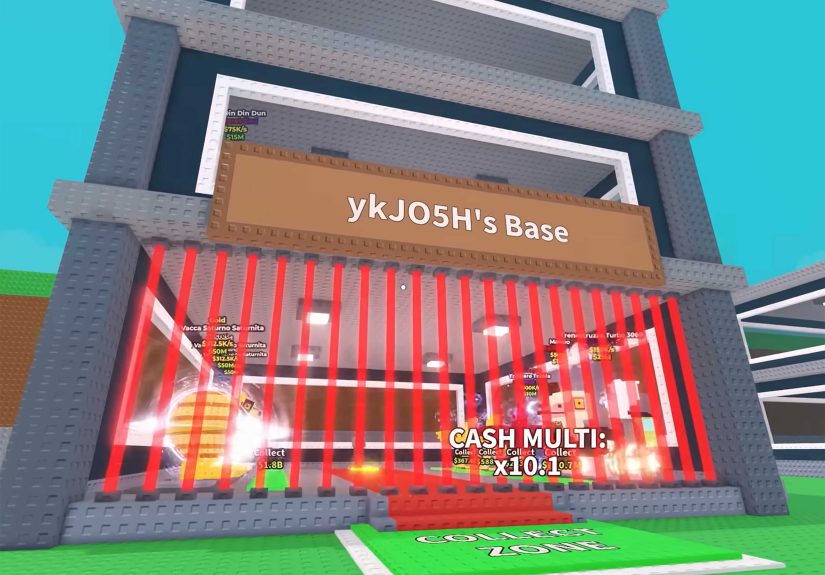
In simple terms, rebirth is a soft reset. You give up your current run, including your active cash and the brainrots in your base, and in return you unlock permanent progress. That permanent progress matters a lot. Every rebirth pushes your account forward with stronger earning potential, extra storage, longer base lock time, and new items in the coin shop.
This is why experienced players usually do not treat rebirth as a punishment. They treat it like a growth engine. Yes, losing your collection hurts. Yes, watching your favorite brainrot vanish can feel like being dumped by your own inventory. But in the long run, rebirth is what turns a slow grind into a faster, smoother money machine.
There are always two main requirements: cash and specific brainrot ownership. If either one is missing, the rebirth button stays out of reach. Once both are ready, you can reset and move on to the next level.
Why Players See Conflicting Rebirth Charts
If you have compared multiple Steal a Brainrot rebirth guide articles, you have probably noticed something weird: different cash thresholds for the same rebirth level. That is not your imagination. Several rebirth requirements have been adjusted over time, and some older posts still reflect previous versions of the table.
For example, earlier versions of the game commonly showed higher costs for several stages, and some guides published before later updates only covered Rebirth 17. More recent public tables include Rebirth 18 and lower current requirements for several levels. So if one chart says one thing and another says something else, the safest move is to trust the most current public listings rather than an older snapshot.
The short version: if a guide seems harsher than your in-game menu, the game probably changed and the guide did not. In other words, the goalposts moved. Again. Because this is Steal a Brainrot, and peace was never part of the design document.
Steal a Brainrot Rebirth Requirements for Every Level
Here is the current requirement table in an easy-to-scan format.
| Rebirth Level | Cash Required | Required Brainrot(s) | Quick Note |
|---|---|---|---|
| 1 | $500K | Trippi Troppi + Gangster Footera | Your first real reset; the beginning of the grind loop. |
| 2 | $1.5M | Boneca Ambalabu + Brr Brr Patapim | Important milestone because it unlocks the second floor. |
| 3 | $12.5M | Trulimero Trulicina + Chimpanzini Bananini | Early game starts getting serious here. |
| 4 | $35M | Chef Crabracadabra + Glorbo Fruttodrillo | Last stop before the game shifts into larger-money territory. |
| 5 | $100M | Frigo Camelo + Orangutini Ananassini | From here through Rebirth 16, most levels need only one brainrot. |
| 6 | $350M | Bombardiro Crocodilo | A cleaner requirement list, but the money climb grows sharply. |
| 7 | $1B | Bombombini Gusini | The first billion-cash threshold. |
| 8 | $5B | Te Te Te Sahur | The final rebirth that still sits in the Mythic-era feel of the ladder. |
| 9 | $12.5B | Cocofanto Elefanto | The ladder starts demanding much more valuable targets. |
| 10 | $125B | Girafa Celestre | Huge milestone: unlocks the third floor. |
| 11 | $800B | Tralalero Tralala | Late-game progression begins to feel much less forgiving. |
| 12 | $3.5T | Odin Din Din Dun | A trillion-level checkpoint where momentum matters more than patience. |
| 13 | $14T | Trenostruzzo Turbo 3000 | One of the clearest signs you are entering endgame planning. |
| 14 | $40T | Trippi Troppi Troppa Trippa | The rebirth ladder now expects truly elite income. |
| 15 | $100T | Pakrahmatmamat | The last rebirth before Secret-tier requirements take over. |
| 16 | 1Qa | Los Tralaleritos | First rebirth that requires a Secret brainrot. |
| 17 | 2Qa | Job Job Job Sahur + Chicleteira Bicicleteira | First double-digit rebirth requiring two brainrots, and both are Secrets. |
| 18 | 10Qa | Graipuss Medussi | Current public endgame milestone and the newest major step up. |
What the Rebirth Ladder Is Really Telling You
Levels 1 to 4: Learn the System Fast
The first four rebirths are all about teaching you the loop. Buy, steal, defend, cash out, repeat. You are not supposed to play like a collector here. You are supposed to learn how quickly the game can take your stuff and how quickly rebirth can rebuild you. The earlier you understand that, the easier the rest of the climb becomes.
Levels 5 to 10: Efficiency Starts Beating Luck
At this point, rebirth requirements become less about “Can I get something decent?” and more about “Can I reach the right target without wasting time?” These middle levels are where smart routing matters. You want a stable income engine, quick base defense, and a plan for specific brainrots instead of random shopping. Rebirth 10 is especially important because the third floor gives you a much better defensive setup for high-value units.
Levels 11 to 15: This Is Where the Real Grind Shows Up
Once you cross into hundreds of billions and then trillions, sloppy play gets expensive. Waiting too long to rebirth can backfire because you are exposing yourself to theft while delaying the multiplier gains that would make your next run faster. These levels reward discipline: protect the right unit, hit your money target, rebirth, and keep moving.
Levels 16 to 18: Secret-Tier Territory
This is the part of the ladder where the game stops being polite and starts asking for your weekends. Rebirth 16 is the first Secret requirement, Rebirth 17 wants two Secrets, and Rebirth 18 raises the money target all the way to 10Qa. If you are here, you are no longer casually progressing. You are planning routes, tracking high-value spawns, watching trades, protecting inventory, and probably developing trust issues. Sensible trust issues, to be fair.
Best Strategy for Hitting Every Rebirth Faster
If your goal is to clear every Steal a Brainrot rebirth level efficiently, there are a few strategies that matter more than everything else.
1. Rebirth as Soon as the Run Stops Being Efficient
A lot of players hold off because they hate losing progress. That is understandable, but it is usually not optimal. Rebirth multipliers exist to make the next climb easier. Delaying too long often means you spend extra time protecting assets that are about to disappear anyway. If you have the required cash and the needed brainrot, rebirthing quickly is often the smartest move.
2. Protect Rare Brainrots Before You Reset
One of the most common community strategies is to let a trusted friend or alt account hold your best brainrots before rebirthing. After the reset, you recover them. This is not magic; it is just practical damage control. In a game where your collection can vanish in seconds, backup planning is not sweaty behavior. It is basic survival.
3. Farm the Next Requirement Early
The smartest players are usually one rebirth ahead. Instead of only thinking about the level they are on, they also keep an eye on the next brainrot target. This reduces downtime after the reset and helps you avoid that classic Steal a Brainrot moment where you have plenty of cash but cannot find the one specific unit the game suddenly wants from you.
4. Use Floors Intelligently
Rebirth 2 and Rebirth 10 are not just random milestones. The second and third floors improve how you store and protect valuable brainrots. If you place important units in harder-to-reach areas, you reduce the chance of getting robbed by the human tornado wearing neon accessories and bad intentions.
5. Do Not Confuse Value With Requirement
Some players waste time chasing the flashiest unit in the server when they only need a very specific one for their next rebirth. Valuable brainrots are great for income, trading, and flexing. But if your actual goal is progression, target the rebirth requirement first, then go back to chasing status symbols later.
Common Mistakes That Slow Rebirth Progress
- Overfarming cash: If you already have enough money to rebirth, hanging around too long just increases your risk of losing everything.
- Ignoring older chart updates: Outdated guides can send you after the wrong numbers or leave out Rebirth 18 entirely.
- Keeping required brainrots exposed: The right unit is often more important than an extra pile of cash.
- Rebirthing with no recovery plan: A fast reset is great, but a fast reset with no protected assets can make the next run feel much slower.
- Playing every run like a collection run: Sometimes the smartest move is not to hoard. It is to progress.
Final Thoughts on Steal a Brainrot Rebirth Requirements
The rebirth system in Steal a Brainrot is the game’s real long-term progression engine. The cash numbers get bigger, the brainrot requirements get rarer, and the emotional damage gets funnier in hindsight. But once you understand the ladder, the system becomes much easier to manage.
The key is to stop thinking of rebirth as losing progress and start thinking of it as compressing future grind. Early levels teach the loop, mid-levels reward efficiency, and late-game rebirths demand planning around Secret-tier brainrots and huge cash thresholds. If you know the exact requirement for every level and you prepare one step ahead, the climb becomes much less chaotic.
Well, less chaotic by Steal a Brainrot standards. So, still chaotic. Just organized chaos with better gear.
What the Rebirth Experience Actually Feels Like
Here is the part most dry charts leave out: the experience of grinding rebirths in Steal a Brainrot is half strategy, half emotional roller coaster, and half “why did I trust that guy named CoolKidOmega47?” Yes, that is three halves. No, the math does not matter when someone just stole your required brainrot from right under your nose.
Early on, rebirth feels exciting. You hit that first cash goal, gather the required brainrots, press the button, and suddenly the game makes sense. The reset stings for about ten seconds, and then you notice that you are rebuilding faster. That is when the system clicks. You realize rebirth is not there to waste your time. It is there to multiply your future progress.
By the middle levels, the mood changes. The problem is no longer understanding the system. The problem is keeping momentum. You start to notice how one missing brainrot can hold up an otherwise perfect run. You can have billions in cash and still feel stuck because the exact target you need refuses to show up. That is when the game starts feeling less like a casual tycoon and more like a weirdly aggressive appointment with probability.
Then you hit the later rebirths, and everything becomes personal. You start locking your base with the energy of a suburban dad checking every window before bed. You recognize which players are harmless, which ones are opportunists, and which ones move like they were born to ruin your evening. You become suspicious of everyone. Even your friends. Especially the friend who says, “I’ll hold your brainrots for you,” while standing a little too close to the exit.
That is also where the best moments happen. Pulling off a clean rebirth after planning ahead feels fantastic. Saving the required unit, protecting your cash, timing the reset, and bouncing back with stronger income gives the game a satisfying rhythm. It stops being random chaos and starts feeling like controlled chaos. Which is still chaos, but now it answers to you a little more often.
There is also a funny mental shift that happens after a few rebirths. At first, you get attached to every decent brainrot. Later, you get attached to progress. That is a huge difference. Instead of thinking, “I cannot lose this unit,” you start thinking, “I need this run to get me to the next milestone.” That mindset is what separates players who stay stuck from players who keep climbing.
In a strange way, rebirth teaches patience and detachment at the same time. Be patient enough to build the right setup. Be detached enough to let go when the reset is worth it. If you can do both, the whole rebirth ladder becomes much more manageable.
So yes, the rebirth experience in Steal a Brainrot can be frustrating. It can be hilarious, unfair, thrilling, and occasionally ridiculous. But that is exactly why people keep coming back. Every new level feels earned, every reset feels risky, and every smart rebirth makes the next climb just a little sweeter.