Table of Contents >> Show >> Hide
- Why Reader-Inspired Storage Ideas Work So Well
- 1. Turn Wall Space Into Everyday Storage
- 2. Use the Backs of Doors
- 3. Build Storage Into Seating
- 4. Make Under-Bed Storage Smarter
- 5. Add Narrow Pull-Out Storage in Awkward Gaps
- 6. Use Baskets With a Purpose
- 7. Create Zones in Closets
- 8. Put Corners to Work
- 9. Use Pegboards Beyond the Garage
- 10. Add Storage Under the Stairs
- 11. Rethink Kitchen Cabinets and Drawers
- 12. Try Rolling Carts for Flexible Storage
- 13. Go High With Storage
- 14. Create a Better Entryway System
- 15. Hide Storage in Plain Sight
- 16. Use Reclaimed and Vintage Items Creatively
- 17. Make Small Bathrooms Feel Organized
- 18. Organize the Garage by Wall and Ceiling
- 19. Choose Storage That Matches Your Habits
- 20. Label More Than You Think You Need To
- Extra Experience: What Real Homes Teach Us About Space-Saving Storage
- Conclusion
Every home has at least one “mystery pile.” You know the one. It starts as a harmless stack of mail, a lonely tote bag, or a basket of laundry that is definitely “almost folded.” Then, suddenly, it becomes a small domestic landmark. Guests ask if it has a name. The dog avoids it. You begin storing things around it like it’s a piece of furniture.
That is where standout, space-saving storage ideas earn their applause. The best solutions do not always come from glossy showrooms or expensive custom closets. Often, they come from real readers solving real problems in real homes: narrow bathrooms, awkward hallways, tiny kitchens, shared bedrooms, cluttered entryways, and garages where the floor disappeared sometime around 2019.
This guide gathers practical, creative, reader-inspired storage ideas that make small spaces work harder without making your home feel like a warehouse. The goal is simple: use overlooked areas, choose double-duty pieces, organize vertically, hide clutter beautifully, and create systems your family can actually maintain. Because the perfect storage idea is not the one that looks amazing for one afternoon. It is the one still working three months later, even after groceries, school bags, muddy shoes, winter coats, and one very suspicious junk drawer have tested it.
Why Reader-Inspired Storage Ideas Work So Well
Reader-submitted storage ideas tend to be wonderfully practical because they are born from necessity. A homeowner with a six-inch gap beside a vanity does not need a lecture on minimalism; they need a narrow pull-out cabinet. A renter with no linen closet does not need a full remodel; they need vertical shelves, door racks, labeled bins, and possibly a moment of silence for all those extra towels.
Real-life storage solutions usually share three traits. First, they use unused space, such as wall areas, backs of doors, corners, under-bed zones, stair landings, and the space above cabinets. Second, they make items easier to reach, not harder. Third, they blend with the room so storage feels intentional instead of improvised. A basket can be brilliant. A basket avalanche, however, is just clutter wearing wicker.
1. Turn Wall Space Into Everyday Storage
When floor space is limited, the walls are your best friends. They are quiet, supportive, and rarely ask for attention. Floating shelves, wall-mounted cubbies, pegboards, rails, and hooks can turn blank walls into hardworking storage zones.
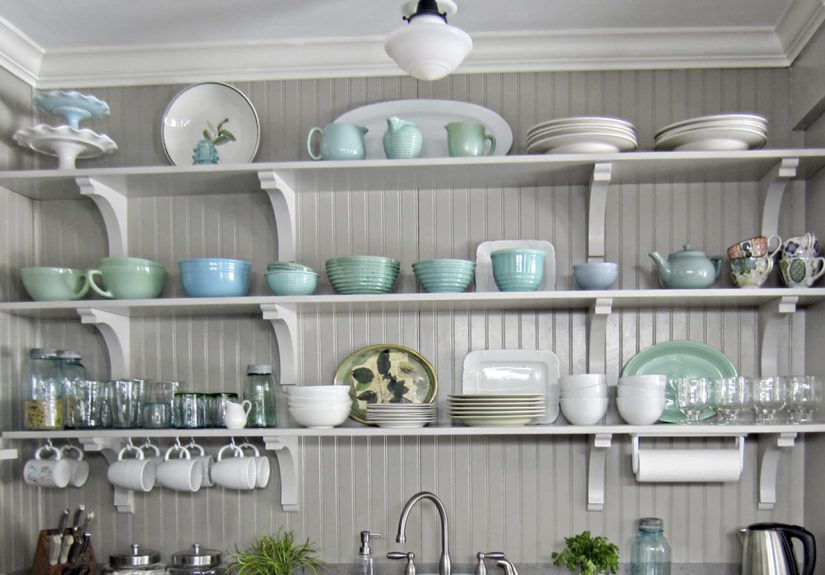
In a small kitchen, open shelves can hold everyday dishes, mugs, spices, or glass jars of dry goods. In an entryway, hooks can catch coats, dog leashes, umbrellas, and tote bags before they migrate to the dining chair. In a bathroom, a slim wall shelf above the toilet can hold extra towels, toilet paper, candles, or pretty containers for cotton swabs and skincare.
Reader-style idea: the “drop zone wall”
Create a wall-mounted command center near the door with a mail sorter, key hooks, a small shelf, and a labeled basket for each family member. This tiny setup can prevent keys, sunglasses, permission slips, and receipts from forming a dramatic paper mountain on the kitchen counter.
2. Use the Backs of Doors
The back of a door is one of the most overlooked storage areas in the home. It is also delightfully low-commitment, especially for renters. Over-the-door racks, hanging pockets, slim baskets, and hook systems can add instant storage without taking up a single inch of floor space.
Use a bedroom door for shoes, scarves, belts, or accessories. Use a pantry door for snacks, spices, wraps, foil, and cleaning supplies. Use a bathroom door for hair tools, extra soap, lotions, and travel-size toiletries. Use a laundry room door for stain removers, lint rollers, dryer sheets, and that one sock waiting patiently for its soulmate.
Best items for door storage
Door storage works best for lightweight, frequently used items. Avoid overloading racks with heavy bottles or bulky tools unless the organizer is designed for weight. The goal is convenience, not turning the door into a medieval drawbridge.
3. Build Storage Into Seating
Furniture that does two jobs is a small-space hero. Storage benches, ottomans, window seats, banquettes, and lift-top coffee tables can hide clutter while still looking polished. This is especially useful in living rooms, bedrooms, entryways, and dining nooks.
A storage bench in an entryway can hold shoes, hats, gloves, reusable bags, and pet supplies. A window seat can store books, board games, blankets, or seasonal decor. A lift-top coffee table can hide remotes, chargers, magazines, and laptop accessories while also making snack time dangerously convenient.
For a small apartment or family room, choose pieces that suit the scale of the room. A giant storage ottoman may offer space inside, but if everyone has to sidestep around it like a parked boat, it is not saving space. Measure first, buy second, celebrate third.
4. Make Under-Bed Storage Smarter
The area under the bed is prime storage real estate. Unfortunately, it often becomes a dust bunny resort. With the right containers, it can become a neat home for off-season clothing, shoes, gift wrap, linens, extra blankets, or memory items.
Choose shallow bins with lids or zippered fabric containers to keep dust out. Clear bins make it easy to see what is inside, while labeled fabric bins look cleaner in rooms where the containers may be visible. Rolling under-bed drawers are especially useful for kids’ rooms because they make cleanup faster and less mysterious.
What not to store under the bed
Avoid storing items you need every day unless the bins are very easy to access. Also avoid storing anything damp, fragile, or poorly sealed. Under-bed storage should feel like a secret bonus closet, not an archaeological dig.
5. Add Narrow Pull-Out Storage in Awkward Gaps
Some of the best storage ideas come from tiny, awkward spaces that seem useless at first glance. A gap between the refrigerator and wall can become a rolling pantry. A narrow space beside a bathroom vanity can become a pull-out shelf for toiletries. A slim area near the washer can store detergent, dryer sheets, and cleaning cloths.
Narrow pull-out carts are especially helpful because they bring items to you. Instead of kneeling, reaching, and knocking over three bottles to find the one you need, you simply slide out the cart. It is a small luxury, like finding a matching lid for a food container on the first try.
6. Use Baskets With a Purpose
Baskets are beautiful, flexible, and forgiving. They can also become clutter caves if they are not assigned a job. The secret is to use baskets by category: one for blankets, one for toys, one for pet supplies, one for hats and gloves, one for incoming mail, and one for items that need to go upstairs.
In open living areas, choose baskets that match the room’s style so storage becomes part of the decor. In closets and pantries, use clear or labeled bins so you do not have to guess what is hiding inside. A pretty basket is nice. A pretty basket with a label is a tiny act of domestic genius.
Try the “one basket reset”
Keep one empty basket handy for quick evening resets. Walk through the house, collect out-of-place items, and return them to their homes. This simple habit can keep clutter from spreading like gossip at a neighborhood cookout.
7. Create Zones in Closets
A small closet can hold more when it is divided into zones. Instead of one crowded rod and a sad pile of shoes, add shelf dividers, stackable bins, hanging organizers, slim hangers, hooks, and shoe boxes. Use the top shelf for less-used items, the middle section for everyday clothing, and the floor for shoes or labeled bins.
For deep closets, avoid letting items disappear into the back. Use pull-out baskets or clear containers so everything remains visible. For narrow closets, use cascading hangers, double rods, and door storage. The best closet system is not necessarily expensive; it is the one that gives every item a clear place to land.
8. Put Corners to Work
Corners are often underused because standard furniture does not always fit them well. But corner shelves, corner hutches, triangular cabinets, and L-shaped benches can turn awkward angles into useful storage.
In a dining room, a corner cabinet can store dishes, linens, and serving pieces. In a living room, a corner shelf can display books, plants, baskets, and framed photos. In a bathroom, a corner tower can hold towels and toiletries without blocking the walkway.
If you have an empty corner that only collects dust, ask what job it could do. Could it become a mini reading nook? A charging station? A craft supply zone? A pet supply area? Corners may be shy, but they have potential.
9. Use Pegboards Beyond the Garage
Pegboards are no longer just for tools. They work beautifully in kitchens, craft rooms, laundry areas, home offices, kids’ rooms, and even small closets. The charm of pegboard storage is flexibility. Hooks, baskets, shelves, and clips can be moved as your needs change.
In a kitchen, a pegboard can hold pans, utensils, measuring cups, and cutting boards. In a craft room, it can organize scissors, ribbon, thread, markers, tape, and small bins of supplies. In a home office, it can hold headphones, calendars, notebooks, and charging cords. The pegboard is basically a wall that decided to get a job.
10. Add Storage Under the Stairs
The space under the stairs is a classic hidden-storage opportunity. Depending on the layout, it can become a coat closet, bookshelf, pet nook, mini office, pull-out drawer system, mudroom, or seasonal storage area.
For a simple upgrade, add shelves or cubbies behind a door. For a bigger project, install custom drawers that pull out from under the staircase. These can store shoes, sports gear, holiday decorations, cleaning supplies, or bulky items that do not deserve prime closet space.
If your under-stairs area is open, make it attractive with matching baskets, painted shelves, and lighting. Hidden storage is great, but storage that looks intentional is even better.
11. Rethink Kitchen Cabinets and Drawers
Kitchens are storage battlegrounds because everything seems essential: pans, lids, spices, snacks, utensils, appliances, food containers, cutting boards, mugs, baking sheets, and at least one gadget you bought with great optimism. Small kitchen storage works best when cabinets and drawers are organized by task.
Use drawer dividers for utensils, vertical racks for baking sheets, pull-out shelves for deep cabinets, lazy Susans for awkward corners, and clear bins for pantry categories. Store items near where you use them. Coffee supplies should live near the coffee maker, not across the room in a cabinet guarded by cereal boxes.
Reader-style idea: the mini pantry cabinet
If you do not have a pantry, convert one cabinet into a pantry zone with pull-out bins, stackable containers, and labeled shelves. Group breakfast foods, baking supplies, snacks, canned goods, and dinner staples. It makes grocery planning easier and reduces the chance of buying the third jar of cumin. Unless you really love cumin, in which case, congratulations on your commitment.
12. Try Rolling Carts for Flexible Storage
Rolling carts are small-space champions because they can move where needed. Use one in the bathroom for toiletries and towels, in the kitchen for baking supplies, in the laundry room for cleaning products, or in a home office for printer paper and supplies.
A three-tier cart can also become a homework station, craft cart, coffee bar, diaper station, or bedside table. The key is to keep it focused. A cart that stores everything soon becomes a clutter parade on wheels.
13. Go High With Storage
Many homes waste the upper wall area above doors, cabinets, bookshelves, and closets. High storage is ideal for items you do not need daily, such as seasonal decor, extra bedding, luggage, serving pieces, keepsakes, and bulk supplies.
Install sturdy shelves above doorways, add baskets on top of wardrobes, or use high kitchen cabinets for seldom-used appliances. Keep heavier items lower for safety, and use matching containers to make high storage look tidy rather than forgotten.
14. Create a Better Entryway System
The entryway is where outside life crashes into inside life. Shoes, bags, coats, mail, keys, sports gear, and pet leashes all arrive here. Without a system, the entry becomes a clutter traffic jam.
A strong entryway storage setup includes hooks, a shoe solution, a small surface for keys, a basket for mail, and storage for seasonal accessories. If there is room, add a bench with cubbies underneath. If space is tight, use wall hooks and a narrow console table. If the entryway is extremely small, even a single row of hooks and a slim shoe rack can make a huge difference.
15. Hide Storage in Plain Sight
Not every storage solution has to announce itself. Some of the most stylish ideas hide clutter in plain sight: lidded boxes on shelves, decorative trunks as coffee tables, ottoman beds, storage mirrors, skirted tables, and cabinets that look like furniture.
This approach works especially well in living rooms and bedrooms, where visible clutter can make a space feel smaller. Choose containers that match your decor, repeat materials or colors, and avoid mixing too many styles. When storage blends into the room, the whole home feels calmer.
16. Use Reclaimed and Vintage Items Creatively
Reader-inspired storage often includes clever reuse. Wooden crates can become wall shelves, mason jars can organize craft supplies, vintage trays can corral keys and jewelry, old toolboxes can hold gardening supplies, and metal cans can store utensils or art materials.
Repurposed storage adds character while solving practical problems. The trick is to clean items thoroughly, make sure they are safe and sturdy, and use them where they genuinely help. A vintage crate on the wall can be charming. Twelve mismatched crates blocking the hallway is more “storage obstacle course” than design moment.
17. Make Small Bathrooms Feel Organized
Small bathrooms require careful storage because they hold many tiny items: toothpaste, razors, hair products, skincare, towels, medicine, cleaning supplies, and backup toilet paper. Start by decluttering expired products and duplicates. Then add vertical storage, door storage, drawer organizers, and containers under the sink.
Use a narrow rolling cart if floor space allows. Add a shelf above the toilet. Install adhesive hooks for towels or robes. Use stackable drawers inside cabinets. Keep daily products easy to reach and backups tucked away. A bathroom should not require a treasure map to find dental floss.
18. Organize the Garage by Wall and Ceiling
Garages often become storage zones for everything that does not fit inside the house. The solution is to get items off the floor. Wall-mounted tracks, heavy-duty shelves, pegboards, ceiling racks, and labeled bins can transform a garage from chaos cave to functional workspace.
Store seasonal items higher, frequently used tools at eye level, and dangerous materials safely out of reach of children and pets. Use clear bins for categories such as holiday decor, camping gear, sports equipment, car supplies, and gardening tools. Label everything. Future you will be deeply grateful.
19. Choose Storage That Matches Your Habits
The best storage system is not the fanciest one. It is the one that matches how you live. If your family drops shoes at the door, create shoe storage at the door. If mail piles up in the kitchen, put a mail sorter in the kitchen. If kids leave toys in the living room, add attractive toy baskets in the living room instead of pretending all toys will magically return to bedrooms.
Storage should reduce friction. If putting something away requires opening three lids, moving two boxes, and solving a riddle, the item will not be put away. Make the right action easy, and your home will stay organized longer.
20. Label More Than You Think You Need To
Labels are not just for perfectionists with matching markers. They help everyone in the household know where things belong. Labels are especially useful in pantries, closets, garages, playrooms, laundry rooms, and shared bathrooms.
Use simple categories: batteries, light bulbs, snacks, first aid, winter gear, pet supplies, school supplies, cleaning cloths, cords, and tools. Avoid labels that are too vague, such as “miscellaneous,” which is just a junk drawer wearing a name tag.
Extra Experience: What Real Homes Teach Us About Space-Saving Storage
After looking at many practical storage solutions, one lesson stands out: storage is not really about owning more containers. It is about understanding behavior. A family does not need a perfect mudroom if everyone enters through the garage. A beautiful pantry system will fail if snacks are stored too high for children to reach. A closet makeover will not last if laundry has no easy place to go between washing and folding.
One of the most useful experiences with space-saving storage is starting small. Instead of trying to reorganize the entire house in one heroic weekend, choose one annoying spot. Maybe it is the bathroom cabinet where bottles fall over like bowling pins. Maybe it is the entryway where shoes gather for daily meetings. Maybe it is the kitchen drawer that contains batteries, soy sauce packets, birthday candles, and one unidentified screw. Fixing one small zone creates momentum.
Another experience worth remembering is that visibility matters. Many people buy bins to hide clutter, but hidden clutter can become forgotten clutter. Clear bins, open baskets, shallow drawers, and labels help keep items visible enough to use. For deep cabinets, pull-out organizers are often worth the effort because they prevent items from disappearing into the back. Nobody wants to discover three unopened bags of flour during a cabinet cleanout unless they are opening a bakery.
Small homes also teach the value of “one in, one out.” When space is limited, every new item needs a place to live. If there is no room for a new appliance, blanket, toy, or pair of boots, something else may need to leave. This rule is not about being strict or joyless. It is about keeping your home functional. A space-saving storage system works best when it supports the life you actually want, not the fantasy life where you use every serving platter, craft supply, and exercise gadget weekly.
Another practical lesson is to store items where they are used. This sounds obvious, but many homes are organized according to where storage exists, not where life happens. Extra towels should be near the bathroom. Pet leashes should be near the door. School supplies should be near the homework spot. Coffee filters should be near the coffee maker, because mornings are already challenging enough without a scavenger hunt.
Finally, the most successful storage ideas leave room to breathe. A shelf packed to the edge may hold more, but it is harder to use. A drawer filled to the top may look efficient, but it becomes frustrating fast. Aim to leave a little extra space in each zone. That breathing room makes it easier to put things back, notice when supplies are low, and keep the system from collapsing after one busy week.
In the end, standout storage is not about creating a picture-perfect home. It is about making daily life smoother. It helps you find the tape before wrapping a gift, grab a clean towel without digging, leave the house without hunting for keys, and welcome guests without panic-shoving clutter into a closet. The best reader-inspired ideas prove that every home has hidden potential. Sometimes it is under the bed, behind the door, above the cabinets, inside a bench, or tucked under the stairs. Sometimes it is simply waiting for a hook, a basket, and a label.
Conclusion
Space-saving storage does not have to be expensive, complicated, or boring. The smartest ideas come from looking at your home with fresh eyes and asking, “What space am I not using well?” Walls, doors, corners, under-bed areas, stair spaces, narrow gaps, and furniture with hidden compartments can all help reduce clutter while making your rooms feel larger and easier to live in.
Start with the messiest zone, choose storage that fits your habits, and keep the system simple enough for real life. A home that functions well does not need to be perfect. It just needs to make sense. And if it can do that while hiding extra blankets, shoes, snacks, tools, and mystery cords, even better.