Table of Contents >> Show >> Hide
Every year, right around the time daylight starts clocking out early, some people notice a familiar shift: energy drops, motivation vanishes, the couch becomes emotionally persuasive, and the snack cabinet suddenly seems like a trusted life coach. That experience is often brushed off as “just the winter blues,” but for some people, it is much more serious. Seasonal Affective Disorder, or SAD, is a real form of depression tied to seasonal changes, and it can affect mood, sleep, appetite, focus, and day-to-day functioning in a big way.
The good news is that SAD is treatable, manageable, and far more common than many people realize. Once you know what to look for, the pattern starts making a lot more sense. In this guide, we will break down what SAD is, the most common symptoms, why it may happen, who is more likely to experience it, how it is diagnosed, and what treatment options can help. We will also look at the real-life experience of living with SAD, because mental health articles should occasionally sound like they were written by a person who has met other people.
What Is Seasonal Affective Disorder?
Seasonal Affective Disorder is a type of depression that follows a recurring seasonal pattern. For most people, symptoms begin in late fall or early winter and improve during spring and summer. This is often called winter-pattern SAD or seasonal depression. A less common form, summer-pattern SAD, begins in spring or early summer and improves when the season changes.
SAD is not the same thing as feeling mildly annoyed that it gets dark at 5 p.m. and your body thinks 7:30 is midnight. It goes beyond a temporary dip in mood. It can interfere with work, school, relationships, routines, and your ability to enjoy life. In other words, this is not ordinary seasonal grumpiness wearing a puffer coat.
One reason SAD can be hard to recognize is that it tends to sneak in gradually. At first, a person may just feel a little more tired, less social, or more likely to cancel plans with suspicious enthusiasm. As the season continues, those changes can build into a clear pattern of depressive symptoms.
Common Symptoms of SAD
Like other forms of depression, SAD can affect emotions, thoughts, energy, appetite, and sleep. Not everyone has every symptom, and the exact pattern can vary depending on whether the condition happens in winter or summer.
General symptoms that can happen with SAD
- Feeling sad, low, or emotionally flat most days
- Losing interest in activities that used to feel enjoyable
- Low energy, fatigue, or feeling slowed down
- Trouble concentrating, remembering things, or making decisions
- Feelings of hopelessness, guilt, or worthlessness
- Changes in appetite or weight
- Changes in sleep patterns
- Pulling away from friends, family, or social activities
Symptoms that are especially common in winter-pattern SAD
- Oversleeping or feeling sleepy during the day
- Carbohydrate cravings that make bread and pasta seem spiritually important
- Overeating
- Weight gain
- Heavy, sluggish, low-battery energy
- Social withdrawal, sometimes described as wanting to “hibernate”
Symptoms that may show up in summer-pattern SAD
- Insomnia or trouble staying asleep
- Poor appetite
- Weight loss
- Agitation, restlessness, or anxiety
- Increased irritability
Symptoms can start out mild and become more severe as the season goes on. That is one reason early attention matters. Waiting it out may sound brave, but brains do not usually hand out medals for untreated depression.
Why Does SAD Happen?
Researchers are still studying the exact causes of Seasonal Affective Disorder, but the leading explanations involve the body’s response to seasonal light changes. When daylight hours shrink, especially in fall and winter, that can affect internal systems that help regulate mood, sleep, and alertness.
One possible factor is the circadian rhythm, which is basically your internal body clock. Reduced sunlight may throw that system off balance, making you feel out of sync with your normal schedule. Another factor may involve serotonin, a brain chemical linked to mood. Less sunlight may contribute to changes in serotonin activity, which may make depressive symptoms more likely.
Melatonin may also play a role. This hormone helps regulate sleep and wake cycles. Seasonal shifts can affect melatonin levels, which may help explain why some people with SAD feel unusually sleepy, sluggish, or foggy during darker months. There is also interest in the connection between low sunlight exposure and vitamin D, since vitamin D may influence serotonin activity in some people.
In plain English, shorter days may change the way the brain and body manage mood, sleep, and energy. Your body is not being dramatic. It may be responding to a real biological shift.
Who Is More Likely to Experience SAD?
SAD can affect anyone, but some groups appear to be at higher risk. It is more common in women than in men and tends to begin in young adulthood. It is also more common in people who live farther from the equator, where winter days are shorter and darker.
Risk may also be higher for people with a personal or family history of depression, bipolar disorder, or other mental health conditions. In people with bipolar disorder, seasonal changes may be linked to shifts in mood, so professional evaluation becomes especially important.
Geography does not guarantee who gets SAD, and sunny states do not hand out total immunity. But less winter daylight does seem to matter, which is why northern climates often see higher rates of seasonal depression.
How SAD Is Diagnosed
There is no single blood test or scan that diagnoses SAD. A healthcare professional looks at your symptoms, your history, and the timing of your mood changes. In general, diagnosis depends on whether depressive episodes occur during a particular season, improve when that season ends, and repeat in that pattern over time.
A seasonal pattern usually means the depressive episodes have happened during the same season for at least two consecutive years and occur more often in that season than during the rest of the year. A clinician may also rule out other causes of similar symptoms, such as thyroid problems, other medical conditions, or other types of depression.
This part matters because self-diagnosis can get messy fast. Feeling tired in winter does not automatically mean SAD. At the same time, repeated seasonal depression should not be dismissed as laziness, lack of discipline, or a personality flaw. It is a health issue, not a character review.
Treatment Options for Seasonal Affective Disorder
The encouraging part of this conversation is that SAD often responds well to treatment. Many people improve with one approach, while others do best with a combination.
1. Light therapy
Light therapy is one of the best-known treatments for winter-pattern SAD. It usually involves sitting near a specially designed light box in the morning. Many medical sources describe devices that filter out ultraviolet rays and deliver around 10,000 lux of bright light. The timing, distance, and duration matter, so it is smart to follow medical guidance rather than freestyle this with random gadgets from the internet.
Some people notice improvement within days, while others need a couple of weeks. Morning use often works best. Side effects can include eyestrain, headaches, irritability, or insomnia, so it is worth checking with a clinician first, especially if you have eye conditions or bipolar disorder.
2. Cognitive behavioral therapy (CBT)
CBT can help people recognize unhelpful thought patterns and build routines that support mood and daily functioning. A version adapted for SAD has shown strong results, and some research suggests the benefits can continue into later winters. That makes CBT especially useful for people who want both short-term relief and long-term coping skills.
Think of CBT as part mental health treatment, part mental decluttering. It does not “just make you think positive.” It helps you notice patterns, challenge distorted thoughts, and keep your life from shrinking around the depression.
3. Antidepressant medication
Antidepressants may be recommended, either alone or alongside light therapy or therapy. Selective serotonin reuptake inhibitors, often called SSRIs, are commonly used. In some cases, a clinician may also recommend medication ahead of the usual symptom season to help prevent recurrence.
Medication is not a shortcut or a failure. It is a legitimate medical tool. If your brain chemistry is making life harder, getting help for that is not “taking the easy way out.” It is taking the functioning-human way out.
4. Daily habits that support treatment
Lifestyle changes alone may not be enough for moderate or severe SAD, but they can absolutely help. Helpful habits may include:
- Getting outside during daylight hours when possible
- Exercising regularly
- Keeping a consistent sleep schedule
- Staying socially connected instead of disappearing into blanket-based exile
- Letting more natural light into your home or workspace
- Talking with a professional about whether vitamin D makes sense for you
When to Get Professional Help
See a healthcare professional if seasonal mood changes keep coming back, affect school or work, disrupt sleep or appetite, or make it hard to function normally. It is especially important to get help if symptoms last for more than two weeks, grow more intense, or start interfering with relationships and responsibilities.
If depression becomes severe, or if you ever have thoughts about death or not wanting to be alive, seek urgent professional help right away. That is not overreacting. That is exactly the moment to bring in support.
Living With SAD: What the Experience Often Feels Like
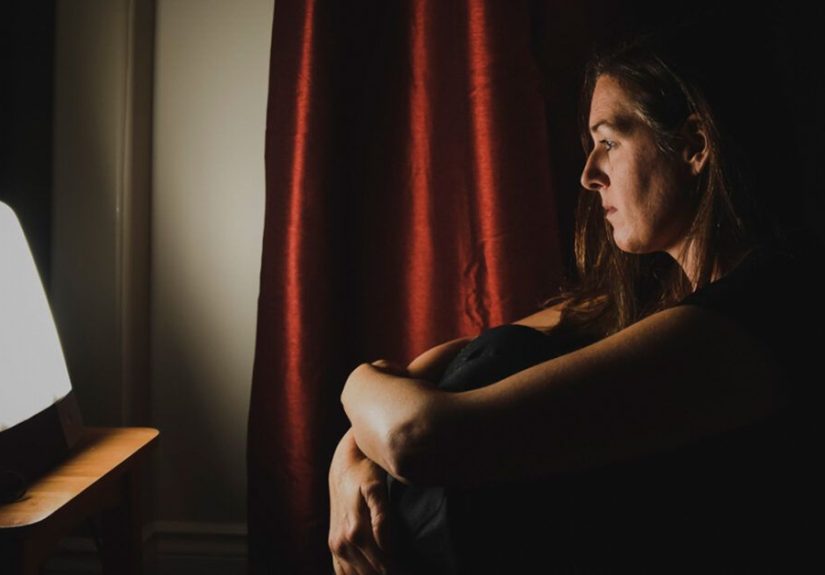
Clinically, SAD is a mood disorder. In real life, it often feels less like a neat diagnosis and more like your entire operating system has quietly switched into low-power mode without asking permission. Many people describe waking up tired after a full night of sleep, then moving through the day like they are wearing invisible ankle weights. Tasks that felt ordinary in July suddenly require a suspicious amount of negotiation in December.
One common experience is the feeling that motivation has gone missing, but not in a dramatic movie-scene way. It is usually quieter than that. You may still go to work, answer messages, and do basic chores, yet everything feels heavier and less rewarding. Hobbies lose their sparkle. Social plans start to feel optional at best and exhausting at worst. People sometimes say, “I know I should go out, but I just can’t get myself to care enough.” That emotional flattening can be one of the most frustrating parts.
Food and sleep changes can also become part of the story. Some people with winter-pattern SAD notice intense cravings for bread, pasta, sweets, or other comfort foods. Others feel like they could sleep ten hours and still greet the morning as if it personally offended them. It is not uncommon to feel embarrassed by those changes, especially when the outside world is busy posting cheerful seasonal content like everyone is starring in a mug commercial. Meanwhile, you are just trying to answer one email without staring into the middle distance for twenty minutes.
Another very real experience is self-doubt. Because SAD follows a seasonal rhythm, people may minimize it for years. They tell themselves they are lazy in winter, antisocial during the holidays, or “just not built for cold weather.” But when the same pattern repeats year after year, it can be a clue that something treatable is happening. The relief of finally naming it is huge. Once people realize, “This is not random, and it is not just me failing at winter,” they often feel less ashamed and more willing to get help.
There is also the experience of improvement, which deserves more airtime. Many people who get the right support notice a meaningful shift. Light therapy can help mornings feel more manageable. Therapy can make negative thought loops less convincing. Medication can make the world feel less dim and exhausting. Small routines, like getting outside early, taking a walk, opening blinds, or seeing friends even when it feels inconvenient, can help the season stop running the whole show.
Most importantly, living with SAD does not mean you are weak, broken, or destined to dread half the calendar. It means your mind and body may be especially sensitive to seasonal changes, and that sensitivity deserves care, not criticism. With awareness, treatment, and support, many people learn to spot the pattern early and handle it with far more confidence than before. Winter may still be winter, but it does not have to take over your whole personality.
Final Thoughts
Seasonal Affective Disorder is more than a seasonal slump. It is a real, recurring form of depression that can affect mood, sleep, appetite, concentration, and quality of life. The symptoms often show up in fall and winter, though some people experience a spring or summer pattern instead.
The most important takeaway is this: SAD is treatable. Light therapy, CBT, antidepressants, and supportive daily habits can all make a real difference. If you notice the same seasonal pattern year after year, pay attention to it. Your body may be giving you useful information, not just demanding extra carbs with unreasonable confidence.
Getting help early can make the season easier, protect your routine, and remind you that mental health care is not something reserved for emergencies. Sometimes it is simply the smartest way to get yourself back.