Table of Contents >> Show >> Hide
- What Is Sassafras Tea, Exactly?
- Why Sassafras Tea Became Controversial
- What the Science Actually Suggests About Risk
- Who Should Avoid Sassafras Tea?
- How to Tell If a “Sassafras Tea” Product Might Be Safer
- So… Is Sassafras Tea Legal in the U.S.?
- FAQ: Quick Answers That Don’t Waste Your Tea Kettle’s Time
- The Practical Takeaway
- Experiences and Real-World Moments With Sassafras Tea (500+ Words)
Sassafras tea has an old-school, porch-swing reputationpart “spring tonic,” part “grandma’s secret,” part “why does this smell like root beer?” But behind the cozy nostalgia is a very un-cozy reality: traditional sassafras tea can contain safrole, a naturally occurring compound that U.S. regulators have treated as a serious safety concern for decades.
If you’re wondering whether sassafras tea is “fine in moderation” or “absolutely not,” the honest answer is: it depends on what you mean by sassafras teaand what’s actually in the cup.
What Is Sassafras Tea, Exactly?
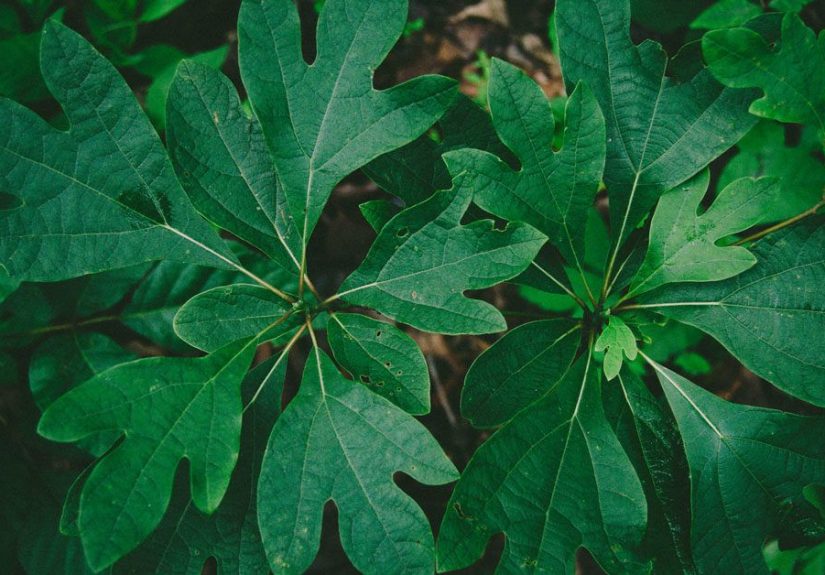
Sassafras tea is traditionally made by steeping parts of the sassafras tree (Sassafras albidum), most commonly the root bark. The result is aromatic, slightly sweet, and famously associated with classic root beer flavor.
The “root beer” connection
Historically, sassafras helped give root beer its signature profile. Today, commercial root beer flavoring generally relies on safrole-free flavorings and other botanicals/spices to mimic that vibe without the same regulatory baggage. Translation: your root beer nostalgia can exist without making your liver file a complaint.
Tea vs. oil: not the same beast
You’ll also hear about sassafras oil (essential oil distilled from root bark). This is far more concentrated than tea. Ingesting essential oils is risky in general, and sassafras oil is in the “nope” category for most people because of toxicity concerns. If tea is a campfire, the essential oil is a flamethrower.
Why Sassafras Tea Became Controversial
The short version: safrole.
Safrole is a natural constituent of sassafras, especially in the root bark (and in the oil distilled from it). Animal research found safrole can cause liver tumors in rodents under certain exposure conditions, which pushed U.S. regulators to treat it as an unsafe food additive.
What U.S. rules say (in plain English)
U.S. regulations prohibit adding safrole (and related substances like oil of sassafras) to foods. The rules also describe foods intended primarily to impart these substancesexplicitly including examples like sassafras teaas adulterated. That’s bureaucratic language for: “Not allowed for use as food in that form.”
This doesn’t mean every product with the word “sassafras” is automatically illegal or identical. It does mean you should assume traditional root-bark tea is a risk unless it’s clearly labeled and manufactured to be safrole-free.
What the Science Actually Suggests About Risk
1) Cancer risk concerns: what we know
Safrole has been classified in U.S. government carcinogen reporting as “reasonably anticipated to be a human carcinogen” based on sufficient evidence in experimental animals. That phrase sounds like a courtroom drama, but it’s basically: “We can’t ethically run human trials to prove it, but the animal evidence is strong enough that we’re not treating this as harmless.”
Important nuance: the animal studies often involve doses and exposure patterns that don’t map neatly onto one cup of tea. But regulators tend to treat carcinogenic signals conservativelyespecially for substances that don’t provide essential nutrition. You don’t need sassafras to live. You do need your liver.
2) Liver toxicity: why the liver keeps coming up
The liver is the body’s chemical-processing headquarters. Some compounds become more toxic after they’re metabolized. Safrole is one of those compounds that can be transformed into reactive metabolites, which is a key reason it’s tied to hepatotoxicity (liver toxicity) concerns in the scientific literature.
That matters because “herbal” does not automatically mean “gentle.” Herbal products can stress the liver, especially when the dose is uncertain or concentrated.
3) Acute side effects: the “I drank this and felt weird” bucket
Reports and safety summaries describe potential reactions such as sweating/hot flashes and other unpleasant effects after consuming sassafras preparations. Higher exposuresespecially from concentrated oilhave been associated in reference sources with symptoms like nausea, vomiting, dizziness, confusion, and even hallucinations.
Are these guaranteed to happen from a mild tea? No. Is it a great sign when a plant product has a history of “and then I started sweating like a rotisserie chicken” reports? Also no.
4) Drug interactions: the underappreciated issue
One of the sneakier risks with botanicals is interaction with medications. Safrole has been shown in lab research to inhibit several human cytochrome P450 (CYP) enzymes (the system that metabolizes many drugs). In real life, that can mean medication levels could theoretically rise or fall unpredictablyespecially for drugs with narrow safety margins.
This doesn’t automatically mean “sassafras tea will mess up your meds,” but it does support a practical rule: if you take prescription medications, don’t experiment with sassafras tea without medical guidance.
Who Should Avoid Sassafras Tea?
If you’re trying to decide whether sassafras tea is “worth it,” start here. The following groups should strongly consider avoiding it entirelyespecially any product that isn’t explicitly safrole-free:
- Pregnant or breastfeeding people: multiple safety references and herbal monographs caution against use, including concerns about uterine stimulation and pregnancy risk.
- Children: concentrated sassafras products are especially dangerous for kids; “a few drops” of essential oil is not a cute wellness hack.
- People with liver disease (or a history of elevated liver enzymes): this is the group least served by “let’s see what happens.”
- People taking multiple medications: potential CYP interactions make this a “talk to your clinician” situation, not a “TikTok said so” situation.
- Anyone using anticoagulants or with bleeding risks: not because sassafras is proven to alter INR, but because herbal self-experiments plus anticoagulants is a bad combo in general unless supervised.
How to Tell If a “Sassafras Tea” Product Might Be Safer
Here’s the tricky part: labeling in the supplement/herbal space can range from excellent to “made of vibes and wishful thinking.” If you’re determined to try something sassafras-flavored, look for clues that the product is designed to avoid safrole exposure.
Look for “safrole-free” (and mean it)
A reputable manufacturer may explicitly state safrole-free or safrole removed. If a product is vague“traditional root bark,” “wildcrafted,” “old-time remedy”that’s not a safety guarantee. That’s marketing poetry.
Prefer food-grade transparency over mystery-bag herbs
If a brand provides third-party testing, batch info, or clear sourcing details, that’s a good sign. If it’s sold as “not for internal use” but influencers are drinking it anyway, that’s a sign you should back away slowly.
Avoid DIY root-bark brewing
Homemade sassafras tea made from root bark is exactly where safrole content becomes most unpredictable. “Natural” is not a dosage unit. And boiling something doesn’t magically remove carcinogenic constituents.
So… Is Sassafras Tea Legal in the U.S.?
This is where the internet gets messy, because people conflate four different things:
- The plant (sassafras trees exist and are legal)
- Sassafras flavor (commercial flavoring can be safrole-free)
- Herbal products labeled “sassafras” (vary wildly)
- Tea intended as a vehicle for safrole/oil of sassafras (explicitly treated as adulterated in U.S. food regulations)
Bottom line: U.S. food regulations are clear that safrole (and oil of sassafras and related compounds) are prohibited for use in human food, and they specifically call out foods intended primarily to impart these substanceslike sassafras teaas adulterated. That’s why “real” traditional sassafras tea is controversial.
FAQ: Quick Answers That Don’t Waste Your Tea Kettle’s Time
Does sassafras tea have benefits?
Traditional use includes digestive comfort, “spring cleansing,” and mild diuretic folklore. But strong modern clinical evidence for meaningful health benefits is limited compared with the known safety concerns around safrole-containing preparations.
Is “a little” sassafras tea okay?
With safrole-containing tea, “a little” is hard to define because the dose can vary. Regulators generally treat safrole exposure through food as unacceptable, which tells you where the risk-benefit math lands.
What about sassafras leaves (filé powder)?
Filé powder (used in some Cajun/Creole cooking) is made from sassafras leaves, not the root bark. The major safrole concern is most strongly tied to root-bark oil constituents. Still, if you’re pregnant, on medications, or have liver concerns, it’s smart to keep your healthcare team in the loop.
What’s a safer alternative if I just want the flavor?
Consider safrole-free sassafras flavoring from reputable food suppliers, or root-beer-inspired blends that use other spices (wintergreen, vanilla, anise, cinnamon) without relying on root-bark extraction.
The Practical Takeaway
Sassafras tea lives at the intersection of nostalgia and toxicology. The traditional root-bark brew can contain safrole, a compound that has driven U.S. prohibitions in food use and has a strong history of concern in animal studies.
If you’re drinking sassafras tea for “health,” you’re taking on a risk profile that doesn’t match the evidence for benefits. If you’re drinking it for flavor, there are safer ways to get that root-beer warmthwithout playing ingredient roulette.
When in doubt, treat sassafras like a charming historical character: interesting in stories, questionable as a roommate.
Health note: This article is for educational purposes and is not medical advice. If you’re pregnant, have liver concerns, or take medications, talk with a licensed clinician before using herbal products.
Experiences and Real-World Moments With Sassafras Tea (500+ Words)
Sassafras tea has a way of showing up in people’s lives like a cameo from a period drama: suddenly, unexpectedly, and usually accompanied by someone saying, “My granddad swore by this.” A common first-time experience is the aroma. The steam hits your face and your brain goes, Wait… is this root beer?even if you haven’t had a root beer float since your biggest life problem was recess politics.
People who try it for nostalgia often describe the flavor as warming and woodsy, with a sweet-spice edge. Some compare it to sipping a gentler version of a root beer baseless sugary carnival, more herbal cabin. That pleasant familiarity is exactly why sassafras is so tricky: the sensory experience is comforting, which can make the risk conversation feel like someone just walked into your cozy kitchen and started reading warning labels out loud.
Another real-world pattern: the “health reset” moment. Someone sees sassafras tea mentioned in an old herbal book, a family story, or a wellness forum and decides it must be a natural detox. The experience here is often psychological as much as physicalmaking a ritual, choosing a “clean” drink, feeling like you’re doing something proactive. Sometimes the body feedback is subtle (warmth, mild stomach movement, a sense of “something is happening”). Sometimes it is not subtlelike unexpected sweating, flushing, or feeling jittery. And that’s usually when the person starts Googling in earnest, because nothing motivates research like your body behaving like it got an urgent memo.
Then there’s the label-reader’s experiencethe one that doesn’t look dramatic but is actually the most important. People pick up a product called “sassafras tea” and notice it either clearly states “safrole-free” (with some manufacturing detail), or it says… basically nothing. The emotional journey can be surprisingly relatable: excitement → suspicion → adult responsibility. It’s like realizing the “vintage” car you want is adorable, but it also doesn’t have airbags.
In conversations with herbalists and long-time foragers, you’ll also hear a consistent theme: sassafras as a plant has deep cultural and historical roots, but modern safety knowledge changes the way people approach it. Many people who love traditional plants still draw a firm line between appreciating a botanical and consuming a preparation with known toxicology red flags. In other words, you can respect the plant without inviting it to run your biochemistry unsupervised.
Finally, one of the most common “sassafras tea experiences” is the pivot: people who loved the idea of sassafras often end up choosing safer alternatives once they understand the safrole issue. They recreate the flavor with root-beer-inspired spice blends, use verified safrole-free flavoring, or simply keep sassafras as a “smell-memory” instead of a beverage habit. And honestly? That’s a pretty mature ending for a story that starts with “My aunt said this was good for everything.”
If you take anything from these experiences, let it be this: the most satisfying cup is the one you can enjoy without a side of regret, panic-searching, or “maybe I shouldn’t have done that.” Nostalgia tastes better when it doesn’t come with a toxicology footnote.