Table of Contents >> Show >> Hide
- What Makes These “Rustic” (and Why It’s a Good Thing)
- Ingredients (and the “Why” Behind Them)
- Rustic Garlic Mashed Potatoes (Skin-On) The Recipe
- Optional: Roasted Garlic Upgrade (Sweet, Mellow, Fancy)
- Technique Notes: How to Avoid Gluey, Sad Mashed Potatoes
- Flavor Variations (Choose Your Adventure)
- What to Serve With Rustic Garlic Mashed Potatoes
- Make-Ahead, Storage, and Reheating (Because Life Happens)
- Troubleshooting (Mash Rescue Hotline)
- Real-Kitchen Experiences (The Stuff You Only Learn After You Make Them)
If mashed potatoes are the comfy sweatpants of side dishes, rustic garlic mashed potatoes are the comfy sweatpants that somehow look good enough to wear to brunch. They’re creamy, yesbut also a little chunky, a little skin-on, and unapologetically garlicky in that “please talk to me from a respectful distance” kind of way.
This is the mash you make when you want something that tastes homemade on purpose. Not “I forgot to peel the potatoes,” but “I left the skins on because flavor, texture, and a tiny bit of rebellion.” Whether it’s Thanksgiving, a Tuesday roast chicken, or you’re just emotionally investing in butter, this recipe delivers.
What Makes These “Rustic” (and Why It’s a Good Thing)
Rustic mashed potatoes are the happy medium between silky restaurant purée and “I attacked a potato with a fork.” You’ll keep some texture, keep some skins, and mash just enough to get that scoopable, spoon-hugging consistency.
- Skins stay on (mostly): extra flavor, extra nutrients, and a cozy look.
- Chunky-creamy texture: tender bits plus a buttery base.
- Garlic done right: mellow, aromatic, not raw and aggressive.
Ingredients (and the “Why” Behind Them)
Pick Your Potatoes: Yukon Gold, Red, or a Blend
Potato choice decides your destiny. For rustic mash, you want potatoes with good flavor and skins you can actually enjoy. Yukon Golds are naturally buttery and mash up creamy without needing a gallon of dairy. Red potatoes have thin skins that behave nicely in a skin-on situation and hold a little more structuregreat for that “rustic” bite.
If you love a fluffier mash, mix in some russets (they’re starchier), but keep your stirring gentlerussets can turn gummy if you overwork them.
Garlic: Three Routes to Maximum Flavor (No Regrets)
- Boiled with the potatoes: easy, mellow, and fast. Garlic flavor infuses the mash without harshness.
- Garlic-infused butter and milk: cozy, aromatic, and very “I know what I’m doing,” even if you don’t.
- Roasted garlic: sweet, caramelized, and basically garlic’s final boss form (optional, but highly encouraged).
Butter + Warm Dairy = Creamy, Not Gluey
Cold milk and cold butter can shock hot potatoes, forcing you to overmix just to get everything combined. Overmixing is where mashed potatoes get sticky and weird. Warm your dairy, and you’ll need less stirringyour potatoes stay fluffy, creamy, and emotionally stable.
Rustic Garlic Mashed Potatoes (Skin-On) The Recipe
Serves: 6–8 | Prep: 15 minutes | Cook: 20–25 minutes
Ingredients
- 3 pounds Yukon Gold and/or red potatoes, scrubbed well (skins on)
- 6–10 cloves garlic, peeled (more if your heart says so)
- 6 tablespoons unsalted butter, plus more for serving
- 3/4 to 1 cup whole milk or half-and-half (warm), plus more as needed
- 1 1/2 teaspoons kosher salt, plus more to taste
- 1/2 teaspoon freshly ground black pepper (or to taste)
- Optional: 2 tablespoons sour cream or cream cheese (extra tang and richness)
- Optional: chopped chives or parsley for finishing
Equipment
- Large pot
- Colander
- Potato masher (rustic MVP)
- Small saucepan (for warming dairy + infusing garlic)
Step-by-Step Instructions
- Cut and soak (optional, quick rinse is enough). Cut potatoes into 1 1/2–2-inch chunks. If your potatoes are extra dirty or you want a cleaner mash, rinse them in cold water and drain.
- Start cold, then boil. Put potatoes in a large pot and cover with cold water by about an inch. Add 1 teaspoon of the salt. Add the peeled garlic cloves right into the pot. Bring to a boil, then reduce to a steady simmer.
- Cook until tender, not tragic. Simmer 15–20 minutes, until a knife slides into the potato pieces easily. Don’t overboilwaterlogged potatoes make bland mash.
- Warm the dairy (and level up the garlic). While potatoes cook, warm milk (or half-and-half) in a small saucepan with 3 tablespoons of the butter. For extra garlic aroma: smash 2–3 additional garlic cloves and let them warm in the milk-butter for a few minutes, then remove them (or keep them in if you’re feeling bold).
- Drain, then dry. Drain potatoes and garlic in a colander. Return everything to the hot pot. Set the pot back over low heat for 1–2 minutes, stirring gently, to let excess steam escape. This is the quiet little step that prevents watery mash.
- Mash it rustic. Add remaining 3 tablespoons butter to the hot potatoes. Mash until mostly smooth but still textured. If you like more chunk, stop earlier. If you like more creamy, keep goingbut don’t whip.
- Add warm dairy gradually. Pour in about 3/4 cup of the warm milk mixture and mash to combine. Add more, a splash at a time, until you hit your preferred texture: scoopable, creamy, and not soupy.
- Season like you mean it. Add remaining salt to taste and the black pepper. If using sour cream or cream cheese, stir it in gently now.
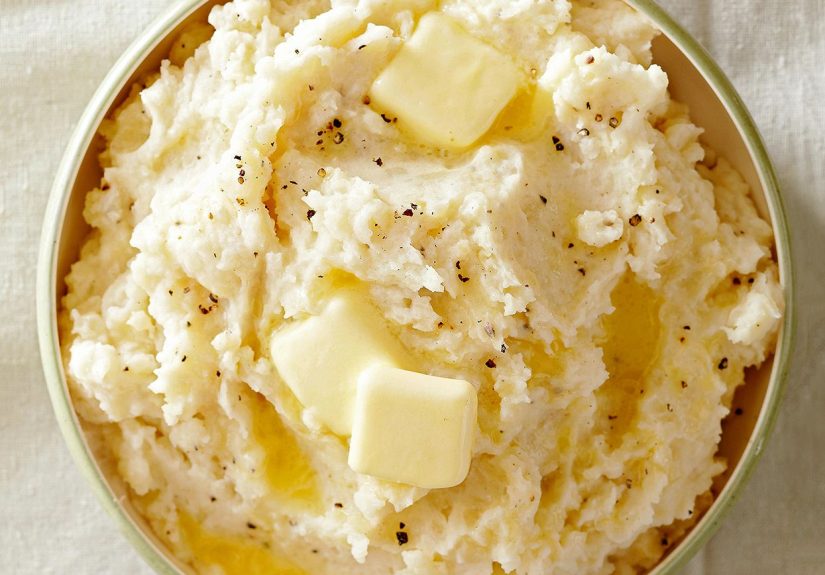
- Finish and serve. Spoon into a bowl, make a little crater (for butter purposes), add a pat of butter, and shower with chives or parsley. Serve hot and accept compliments with humility (or not).
Optional: Roasted Garlic Upgrade (Sweet, Mellow, Fancy)
Want that deep, caramelized garlic flavor? Roast a whole head (or two if you’re in your garlic era). Slice the top off a head of garlic, drizzle with olive oil, wrap in foil, and roast at 375°F until very soft and golden, about 40–50 minutes. Squeeze the cloves into a paste and mash it into the potatoes with the butter.
Technique Notes: How to Avoid Gluey, Sad Mashed Potatoes
- Use warm dairy. Cold milk forces extra mixing; extra mixing releases starch and turns mash gummy.
- Don’t use a blender or food processor. They overwork the starch fast. Your potatoes will turn into paste.
- Dry the potatoes after draining. A minute on low heat lets steam escape so your mash tastes potato-y, not watery.
- Add butter first, then dairy. Butter coats the starch and helps keep the texture rich and creamy.
- Salt the cooking water. It seasons the potatoes from the inside, so you’re not trying to “fix it later” with salt on top.
Flavor Variations (Choose Your Adventure)
Herb Garden Mash
Add minced rosemary or thyme to the warm milk-butter mixture. Finish with parsley and black pepper.
Cheesy Comfort Mash
Fold in grated Parmesan or sharp cheddar. For extra richness, add a spoonful of cream cheese.
Buttermilk Tang
Swap some of the milk for buttermilk. It adds gentle tang and makes the garlic feel even more savory and balanced.
Lighter (Still Delicious) Mash
Use whole milk instead of cream, and cut the butter slightly. Keep the garlic strong and the seasoning confident.
Dairy-Free / Vegan Mash
Use olive oil or plant-based butter and warm unsweetened oat milk. Add roasted garlic for richness without dairy. Finish with chives and lots of black pepper.
What to Serve With Rustic Garlic Mashed Potatoes
These mashed potatoes are basically a side dish with main-character energy. Try them with:
- Roast chicken, turkey, or glazed ham
- Meatloaf, pot roast, or steak (peppery mash + beef = yes)
- Mushroom gravy and roasted vegetables for a vegetarian comfort plate
- Pan-seared salmon with lemony greens (the mash plays nice)
Make-Ahead, Storage, and Reheating (Because Life Happens)
Make Ahead
Make the potatoes a few hours ahead and keep them warm, covered. If they thicken, stir in a splash of warm milk or melted butter right before serving.
Keep Warm for a Crowd
For holiday chaos, keep mashed potatoes warm on low heat using a slow cooker or a gentle water bath setup. Add a few pats of butter on top to help lock in moisture.
Refrigerate
Store leftovers in an airtight container for up to 3 days. Reheat gently on the stove or in the microwave with a splash of milk and a small knob of butter.
Troubleshooting (Mash Rescue Hotline)
Too Thick?
Add warm milk a splash at a time. Stir gently, then stop before it turns gluey.
Too Thin?
Put the pot over low heat and stir gently to steam off moisture. Or stir in a little more mashed potato if you have extra cooked potato chunks.
Not Garlicky Enough?
Stir in roasted garlic paste, garlic-infused butter, or (last resort) a tiny pinch of garlic powder. Taste, adjust, and don’t panic.
Tastes Flat?
It’s almost always salt. Add a pinch, stir, taste again. Repeat until the potatoes wake up.
Real-Kitchen Experiences (The Stuff You Only Learn After You Make Them)
The first time most people make rustic garlic mashed potatoes, the surprise isn’t the garlicit’s the texture. You think “skins on” means “slightly rustic,” then you take a bite and realize you’ve been living in a world where mashed potatoes are either silky or lumpy with no middle ground. Rustic mash is the middle ground. It feels hearty, like it belongs next to roast chicken and a story about someone’s grandma who could eyeball a teaspoon of salt from across the kitchen.
One of the most common experiences: the mash looks perfect in the pot, then five minutes later it tightens up like it just remembered it has a meeting. That’s normal. Potatoes keep absorbing liquid as they sit. This is why warming a little extra milk (or half-and-half) is a power move. When you’re ready to serve, you fold in a splash of warm dairy and suddenly the potatoes relax againcreamy, fluffy, and ready for their close-up.
Another classic moment: you taste, and it’s… fine. Not bad. Just fine. Then you add a pinch more salt and a little black pepper, and it becomes the thing everyone keeps “just sampling” directly from the bowl. Garlic mashed potatoes aren’t only about garlic; they’re about seasoning confidence. Potatoes are like sponges for flavor, but they don’t magically season themselves. Salting the cooking water helps, but finishing salt is where the magic lands.
If you’ve ever dealt with “gluey mash,” you know it’s not subtle. The texture gets stretchy, like the potatoes are auditioning for a role as craft paste. People usually hit this by overmixingespecially when trying to force cold butter to melt. The experience lesson is simple: keep everything warm, and mash with restraint. A potato masher gives you rustic texture without overworking the starch. The goal isn’t “perfectly smooth,” it’s “perfectly comforting.”
For holiday tables, there’s also the “gravy compatibility” discovery. Rustic garlic mash holds gravy like a champ because the little ridges, skins, and tender lumps give sauce more places to cling. Silky purée is elegant, but rustic mash is practical: it’s basically gravy’s best friend. And if you’re feeding a crowd, people remember the potatoes that taste like buttered garlic bread had a cozy, starchy baby.
Finally, a real-life serving tip that feels almost too easy: finish with butter on top after you move the potatoes to a warm bowl. That butter melts into the surface, keeps the mash from drying out, and makes the whole thing look like you planned this level of deliciousness all along. Which, of course, you did.