Table of Contents >> Show >> Hide
- Why This Style Pairing Actually Works
- The Core Formula: 70/30 Balance
- Material Palette: What to Use and Why
- Color Strategy: Calm First, Character Second
- Lighting: The Make-or-Break Layer
- Room-by-Room Design Playbook
- Furniture Curation: Keep It Honest
- How to Use Pattern Without Chaos
- Cultural Respect: Inspiration Without Appropriation
- Common Mistakes and Smart Fixes
- Budget Tiers: You Can Do This at Any Price Point
- Final Thoughts: A Home That Feels Both Grounded and Modern
- Experience Section (Approx. ): Living the Blend Day by Day
If a mountain cabin in Transylvania and a sunlit Copenhagen apartment had a very stylish design baby, you’d get
Romanian Rustic Meets Nordic Modern. It sounds niche, yes. It sounds a little like an indie band, also yes.
But in practice, this hybrid is one of the most livable, soulful directions in interiors right now: warm but uncluttered,
handcrafted but calm, old-world texture with modern breathing room.
Romanian rustic brings character: carved wood, handwoven textiles, painted ceramics, patina, and stories in every surface.
Nordic modern brings discipline: clean lines, thoughtful function, pale light-reflecting palettes, and the cozy restraint of
“less, but better.” Together, they solve a common home problem: spaces that are either too sterile to feel human or too crowded
to feel restful. This style gives you both heart and exhale.
In this guide, you’ll learn how to blend these two aesthetics without turning your home into a design identity crisis. We’ll
cover color systems, materials, furniture proportions, room-by-room strategies, and practical examples for real homes and real
budgets. Expect a few playful nudges along the way. (No, you do not need to own a reindeer throw or a hand-carved throne.)
Why This Style Pairing Actually Works
Romanian Rustic: Craft, Symbol, and Warmth
Romanian rustic interiors are rooted in vernacular craft traditions: carved timber details, natural fibers, embroidered patterns,
pottery, and a strong relationship to rural architecture. The energy is tactile and storied. You feel the hand of the maker.
You notice texture before trend.
A key inspiration is Romanian textile tradition, where geometric embroidery and natural fibers create visual rhythm without requiring
flashy colors. Applied to interiors, this becomes patterned cushions, woven runners, stitched wall textiles, and handmade table linens
that add identity and memory.
Nordic Modern: Light, Function, and Quiet Confidence
Nordic modern design is famous for balancing minimalism with comfort: neutral tones, light woods, practical furniture, natural light,
and intentional editing. Every item should have a purpose, a place, or both. It’s not emptiness; it’s clarity.
When you combine Nordic modern with Romanian rustic, Nordic principles prevent the space from feeling heavy, while Romanian elements
prevent it from feeling impersonal. One brings structure, the other brings soul.
The Core Formula: 70/30 Balance
A simple rule keeps this look cohesive:
- 70% Nordic modern base (walls, major furniture silhouettes, lighting language, spatial flow)
- 30% Romanian rustic character (textiles, carved wood accents, ceramics, folk-inspired motifs, heirloom touches)
Why this ratio works: the room stays bright and breathable while still feeling unique and collected. Go 50/50 too early, and things
can get visually noisy. Start cleaner, then layer in heritage texture.
Material Palette: What to Use and Why
Foundational Materials
- Light oak, ash, or birch: Nordic backbone; reflects light and keeps spaces open.
- Aged or darker carved wood: Romanian counterpoint; adds history and contrast.
- Limewash, plaster, or matte paint: Soft wall finish with subtle movement.
- Linen, wool, cotton: breathable, tactile, timeless textile layer.
- Stone and clay: grounding elements through vases, trays, lamp bases, or tile.
- Iron or blackened metal: visual anchor for lighting and hardware.
What to Avoid
- Too many glossy finishes in one room (kills the handmade mood).
- Faux-distressed everything (one authentic patina beats ten fake ones).
- Competing wood tones with no bridge textile or neutral buffer.
Color Strategy: Calm First, Character Second
Start with a Nordic-friendly base: warm white, soft ivory, pale greige, muted mushroom, light taupe, fog gray.
Then layer Romanian-inspired accents in measured doses: indigo, oxblood, forest green, clay red, or deep cobalt.
A useful approach is “neutral envelope, folkloric punctuation.” Keep large surfaces quiet, and let accessories carry
cultural expression. Think: creamy walls + a patterned kilim runner + a deep blue ceramic bowl + carved wooden stool.
Lighting: The Make-or-Break Layer
Nordic modern thrives on layered light. Use three levels in every key room:
- Ambient: soft, warm overhead or diffused ceiling sources.
- Task: pendants over dining/work zones; directional reading lamps.
- Accent: table lamps, sconces, candlelight, and reflective ceramics.
Keep bulbs warm and flattering. Harsh cool-white light will make your beautiful linen sofa look like an office waiting area from 2008.
Room-by-Room Design Playbook
Living Room: Cozy Precision
Begin with a clean-lined sofa in oatmeal or stone. Add a low-profile wooden coffee table (Nordic silhouette), then layer
Romanian character through a woven pillow mix, a heritage-inspired textile, and one carved side stool or vintage chest.
Anchor with a wool rug that has subtle pattern movement rather than loud high-contrast graphics.
Styling tip: follow the “rule of meaningful odd numbers.” Group objects in threes or fives, varying height and texture:
ceramic vase + beeswax candle + small carved object. It feels curated, not crowded.
Kitchen and Dining: Utility with Poetry
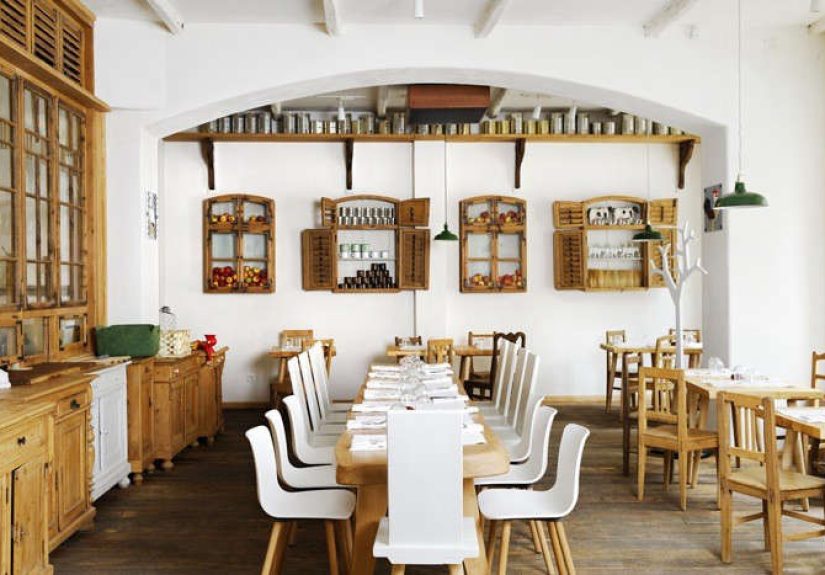
Choose flat-front or shaker-lite cabinetry in matte neutral tones. Add timber elements through open shelves or a dining table.
Then introduce Romanian rustic via hand-thrown pottery, embroidered table linens, and a statement wooden board wall.
Try this pairing:
- Nordic base: pale wood table, minimalist chairs, simple pendant.
- Romanian layer: woven runner, glazed serving bowls, carved fruitwood tray.
Result: practical everyday function with dinner-party personality.
Bedroom: Soft Minimalism with Heritage Texture
Keep furniture low and simple. Use linen bedding in layered neutrals, then add one statement textile at the foot of the bed
(embroidered throw, woven blanket, or folk-inspired coverlet). Choose bedside lamps with ceramic or stone bases for an earthy glow.
Don’t over-accessorize. Bedrooms need visual quiet. Let one crafted piece do the storytelling.
Bathroom and Entryway: Small Spaces, Big Identity
In bathrooms, combine clean tile geometry with handcrafted accents: clay jars, natural soap dishes, woven baskets, and a small
wooden stool. In entryways, use a simple bench and peg rail, then add a patterned runner and one carved mirror or framed textile.
First impression goal: “This home is calm… and interesting.”
Furniture Curation: Keep It Honest
Buy fewer, better pieces. Prioritize:
- Solid-wood dining table with visible grain.
- Comfortable, durable upholstered seating in neutral fabric.
- One heritage or vintage anchor piece per room (cabinet, bench, carved chair).
- Closed storage to preserve the Nordic uncluttered look.
If everything screams “statement,” nothing is a statement. Let your room breathe between moments of detail.
How to Use Pattern Without Chaos
Romanian-inspired patterns are gorgeous, but pattern stacking needs strategy:
- Pick one dominant motif family (geometric, floral, or striped).
- Vary scale (small on pillows, medium on runner, large nowhere else).
- Limit palette to 2–3 accent colors.
- Balance with solids and natural textures.
Think of pattern as seasoning. Enough to notice. Not enough to call the fire department.
Cultural Respect: Inspiration Without Appropriation
Referencing Romanian folk aesthetics should be done thoughtfully. Whenever possible, buy from Romanian artisans, fair-trade textile
makers, museum-shop partners, or verified craft collectives. Learn the meaning behind motifs before using them as decor shorthand.
The goal is not costume design for your living room. The goal is meaningful, respectful integration of craft traditions into modern life.
Common Mistakes and Smart Fixes
- Mistake: Too many rustic pieces, room feels heavy.
Fix: Lighten wall and textile palette; swap bulky pieces for slimmer silhouettes. - Mistake: Too minimal, room feels cold.
Fix: Add wool, linen, wood grain, candlelight, and hand-thrown ceramics. - Mistake: Clashing wood tones.
Fix: Introduce a bridging tone via rug or textile; repeat each tone at least twice. - Mistake: Overdecorated open shelving.
Fix: Keep 30–40% negative space; group by material, not by “cute object density.”
Budget Tiers: You Can Do This at Any Price Point
Starter (Low Budget)
- Repaint walls to a warm soft white.
- Replace synthetic throws with wool/linen blends.
- Add two artisan-looking ceramic pieces and one woven runner.
- Declutter visible surfaces by 25%.
Mid-Range
- Upgrade lighting layers (pendant + floor lamp + table lamp).
- Swap one major furniture piece for solid wood.
- Add a handcrafted textile focal point (blanket, wall textile, table linen).
Investment Level
- Custom millwork with clean Nordic lines.
- Heirloom dining table and artisan ceramics collection.
- Curated vintage/heritage pieces with provenance.
Final Thoughts: A Home That Feels Both Grounded and Modern
Romanian Rustic Meets Nordic Modern is more than a trend mash-up. It’s a design philosophy for people who want
a home that feels intentional, emotionally warm, and deeply livable. Nordic modern gives you the architecture of calm. Romanian rustic
gives you the poetry of craft. Together, they create rooms that work hard and feel human.
If you remember one thing, let it be this: keep the structure simple, keep the materials natural, and keep one hand on heritage.
That’s how your space stays timelessnot trendy, not frozen, just beautifully alive.
Experience Section (Approx. ): Living the Blend Day by Day
Imagine stepping into a home where the morning light hits limewashed walls, slides across a pale oak floor, and lands on a carved
wooden bench by the entry. That first moment sets the tone: this is not a showroom. It is quiet, warm, and ready for real life.
The coffee goes into a hand-thrown ceramic cup with a slightly imperfect rimthe kind of imperfection that makes your hand hold it
a little longer. The kitchen is minimal in layout, almost Nordic to a fault, but then you notice the embroidered runner on the table,
the deep blue glaze on a serving bowl, and suddenly the space feels personal, not generic.
By lunchtime, the design choices start proving themselves in practical ways. The dining chairs are simple and ergonomic. The table is
solid wood and unbothered by crumbs, homework, laptops, and one suspicious jam incident. Open shelves stay airy because they are edited;
no visual shouting, just a few useful pieces and some pottery with quiet character. The room feels tidy even when life is happening.
That’s the magic of Nordic structure: it gives your day a little order without feeling strict.
In the afternoon, the living room shifts mood. Natural light fades, and layered lighting takes over: a floor lamp near the sofa,
a small table lamp by the reading chair, a candle on the coffee table. The room gets cozy fast, but not in a cluttered way. A woven
throw with Romanian-inspired pattern adds texture. A carved stool next to a clean-lined sofa creates that beautiful tension between
old and new. You can put your feet up and still feel like you have excellent taste. That is a rare combination.
Evening dinner with friends is where this style really shines. Guests usually comment on the atmosphere before they comment on any
specific object. They say things like, “It feels calm in here,” and “How is this so simple and still so warm?” The answer is layering:
neutral envelope, natural materials, meaningful accents. The table linen tells a story; the lighting flatters everyone; nothing feels
precious, yet everything feels considered.
On weekends, the home becomes even more expressive. A small market bouquet goes into a clay vase. Bread sits on a carved board.
A wool blanket migrates from bedroom to sofa to armchair depending on mood and weather. Kids or guests can use the space freely
because it was designed for use, not fear. This is important: beautiful homes should support life, not interrupt it.
Over time, the experience gets better. Scratches on wood look earned, not tragic. Linen softens. Handmade ceramics collect tiny signs
of use. Instead of aging out, the home ages in. And that may be the best part of Romanian Rustic Meets Nordic Modern: it doesn’t chase
perfection. It builds belonging. Every day, the house feels a bit more like yourscalm enough to reset you, textured enough to reflect you,
and practical enough to survive your Tuesday.