Table of Contents >> Show >> Hide
- What is radiation dermatitis (and why does it happen)?
- Symptoms: What radiation dermatitis looks and feels like
- Who’s more likely to get a stronger reaction?
- When to call your radiation team (don’t “tough it out”)
- Treatment: How to soothe radiation dermatitis and help skin heal
- 1) Gentle cleansing (yes, you can wash)
- 2) Moisturize like it’s your side hustle
- 3) Reduce friction and heat (your skin hates “extras” right now)
- 4) Itch and inflammation: topical steroids (when your team prescribes them)
- 5) Dressings and barrier films (a “high-tech Band-Aid,” minus the stick)
- 6) Moist desquamation (weeping skin): protect, absorb, and prevent infection
- 7) Infection: know the signs
- 8) Pain management: don’t white-knuckle it
- Prevention: Your best “before it gets spicy” strategy
- Common myths (and the real story)
- Quick checklist: Your radiation-dermatitis game plan
- Conclusion
- Experience section: What it’s really like (and what people say helps) 500+ words
Radiation therapy is brilliant at one job: aiming high-energy beams at cancer cells and telling them, politely but firmly, to stop causing problems. Unfortunately, your skin can get caught in the “blast radius,” and it does not RSVP happily. The result is often radiation dermatitis (also called radiodermatitis or a radiation skin reaction)a set of predictable, usually temporary skin changes that show up in the treated area during or after radiotherapy.
If you’re reading this because you’re starting radiation or you’ve noticed your skin looking like it’s auditioning for a “sunburn” role, take a breath. Most cases are manageable with the right routine, quick reporting of red flags, and a plan that fits your body, your treatment, and your daily life. This guide breaks down symptoms, treatment, and prevention in plain Englishwith enough detail to feel empowered, not overwhelmed.
Medical note: This article is educational and not a substitute for care from your radiation oncology team. Always follow your clinic’s instructionsthey know your treatment plan and your skin best.
What is radiation dermatitis (and why does it happen)?
Radiation dermatitis is skin irritation and injury caused by exposure to therapeutic radiation. Radiation has to pass through the skin to reach a tumor, and while modern planning tries to protect healthy tissue, the skin in the treatment field still absorbs some dose. Over time, that can disrupt the skin barrier, trigger inflammation, and slow the normal “repair crew” your skin uses to replace cells and maintain moisture.
Think of your skin as a brick wall: cells are the bricks, lipids are the mortar, and moisturizers are the maintenance team. Radiation can rough up the mortar, irritate the bricks, and make the wall less water-tight. The result is dryness, itching, redness (or darkening), peeling, andif more severe weepy open areas.
A key detail: radiation dermatitis typically stays confined to the area receiving radiation. If you develop a widespread rash outside the field, tell your care teamother causes like medication reactions or infection may be in play.
Symptoms: What radiation dermatitis looks and feels like
Early signs (often weeks into treatment)
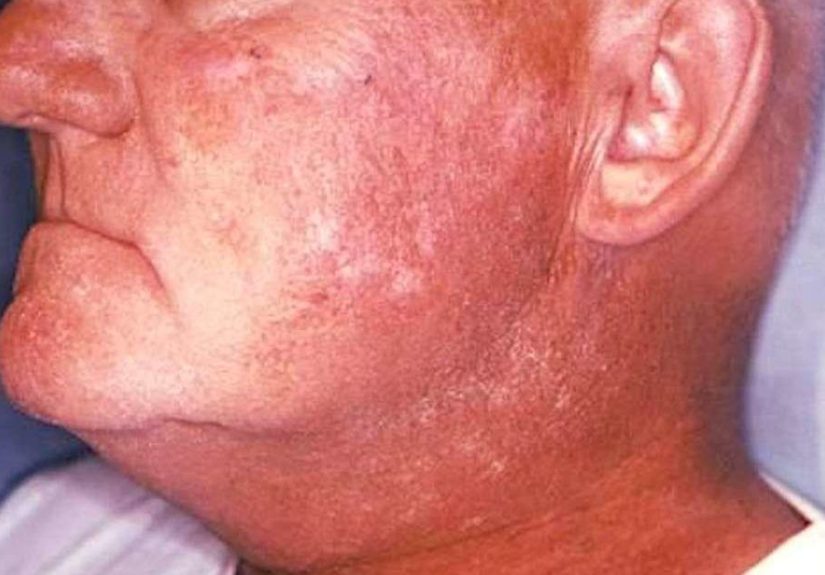
Many people notice changes after the first couple of weeks of radiation. The skin may look mildly pink or tanned and feel dry, tight, or itchylike a “polite sunburn” that’s trying not to be dramatic (but may fail later). It can also feel warm, sensitive, or mildly swollen.
Common symptoms (the “middle chapters”)
- Redness on lighter skin or darkening on darker skin tones
- Dryness, tightness, flaking, or scaling (often called dry desquamation)
- Itching, stinging, or burning
- Swelling or puffiness in the treated area
- Increased sensitivity to friction (clothing, bra straps, seat belts)
More severe symptoms (when the skin barrier really struggles)
In more intense reactions, the top layer of skin can break down, leading to moist desquamationtender, weeping, raw areas that may look like peeled skin and can sting like it’s holding a personal grudge. Blistering can occur. These areas require careful dressing and infection prevention, and they’re a “call your team today” situation.
Timing: When it peaks and how long it lasts
Radiation skin reactions often build gradually during the course of treatment, and they may peak around the end of treatment or even in the couple weeks after you finish. Healing can take several weeks, depending on severity and the location (skin folds tend to be crankier). Your team typically checks your skin weekly during radiation, which is greatbecause skin reactions love to change their mind.
Chronic (late) changes: months to years later
Most people heal well, but some develop longer-term effects such as persistent color changes, visible small blood vessels (telangiectasia), thickened or tightened skin from fibrosis, or fragile skin that’s more sensitive than it used to be. Late effects can show up months to years after radiation, so it’s worth mentioning any new skin changes at follow-up visitseven if your last radiation session feels like ancient history.
Who’s more likely to get a stronger reaction?
Almost everyone gets some skin change with radiation therapy, but severity varies. Risk depends on treatment factors (dose, field size, technique) and personal factors (skin characteristics, overall health). Here are common situations that can raise the odds of a tougher skin reaction:
Treatment-related factors
- Higher total dose or larger treated area
- Areas with friction or moisture (under the breast, armpit, groin, skin folds)
- Bolus materials (used to increase skin dose for certain targets)
- Concurrent chemo/biotherapy (can increase skin sensitivity)
- Prior surgery or prior radiation in the same area
Patient-related factors
- Smoking (slower healing and higher irritation risk)
- Diabetes or conditions that impair healing
- Higher BMI (more skin folds and friction)
- Chronic sun exposure in the treated area
- Skin tone considerations: reactions may look different, and redness can be harder to detect on darker skinso report symptoms like warmth, tenderness, tightness, or itching early.
None of this is meant to scare you; it’s meant to help you plan. If you’re in a higher-risk group, prevention steps matter even morelike starting gentle moisturizing early and discussing protective dressings with your team.
When to call your radiation team (don’t “tough it out”)
Call your radiation oncologist or nurse promptly if you notice any of the following in the treatment area:
- Blistering, open skin, weeping/drainage, or rapidly worsening peeling
- Increasing pain, warmth, swelling, foul odor, or new rash (possible infection)
- Fever or chills
- Skin that feels hard/hot, or pain that’s escalating instead of stabilizing
- Any change that makes daily life hardsleep, clothing, movement, hygiene
Here’s the underrated truth: early help often prevents bigger problems. Radiation therapy is a marathon; your skin doesn’t get bonus points for suffering quietly.
Treatment: How to soothe radiation dermatitis and help skin heal
Treatment depends on severity. Mild reactions are mostly barrier support and comfort. More severe reactions may require prescription topicals, dressings, and sometimes antibiotics. Your team’s instructions always come first, but these are common, evidence-informed strategies.
1) Gentle cleansing (yes, you can wash)
Many clinics recommend daily gentle washing with lukewarm water and a mild, fragrance-free cleanser. Use your handskip washcloth scrubbing, loofahs, and anything that sounds like it belongs in a power-tool aisle. Pat dry with a soft towel. Clean skin lowers infection risk and helps products work better.
2) Moisturize like it’s your side hustle
A fragrance-free moisturizer can reduce dryness and flaking. Start earlyoften from the beginning of radiationunless your team says otherwise. Apply a thin layer at least once or twice daily (more if recommended). One important timing tip: avoid applying lotions right before treatment. Many centers ask you to keep the skin clean and product-free immediately before radiation, then moisturize afterward.
Also: don’t put moisturizer on broken/open skin unless your team specifically instructs you to do so. Open areas often need dressings, not lotions.
3) Reduce friction and heat (your skin hates “extras” right now)
- Wear loose, soft, breathable clothing (cotton is a classic for a reason).
- Avoid adhesive tape on the treated area whenever possible.
- Skip hot tubs, heating pads, ice packs, and extreme temperatures on the field.
- If shaving is necessary, use an electric razor and stop if irritation increases.
4) Itch and inflammation: topical steroids (when your team prescribes them)
For itching and inflammation, clinicians often use topical corticosteroidsespecially in moderate reactionsbecause they can calm inflammatory signals in the skin. Some centers use prescription steroids prophylactically (starting early) or therapeutically once irritation begins. These should be used exactly as directed and generally only on intact skin, not on open/weeping areas.
Examples your team may prescribe include products like mometasone or triamcinolone. If a cream burns, teams sometimes switch the formulation (for example, from cream to ointment). Don’t self-prescribe strong steroidsyour oncology team will match the option to your situation.
5) Dressings and barrier films (a “high-tech Band-Aid,” minus the stick)
If your reaction is heading toward moderate or severe, your care team may recommend protective dressings. Semi-permeable film dressings and silicone-based products can reduce friction, protect raw areas, and help manage moisture. Some studies and clinical reports suggest silicone dressings (such as certain thin films) can lower the odds of more severe dermatitis in specific settings (for example, breast radiation), but they need correct application and monitoringso ask your team before trying one.
6) Moist desquamation (weeping skin): protect, absorb, and prevent infection
Once the skin opens, the goal shifts: protect the wound, manage drainage, reduce pain, and prevent infection. Your team may recommend non-adherent absorbent dressings and specific wound-care products. They may also advise gentle soaks (for example, an astringent soak) and careful drying techniques. The “right” approach depends on location and how much drainage there is.
Some clinics use topical antimicrobials (like silver-based products) for moist desquamation in select cases. If silver products are used, teams may advise specific cleaning steps so residue doesn’t interfere with treatment or irritate the skin.
7) Infection: know the signs
Infection risk increases when skin breaks down. Red flags include spreading redness, warmth, worsening pain, pus-like drainage, fever, or a new rash. Treatment may involve topical antibiotics, oral antibiotics, or wound culturesagain, this is “call your team” territory, not “let’s see what the internet thinks” territory.
8) Pain management: don’t white-knuckle it
Pain can be burning, raw, or tender. Your team may suggest topical soothing pads, saline soaks, nonstick dressings, and/or pain medication. If your pain is keeping you from sleeping or moving normally, say sopain control is part of cancer care, not a luxury add-on.
Prevention: Your best “before it gets spicy” strategy
Prevention isn’t about achieving “perfect skin” during radiation (your skin didn’t sign up for this), but it is about lowering severity and catching issues early.
Before radiation starts
- Ask for a skin-care plan on day one. Different clinics have different protocols; get the official playbook.
- Pick one gentle moisturizer (fragrance-free; your team may advise avoiding lanolin if you’re sensitive).
- Stop known irritants in the area: harsh acids, retinoids, heavily scented products, aftershaves, and gritty scrubs.
- If you smoke, consider quitting or reducing. Healing is better when oxygen delivery is better (your skin is a fan of oxygen).
During radiation (your daily routine matters)
- Clean gently. Mild soap, lukewarm water, pat dry.
- Moisturize consistentlybut not right before treatment, per many clinic guidelines.
- Protect from friction. Soft clothing, minimize rubbing, adjust straps, consider padding where approved.
- Avoid extreme temperatures on the treated area (no heating pads, no ice packs).
- Be careful with adhesives. If you need dressings, use the type your team recommends.
Deodorant, antiperspirant, and other “can I…?” questions
This one is famously confusing. Evidence reviews in oncology nursing guidance suggest deodorant or antiperspirant during radiation may be a personal-choice decision and not necessarily a guaranteed trigger for dermatitisbut your clinic’s policy matters, and you should avoid putting these products on broken or irritated skin. If your armpit is in the treatment field, ask your team what they prefer.
Sun protection (during treatment and after)
Treated skin can be extra sensitive to sun. Cover the area with loose clothing and use sunscreen if/when your team says it’s appropriate (many recommend broad-spectrum SPF 30+ when sun exposure can’t be avoided). Even after you finish radiation, the treated area can remain more sensitiveso “sun smart” is a long-term relationship, not a one-week fling.
After radiation ends
- Expect delayed peak irritation. Reactions can peak after the last treatment, then improve gradually.
- Keep the routine going. Gentle cleansing + moisturizer + friction reduction often remain helpful for weeks.
- Report late changes. New discoloration, fragile skin, ulcers, or unusual bumps should be evaluated.
Common myths (and the real story)
Myth: “If I wash the area, I’ll make it worse.”
Reality: Many care teams recommend gentle washing. The key word is gentle. Think “spa day,” not “pressure washer.”
Myth: “If it doesn’t look red, it’s not serious.”
Reality: On darker skin, irritation can appear as deepening color rather than redness, and standard “redness-based” grading can miss early issues. If the area feels hot, sore, tight, or itchyspeak up even if it’s not visibly red.
Myth: “Aloe fixes everything.”
Reality: Aloe has mixed evidence in radiation dermatitis, and products vary widely. Some people find it soothing; others find it irritating. If you want to try something “natural,” run it by your care team firstespecially because added fragrances and botanicals can backfire on sensitive skin.
Myth: “I should just power through to avoid delaying treatment.”
Reality: Severe dermatitis can sometimes lead to treatment interruptions. Managing symptoms early is often the best way to stay on schedule.
Quick checklist: Your radiation-dermatitis game plan
- Ask your team what products they recommend (and what to avoid).
- Clean gently once daily; pat dry.
- Moisturize consistently, but not right before treatment.
- Reduce friction: loose clothing, careful straps, avoid adhesives.
- Skip heat/cold extremes on the treated area.
- Protect from sun with clothing and approved sunscreen strategy.
- Report blisters, weeping, severe pain, fever, or rapid worsening.
Conclusion
Radiation dermatitis is common, annoying, andthankfullyusually manageable. The best outcomes come from three things: early prevention (gentle cleansing, moisturizing, friction control), timely treatment (topicals and dressings matched to severity), and fast communication when symptoms escalate. Your radiation team has seen every version of this storylinemild, moderate, and “why is my skin acting like this?”so bring them in early. You deserve cancer care that includes skin care.
SEO tags (JSON)
Experience section: What it’s really like (and what people say helps) 500+ words
Let’s talk about the part brochures don’t always capture: the day-to-day reality of living with a radiation skin reaction. Not the dramatic medical definitionthe lived experience. The kind where you’re standing in front of your closet thinking, “Which shirt is least likely to start a feud with my skin today?”
The slow build: “Wait… is this a sunburn?”
A lot of people describe the early stage as confusingly subtle. Week one might feel like nothing. Week two, you notice a faint color change or a tight feelinglike the skin is wearing jeans one size too small. There’s often a moment of denial (“It’s probably just dry air!”), followed by acceptance when the itch arrives with its own personality.
What tends to help here is boring in the best way: a consistent routine. People who do well often say they treated moisturizing like brushing teethjust part of the day, not a special event. They also kept products simple. The “let’s try five new creams” approach is tempting, but skin under radiation is like a picky eater: the more you offer, the more it refuses.
Friction is the villain you didn’t cast (but it showed up anyway)
Patients getting breast or chest radiation frequently mention bra straps and underwire as sworn enemies. Some switch to soft bras, camisoles, or padding in approved ways. Folks with head and neck radiation talk about collars, ties, and even seat belts rubbing the wrong way. And in pelvic or groin areas, moisture plus skin folds can make irritation feel faster and more intenselike your skin is speed-running the discomfort levels.
One practical takeaway from real-world experiences: reducing friction can feel as important as any cream. Soft fabrics, looser fits, and thoughtful adjustments (like moving a strap, using a scarf as a buffer, or choosing tag-free clothing) can noticeably cut down the daily sting.
The “week 4 surprise” and the post-treatment peak
Many people expect side effects to stop the minute treatment ends. Then their skin politely informs them it didn’t get the memo. It’s common to feel worse near the end of a courseor even in the couple weeks afterwardbefore healing really kicks in. This is where emotions get spicy too: you did the hard thing, you rang the bell (or at least mentally did), and your skin is still complaining.
People often say it helps to plan for that timing: keep the gentle routine going, don’t schedule “friction-heavy” activities right away, and line up supplies (approved moisturizer, soft clothing, dressings if recommended). It’s also when patients who communicate early seem to do betterbecause nurses can pivot treatment fast (for example, adding a prescription anti-itch plan or switching to a protective dressing before the skin breaks down).
Moist desquamation feels dramaticbecause it is
When the skin becomes weepy and raw, people describe it as burning, tender, and exhausting. Showering can feel like negotiating with a fire-breathing dragon. The most helpful experiences often involve a team-based plan: non-adherent dressings, moisture management, and pain control that’s actually taken seriously. Patients also mention that emotional reassurance mattersbeing told “this is common and treatable” can reduce the stress spiral that makes pain feel even louder.
Skin tone and “being believed”
A repeated theme from patients with darker skin tones is that changes don’t always show up as obvious redness, and they sometimes had to describe symptoms (heat, tenderness, tightness) more insistently to get timely interventions. The best advice here is straightforward: report how it feels, not just how it looks. “It’s hot, sore, and getting more sensitive” is valuable clinical information, even if the color change is subtle.
The small wins that add up
When people look back, they often credit simple strategies: keeping products fragrance-free, avoiding scratching (hard, yes), protecting skin from sun, and treating comfort as a legitimate health goal. And yes, humor helps too. One patient joked that their moisturizer “deserved a parking spot closer than mine.” Another said the real achievement of radiation was learning the spiritual art of wearing the softest T-shirt in existence.
If you’re in this right now: you’re not doing it wrong. Skin reactions are a known side effect of a powerful treatment. With the right prevention, treatment, and support, most people healand your skin, dramatic as it may be, usually finds its way back to calm.