Table of Contents >> Show >> Hide
- What Is a Precision Stool with Backrest?
- Why the Backrest Makes a Big Difference
- Key Features to Look For
- Best Places to Use a Precision Stool with Backrest
- Precision Stool vs. Regular Bar Stool
- Precision Stool vs. Office Chair
- How to Choose the Right Precision Stool with Backrest
- Common Mistakes to Avoid
- Design Appeal: Why This Stool Still Looks Modern
- Experience Section: Living and Working with a Precision Stool with Backrest
- Conclusion
A Precision Stool with Backrest sounds like the kind of seat a laboratory scientist would use while calibrating a microscope, or a chef would claim as “the only civilized place to sit” after a 10-hour shift. In reality, it sits somewhere between industrial furniture, modern design, and practical ergonomics. It is not a fluffy recliner. It is not a trendy accent chair that looks amazing until someone actually tries to sit on it. It is a stool built for people who need stability, adjustability, durability, and a little back support without dragging a full-size chair into the room.
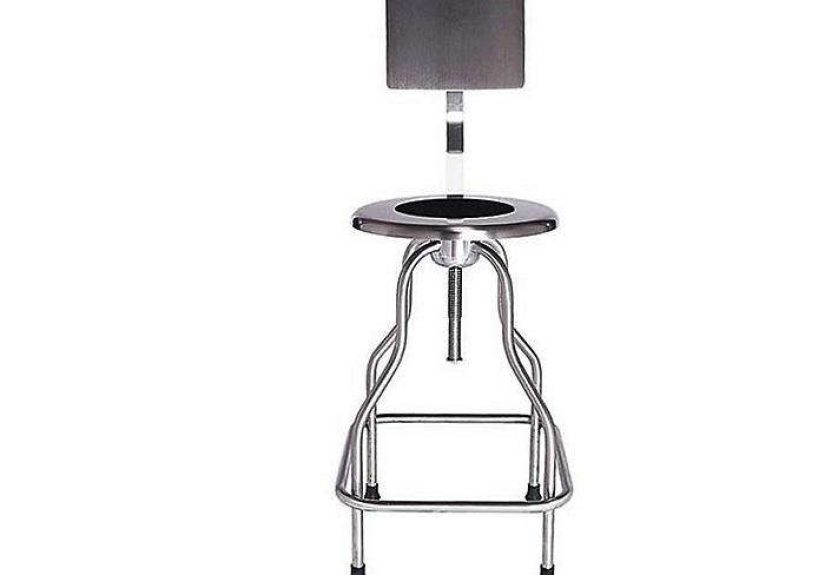
The original Precision Stool with Backrest associated with Design Within Reach became known for its stainless steel construction, heavy-duty design, adjustable seat height, rubber feet, and no-slip seat texture. Although that specific model has been discontinued, the idea behind it is very much alive. Today, similar stools appear in laboratories, medical offices, workshops, classrooms, design studios, restaurants, bars, salons, garages, and modern kitchens. The common theme is simple: people want seating that works hard, looks clean, and does not complain when life gets messy.
This guide breaks down what makes a precision-style stool with a backrest useful, how to choose one, where it works best, and what real users should pay attention to before buying. Spoiler: the backrest matters, the foot support matters, and yes, your dangling feet deserve better.
What Is a Precision Stool with Backrest?
A precision stool with backrest is a compact, height-adjustable stool designed for task-focused seating. Unlike a standard bar stool, it usually prioritizes function over decoration. Unlike a traditional office chair, it often has a smaller footprint, a simpler structure, and a more industrial personality. Think of it as the serious cousin of the kitchen counter stool: less interested in brunch aesthetics, more interested in surviving heavy use.
Precision-style stools typically include several practical features: a sturdy metal frame, adjustable seat height, a supportive backrest, a textured or contoured seat, and some form of foot support. Depending on the model, the stool may use a screw-lift mechanism, pneumatic gas lift, fixed legs with adjustable height settings, glides, rubber feet, or casters.
The word “precision” is important because this type of stool is often associated with controlled work environments. In hospitals, labs, studios, or workshops, a seat cannot wobble like a nervous intern. It must remain steady, support the user at the right height, and allow close access to the work surface. That could mean a lab bench, drafting table, kitchen island, tattoo station, dental workstation, electronics bench, or production counter.
Why the Backrest Makes a Big Difference
Many stools are intentionally backless. That can be useful when users need to turn, stand, sit, and move quickly. However, a backrest changes the experience completely. It gives the user a resting point, encourages better posture, and helps reduce the tendency to slump forward during long tasks.
A good backrest should support the lower or mid-back without trapping the body in one position. This is especially important for task seating because users often lean forward while working. If the backrest is too far back, it becomes decorative. If it is too aggressive, it may push the user forward like an overenthusiastic personal trainer. The sweet spot is a backrest that allows support when needed while still preserving freedom of movement.
For people who sit at a high workbench, craft table, lab counter, or kitchen island, the backrest can help prevent the “perching problem.” Perching happens when someone sits on the front edge of the stool because the work surface is too far away or the foot support is wrong. It may feel harmless for five minutes, but over time it can strain the back, hips, and thighs. A stool with a backrest, proper seat height, and reliable foot support helps users sit more fully and comfortably.
Key Features to Look For
1. Adjustable Seat Height
Seat height is one of the most important features of any ergonomic stool. A stool that is too low forces the knees too high and can round the lower back. A stool that is too high leaves the feet unsupported, increasing pressure under the thighs. Neither option is glamorous. Both can make a workday feel much longer than it needs to be.
For counter-height work, many stools offer height ranges around the mid-20-inch to low-30-inch range. Lab stools, drafting stools, and shop stools may go even higher. Before buying, measure the height of the work surface and check whether the seat height range allows the user’s elbows to stay close to the task without raising the shoulders.
2. Strong Frame Construction
Precision-style stools often use stainless steel, powder-coated steel, chrome-plated components, or heavy-gauge metal tubing. Stainless steel is especially appealing in medical, food-service, and design settings because it looks clean, resists corrosion, and handles frequent wiping. Powder-coated steel is common in shop and classroom stools because it is durable and budget-friendly.
The frame should feel solid with no side-to-side looseness. For heavy-use environments, welded joints, reinforced legs, and a stable base are worth prioritizing. A stool may look simple, but it should not feel flimsy. If a stool creaks dramatically every time someone sits down, it is not “industrial charm.” It is a warning sign.
3. Foot Support
A foot ring or footrest is not a bonus feature; it is essential for taller stools. When the feet are unsupported, the user may slide forward, press the thighs into the seat edge, or constantly search for a comfortable position. A 360-degree foot ring is especially helpful because it allows users to shift position while still keeping their feet supported.
Adjustable foot rings are even better because they can accommodate different users. In shared workplaces, one person may be 5 feet 2 inches and another may be 6 feet 1 inch. A fixed foot ring will not suit everyone perfectly. Adjustable support makes the stool more flexible and more comfortable across body types.
4. Seat Surface and Texture
The original Precision Stool with Backrest was known for a no-slip seat texture. That detail matters. A smooth metal or plastic stool may look sleek, but nobody wants to slowly slide forward while trying to solder a circuit board or enjoy coffee at a kitchen island.
Common seat materials include stainless steel, polyurethane, vinyl, wood, hardboard, molded foam, and upholstered fabric. Stainless steel is durable and easy to clean, but it can feel firm. Polyurethane is popular in labs and workshops because it resists punctures, stains, and many cleaning agents. Vinyl and foam add comfort but may require more maintenance. Wood and hardboard are classic for classrooms and studios, though they are not always ideal for long sitting sessions.
5. Glides, Rubber Feet, or Casters
The base matters more than people think. Rubber feet help prevent skidding and protect floors. Glides provide stability for work that requires precision. Casters allow mobility, which is useful in salons, dental offices, garages, and workshops where users move between stations.
However, wheels are not always the best choice. If the task requires steady hand control, such as detailed painting, microscope work, jewelry repair, or electronics assembly, a stool that rolls too easily can become annoying. In those cases, glides or locking casters may be better. The best stool is not the one with the most features; it is the one with the right features for the job.
Best Places to Use a Precision Stool with Backrest
Laboratories and Medical Spaces
Precision stools are a natural fit for laboratories and medical environments. These settings need seating that is easy to clean, compact, and stable. A stool with a backrest gives support during repetitive tasks without taking up the space of a full office chair. Stainless steel, polyurethane, and other wipeable surfaces are especially useful where hygiene matters.
Workshops and Garages
In garages and workshops, seating takes abuse. Tools get dropped. Grease appears mysteriously. Someone always decides the stool can also be a temporary parts tray. A tough shop stool with a backrest can provide comfort during repair work, woodworking, assembly, or mechanical tasks. A foot ring helps when working at a raised bench, while a sturdy frame keeps the stool from feeling unstable.
Restaurants, Bars, and Commercial Kitchens
The original precision-style stool was often described as being suitable for restaurants and bars because of its sturdy construction and clean industrial look. In hospitality settings, furniture must handle frequent use, spills, cleaning, and the occasional customer who treats seating like gym equipment. Stainless steel stools with rubber feet and textured seats can make sense in these environments, especially in industrial-modern interiors.
Home Kitchens and Islands
A precision stool with backrest can also work beautifully at home. In a modern kitchen, it adds a utilitarian edge without looking bulky. It pairs well with stone countertops, stainless appliances, subway tile, concrete floors, wood cabinetry, and minimalist spaces. The backrest makes it more comfortable for lingering over breakfast, helping kids with homework, or pretending you are only having “one quick snack” at 10 p.m.
Studios and Creative Workspaces
Artists, designers, photographers, tattoo artists, musicians, and makers often need seating that supports movement. A precision stool lets users sit close to the work while changing posture easily. The backrest provides a moment of relief between focused bursts of activity. In creative spaces, the clean industrial design also feels intentional rather than purely functional.
Precision Stool vs. Regular Bar Stool
A regular bar stool is usually designed for casual sitting. It may look attractive, but it may not offer meaningful adjustability, back support, or ergonomic positioning. A precision stool is more task-oriented. It is built to support work, not just cocktails.
The differences become obvious during longer use. A decorative stool may be fine for twenty minutes. After two hours, users may notice a hard seat edge, awkward foot placement, or a backrest that is more style than support. A precision-style stool should feel more purposeful. It should allow the user to set the height, stabilize the feet, and sit close enough to the work surface without strain.
Precision Stool vs. Office Chair
An office chair usually offers more cushioning, armrests, tilt controls, and full-back support. That makes it better for long computer sessions at a standard desk. A precision stool, however, works better where an office chair is too large, too low, or too cushioned for the job.
For example, a drafting table or lab bench often requires a higher seat height than a standard office chair can provide. A rolling office chair with arms may also block the user from getting close to the counter. A precision stool keeps the footprint small and the posture more upright. It encourages active sitting while still offering enough support for repeated use.
How to Choose the Right Precision Stool with Backrest
Measure Before You Buy
Start with the work surface height. Counter-height surfaces are often around 34 to 36 inches tall, while bar-height surfaces are commonly around 40 to 42 inches. Workbenches and lab benches vary widely. The stool should place the user at a height where the elbows can work comfortably, the shoulders stay relaxed, and the feet remain supported.
Check Weight Capacity
Weight capacity varies by model. Many industrial and shop stools support 250 to 300 pounds, while some heavy-duty steel stools are rated higher. Choose a stool with a comfortable safety margin, especially for commercial or shared environments.
Think About Cleaning
For labs, medical offices, kitchens, and garages, easy cleaning should be a priority. Stainless steel, polyurethane, and vinyl surfaces usually clean more easily than fabric. If the stool will live near food, chemicals, paint, grease, or dust, avoid materials that stain easily or trap debris.
Match the Base to the Floor
Hard floors, tile, concrete, wood, carpet, and rubber mats all interact differently with stool bases. Rubber feet can protect floors and reduce sliding. Casters should match the floor type and may need brakes. In a precision work area, stability should come before speed.
Do Not Ignore the Backrest
The backrest should be positioned where it supports the user without forcing an awkward posture. Adjustable backrests are helpful because they can fit more users and more tasks. A small backrest can still be useful, especially for lower-back support, but only if it contacts the body in the right place.
Common Mistakes to Avoid
The first mistake is buying for looks alone. Industrial stools can be stylish, but style will not save your back during a long session at a workbench. The second mistake is ignoring the foot ring. If the feet cannot rest comfortably, the entire seating experience suffers. The third mistake is choosing wheels when stability matters more. Rolling around sounds fun until the stool moves during delicate work.
Another common mistake is assuming one stool works for every person. Ergonomic seating is personal. Height, leg length, task type, work surface, and sitting duration all matter. In shared spaces, adjustability is not a luxury; it is the peace treaty.
Design Appeal: Why This Stool Still Looks Modern
The Precision Stool with Backrest has lasting appeal because it follows a timeless design rule: honest materials age well. Stainless steel, visible structure, clean lines, and practical details rarely feel outdated. The stool does not need decorative tricks. It looks good because it looks useful.
This is why precision-style stools fit so many interiors. In a farmhouse kitchen, they add a little industrial contrast. In a loft, they feel right at home. In a restaurant, they suggest durability. In a studio, they say, “Yes, serious work happens here, but we still have taste.”
Experience Section: Living and Working with a Precision Stool with Backrest
Using a precision stool with backrest feels different from using a regular chair. The first thing most people notice is the height. Sitting higher changes your relationship with the work surface. At a kitchen island, it makes conversation feel casual and open. At a lab bench or workshop counter, it puts your hands closer to the task. At a drafting table, it gives you a clear view of the surface without forcing your shoulders upward.
The second thing people notice is the firmness. Many precision stools are not plush, and that is intentional. A very soft seat may feel wonderful for a few minutes, but it can make movement harder and posture less stable. A firmer stool gives better feedback. You know where your body is positioned. You can shift, rotate, lean, or stand up quickly. For active work, that can be more useful than sinking into a cushion like a tired marshmallow.
The backrest becomes most valuable during pauses. When assembling small parts, sketching, trimming plants, repairing equipment, or prepping ingredients, users often lean forward. After a few minutes, the ability to sit back and reset makes a noticeable difference. The backrest does not have to be large to help. Even a modest back support can remind the user to return to a more balanced posture.
In a home kitchen, the stool works especially well for people who use the island as a command center. It becomes the place for morning coffee, grocery lists, laptop sessions, homework help, and the deeply important activity of supervising dinner while contributing only comments. The backrest makes it easier to stay seated comfortably, while the compact frame keeps the area from feeling crowded.
In a workshop, the experience is more practical. A stool with rubber feet stays planted while sanding, wiring, polishing, or inspecting parts. A textured seat helps prevent sliding. A metal frame handles bumps and scrapes without emotional damage. If the stool has a foot ring, the user can brace the feet and work with better control. That small detail can make long projects feel less tiring.
In creative studios, a precision stool supports a rhythm of movement. You sit, adjust, stand, reach, rotate, and sit again. A full-size chair may feel like too much furniture, while a backless stool may feel too minimal. The backrest version lands in the middle. It supports the body without stealing space from the work.
The best experience comes from adjusting the stool correctly. Set the seat height so your shoulders stay relaxed. Keep your feet supported on the floor, foot ring, or footrest. Sit close enough to the surface that you do not have to reach forward constantly. Use the backrest during breaks in the task, not as an excuse to collapse into a shrimp-shaped posture. Your spine has enough responsibilities already.
Over time, a well-built precision stool becomes one of those pieces of furniture people stop noticing because it simply works. It does not demand attention. It does not need fluffing. It does not ask to be styled with a throw pillow named “Aspen.” It just supports the task, survives the day, and looks quietly competent while doing it.
Conclusion
A Precision Stool with Backrest is more than a stool with a fancy name. It is a practical seating solution for people who need durability, adjustability, support, and clean design in one compact package. Whether used in a lab, workshop, kitchen, studio, restaurant, or medical space, the right stool can improve comfort and make task-focused work easier.
The best models combine a sturdy frame, comfortable seat height range, supportive backrest, stable base, and reliable foot support. Materials matter. Adjustability matters. The relationship between the stool and the work surface matters. Choose well, and a precision-style stool can last for years while making everyday tasks feel smoother, steadier, and a little more civilized.
Note: Product availability, pricing, dimensions, and specifications may change over time. Always verify current details with the retailer or manufacturer before purchasing.