Table of Contents >> Show >> Hide
- What’s Going On With This Recall?
- How to Identify the Recalled Apple Juice
- Why Mold Contamination in Apple Juice Matters
- What To Do If You Bought the Recalled Apple Juice
- Why Recalls Use Labels Like “Class II” (and What That Actually Means)
- How Does Patulin End Up in Juice in the First Place?
- Smart Shopping Habits for the Next Recall Alert
- Quick FAQ
- Conclusion
- Experiences: What a Real-World Apple Juice Recall Feels Like (500+ Words)
If your fridge contains a cute, round glass bottle of apple juice that looks like it belongs in a vintage soda shop, this is your friendly “pause mid-sip” moment. A popular apple juice product was recalled after testing raised concerns about potential mold-related contaminationspecifically, a toxin that can show up when mold grows on apples.
Before anyone panics and starts interrogating every apple in the fruit bowl like it owes you money: this recall is about a specific product style and identifying codes. That means most apple juice on Earth is still just… apple juice. The goal here is simple: help you figure out whether you have the recalled product, what to do next, and how to handle future recall alerts without turning your kitchen into a crime scene.
What’s Going On With This Recall?
The recall involves apple juice that may contain elevated levels of patulin, a naturally occurring substance produced by certain molds. Patulin is associated with moldy or damaged apples and can end up in juice if contaminated fruit slips through sorting and processing controls.
The key word you’ll see everywhere is potential. In recall-world, that usually means: “We found enough evidence to pull product out of the supply chain, even if most bottles are likely fine.” It’s a “better safe than sorry” moveand honestly, that’s the kind of energy we want around food safety.
How to Identify the Recalled Apple Juice
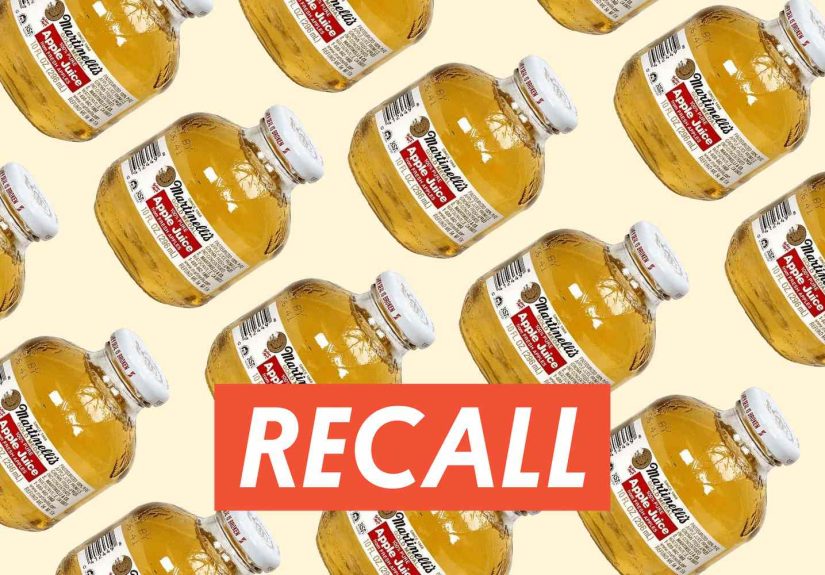
Start with your bottle and packaging. The recalled product has been described in reports as a 4-pack of 10-ounce apple juice bottles in a clear, bulbous/round glass bottle with a white metal screw-top lid. The easiest way to confirm is by checking the UPC and the best-by date.
| What to Check | Where to Find It | What You’re Looking For |
|---|---|---|
| Brand / Product | Front label / outer pack | Apple juice product included in the recall notice (not all products) |
| Package format | Outer packaging | 4-pack of 10 oz glass bottles |
| UPC | Near or under the barcode | UPC: 0 41244 04102 2 |
| Best-by date | Printed on bottle/pack | 05DEC2026 (format may vary, but this date is the big clue) |
If your product matches the UPC and best-by date above, treat it as recalledno debate, no “but it smells fine,” no “I already poured it over ice and it looks innocent.” A recall is the official equivalent of your smoke detector beeping: you don’t argue with it. You respond.
Why Mold Contamination in Apple Juice Matters
Mold itself is a broad categorysome molds are mostly a nuisance, while others can produce compounds (like mycotoxins) that aren’t something you want on your grocery list. Patulin is one of those compounds.
What is patulin?
Patulin is a toxin produced by certain molds that can grow on apples. Food safety controls are designed to keep it out of apple juice, and regulators have long monitored it because historically it has shown up at high levels in some apple juice products.
“But wouldn’t we see mold?”
Not necessarily. Contamination concerns can come from laboratory testingmeaning a product can look normal but still fail a safety threshold. That’s part of why recalls happen: you can’t eyeball your way to certainty.
How much is “too much”?
The FDA has set enforcement guidance for patulin in apple juice products. In plain English: if testing shows patulin at or above a certain level (commonly referenced as 50 parts per billion for single-strength apple juice), that’s where it can be considered adulterated and subject to regulatory action.
What To Do If You Bought the Recalled Apple Juice
Here’s the practical playbook. No hazmat suit required.
1) Stop drinking it (yes, even if it tastes fine)
If you confirm your bottle/pack matches the recall identifiers, don’t consume it. Set it aside so it doesn’t accidentally end up in a lunchbox later.
2) Follow the refund/return instructions
Many recalls allow you to return the product to the place of purchase for a refund. If returning isn’t possible, dispose of it safely. If the bottle is already opened, wrap and discard it in a way that avoids spills.
3) If you already drank some, watch for symptoms and use common sense
Reports about patulin exposure often mention stomach-related symptoms like nausea or vomiting. Most people who have a small amount and feel fine will remain finebut if you feel unwell or symptoms are significant, contact a healthcare professional.
4) Clean up the boring-but-smart way
- Wipe down any sticky juice drips (because ants do not need an invite).
- Wash your hands after handling the bottle.
- If it spilled in the fridge, use warm soapy water and dry the area well.
5) Consider reporting issues
If you believe you got sick from a recalled food product, reporting helps public health agencies spot patterns faster. The FDA provides consumer reporting tools for product problems and adverse events.
Why Recalls Use Labels Like “Class II” (and What That Actually Means)
Food recalls aren’t all the same severity. In the U.S., the FDA uses recall classifications to communicate risk level. The recall discussed in widespread reporting was categorized as a Class II recall, generally meaning the product could cause temporary or medically reversible health effects, and the probability of serious harm is considered remote.
Translation: it’s not the highest category of “drop everything,” but it’s still very much in the “do not consume” category. It’s like finding out your car has a safety recall for a part that might fail. You don’t keep driving it and hope for the best. You handle it.
How Does Patulin End Up in Juice in the First Place?
Juice production is basically a high-speed relationship between fruit, machines, and quality control. Patulin concerns are most associated with moldy or damaged apples. The industry typically relies on multiple prevention steps:
- Sorting and trimming to remove compromised apples
- Supplier standards that define acceptable fruit quality
- Testing programs to verify finished product safety
- Traceability so a specific lot can be pulled if needed
Even with those safeguards, massive supply chains have one recurring truth: mistakes scale. The good news is that traceability also scalesso targeted recalls can remove specific product without punishing every innocent apple in America.
Smart Shopping Habits for the Next Recall Alert
You can’t control every risk in life (I’m looking at you, mystery leftovers), but you can make recall checks easier:
Keep outer packaging until the product is used
UPC codes and lot/best-by details are often easiest to read on the box or wrap. If you toss the packaging immediately, you might be squinting at tiny ink on curved glass later.
Take a quick photo of codes for products you buy often
If your household goes through apple juice like it’s a hobby, snapping a photo of the UPC/best-by once in a while can save time when a recall hits the news.
Use alerts without doom-scrolling
Checking official recall notices (or reputable news summaries) is useful. Refreshing social media comments for “my cousin’s friend said…” is less useful. Stick to the identifiers: UPC, lot codes, dates, and product descriptions.
Quick FAQ
Is all apple juice affected?
No. This type of recall is typically limited to specific lots/identifiers. Always verify using the UPC and best-by/lot info.
Can I boil it or cook with it?
Don’t. When a product is recalled for contamination concerns, the safest move is not to consume it in any formcooking is not a “reset button” for all food safety issues.
What if I don’t have the packaging anymore?
Check the bottle for printed best-by information and any identifying codes. If you can’t confirm the identifiers but suspect it’s the recalled product, play it safe and don’t drink it.
Why did this show up now if the best-by date is far away?
Shelf life can be long for packaged juice, and testing or investigations may occur after distribution. The best-by date helps consumers identify product that could still be in homes.
Conclusion
Recalls are annoyingright up there with a phone battery that drops from 30% to 2% in one minutebut they exist to prevent bigger problems. If your apple juice matches the UPC and best-by identifiers tied to this recall, don’t drink it. Return it or dispose of it, and keep an eye out for any symptoms if you already consumed some.
Most importantly, don’t let a recall turn you into a permanent juice skeptic. Let it turn you into a better label-checker. That’s the calm, competent middle path between “ignore it” and “I’m growing my own apple orchard in a bunker.”
Experiences: What a Real-World Apple Juice Recall Feels Like (500+ Words)
Here’s how this kind of recall usually plays out in the wildaka your kitchenbased on common consumer experiences and the way recall notices are written.
The “Wait… Is This the One?” Moment
You hear about the recall the modern way: a headline, a push alert, or a friend texting “DO YOU HAVE APPLE JUICE??” with the urgency of a meteor warning. You open the fridge and spot itthe round glass bottle that always looked kind of fancy for something you sometimes chug straight from the bottle (no judgment; hydration is hydration).
The first reaction is usually denial-by-optimism: “It’s probably not mine.” The second reaction is detective mode: bottle in one hand, phone flashlight in the other, squinting at the barcode like it’s an escape-room clue. This is when you learn two truths: (1) UPC numbers are not designed for joy, and (2) curved glass makes tiny print feel like it’s actively hiding from you.
The “Family Meeting” (That Isn’t Really a Meeting)
If you live with other people, you’ll probably announce the recall out loud. Someone will ask, “Is it dangerous?” Someone else will say, “I literally drank that yesterday.” Another person will shrug and ask what’s for dinner. This is normal. Households process food safety info at different speeds.
The helpful approach is to keep it practical: confirm the identifiers, separate the product so nobody grabs it, and decide whether you’re returning it or tossing it. The unhelpful approach is to turn the conversation into a 45-minute debate about whether mold can be “scraped off” like it’s bread. (For recalled products: it’s a no. The debate is canceled.)
The Return Trip: Weirdly Satisfying
Returning a recalled item can feel oddly victoriouslike you’re participating in the safety system and getting your money back. Many people report that customer service is straightforward because stores are used to recalls; the process is often quicker than returning something you just didn’t like.
If returning is inconvenient, disposal is more common. People usually double-bag it (especially if opened), wipe down any sticky spots, and move on. The emotional arc is short: concern → action → relief.
The “New Habit” After the Recall
Recalls tend to create small behavior changes. A lot of shoppers say they start keeping packaging longer, at least until the product is finished. Parents often begin checking best-by dates and codes more carefullyespecially for items that end up in lunchboxes. Some people take quick photos of UPC and date codes for repeat purchases, which is surprisingly effective when a recall pops up months later.
And yes, some folks temporarily side-eye the entire juice aisle. That usually fades after a week or two, especially once they realize the recall is narrow and identifier-based. The healthiest outcome is not fearit’s familiarity: knowing how to check codes, understanding what “Class II” implies, and having a simple plan the next time a headline tries to startle you during breakfast.