Table of Contents >> Show >> Hide
- Why Pomegranate Shows Up in Skincare So Often
- The Facts: What Pomegranate Can Do for Skin (With Reality Checks)
- 1) Antioxidant support (helpful, but not magical)
- 2) UV-related damage: pomegranate may boost “sun resilience,” not replace SPF
- 3) Hydration and “glow”: promising signals in early studies
- 4) Uneven tone and dark spots: plausible, but not a bleach button
- 5) Acne and breakouts: potential inflammation help, limited direct evidence
- The Myths: What Pomegranate Won’t Do (No Matter How Many Reels Say It Will)
- How to Use Pomegranate for Skin (Three Smart Options)
- Safety Notes: Who Should Be Cautious
- FAQ: Quick Answers People Actually Want
- Experiences: What People Commonly Notice When They Try Pomegranate for Skin (About )
- Conclusion
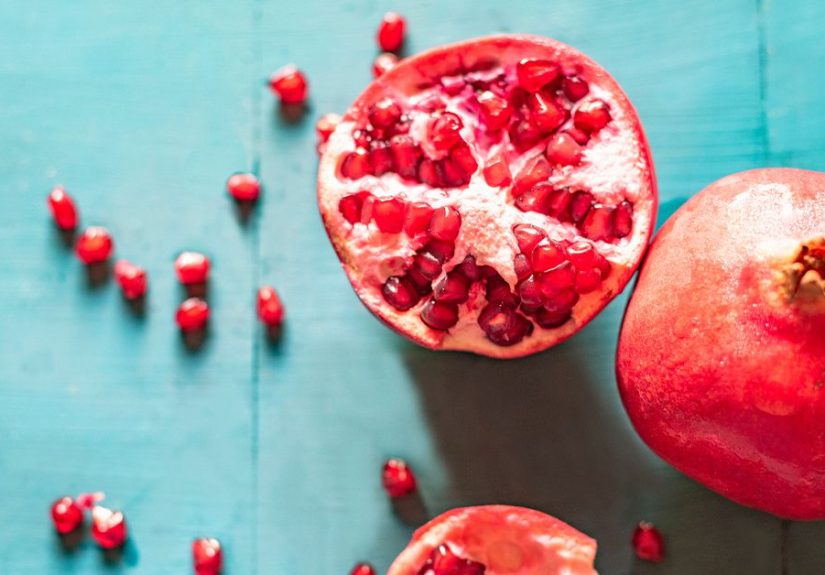
Pomegranates have a special talent: they look like tiny ruby jewels and somehow end up in every “glow” conversation.
Drink it, rub it, mask it, freeze it into cubes, whisper affirmations over it… the internet has opinions.
But what does pomegranate actually do for your skinand what’s just skincare fan fiction?
Let’s sort the science from the sparkle, talk through the most common myths, and then get practical with smart, safe ways to use
pomegranatewithout turning your bathroom into a sticky juice bar.
Why Pomegranate Shows Up in Skincare So Often
“Pomegranate” in skincare isn’t one single thing. It can mean the juice, the peel extract, the seed oil, or a standardized blend of
compounds pulled from different parts of the fruit. That matters, because the benefits depend on the form.
The skin-relevant compounds (in plain English)
-
Polyphenols (ellagitannins, anthocyanins): These are antioxidant compounds that help neutralize oxidative stress.
Oxidative stress is a major player in visible aging, uneven tone, and inflammation-driven skin issues. - Ellagic acid + punicalagins: Often highlighted for antioxidant and anti-inflammatory activity in lab and early human research.
-
Pomegranate seed oil (rich in fatty acids): A lightweight oil sometimes used to support the skin barrier and softness.
Think “comfort and bounce,” not “instant wrinkle eraser.” -
Vitamins + minerals (from eating the fruit): Pomegranate contributes nutrients like vitamin C and vitamin K along with fiber,
especially when you eat the arils (the seeds you actually chew).
The Facts: What Pomegranate Can Do for Skin (With Reality Checks)
1) Antioxidant support (helpful, but not magical)
Your skin deals with daily stressorsUV exposure, pollution, friction, harsh weather, and the occasional “I fell asleep in my makeup”
decision. Antioxidants help reduce oxidative stress, which is linked to premature aging and dullness. Pomegranate is packed with
antioxidant polyphenols, which is why it’s a frequent flyer in “brightening” and “anti-aging” product claims.
The reality check: antioxidant ingredients can be supportive, but they don’t replace proven basics like sunscreen, gentle cleansing,
and barrier-friendly moisturizing.
2) UV-related damage: pomegranate may boost “sun resilience,” not replace SPF
Here’s where things get interesting. Some human research suggests that consuming pomegranate juice or extract may increase the skin’s
resistance to UVB-induced redness (erythema). In other words, it may take a bit more UV exposure to trigger visible sunburn in some people
after consistent intake.
The reality check (say it with me): that does not mean pomegranate is sunscreen. Sunscreen works by filtering UV in a predictable,
tested way. Pomegranateat bestmay provide an extra layer of internal support, not a protective shield.
3) Hydration and “glow”: promising signals in early studies
Some early clinical research on specialized pomegranate extracts suggests potential improvements in skin hydration and visible measures like
redness and pigmentation under controlled conditions. Translation: there’s at least a plausible pathway for pomegranate-based ingredients to
support a calmer-looking, more hydrated complexion in some routines.
The reality check: extracts vary wildly. A “pomegranate” label doesn’t tell you the dose, the standardization, or whether the formula is built
to keep antioxidants stable (packaging and formulation matter a lot).
4) Uneven tone and dark spots: plausible, but not a bleach button
You’ll often see claims that pomegranate “lightens” skin. What’s more accurate is that some pomegranate compounds have been studied for their
potential to influence pathways involved in pigmentation and oxidative stress. That can matter for the look of post-sun discoloration or
post-breakout marks.
The reality check: if your routine is missing sunscreen, no brightening ingredient will win that tug-of-war. UV exposure re-triggers pigment,
period.
5) Acne and breakouts: potential inflammation help, limited direct evidence
Pomegranate shows up in acne-friendly products because it’s associated with antioxidant and anti-inflammatory activity, and some lab studies
suggest it may influence bacteria-related pathways. That’s a reasonable “supporting actor” role in a routine.
The reality check: for acne, the heavy hitters are still ingredients like benzoyl peroxide, retinoids, salicylic acid, azelaic acid, and
dermatologist-guided care. Pomegranate may be helpful around the edgesespecially if your breakouts come with redness and irritationbut
it’s not the lead character for most people.
The Myths: What Pomegranate Won’t Do (No Matter How Many Reels Say It Will)
-
Myth: “Pomegranate replaces sunscreen.”
Truth: Even if pomegranate offers some internal antioxidant support, it does not provide reliable broad-spectrum UVA/UVB protection. -
Myth: “Rubbing crushed seeds on your face is a ‘natural microdermabrasion.’”
Truth: Physical scrubs can create tiny tears and irritationespecially if you’re acne-prone, sensitive, or using retinoids. -
Myth: “Pomegranate fixes wrinkles overnight.”
Truth: Skin changes take time. If you notice any glow or smoothness, it’s usually from hydration, barrier support, and consistent routinenot instant collagen miracles. -
Myth: “If it’s fruit, it can’t irritate.”
Truth: Botanical ingredients can absolutely irritate or trigger allergy in some people. “Natural” is not the same as “risk-free.” -
Myth: “More is betterdouble the serum, drink a gallon of juice.”
Truth: Too much juice can mean too much sugar; too much topical product can mean clogged pores or irritation. Skin loves consistency, not chaos.
How to Use Pomegranate for Skin (Three Smart Options)
Option 1: Eat pomegranate (the low-drama, high-upside method)
If you want pomegranate’s nutrients and polyphenols, eating the arils is the simplest route. You get fiber plus plant compounds in a form your
body is designed to process. Great add-ons:
- Sprinkle arils on Greek yogurt with cinnamon.
- Toss into salads with feta, cucumbers, and olive oil.
- Add to oatmeal or chia pudding for a tart crunch.
- Mix into sparkling water with lime if you want “fancy drink energy” without going full juice mode.
Juice vs. whole fruit: Juice can be convenient, but it’s easier to overdo sugar when you drink your fruit instead of chewing it.
If you choose juice, aim for 100% pomegranate juice, keep portions reasonable, and treat it like a supplement to a balanced diet, not a magic
potion.
Option 2: Use pomegranate in skincare products (best for targeted routines)
If you’re using pomegranate for skin, you’ll usually see it listed as Punica granatum (fruit extract, peel extract, seed oil, etc.).
It plays nicely in formulas designed to:
- Support antioxidant defense (daytime serums, moisturizers)
- Calm the look of redness (barrier-focused creams)
- Boost “glow” (hydrating serums with humectants)
How to build it into your routine (simple and sane):
- Morning: Gentle cleanser → pomegranate antioxidant serum (optional) → moisturizer → broad-spectrum SPF 30+.
- Night: Cleanser → treatment (retinoid/azelaic acid/etc., if you use one) → moisturizer; pomegranate products can fit as a calming layer.
Ingredient pairing tips:
- With vitamin C: Antioxidant stacking can be useful, but sensitive skin should introduce one new active at a time.
- With niacinamide: Great combo for barrier support and a more even-looking tone.
- With retinoids/exfoliants: If you’re irritated, pick pomegranate in a soothing moisturizer rather than a strong “active” serum.
Option 3: DIY pomegranate (possible, but proceed like an adult)
If you love DIY, keep it gentle. Skip aggressive seed scrubs and anything acidic enough to make your face tingle like it owes money.
A safer approach is a short-contact rinse-off mask using skin-friendly bases:
- Gentle mask idea: Plain yogurt + a small spoon of mashed arils (or a tiny splash of juice) for 5 minutes, then rinse.
- Patch test first: Always. Inner arm for 24 hours is boring but effective.
- Don’t DIY over active treatments: If you’re using retinoids, strong acids, or benzoyl peroxide, DIY masks can tip you into irritation.
Most people get better resultsand fewer regretsfrom well-formulated products that are designed to stay stable, avoid contamination, and sit
on skin comfortably.
Safety Notes: Who Should Be Cautious
Topical caution
- Sensitive or allergy-prone skin: Patch test. Botanical extracts can irritate or trigger reactions.
- Very acne-prone skin: Introduce oils slowly. “Natural oil” isn’t automatically pore-friendly for everyone.
- Eye area: Keep DIY and fragranced products away from the eyes.
Dietary and medication caution
Pomegranate is a food, but concentrated juice/extract can interact with certain medications in some cases. If you take prescription medsespecially
those with narrow dosing windows (like blood thinners)ask your clinician before you make “daily pomegranate juice” your new personality.
FAQ: Quick Answers People Actually Want
Does pomegranate “lighten” skin?
It may support a more even-looking tone over time by reducing oxidative stress and supporting overall skin health, but it is not a bleach or a
skin-lightening drug. If you’re targeting dark spots, pair your routine with sunscreen and proven tone-support ingredients like vitamin C,
niacinamide, azelaic acid, and retinoids (as tolerated).
How long does it take to see results?
For topical products, many people evaluate glow and hydration in 2–4 weeks, while tone and texture changes usually take 8–12 weeks of consistent use.
For dietary approaches, think in “months,” not “days.”
Is pomegranate seed oil good for dry skin?
It can be, especially if it helps reduce tightness and supports a smoother feel. The best approach is to use it as a few drops over moisturizer
(or mixed into moisturizer) rather than applying a thick oil layer directly to bare skin.
Experiences: What People Commonly Notice When They Try Pomegranate for Skin (About )
Experiences with pomegranate tend to fall into a few recognizable patternsbecause, honestly, skin is predictable in the most unpredictable way.
Here are the kinds of outcomes people often report when they add pomegranate to their routine, plus the “why that might be happening” behind each.
1) The “my skin looks less tired” effect. A lot of people describe a subtle glow after a few weeks of using a pomegranate-based serum
or moisturizer. It’s rarely a dramatic transformation; it’s more like your face looks like it slept eight hours even if it absolutely did not.
This is often tied to improved hydration and a calmer-looking surfaceespecially if the product also includes humectants (like glycerin or
hyaluronic acid) and barrier helpers (like ceramides). Pomegranate may contribute antioxidant support, but the overall formula usually does the heavy lifting.
2) The “less redness on stress days” situation. People with mild flushing, post-workout redness, or irritation-prone skin sometimes
notice that their skin looks a bit more even when they consistently use antioxidant-rich moisturizers. The pattern is common: when you reduce
irritation triggers (over-exfoliating, harsh cleansers, too-hot showers) and add a gentle, calming product, the skin behaves. Pomegranate doesn’t
need to be a miracle to be usefulsometimes it’s just part of a calmer routine that stops poking the bear.
3) The “I drank juice every day and now my skin is… fine?” reality. Dietary changes can help skin, but they don’t always show up like
a filter. Some people who add pomegranate arils or moderate amounts of juice notice better overall wellness habits: they snack on fruit instead of
ultra-processed treats, drink more fluids, and get more polyphenols. Their skin may look a little brighter, but the bigger win is consistency and
improved diet quality. The folks expecting “juice = poreless” usually feel underwhelmed (and slightly betrayed by the internet).
4) The DIY lesson: gentle wins, aggressive loses. Some people try crushed pomegranate seeds as a scrub and end up with irritation,
redness, or a “why does my face feel sanded” momentespecially if they’re already using retinoids or acids. On the other hand, people who keep DIY
mild (short-contact masks, soothing bases, patch testing) often do fine and enjoy the ritual. The experience tends to be less about pomegranate’s
raw power and more about whether the DIY method respects the skin barrier.
5) The “it plays well with my routine” takeaway. The most satisfied experiences usually come from people who treat pomegranate like a
supporting ingredient: antioxidants by day, barrier repair at night, sunscreen always. When it’s layered into a smart routinerather than used as
a standalone curepomegranate can feel like a solid, low-key upgrade.
Conclusion
Pomegranate can be a genuinely useful skin allymostly because it’s rich in antioxidant polyphenols and shows promising signals in early human
research for supporting the skin’s response to UV stress and improving hydration-related appearance. The best way to approach it is simple:
eat the fruit for overall nutrition, use well-formulated topical products for antioxidant support, and treat DIY experiments like a patch-test-first hobby.
And if anyone tells you pomegranate replaces sunscreen, please hand them an SPF 30 and a polite reality check.